Review | Castlevania: Belmont's Curse - A Solid Value for Shareholders
I once got in an online argument about Castlevania so feverish that it got someone riled up enough to find out what my phone number was and call me at 3 a.m. to threaten me. That's the general rule of online: if something is in your blood enough you're passionate about it, it's in someone else enough they'd like to see yours spilled over it. At the time I was grievously unemployed and snacking with delight on decades of emulated hardware and emulated opinions. So the quote would be that a contrarian is great at gathering an audience.
Castlevania: Belmont's Curse is the latest in the IP-ification of Castlevania. A few years ago Konami shopped and shelled out so developers that made titles like V Rising and Dead Cells could get their bony fingers around the brand in all of the leather and lace those Belmonts are always wearing. It's a game I have already had one argument about at least: the more things change, etc. etc. I'm 35 years old, so arguments about video games hit different: I try to have fun with them. A friend I once knew who took great delight in Castlevania taught me to talk about it. Similar nasty arguments that started over video games broke up our friendship. Don't side with Dracula, man — it's that easy.
There's a personal stake here at play: I had to play Castlevania: Belmont's Curse. I went up the chain of command to beg and plead (and piss and cry) to get a shot at writing about the game for startmenu.co.uk. I need to be buried under four feet of concrete so I don't rise as one of the undead creatures of the night in a constant war against humanity. What I'm saying is: me and Castlevania have something in common. (I'm going to call it Belmont’s Curse from now on so I don't keep having to write Castlevania: Belmont's Curse in italics.)
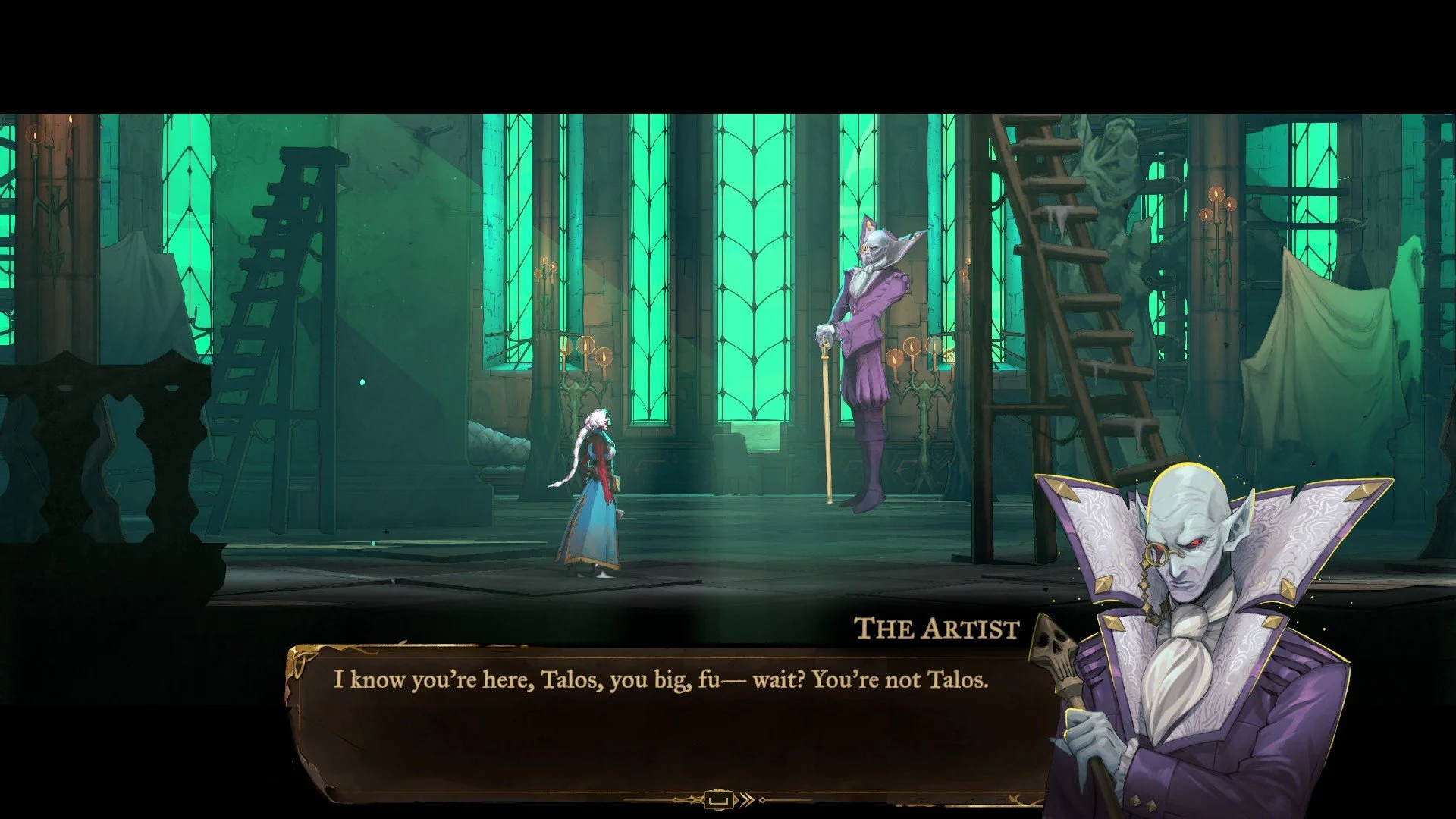
Out of the ashes of previous stages for the series the developers at Konami and Evil Empire managed to steal success from the jaws of defeat. Former series head Koji Igarashi is busy with his titanically popular Bloodstained series, itself in a second boss phase with a sequel well on the way, so it's not like he'd be taking Konami's phonecalls. Given the keys to the kingdom is no easy thing for developers — Lords of Shadow 2 was the last mainline entry in the series that's not a remake or a repacking of formerly released titles, and it’s considered a critical and commercial blunder. More famous for having a small Dracula than any grand pronouncements the writing tries to make about the folly of mankind versus his own mortality.
So: it's that time again. Much like people write in reviews for every new beltscroller that has been released for twenty years: Castlevania is back. Roughly coinciding with the 40th anniversary of the series is the first entry in a long process towards homogenization.
This is going to go long so I want to come out and say it: My “bottom line” for Belmont's Curse is that the game is an excellent value for shareholders. All of the problems stuffed within this coffin are tethered to how much pure Capital C Vania is in the game. Old faces return, lore references abound. If it happened in a noteworthy fashion in the trilogy of games considered by Koji Igarashi himself to be holy, it's mentioned here. Our protagonist's outfit recalls Dracula X. Alucard is commented on by most of the central cast in Rose Belmont's head for the duration of the game. Just like with the handheld titles and even the Lords of Shadow duology itself, other games loom like Dracula's Castle over the events of the game.
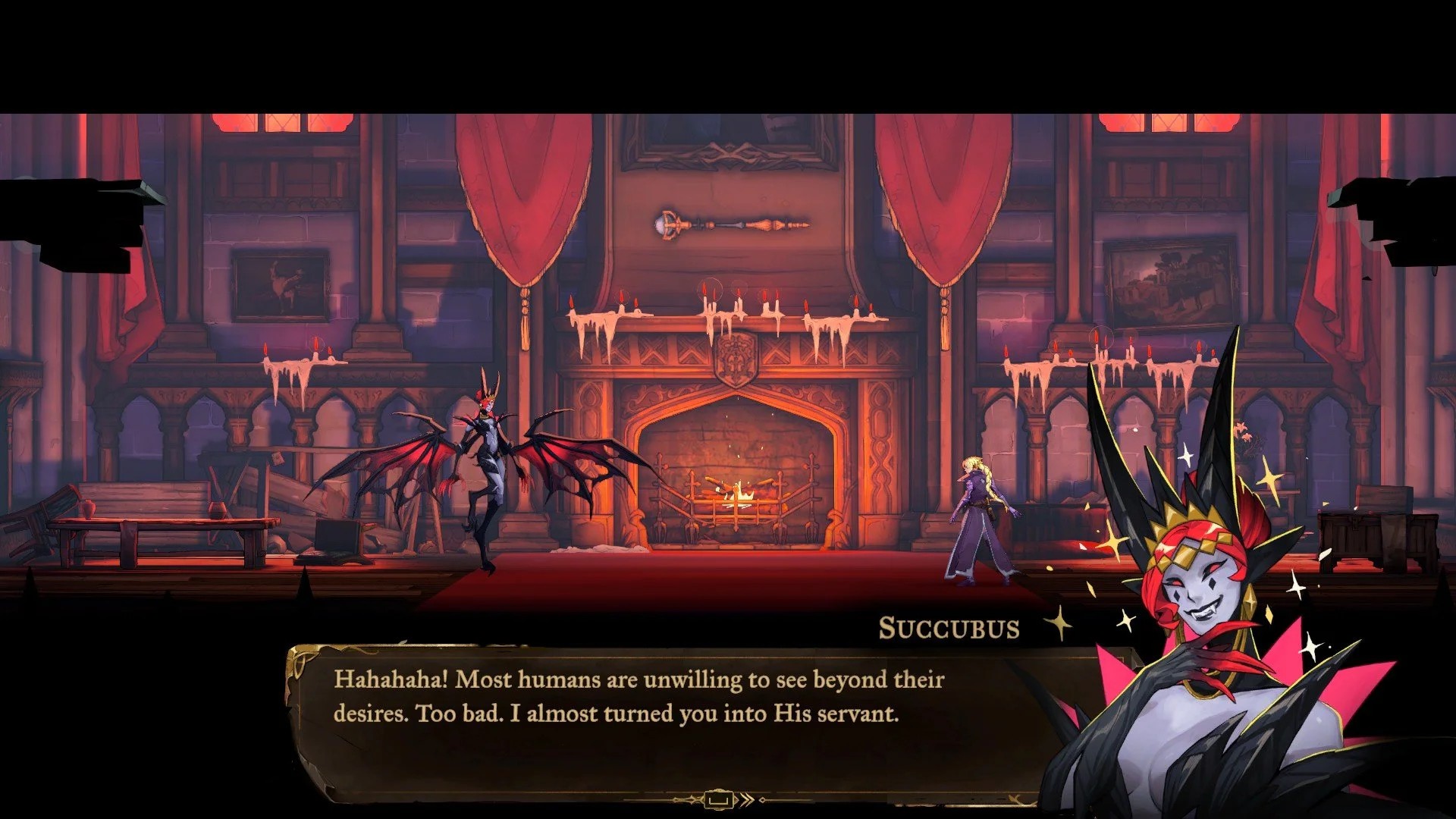
If you can't tell, I'm having a little bit of fun writing this like I'm doing a retrospective for a glossy-paged magazine twenty years ago. Any attempt by the series to feast on the flesh of new blood brings with it a core problem: everyone alive might be a fan of Castlevania. A successful showing of the Netflix series gorges itself on communities of proshipper art between characters. A once dusty and cobweb-filled set of tags on Archive of Our Own explode like the fanfiction sections of The Castlevania Dungeon did when people thought “Arikado” looked suspiciously similar to “Alucard”. It'd be almost an impossible endeavor to find someone, especially among game developers, that doesn't completely deify the central fiction of Symphony of the Night or Dracula's Curse. Belmont’s Curse has all of the reverence in it: from bringing back and letting us play as Trevor Belmont's daughter, Rose, to casting several prominent voices from the Netflix adaptation. Minor villains are given homages even when their progeny won't have reason to show up for hundreds of years, the backgrounds are stuffed with hand-drawn shout-outs to other characters in the series.
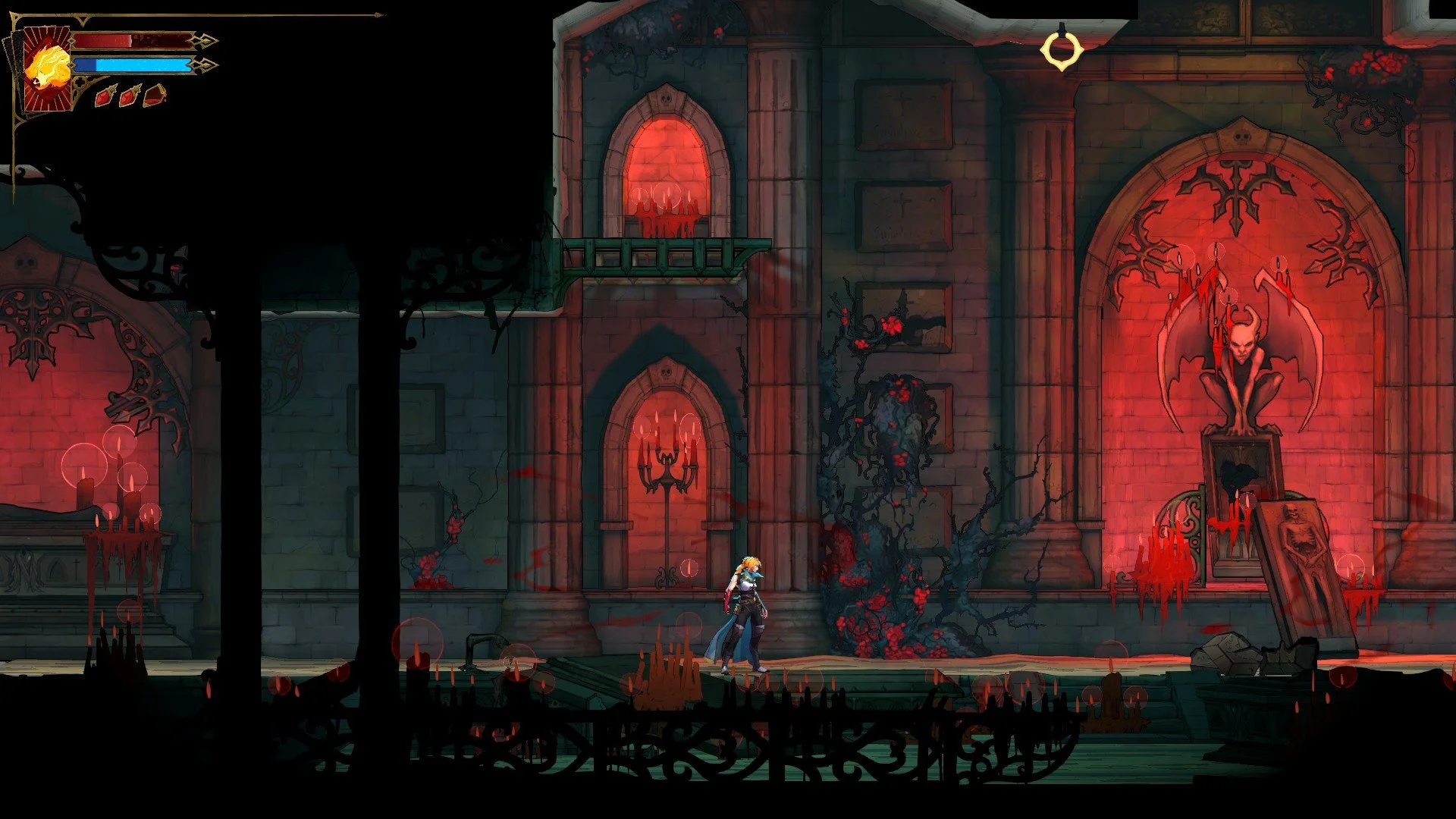
Belmont's Curse is choking, buried under Castlevania to the point that it struggles to formulate an identity as its own entry. It certainly wears the halloween costume — but in playing it we see more of the same kind of memorization-based platforming that's become something of a standard for these massive zoomed out metroidvanias. There's less of both namesakes in the genre here than ever before. Rose gets an identical toolkit to other games: a dash, a parry, a double-jump. Every other screen in an area is some kind of massive deathtrap that looks imposing but the most it can dare punish the player with is slowly chipping away at health through dozens of mistimed jumps. Because so much is oriented around this kind of platforming design there's almost no reason to revisit many of the gigantic pathways of the castle.
If you are one of those people who hoards printed-on-silk video game maps: this one's for you. The world of Belmont's Curse is gigantic, every wing of Dracula's Castle itself is almost as large (sometimes larger) than the core castle stacked after three entire areas before you even get to it. It’s desperately earning that 20ish hours of gameplay but the bricks of the Castle seem to be laid with no final architecture in mind. [Editor’s Note: Navidsonvania?] Every corner conceals some kind of item that increases attack by 4% on a Tuesday in July. There are collectible HP/MP upgrades, but those scores also increase by levelling up. Weapons come in Diablo-style organized loot cards denoting rarity even though they aren't actually dropped by monsters and can only be found in fixed locations.
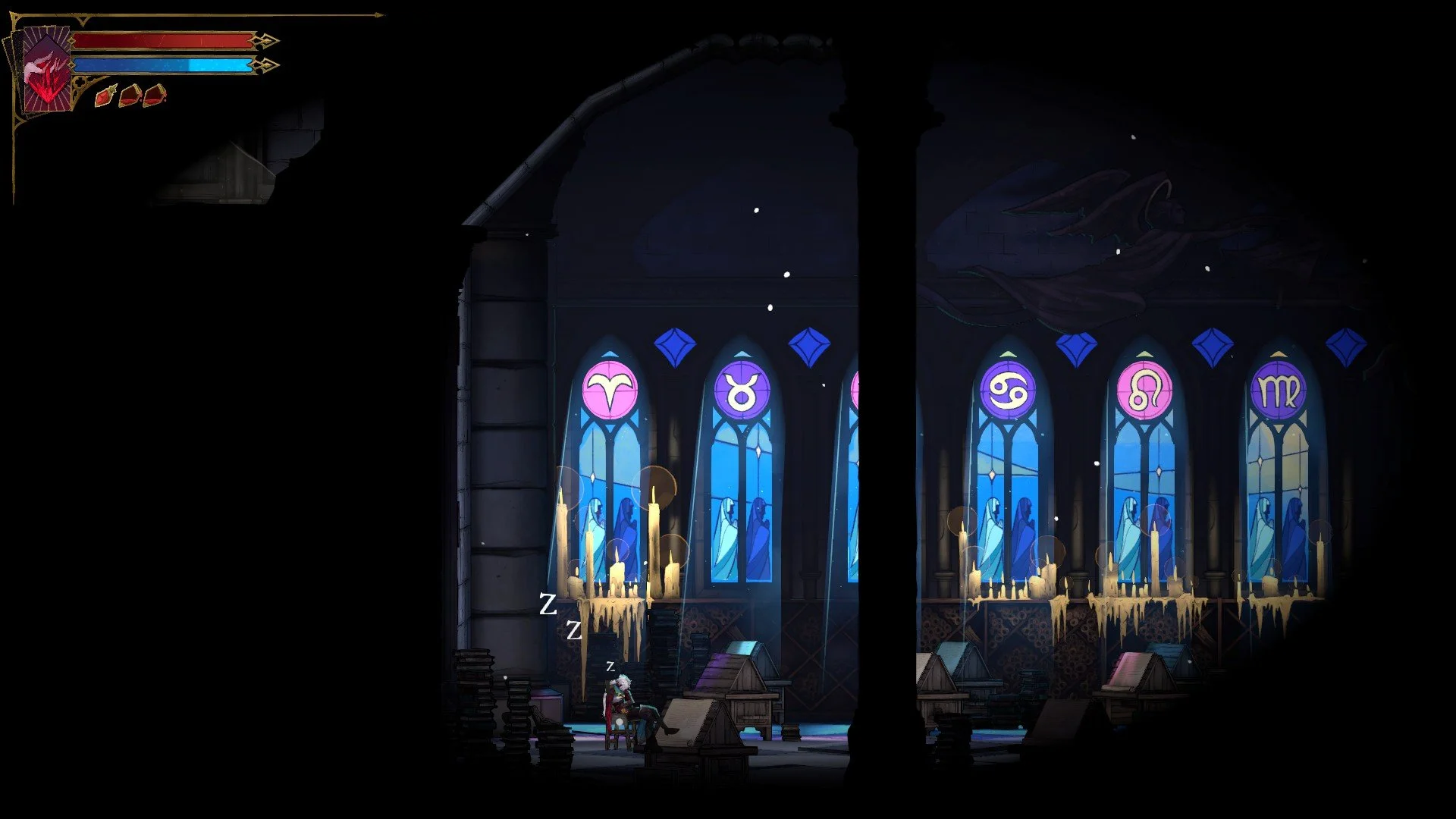
Persisting throughout the entire game is a noxious sense that there was a producer or IP-manager somewhere in the room with the game designers asking for things to be changed. Art direction and palette use is inconsistent across the first and second halves, looking more like the series DLC that was released for V Rising instead of communicating using its own visual language. It's not even that the first chunk of the game is something special — its art direction falls all over itself to recreate staid environmental theming like “green area” and “yellow area”.
I rarely break into talking about music in a review because I'm loath to lean into the sedate “here are the things that make up this product”–style writing. Castlevania as a series ties deeply into the identity of music. Early series composers like Kinuyo Yamashita pulled in musical references from jazz and blues. Later composer Michiru Yamane brought in sounds across a pantheon; music from J.S. Bach to Krawftwerk and YMO. Belmont's Curse sounds like one of those noxious AI-generated Castlevania Lo-Fi Beats To Study To channels: at it's worst it sounds like something from fucking Hamilton is playing in the background and I am expecting someone to start rapping about the French Revolution. When it's not stuffing songs from previous entries with bass drops, the score is mostly sleepy, forgettable melodies with no real structure underneath them driving toward anything. Working hand in hand with bloated map design, every song is structured to be a wandering 18-minute or so melody that teeters between either vague or in-your-face references to previous titles.
By the time of the conclusion I was so beaten over the head with Castlevania it's like I was locked in a room with someone whose life work was ensuring that not a moment went by in which I forgot what IP I was witnessing. Here's Leon Belmont, Brauner, Alucard, don't blink or you will miss Shanoa Castlevania. Do you like Vampire Killer? How's twenty minutes of it at a time? Let's go to Alucard's Bedroom and pick up the Crisseagrim. You remember that from the speedruns, right? I couldn't tell if the developers were in love with the series or being held at gunpoint to perform their obsession with it — they have so successfully blended the series to a point it has been broken down and rendered easily digestible. I am so glad everything can so easily be a product, now.
Castlevania: Belmont's Curse was played on PC.