
![[PATREON UNLOCK] Update Patch - February 2026](https://images.squarespace-cdn.com/content/v1/5caf2dea93a63238c9069ba4/1772562881770-ZXZN65X2NZXJBKI3HAZF/Update_Patch_0.jpg)
[PATREON UNLOCK] Update Patch - February 2026
Update Patch News Roundup (02/02/26)
Once again, we return to Update Patch, the newsletter in which we discuss the ups and downs of today’s games industry. While my neighborhood is currently buried in ice and snow, the news goes on: with stories of international strikes, studio closures, and discourse regarding the purpose of criticism. Just to shake things up, I included a smidgeon of good news, too.
Ubisoft Unions Call for International Strike In Response To “No Dialogue, No Respect”

Syndicat des Travailleureuses du Jeu Vidéo released a statement via Bluesky calling for an international joint strike by all Ubisoft employees across the company’s unions: itself, CFE-CGC, CGT, Printemps Ecologique, and Solidaries Infortmatique. The strike is in response to the company’s recent actions: cancelling six games, delaying seven, laying off employees across studios under the Ubisoft umbrella, and (per GameDeveloper) pushing for “a return to five days per week on site for all teams.”
The joint union statement asserts that there has been “no dialogue, no respect…rather than taking financial responsibility for layoffs, they prefer to push us out by making our working conditions unbearable.” To those who might argue that cost-cutting at Ubisoft is a necessity for the company’s survival, they say that “it is because we love Ubisoft that this situation revolts us!” The strike is to last from February 10th to the 12th.
GDC Report: One-Third of Respondents In The United States Games Industry Laid Off In Two Years
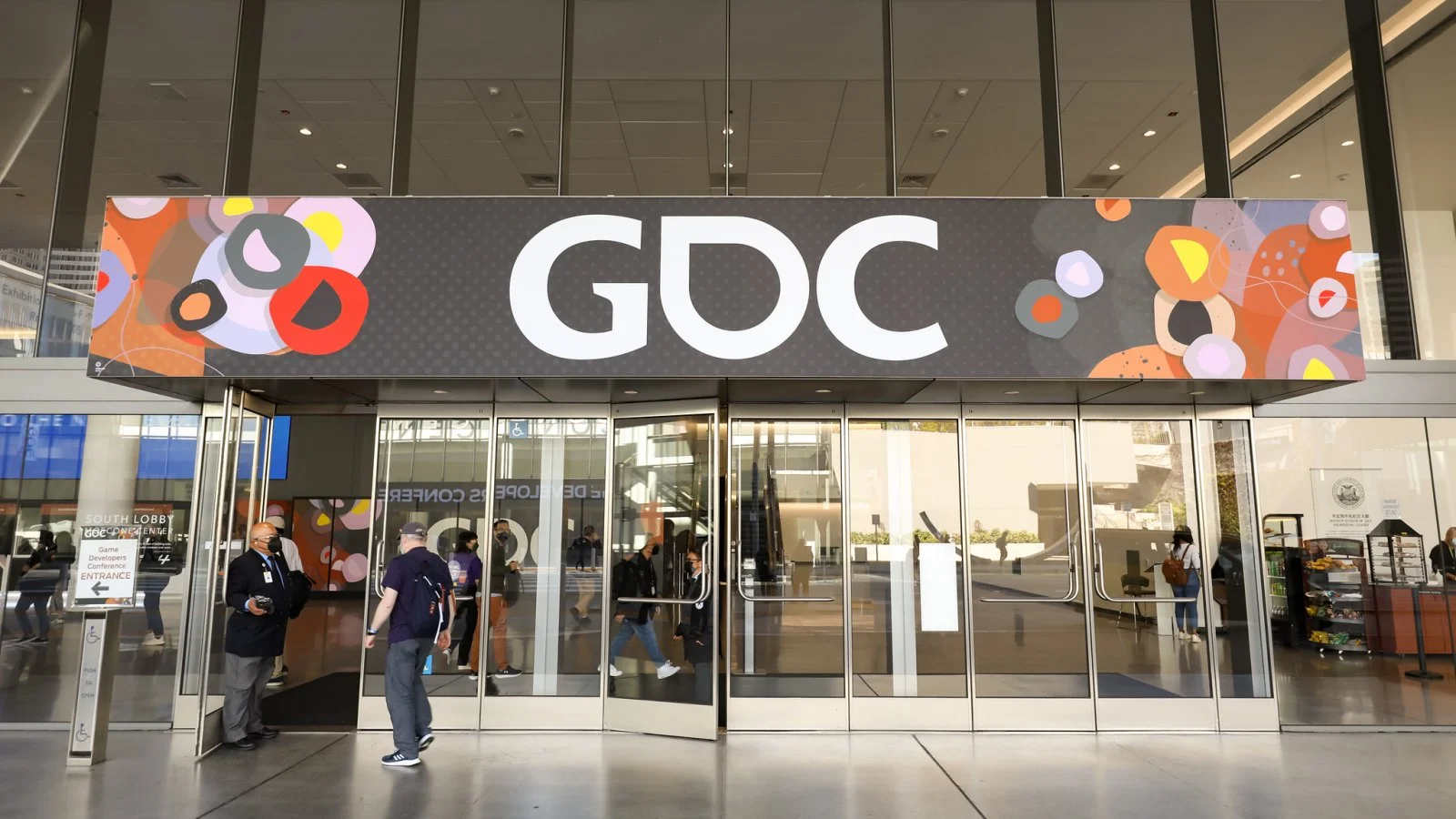
Per Variety, a survey led by organizers behind Game Developers Conference (GDC) revealed that a third of respondents in the United States video game industry have been laid off in the past two years. Half of these affected respondents said that they lost their jobs within the past twelve months. The percentage of laid-off workers over the past two years is slightly smaller globally, at 28%. The report also found that 82% of respondents support the unionization of games industry workers, with the highest support found among those making less than $200,000 per year.
Mighty No. 9 Studio comcept Dissolved

Gematsu announced that the game studio comcept was dissolved on January 13th, 2026. Founded in 2010 by Kenji Inafune, comcept collaborated with outside studios like Marvelous Inc., Inti Creates Co., Ltd and Idea Factory to produce games with original stories and characters. Some of these productions, like the PSP visual novel Sweet Fuse: By Your Side and the Vita action RPG Soul Sacrifice, were successful. Others, like early Kickstarter hit Mighty No. 9, were disastrous. Despite Inafune’s efforts to shape the narrative, the studio’s best-known titles became synonymous with broken promises.
Notably, this is a separate matter from comcept’s joint subsidiary with Level-5, Level-5 comcept. That subsidiary developed the phone game Dragons & Colonies and assisted on Megaton Musashi W: Wired. Inafune himself was set to direct Fantasy Life i: The Girl Who Steals Time. But he left Level 5-comcept in 2024, and “harsh” internal evaluations led Level-5 CEO Akihiro Hino to take control of the project. Level-5 comcept was later absorbed into Level-5 in 2025. Now comcept itself is gone.
GOG Utilises Generative AI For Sale Banner
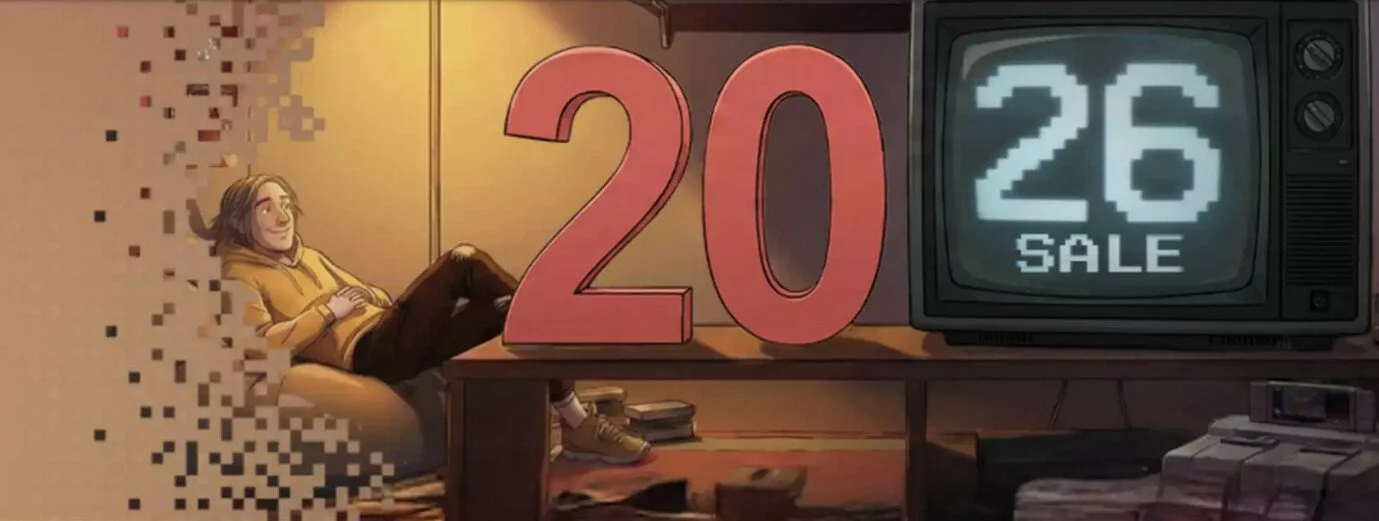
Last December, GOG and CD PROJEKT co-founder Michał Kiciński acquired GOG from CD PROJEKT to become an independent company. “We will continue building a platform that’s ethical, non-predatory, and made to last,” said the company’s blog post, “while helping indie developers reach the world.” Its first step, per GamingonLinux? Utilizing generative AI to create the banner for the company’s New Year Sale. A member of the GOG team confirmed on the site’s forum that the “current sale banner is fully AI. Not my work. This is all I can say on this.” They also said that “in the face of future we don't like to see, complacency is not the way.” As always, while the use of generative AI in the games industry is becoming increasingly common, it is by no means unanimous.
Dispatch Censored On Switch And Switch 2
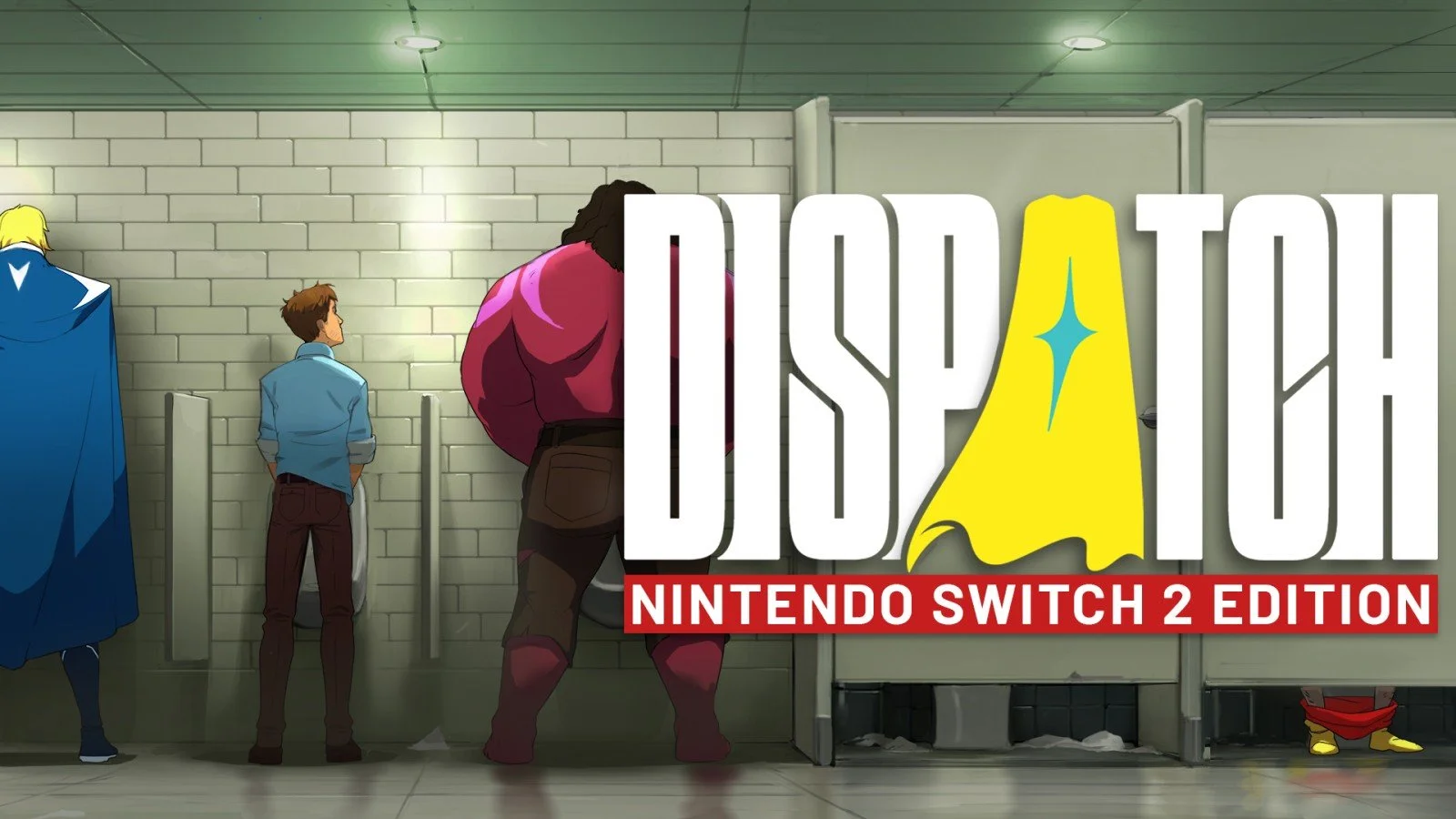
Per Eurogamer, the episodic superhero game Dispatch has undergone changes in its Switch release. The original version let you choose to display or censor elements like nudity as you pleased. The Switch version, though, removes that option and censors these elements by default. According to a statement made by the game’s studio AdHoc on Reddit, “Nintendo has content guidelines. Our game didn’t meet those guidelines, so we made changes that would allow us to release on their platform.”
It’s tempting to read this situation as yet another example of artistic censorship in the games industry, alongside Horses and the itch.io payment processor controversy. But the situation may be more complicated than that. VGC suggests that Japanese ratings board CERO’s strict policies regarding nudity, combined with the possibility that AdHoc might have released just one version of the game on the eShop rather than multiple versions with changes for international markets, may have forced AdHoc’s’s hand.
A notable example of this phenomenon is the Japanese eShop release of Cyberpunk 2077, which cut a lot of the game’s sexual imagery. It’s easy to infer that since CD Projekt is a much bigger team with more resources, including (at the time) its own worldwide online storefront, it is able to produce multiple versions of a product. AdHoc’s overnight success likely means that the team simply doesn’t have the manpower at the moment to work on region-specific releases.
Tomodachi Life: Living The Dream Includes Nonbinary Characters And Same Sex Relationships
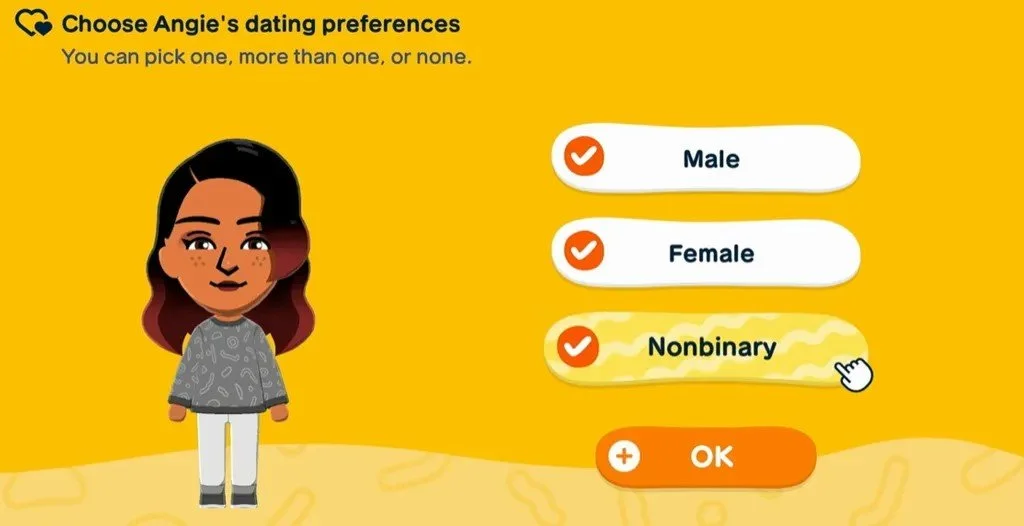
A Nintendo Direct for Tomodachi Life: Living the Dream, which aired on January 29th, revealed that this newest game in the series will not only allow you to create a nonbinary character, but also lets you set your preference for same sex relationships. Not only is this a first for the Tomodachi Collection series, but it also represents a break from Nintendo’s past status quo. Other games either featured at best paltry LGBTQ+ representation (as in the Fire Emblem series) or named gendered body types “styles” (Animal Crossing: New Horizons) or looks (Pokemon Scarlet and Violet) to avoid acknowledging sexuality or gender at all.
The previous Tomodachi Collection game, Tomodachi Life, was criticized by some for not including same sex relationships. When Tye Marini launched an online petition advocating that they be patched in an update or sequel, Nintendo responded that the company “never intended to make any form of social commentary with the launch of Tomodachi Life.” Following this, Nintendo made another statement that “if we create a next installment in the Tomodachi series, we will strive to design a game-play experience from the ground up that is more inclusive, and better represents all players.” It looks like Tomodachi Life: Living the Dream is on track to fulfill that promise.
“Dear Me, I was…” Finds New Life On Multiple Platforms
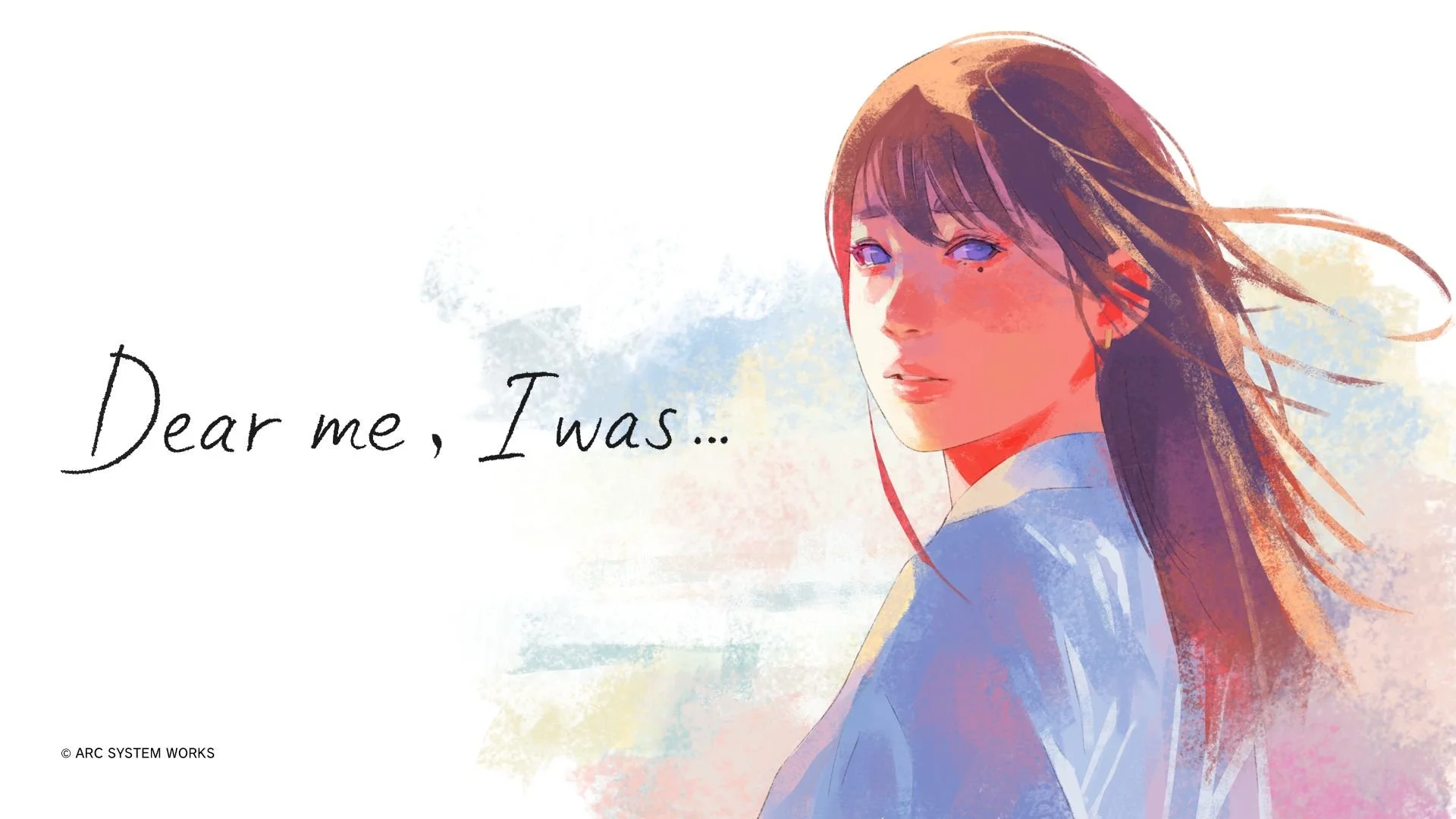
Per Arc System Works, the adventure game Dear Me, I was… (previously exclusive to the Switch 2) is now being published on Steam, iOS, Switch, and Android on February 12th, 2026. As previously mentioned on Update Patch, Dear Me, I was… reunited creative staff from Cing (Hotel Dusk: Room 215) for “a textless adventure game” that tells a story via rotoscoping. It was the most unique exclusive for the Switch 2 by far, although perhaps too specific to be appreciated by Nintendo’s audience. Now, thankfully, the game is much more accessible. I’m excited to finally experience it for myself!
Larian CEO Swen Vincke Yells At Cloud, Games Criticism
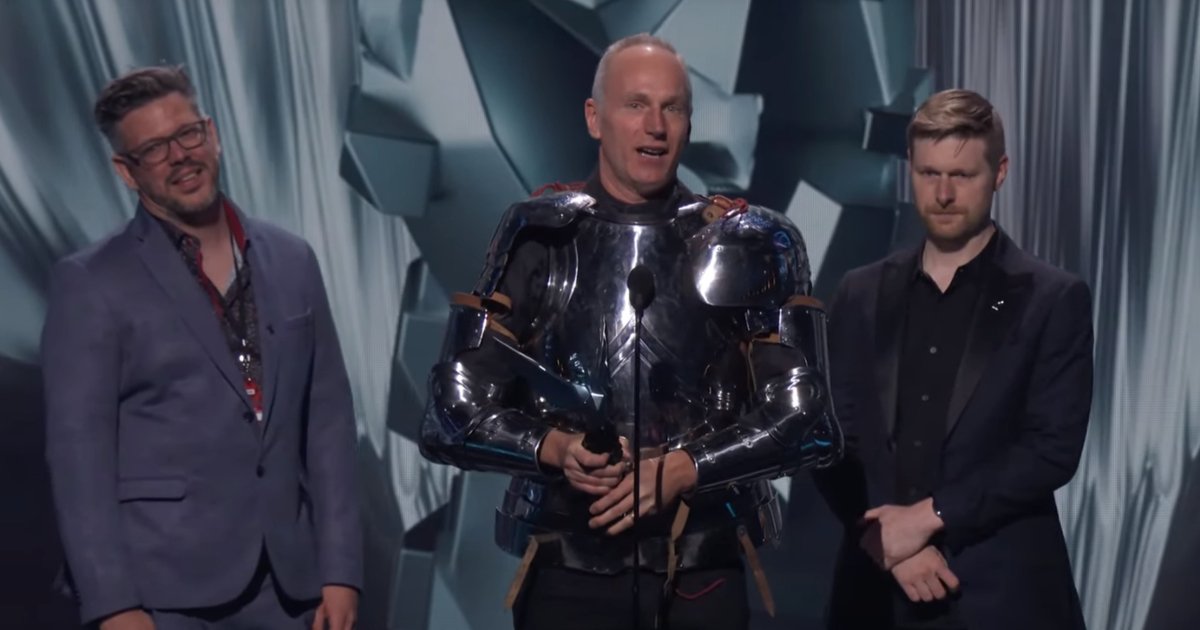
First, Larian CEO Swen Vincke came under fire for claiming in an interview with Jason Schreier that his studio was integrating generative AI into its workflows. Then multiple writers in the games industry came forward to blast the studio for its annoying, wasteful hiring practices. Now Vincke is in the news again for complaining about video game critics on X. Notably, he wrote that “sometimes I think it'd be a good idea for critics to be scored, Metacritic-style, based on how others evaluate their criticism.” (Vincke has since deleted the post, although the rest of the thread remains. You can read the full thread on Rock Paper Shotgun.)
Vincke’s words were of course, condemned by games journalists, including Jeff Gerstmann (“Try a couple decades of shitty emails…you’d fold in six months or less”) and Restart’s Imran Khan (“Does he not see the irony in that last sentence”). All I can say is, why is Vincke wasting his time on X? Larian developed one of the most critically acclaimed RPGs of the decade. He should go outside and touch grass instead of embarrassing his employees, several of whom were once game critics themselves. Don’t forget, as Harper Jay MacIntyre once wrote, that “games criticism is a kindness,” regardless of how annoying you might find the critics on social media.
Epstein Files Reveal Ties To Games Industry, 4chan, And More

On January 30th, the United States Justice Department released over three million pages documenting the correspondence of wealthy sex pest and human trafficker Jeffrey Epstein. While these files include some names that you might expect, like United States president Donald Trump’s, they also include several people from the games industry, including former Activision Blizzard CEO Bobby Kotick, former Rockstar North and current Build a Rocket Boy founder Leslie Benzies, and even 4chan founder Christopher Poole (aka moot).
It should be noted that just because somebody’s name is in the Epstein files does not necessarily mean that they were a part of his sex ring. That said, while much of the correspondence is censored, there are a few smoking guns here and there. For instance, we have correspondence from Epstein confirming that he met with Poole just a day after Poole launched 4chan’s /pol/ board, which became a haven for the far right in the United States. Game critics have been arguing for years whether Gamergate was the “canary in the coal mine” for the rise of American fascism or just one example of a broader cultural trend. These recent documents prove not just that Epstein was a gamer himself, but that online subculture is (for better or worse) key to modern United States politics.
Update Patch News Roundup (09/02/26)
This week on Update Patch, we have indie films, television, more generative AI shenanigans, and some nasty ongoing controversies. Plus Sonic the Hedgehog, because it wouldn’t be startmenu without a mention of the editor in chief’s favorite series, would it?
Nintendo Partner Direct Teases Upcoming Chills And Thrills
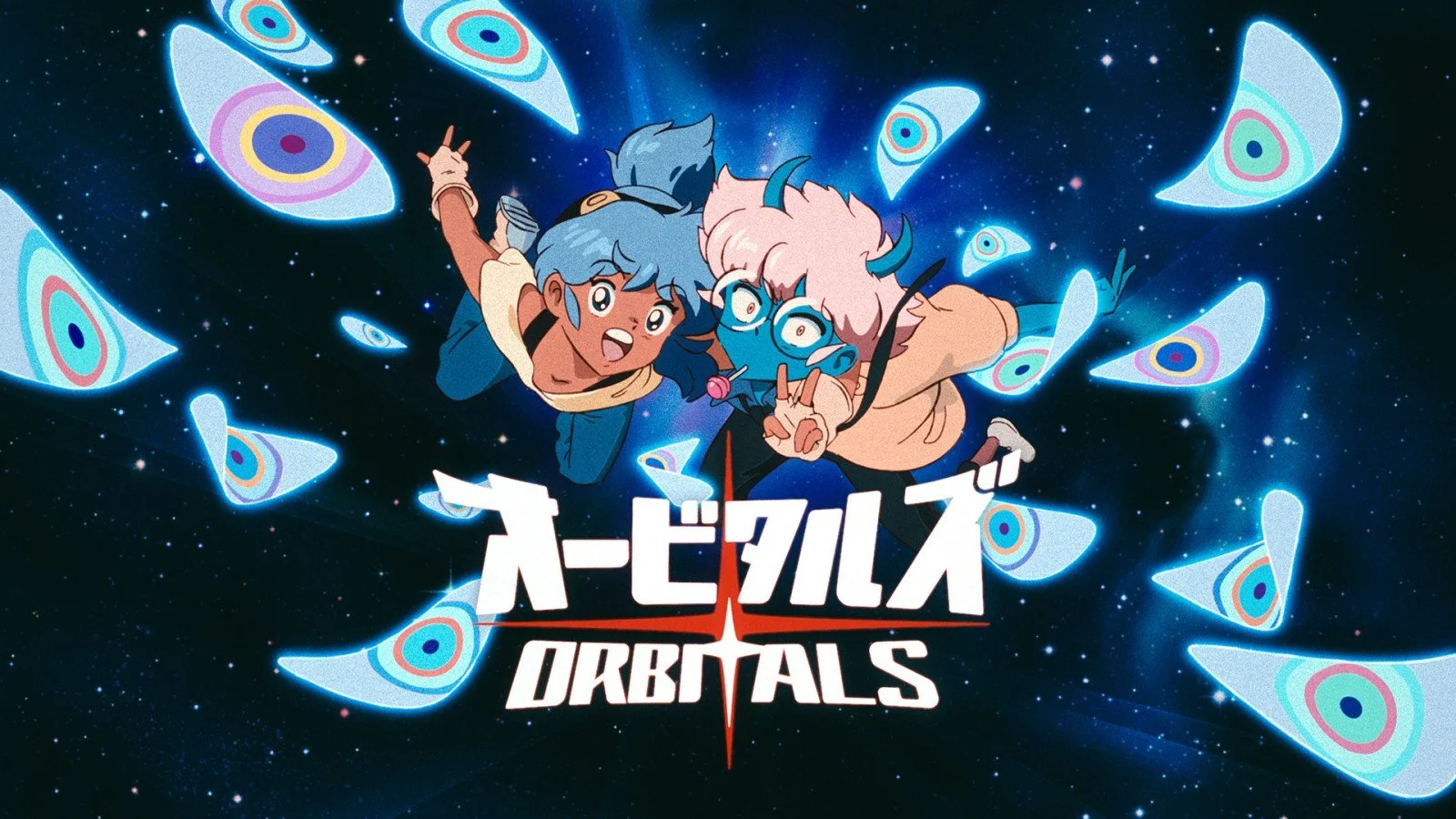
This week’s Nintendo Partner Direct saw a mix of new original titles (Orbitals), ports of upcoming games (Pragmata, Resident Evil Requiem), and collections of early classic deep cuts (Super Bomberman Collection, Console Archives), among others. For folks paying attention, there was even a revival of the Culdcept virtual board game series, with a brand new title (Culdcept Begins) and a remake (Culdcept the First) on the way.
Two new games in particular stood out to me. The first was Paranormasight: The Mermaid’s Curse, a sequel to 2023’s horror adventure game Paranormasight developed by Xeen. This new title pivots from urban legends to Japan’s mermaid myth, which previously inspired Rumiko Takahashi’s manga series Mermaid Forest as well as the 2003 PS2 horror title Siren. Writer Takanari Ishiyama previously developed mystery adventure games for cellphones, so he has plenty of experience iterating on past success; I’m excited to see how this new project turns out.
The second is Kyoto Xanadu, the successor to Nihon Falcom’s 2015 action RPG Tokyo Xanadu. That earlier game sought to combine the narrative of the Trails series with the action of Ys, to entertaining if conservative results. Kyoto Xanadu, though, adds 2D dungeons to the original game’s 3D battles, harkening back to the design of the original Xanadu for PC-8801. I’m very curious to see what else the game might borrow from Nihon Falcom’s history. (By the way, Falcom staff, if you’re reading this: please remaster and localize Sorcerian Original!)
Markiplier’s Iron Lung Surfaces To Unexpected Box Office Success
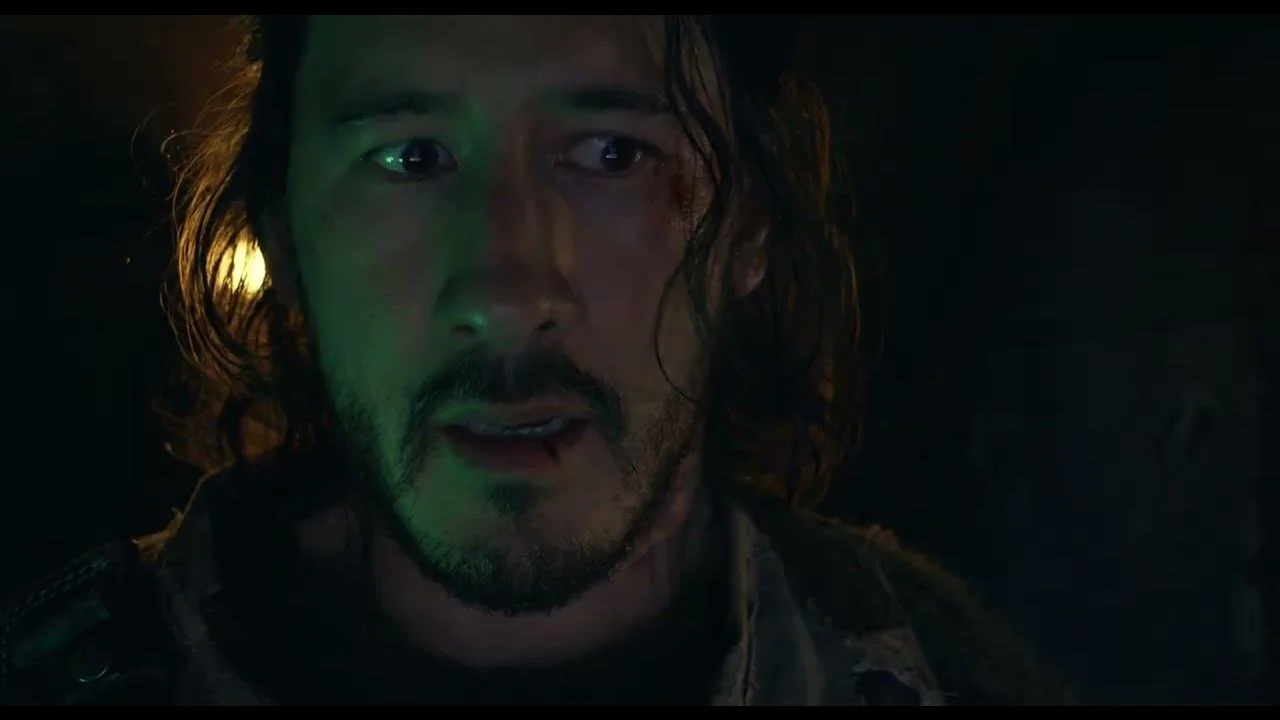
Per IGN, the horror film Iron Lung earned $21.5 million globally (with $17.88 million in the United States and $3.6 million abroad) in its opening weekend. Written and directed by YouTuber Mark “Markiplier” Fischbach and based on a game by Dusk’s David Szymanski, the film was produced by Fischbach for just $3 million and distributed by him as well. For comparison, Sam Raimi’s recent film Send Help earned $28.1 million for its weekend debut, but (according to Variety) cost $40 million to produce.
Iron Lung didn’t score great reviews from film critics, with a 59% at Rotten Tomatoes. But as a film made and distributed by a YouTuber and based on an independent game exponentially smaller than other titles adapted into films like Super Mario Bros. or The Last of Us, it’s an impressive showing. While Hollywood is inevitably asking, “What YouTuber will take the leap into horror next?” I can’t help but wonder what other indie titles might one day be adapted to film. Is it too much to ask for an animated Anthology of the Killer series?
Baldur’s Gate 3 Adapted To Television By Craig Mazin, Hasbro
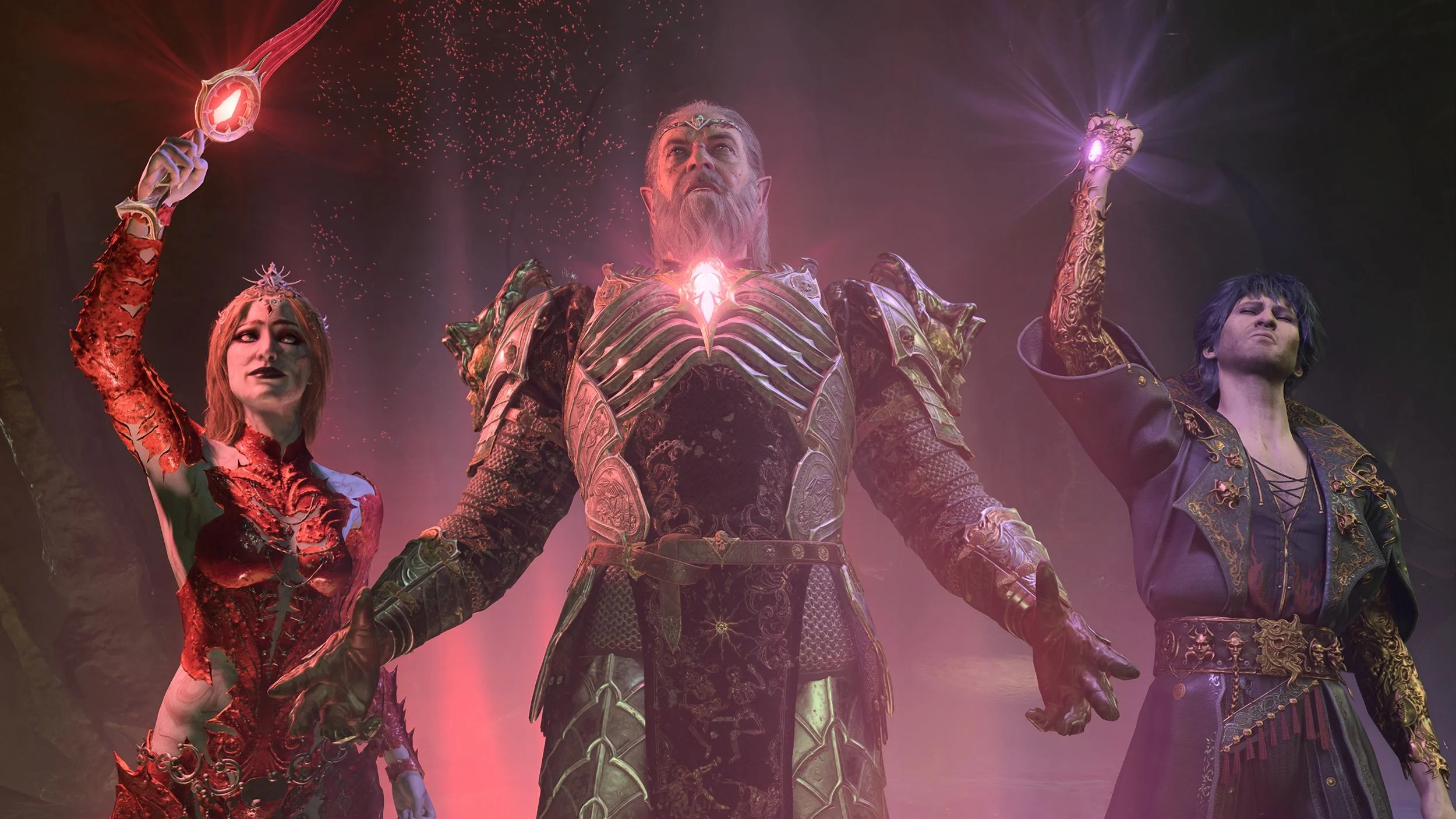
According to Deadline, TV showrunner Craig Mazin (The Last of Us, Chernobyl) is adapting Larian’s 2023 role-playing megahit Baldur’s Gate 3 into a television series together with Hasbro Entertainment. Rather than a direct adaptation of the game, it will be a sequel, following old and new characters as they pick up the pieces following the battle with the Netherbrain. Deadline further specifies that this new series “draws deeply from the source material of Baldur’s Gate 3…and not so much from the first two games, which are not official source material.” In other words, don’t expect any exploding ogres or annoying Noobers from this one, folks.
Despite its mechanical complexity and hardware requirements, Baldur’s Gate 3 became a commercial success thanks to its excellent graphics and charismatic characters. That said, since Larian cut ties with Hasbro in 2024, and this new television series is a Hasbro project, it’s unlikely that the folks who brought Shadowheart, Astarion, and Gale to life will have any influence over this new series. As games writer Anna C. Webster said this week on Bluesky: “It shouldn’t be lost on us that games being turned into TV is essentially harvesting the stories written by those who don’t have union representation or healthcare with WGA by those that do.”
Per Suda51, NetEase Told Their Studios Not To Use Gen AI—Or Did It?
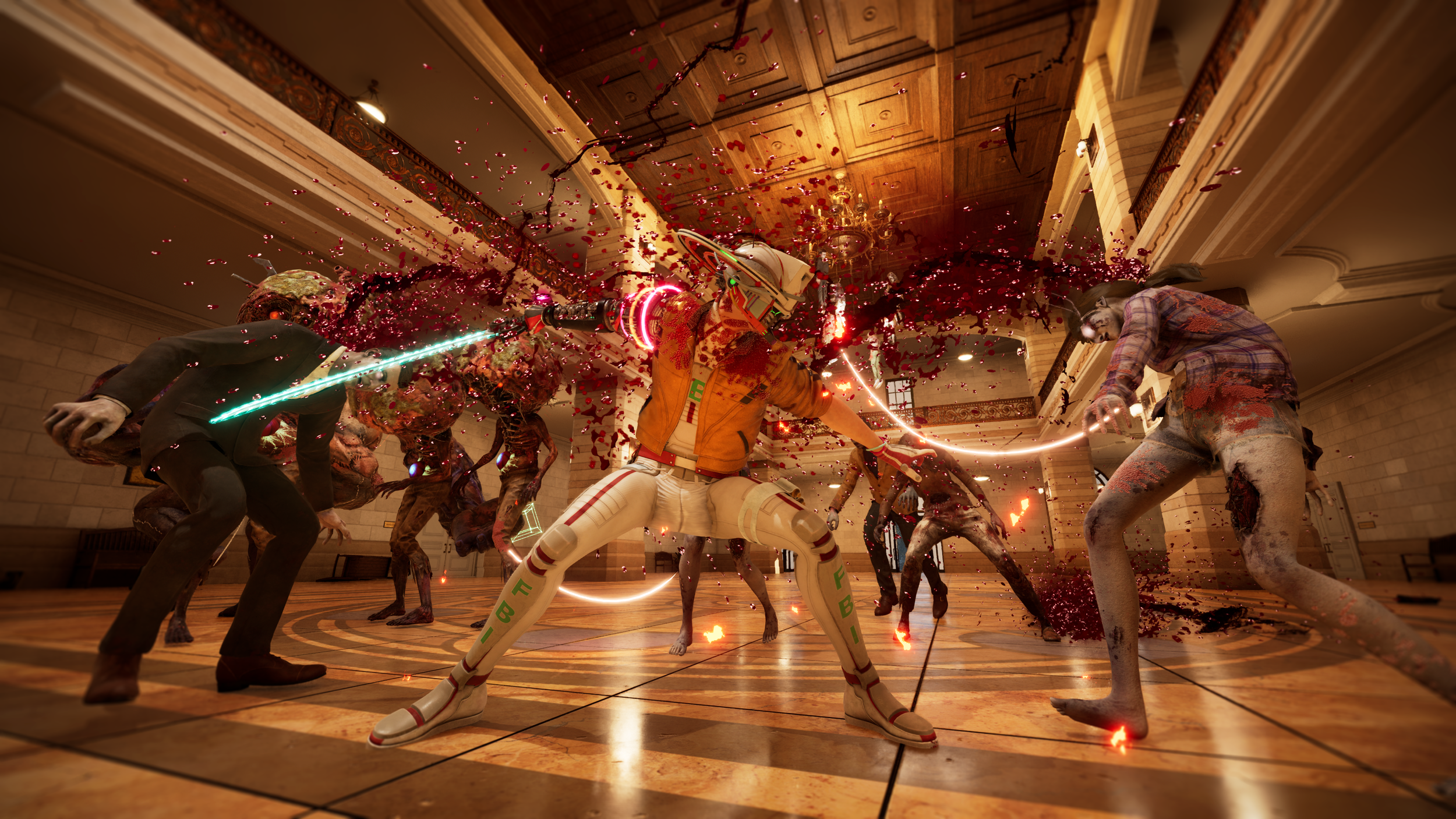
In an interview with Eurogamer, game director Suda51 (Killer7) confirmed that his team at Grasshopper Manufacture Inc. did not use generative AI during the production of its new game, Romeo is a Dead Man. Additionally, he is quoted saying that even parent company NetEase has lost interest in generative AI. “They originally had a section researching and developing AI-related stuff,” he said, “but at one point they decided not to do that any more. They folded that section and told their studios to not use AI in games, to not use it at all.”
This was a significant enough statement that Eurogamer published it as a separate article. It is, however, incorrect. Daniel Ahmad, director of Niko Partners, confirmed over X that “NetEase has openly used GenAI in its games and announced GenAI-related features as recently as this month.” Meanwhile, NetEase itself followed up (per Insider Gaming), claiming that “the situation described did not occur, and we have not published any related policies.” Is NetEase lying, or was Suda quoted out of context? To me, this story hammers home just how much contradictory information is out there about generative AI.
Sony Patents “LLM-Based Generative Podcasts For Gamers”

Also on the note of generative AI, VGC reported on a recent patent by Sony titled “LLM-Based Generative Podcasts for Gamers.” Invented by Jason Grimm, Alex Paiz, and Yuhei Taki, the patent describes technology “programmed with instructions to execute a large language model (LLM) to identify data associated with a video game player's profile. Based on the identification, the [technology] is also programmed with instructions to generate a podcast of news related to the data, with the podcast presenting the news in the voice of a video game character of a video game played by the video game player.” This podcast “may also include video showing the video game character discussing the news.”
The appeal of this technology, according to the patent, rests on the idea that “video game platforms currently lack the ability to provide unique and targeted content to gamers.” The generative AI system would create audio and video files tailored to each user. Of course, that would require access to the user’s profile, and thus their data. Whether or not generative AI is capable at this moment of producing high-quality audio or video material, it is worth thinking through just how each of us has been enticed to exchange privacy for convenience.
Build a Rocket Boy Co-CEO Says He’s “Caught The Guys Who’ve Been Sabotaging MindsEye”
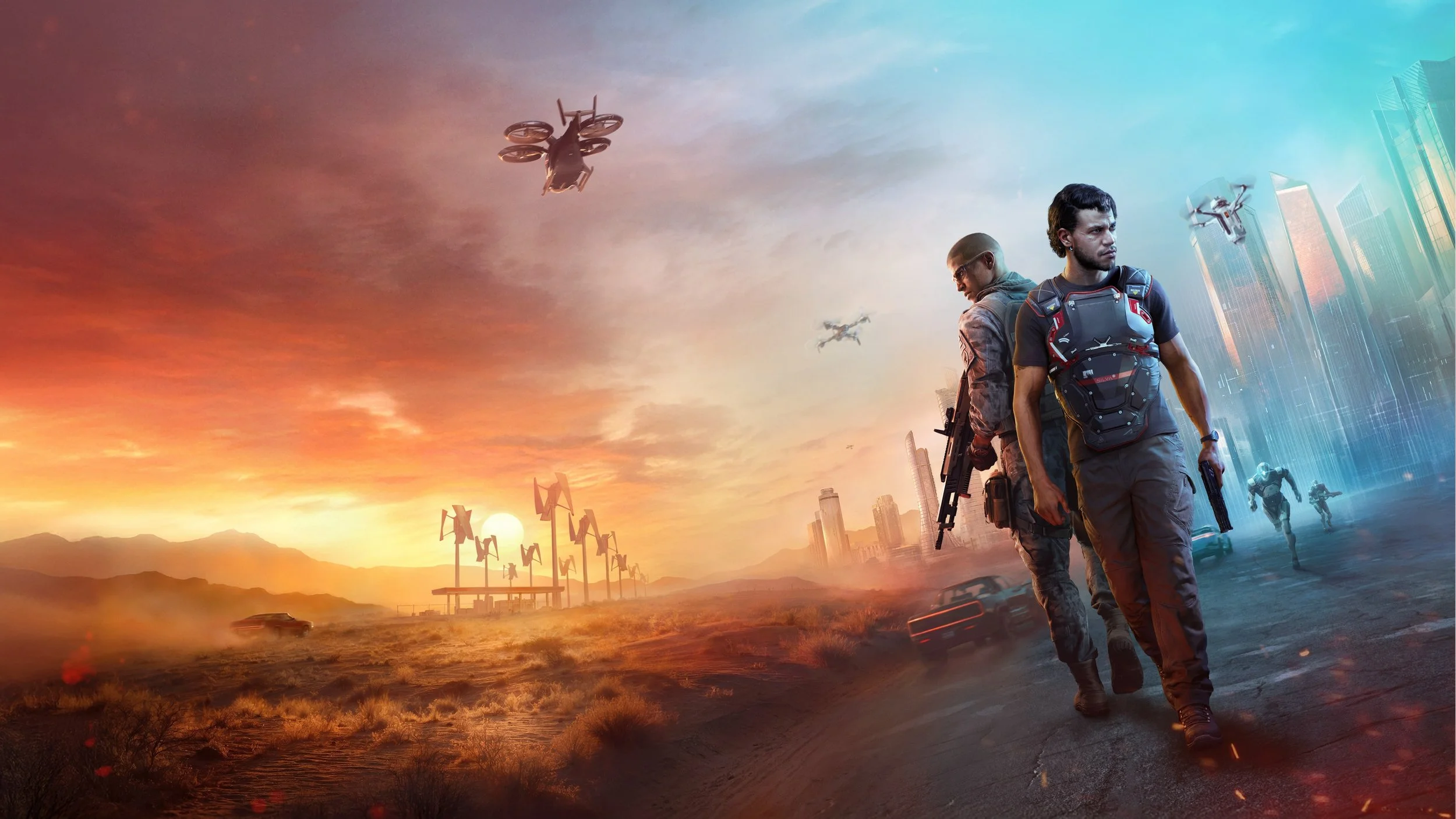
Ardent followers of MindsEye, Phil Salvador’s 2025 game of the year, may recall Build a Rocket Boy co-CEO Mark Gerhard alleging before the game’s release and via its Discord (as caught by VG247) that “there is a concerted effort by some people that don’t want to see [our game] to be successful that are making a concerted effort to trash the game and the studio.” IGN then published a report after MindsEye’s debut saying that within the company, co-CEO Leslie Benzies had blamed the game’s struggles “on internal and external saboteurs.”
Now, Inside Gaming reports that Mark Gerhard announced via an internal meeting that they have “caught the guys who’ve been sabotaging MindsEye.” He claimed that “a very big American company” paid the influencer management company Ritual Network “over €1 million” to “harm MindsEye and Build a Rocket Boy’s reputation.”
Gerhard said that the individuals responsible “will all be served in person, criminal complaints, shortly,” for “espionage, sabotage, and criminal interference.” Additionally, “we will use these people, these names, and these facts for our own fun. We’re gonna put some of these names into our upcoming spy mission.” The spy mission in question (says Insider Gaming) began life as a Hitman mission conceived before Build a Rocket Boy cut ties with IOI Partners last January. Does this mean the next MindsEye update will allow the player to assassinate the studio’s presumed enemies? I’ll be waiting on pins and needles to find out.
RGG Studio Explains Why They Cast Teruyuki Kagawa: “This Guy’s a Creep”
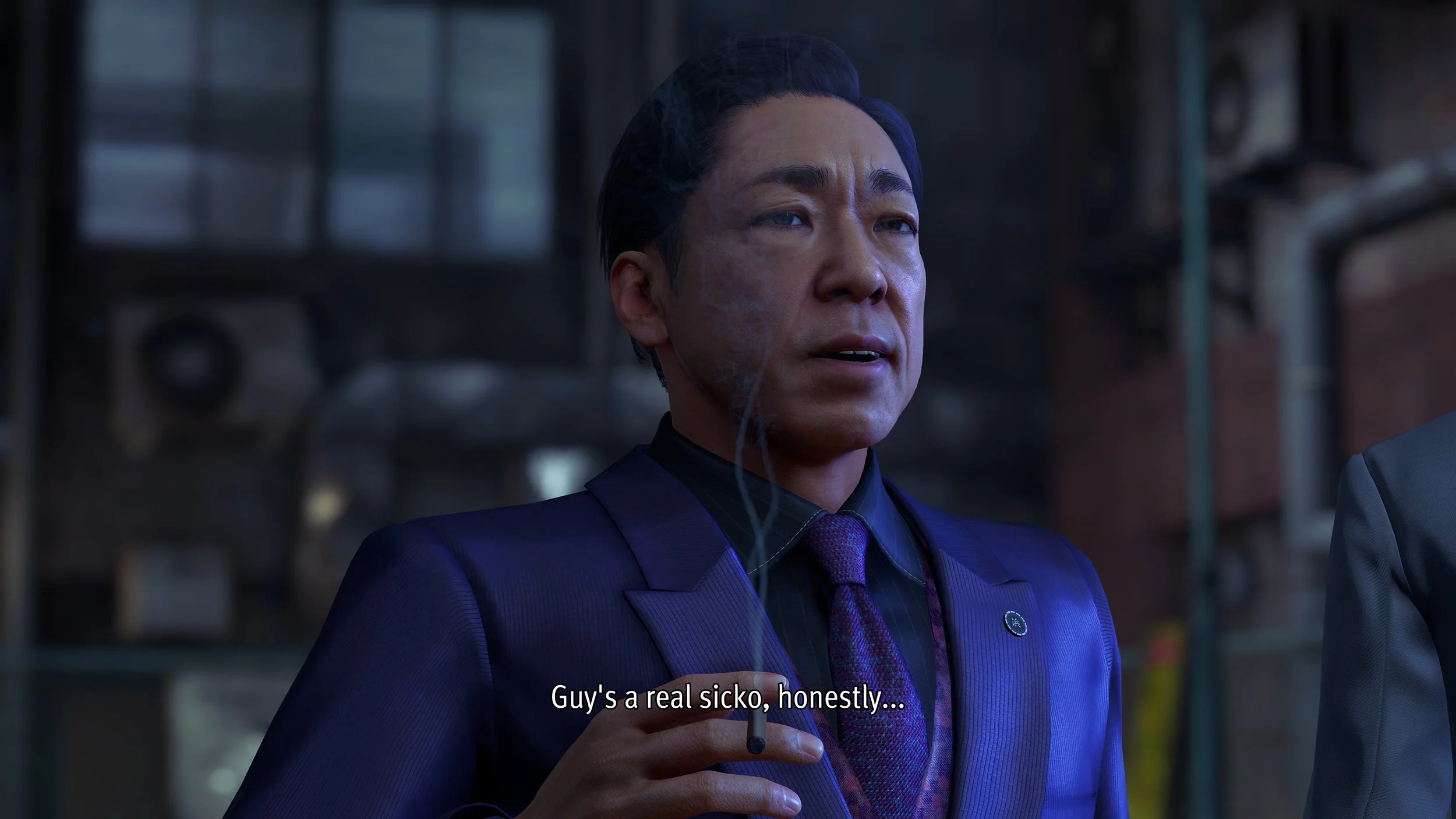
RGG Studio, the developers behind the Yakuza Like a Dragon series, have come under fire lately for hiring actor Teruyuki Kagawa to play Goh Hamazaki in the soon-to-be-released Yakuza 3 Kiwami & Dark Ties. Kagawa previously (per The Straits Times) “committed indecent acts against a bar hostess in Tokyo’s Ginza district in July 2019.” (Kagawa later apologized when the incident was reported by Shukan Shincho in 2022.)
Now, says IGN, the game’s director, Ryosuke Horii, has gone on record in an interview with GAME WATCH regarding why they hired Kagawa to play the role. “When we tried to think of someone who makes you go, ‘This guy's a creep,’ naturally it was Kagawa,” he said. “Even when he's chopping a pig's feet off with a chef's knife, it has a slimy feel.” The implication is that, whether or not Kagawa is a bad person, he is good at playing a bad person, which is what matters to Horii.
RGG Studio previously recast Pierre Taki in the role of Kyohei Hamura in its 2018 title Judgement after Taki was arrested for cocaine use. It is therefore significant that the studio has chosen to retain Kagawa despite the hashtag #REMOVEKAGAWA gaining traction on social media abroad. Other signs of fan discontent include a popular Change.org petition, as well as prolific guide writer CyricZ’s refusal last December to create a guide for the upcoming game.
It doesn’t help matters in this case that Horii has directed multiple recent Yakuza titles, including Like a Dragon and its sequel Infinite Wealth. This incident cuts to the bone of the franchise’s long-running misogyny problem; it’s unlikely to be resolved any time soon.
Sonic R&R Slows Down A Speedy Classic

Can you feel the sunshine? Does it brighten up your day? Don’t you feel that sometimes you just need to run away? As in, you’re playing a racing game, and you want to take it slow, but you can’t because you have a race to win. Well, worry no more. Sonic R: The R&R Mod, released on SegaXtreme by bbayles, modifies the venerable Sega Saturn racer Sonic R so that you have unlimited time to finish each of its five courses. Now you can fly around at the speed of sound at your leisure! bbayles also patched in more convenient controls, as well as the ability to keep any chaos emeralds you find without needing to finish the race in first place.
Update Patch News Roundup (16/02/26)
Highguard Developer Wildlight Entertainment Lays Off Staff
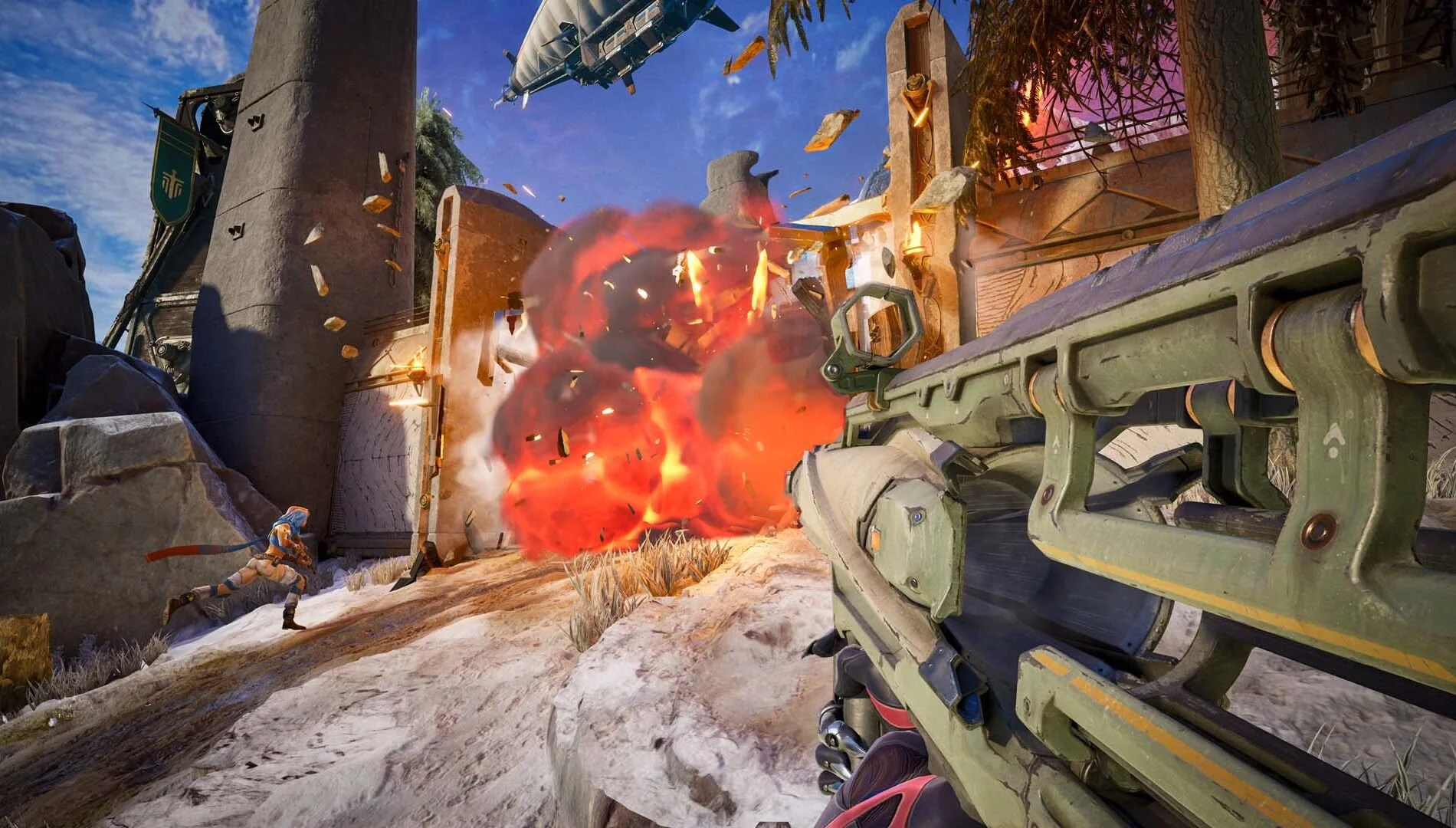
Less than a month after the January 26th release of Highguard, the player-versus-player raid shooter first announced last December at The Game Awards 2025, level designer Alex Graner announced via LinkedIn that he had been laid off “along with most of the team” from development studio Wildlight Entertainment. (Other affected team members include Alex Ackerman, Derek Bentley, and Josh Sobel.) Wildlight confirmed in a statement to Kotaku that “today we made an incredibly difficult decision to part ways with a number of our team members while keeping a core group of developers to continue innovating on and supporting the game.”
Highguard launched to over 90,000 players before falling to less than 5,000 over the past few days. Despite this, lead designer Mohammad Alavi told press (via PC Gamer) that “we don't need [player counts] to be super huge in order to be successful…what we're really hoping for is a core group of fans that love us. That will allow us to grow.” That might very well have happened, had Wildlight waited longer than just a month before laying off its staff. Instead, we have (says the game’s early champion Geoff Keighley) “an unfortunate, brutal and sad outcome...”
Riot Games Lays Off Nearly Half of 2XKO Staff
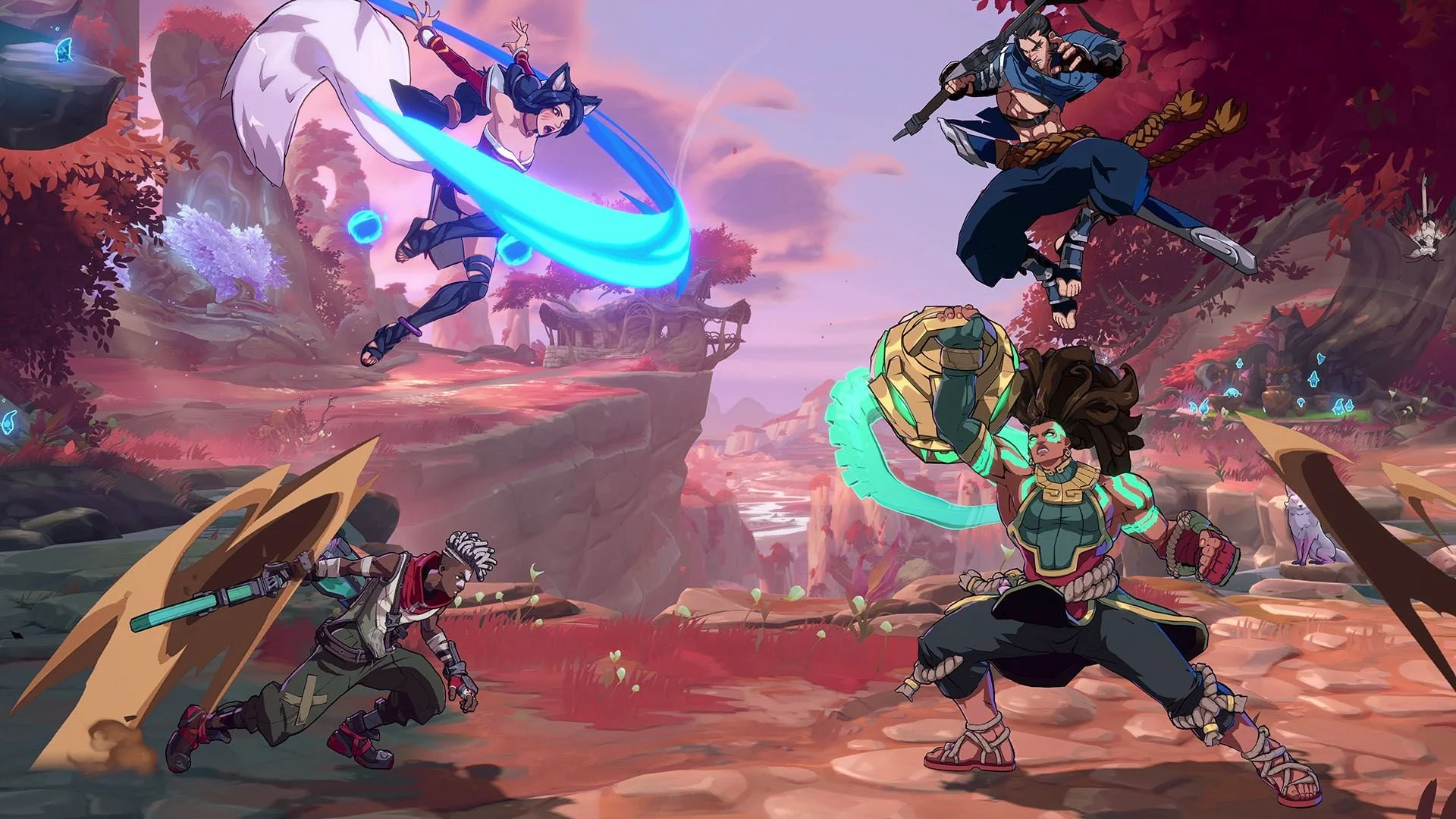
Tom Cannon at Riot Games announced via a blog post that the studio is letting go of multiple staff members involved with its free-to-play 2v2 fighting game 2XKO. While the game “resonated with a passionate core audience,” he wrote, “overall momentum hasn’t reached the level needed to support a team of this size long term.” According to PC Gamer, 80 people were affected, with some able to apply to other jobs within the company. That is “a little less than half the total 2XKO dev team.” This is Riot’s biggest layoff since the studio closed its label Riot Forge and fired 530 people in 2024.
Cannon pledged that “the people who helped ship 2XKO poured years of creativity, care, and belief into this game.” Despite this fact, former employee Patrick Miller noted on Bluesky that after working for over a decade at Riot, “I got laid off with 30min notice.” Still, he wrote that “I'm extremely proud of the work we've done on 2XKO and have nothing but the best wishes for those who remain.
GTFO Developer 10 Chambers Lays Off Staff in Preparation for Den of Wolves
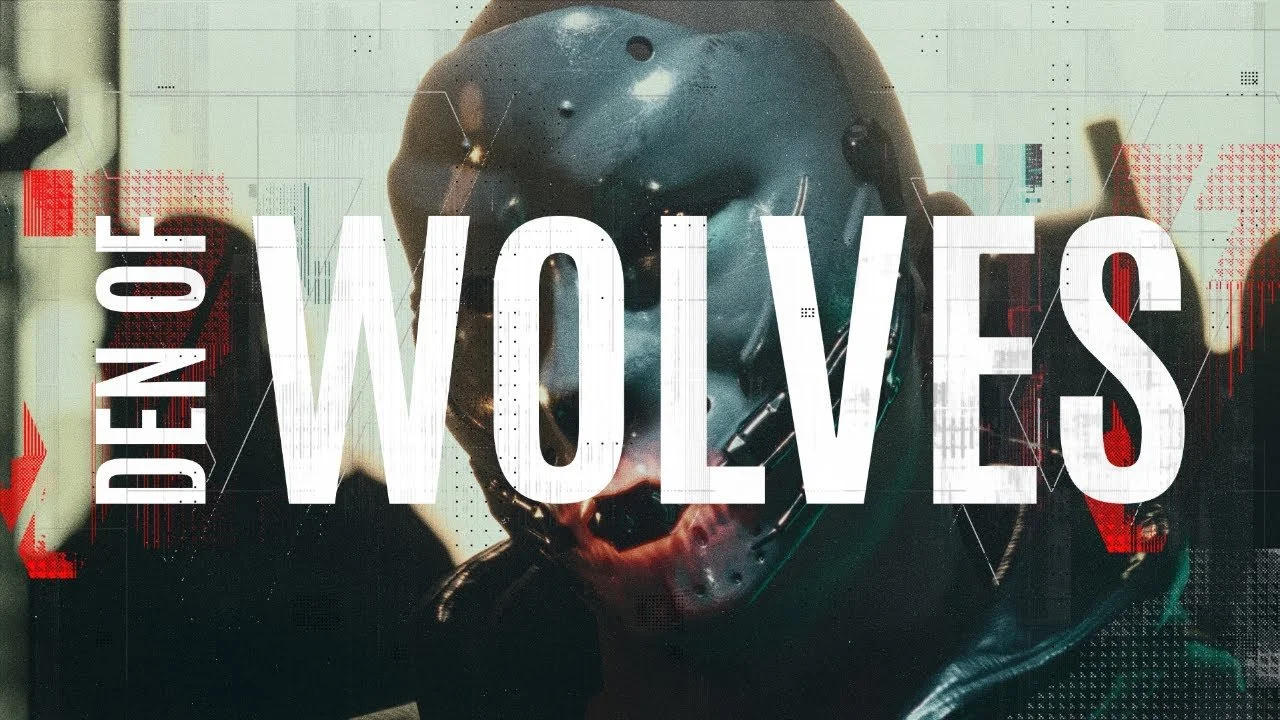
Per GameDeveloper, GTFO developer 10 Chambers laid off staff following a “recent restructure” at the studio. This announcement was made a week after co-founder and chief development officer Hjalmar Vikström departed the studio. “I’m proud of how we managed to punch above our weight and deliver GTFO,” he said. “Next up for me is going indie - making way smaller games, focusing on health and family, and just enjoying game development.”
10 Chambers is currently developing GTFO’s successor, the cooperative heist FPS Den of Wolves. “We’re taking a hard look at how we work and how the studio is set up,” said a spokesperson to GameDeveloper, “so Den of Wolves can become the game it deserves to be. This unfortunately means a significant restructuring of the studio, impacting a large number of roles, including several of the studio’s co-founders…"
Former Sega President and Console Hardware Designer Hideki Sato Passes Away
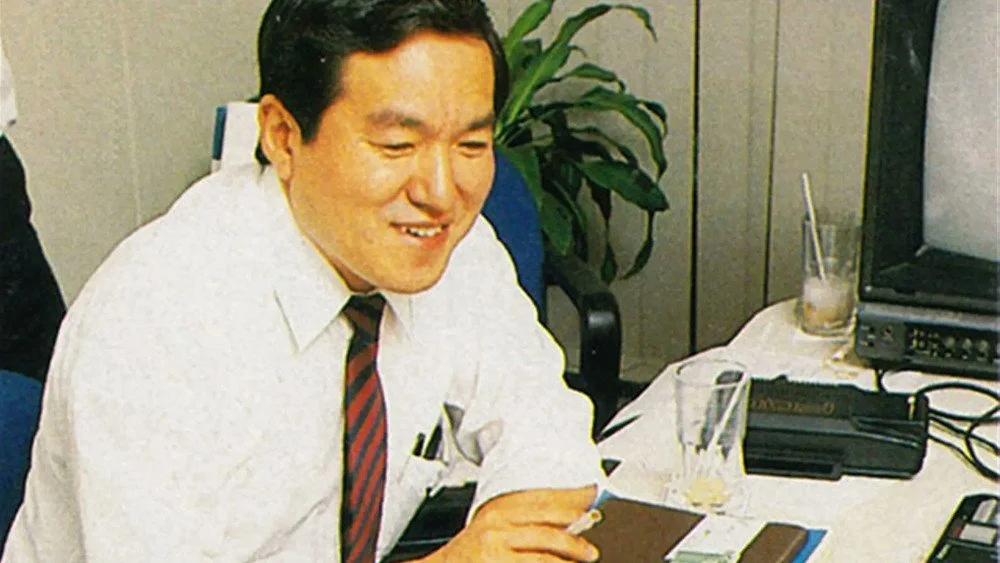
GSK, of the interview and feature translation site shmuplations, reported that per the online Sega zine Beep21, console hardware designer Hideki Sato passed away on February 13th at the age of 77. Born in 1950, Sato (per Sega-16) joined Sega in 1971 and rose through the ranks to become Director and Deputy General Manager of R&D. He was instrumental in the development of the Sega Genesis, particularly for choosing the System 16 arcade board as its base. Sato kept contributing to console releases through the Dreamcast in 2001, at which point he became president until Sega was acquired by Sammy Corporation in 2004. For further information, I recommend “The History of Sega Hardware,” narrated by Sato and translated by shmuplations.
Remedy Entertainment Board of Directors Chooses Jean-Charles Gaudechon as New CEO
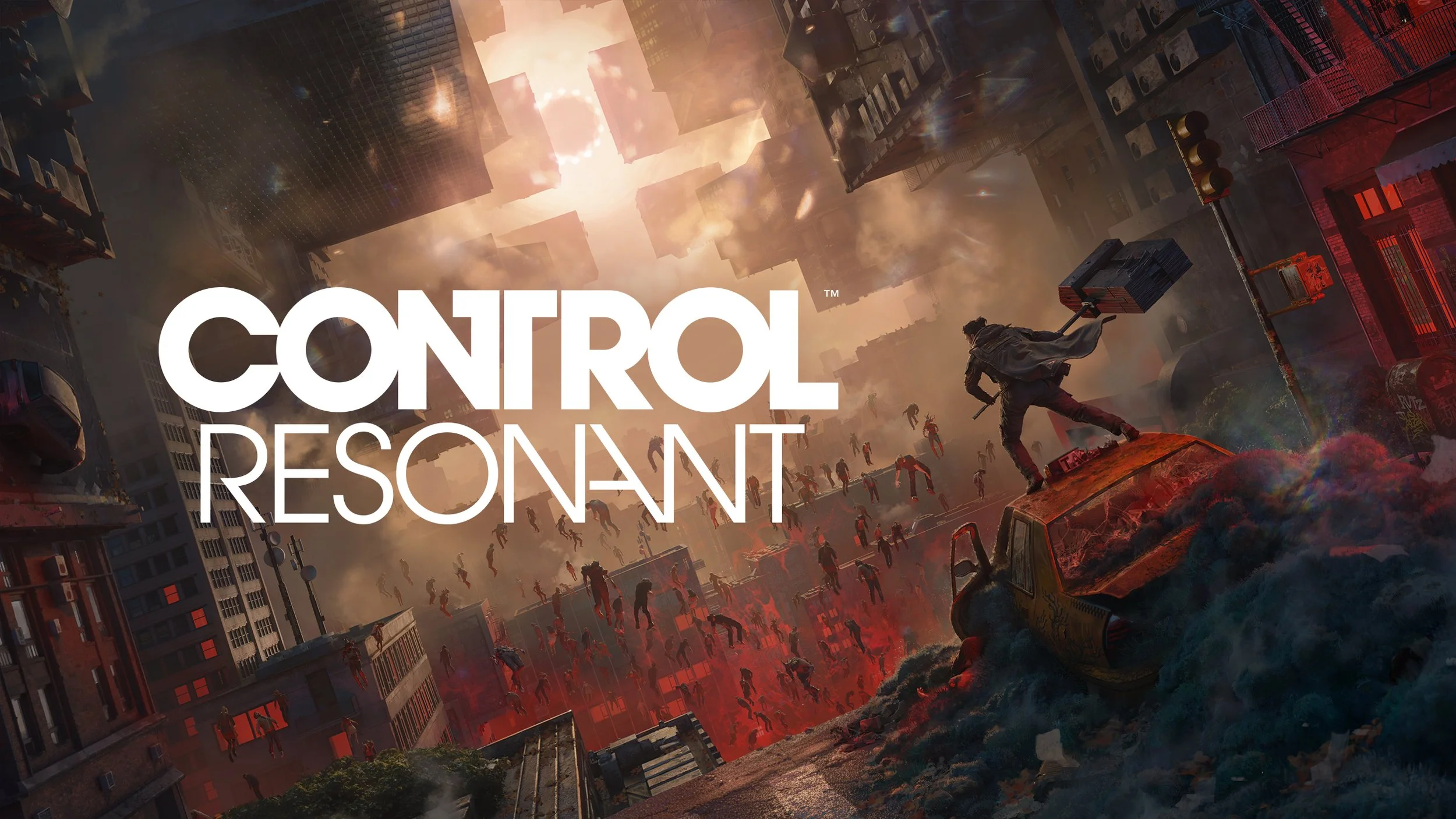
Remedy Entertainment’s Board of Directors announced that the company has found its new CEO: Jean-Charles Gaudechon. His previous experience includes (per his LinkedIn) heading Electronic Arts’s free-to-play studio, where he shaped “live-service and F2P practices later adopted across EA.” Gaudechon has also worked for two years as SVP & GM at sports betting platforms OneFootball and Sleeper. Board of Directors Chairman Henri Österlund said he expects Gaudechon’s leadership “to significantly accelerate growth, guide Remedy towards greater independence through self-publishing, and deliver sustained value to our players, partners, and shareholders.”
Remedy’s former CEO, Tero Virtala, stepped down in 2025 following the commercial failure of the studio’s multiplayer shooter FBC: Firebreak. Previously, in 2024, the studio made a deal with Annapurna Pictures to provide 50% of development costs for the upcoming Control Resonant, as well as options for film and television based on previous titles Control and Alan Wake. Remedy entered into a $17 million loan agreement with Tencent that same year.
Discord Will Require Age Verification Starting in March

Popular chat software Discord announced on February 9th that it will require age verification from users on a rolling basis starting this March. Users will be required to submit video selfies via their device to set their age group. Channels with adult content will be age-gated; new and existing users “will have a teen-appropriate experience by default.” Discord Head of Product Policy Savannah Badalich says that “rolling out teen-by-default settings globally builds on Discord’s existing safety architecture, giving teens strong protections while allowing verified adults flexibility.”
This move by Discord drew immediate controversy across the internet. First, for how it ties into the global effort to ban social media for teenagers, block adult content, and penalize sites for selling and/or distributing adult content. Second, because Discord recently leaked private user data to a third party in October of 2025. Even if Discord claims that “identity documents submitted to our vendor partners will be deleted quickly,” it’s an open question whether the company should even be trusted with selfies of children, presumably taken for age verification to work.
Discord followed up on February 10th to clarify that its software “is not requiring everyone to complete a face scan or upload an ID…for the majority of adult users, we will be able to confirm your age group using information we already have.” But the story continues to evolve; on February 14th, PC Gamer reported that “Discord has informed some users in the UK they may be part of "an experiment" with Persona, an age verification vendor whose investors include Peter Thiel, co-founder of ICE's premier surveillance provider, Palantir.” When Kotaku asked for comment, a Discord representative claimed that “its work with Persona was part of a ‘limited test’ which has since been concluded.”
Queer Games Bundle Wraps Up After Five Years

Game developers Taylor McCue and nilson carroll, as well as writer Caroline Delbert, announced in an itch blog post that they are ending the site’s yearly Queer Games Bundle. “The labor needed to sustain the bundle has become unsustainable,” said McCue. “Each year the bundle has more people, which means it takes more work but earns less money.”
Despite this fact, all three asserted the importance of queer art. Says McCue: “there is no Queer Future that can exist if we aren’t funding our own people…If you’re reading this, please please please consider continuing our work funding queer art through organizing bundles.” Says carroll: “Now more than ever, I believe in the perseverance of our various communities, artist collectives, queer organizations, found families, and DIY circles.” Delbert quoted prison abolitionist Mariame Kaba:“"If I’m making my stand in the world and that benefits my particular community of people…and I see them benefiting by my labor, I feel good about that.”
The Queer Games Bundle was founded five years ago by Taylor McCue and nilson carroll, and previously ran through June, or Pride Month. (Its 2025 iteration was delayed a month into July.) While it may be gone for now, other organizations like the Queer Halloween Stories Bundle are looking to help fill the gap. A recent update to the itch blog also linked Delbert’s reply, encouraging fans of the bundle to join together and start their own project using whatever skills they possess.
Custom Robo Creator Develops Mukuro no Rasen at Matrix Software
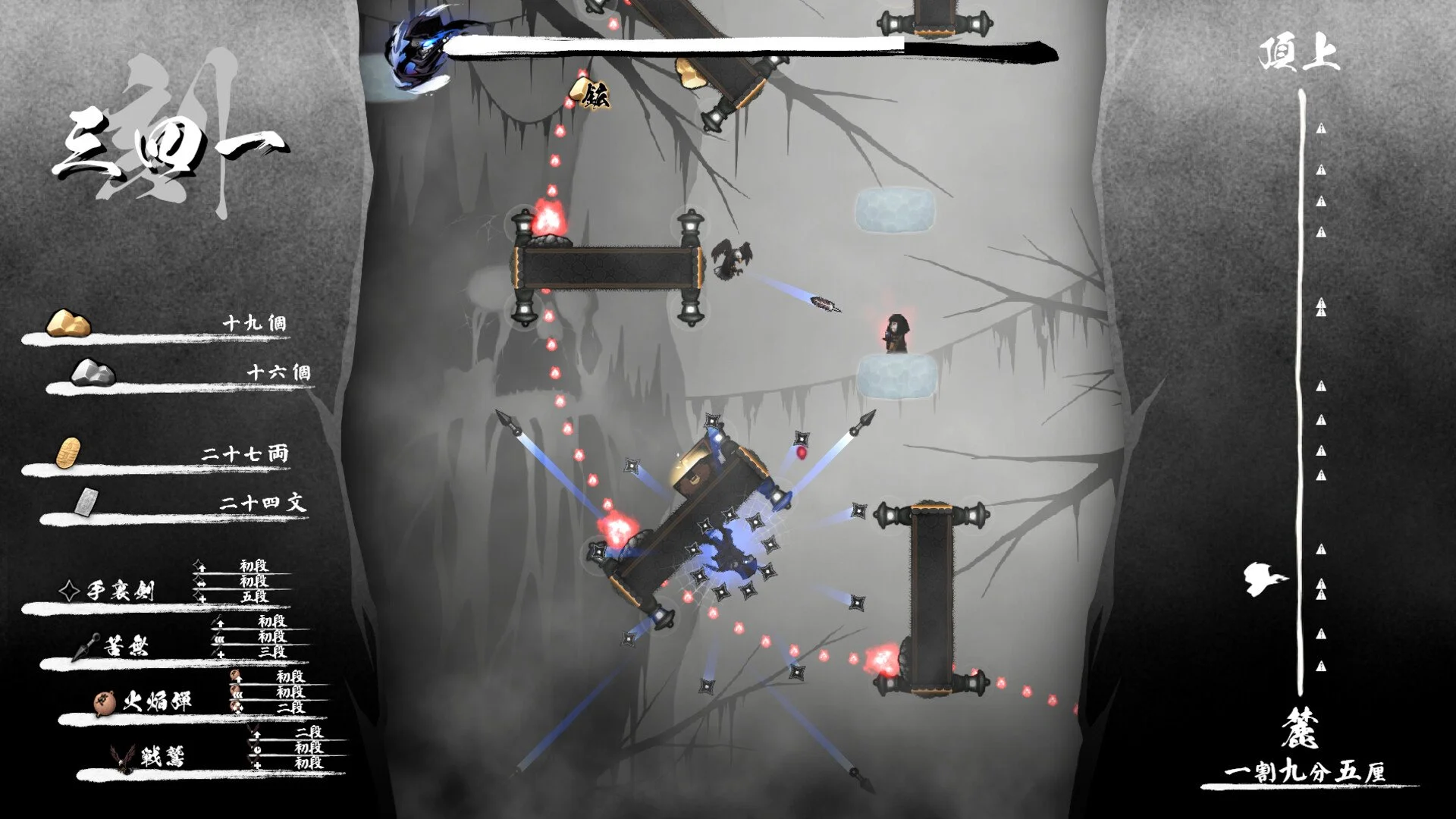
On February 12th, Matrix Software published the one-button action game Mukuro no Rasen. The game was developed by Kohji Kenjoh, the creative mind behind the Custom Robo series of arena fighter RPGs. It also features music by Norihiko “Nakayama Raiden” Furukawa (of Taito house band ZUNTATA) and Sean Bialo (Donut Dodo).
Previously, Matrix Software released SAKA-DOH: The Reversal Arts, this time developed by ex-Taito developer Kenji Kaido and once again featuring music by Nakayama Raiden. That game, though, features (per the Steam page) “images reconstructed as pixel art using AI-generated images.” Mukuro no Rasen does not have that warning. While the involvement of generative AI makes me nervous, I am curious to see just how many other old-school Japanese developers Matrix Software might be able to rope in for these small-scale independent projects.
Also, There Was the Sony State of Play
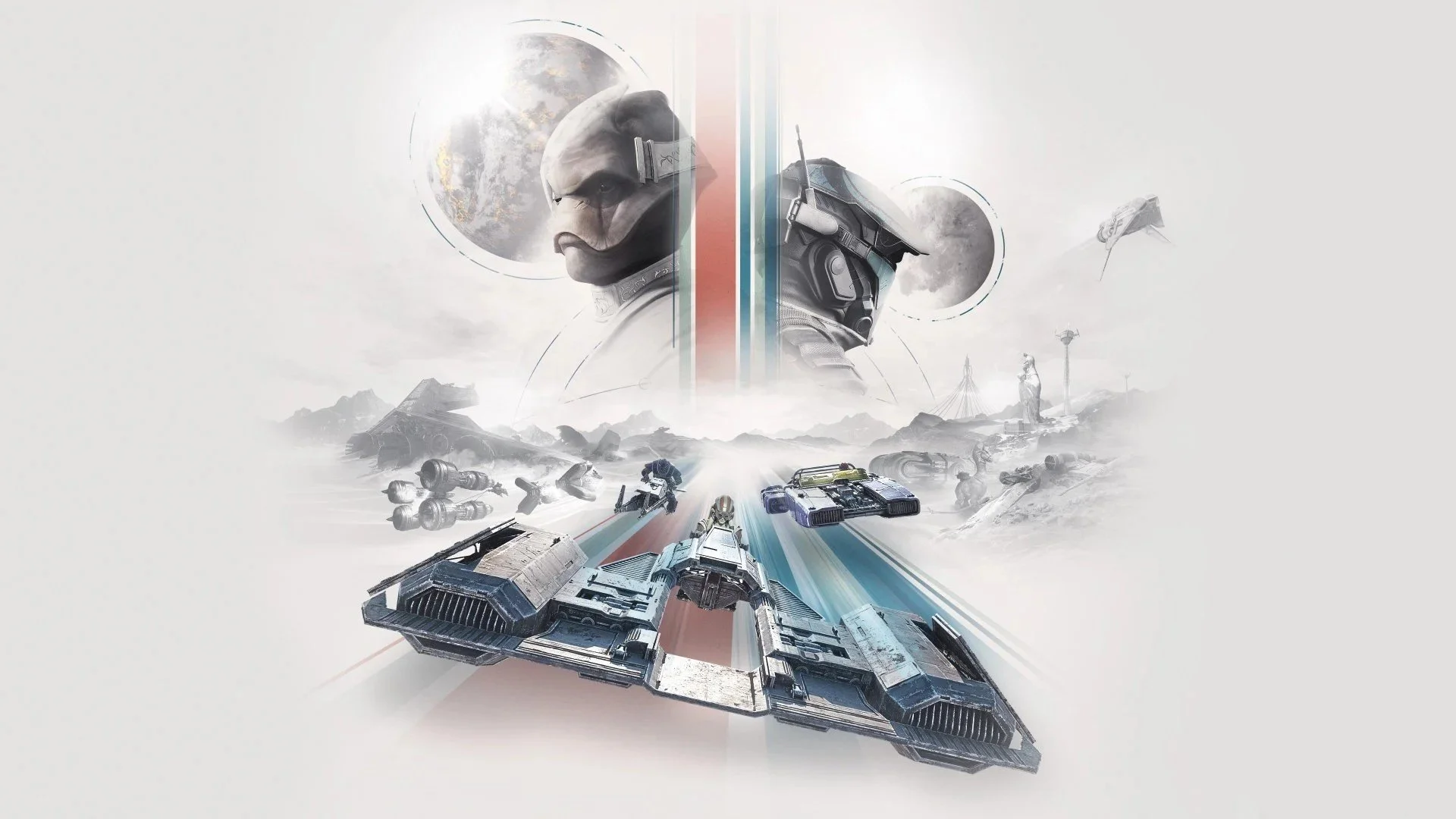
The Sony State of Play on February 12th saw the debut of multiple new trailers and announcements for up-and-coming games across genres. Some include a remastered version of Legacy of Kain: Defiance, the climax of the Legacy of Kain series, with bonus content from a cancelled sequel; Brigandine: Abyss, a successor to the cult classic 1998 strategy game now led by Sengoku BASARA director Makoto Yamamoto; Kena: Scars of Kosmora, the sequel to action-adventure game Kena: Bridge of Spirits; and a new DEAD OR ALIVE fighting game to celebrate the franchise’s 30th anniversary.
Sony Santa Monica Studios also announced two new projects in the God of War series. The first, a remake of the original God of War trilogy, is still early in development. The second, God of War Sons of Sparta, is a 2D action platformer co-developed with Mega Cat Studios (Bite the Bullet) that features gritty series hero Kratos as a teenage boy.
Also, Konami Was at the Sony State of Play

After a long dry spell following the 2015 release of Metal Gear Solid V: The Phantom Pain, Konami came to the Sony State of Play ready to prove that it is a part of the video game industry again–or at least, that it is publishing video games. Aside from announcing a new collection of Metal Gear Solid games (including Metal Gear Solid IV, which has previously never been available on any platform other than the PS3) and teasing the upcoming release of promising platformer Darwin’s Paradox!, Konami revealed three particularly notable projects. One is Rev:NOiR, an action role-playing game developed in collaboration with studio ILCA (Pokemon Brilliant Diamond and Shining Pearl.) While the game appears to still be early in development, it is significant as a Konami-published game not tied to any of their legacy series.
Another is Castlevania: Belmont’s Curse. Developed by Evil Empire and advised by its parent Motion Twin (Dead Cells), it is a 2D platformer starring a female character wielding a whip through expansive levels. Per an announcement by the “Castlevania series Production Team,” this game is to be just the first of “numerous new products around Castlevania.” I’m curious to see how this title will stand up to Bloodstained: Ritual of the Night, the 2019 Castlevania spiritual successor produced by former series head Koji Igarashi and directed by Shutaro Iida (who just passed away on February 10th).
Last is Silent Hill: Townfall, a new entry in the Silent Hill series developed by Screen Burn Interactive (Observation). Townfall stars the first black protagonist in a Silent Hill game; it’s also the first Silent Hill game to be set in the developers’ home country of Scotland (just like Silent Hill f was the first game in the series to be set in Japan). In a transmission uploaded later by Konami, staff at Screen Burn discussed driving to the east coast so that they might photograph fog. “I’ve grown up in towns like this,” said art director Paul Abbott, “in a small fishing town…it’s a beautifully epic, grey, drizzly environment.” I was reminded of author Alastair Gray, who sought to prove in his novel Lanark that Glasgow was as worthy a setting as Dublin or London. I wonder what he’d think of Silent Hill: Townfall?
Update Patch News Roundup (02/03/26)
Pokémon Presents Reveals Game Music Collection, Wind & Waves
A new Pokémon Presents on February 27th marked the 30th anniversary of Pokémon Red and Blue’s release on the Game Boy in 1996. To celebrate this milestone, The Pokémon Company announced a new Pokémon Game Music Collection, now available for sale at Pokémon Center stores. The device resembles a shrunken Game Boy and comes with multiple cartridges representing different audio tracks from Red and Blue. “We took particular care to make the audio sound just like the Game Boy,” said Junichi Masuda, who is credited with music and sound effects for the original Red and Blue. The device is otherwise reminiscent of HitClips, which allowed folks in the early 2000s to collect and play miniature samples of pop songs via memory chips.
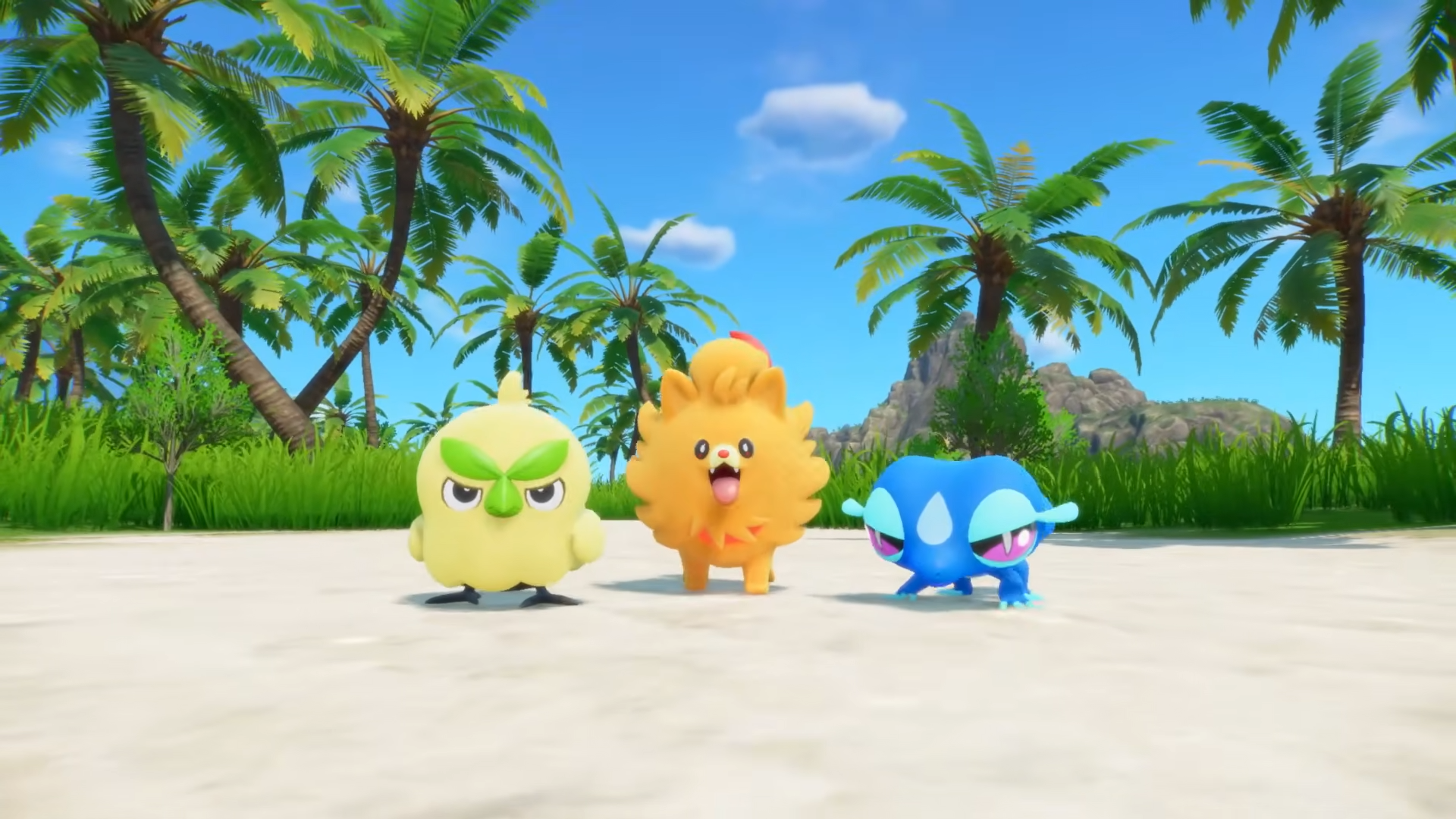
Aside from the arrival of Pokémon XD: Gale of Darkness on Nintendo Switch Online, the most exciting announcement of the video was Pokémon Wind & Waves, the new mainline games now set for release in 2027. As was hinted in the earlier Teraleak, these games will be set in a tropical environment inspired by Southeast Asian countries such as Indonesia and the Philippines. The player will explore not just the land and the ocean but (seemingly) everything under the ocean as well. It’s an ambitious promise for a series that previously struggled in earlier entries, like Scarlet and Violet, to translate its appeal into an open-world format.
The trailer also announced Wind & Waves’s three starter Pokémon: Browt, the empty-headed Grass bird, Pombon the goofy Fire dog, and Gecqua the sly Water gecko. Fan artists have been hard at work. Meanwhile, fans of the excellent 2023 indie RPG Cassette Beasts are frustrated that Pombon’s name is just two letters removed from Pombomb, a recruitable monster from that game.
Netflix Backs Out of Warner Bros Bid

Last December, Netflix announced that it was acquiring Warner Bros. in an $82.7 billion deal. Now, following a $110 billion counteroffer from Paramount Skydance, Netflix has backed out of the deal, granting Paramount Skydance the opportunity to acquire Warner Bros. for its own purposes. “We’ve always been disciplined, and at the price required to match Paramount Skydance’s latest offer, the deal is no longer financially attractive,” said Netflix Co-CEOs Ted Sarandos and Greg Peters in a joint statement. “This transaction was always a ‘nice to have’ at the right price, not a ‘must have’ at any price.”
Just as it was an open question what Netflix intended to do with Warner Bros. Games, it is also unknown what Paramount Skydance plans for the company. What we do know is that Paramount Skydance CEO David Ellison is a staunch ally of current United States President Donald Trump, to the point that (per Variety) he attended his recent State of the Union Address as a guest of Senator Lindsey Graham. To be frank, the question of whether Paramount Skydance hopes to acquire Warner Bros. to enforce right-wing media dominance in the United States concerns me much more than the fate of the next Batman game. Still, the company still has plenty of work to do before it can close the deal, and nothing is inevitable. Watch this space.
New York Attorney General Letitia James Files Complaint Against Valve
Attorney General Letitia James of New York filed a complaint on February 25th that Valve (the owners of Steam and famed developer of Half Life 2) is “promoting illegal gambling and threatening to addict children through its use of ‘loot boxes.’” While the items inside these boxes are cosmetic, they are sold online for “thousands of dollars.” “Research has shown,” James notes, “that children who are introduced to gambling are four times more likely to develop a gambling problem later in life than those who are not.” She also suggests that “Valve’s promotion of games that glorify violence and guns helps fuel the dangerous epidemic of gun violence.”
This is not the first time that Valve (or other companies in the games industry, for that matter) has gotten into trouble for gambling. According to PC Gamer, Valve was previously sued in 2016 for “facilitating unregulated gambling on third-party websites”; the case was fully dismissed by 2022. Loot boxes have been banned in Belgium, necessitate age requirements in Australia, and require probability disclosure for results in China, Taiwan, and South Korea, per a GamesIndustry report. Violence in video games, on the other hand, has been an ongoing controversy since the 1990s and even earlier. (Notably, games have ties to the arms industry and vice versa.)
French Games Publisher Nacon Files for Insolvency
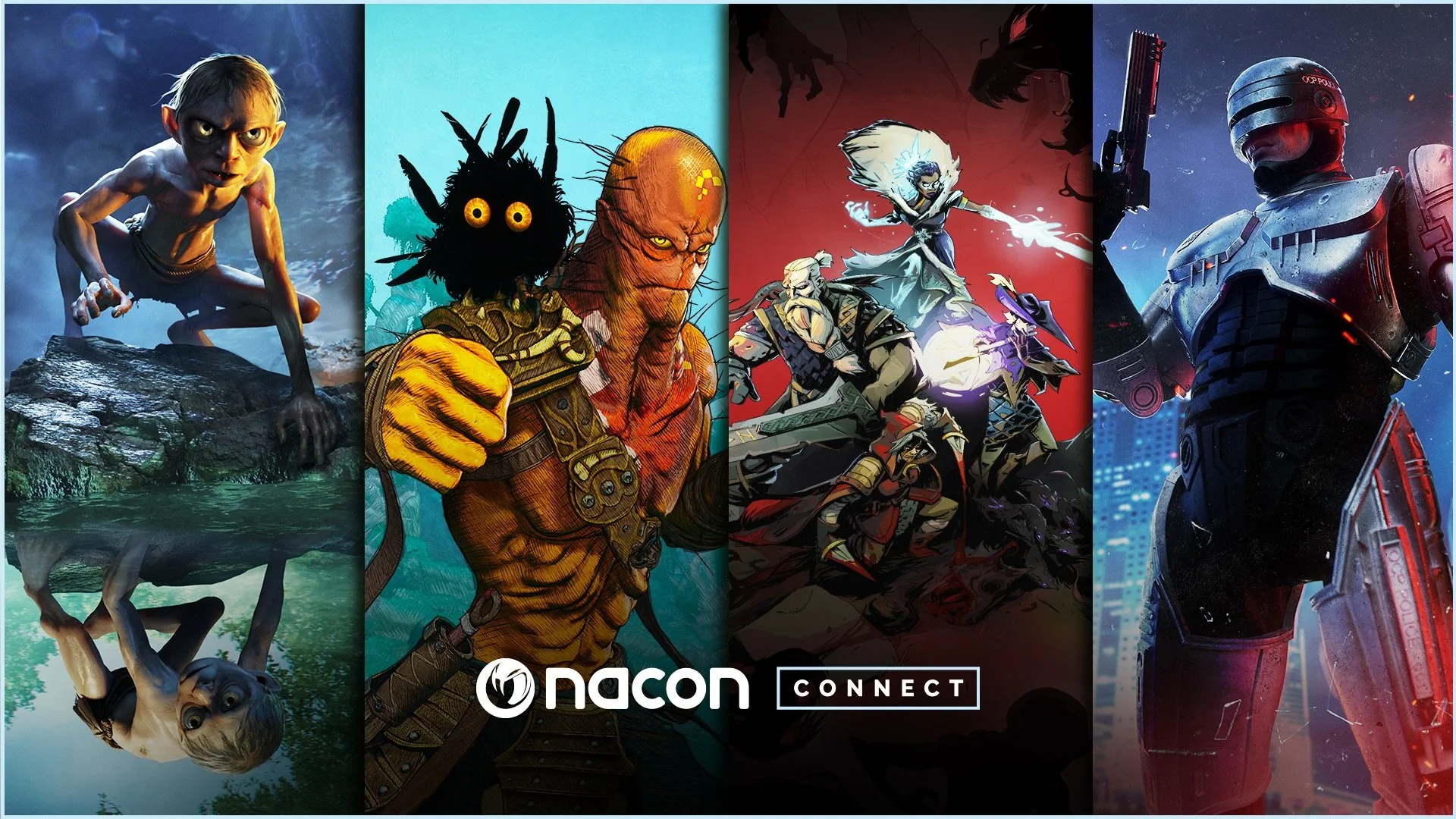
Nacon, a French games publisher and game peripheral manufacturer, announced on February 25th via a press release that “it has…filed for insolvency and is requesting the initiation of judicial reorganization proceedings.” After “an unexpected and late refusal by its banking pool,” the company admitted that it was unable to pay its bond loan to bondholders. Now it is “considering procedures intended to facilitate the restructuring of its debt under the supervision of the Court” so that it might “ ensure the sustainability of the Company's activity under the best possible conditions, protect employees, and preserve jobs…”
Nacon also owns multiple studios across Europe, including Rogue Factor (Hell is Us), Daedelic Entertainment (Deponia), and the French RPG developer Spiders (GreedFall). These studios are also now all threatened by Nacon’s financial turmoil. With a Nacon Connect showcase set for March 4th, it remains to be seen just what the company plans to do.
Creative Director Clint Hocking Out at Ubisoft
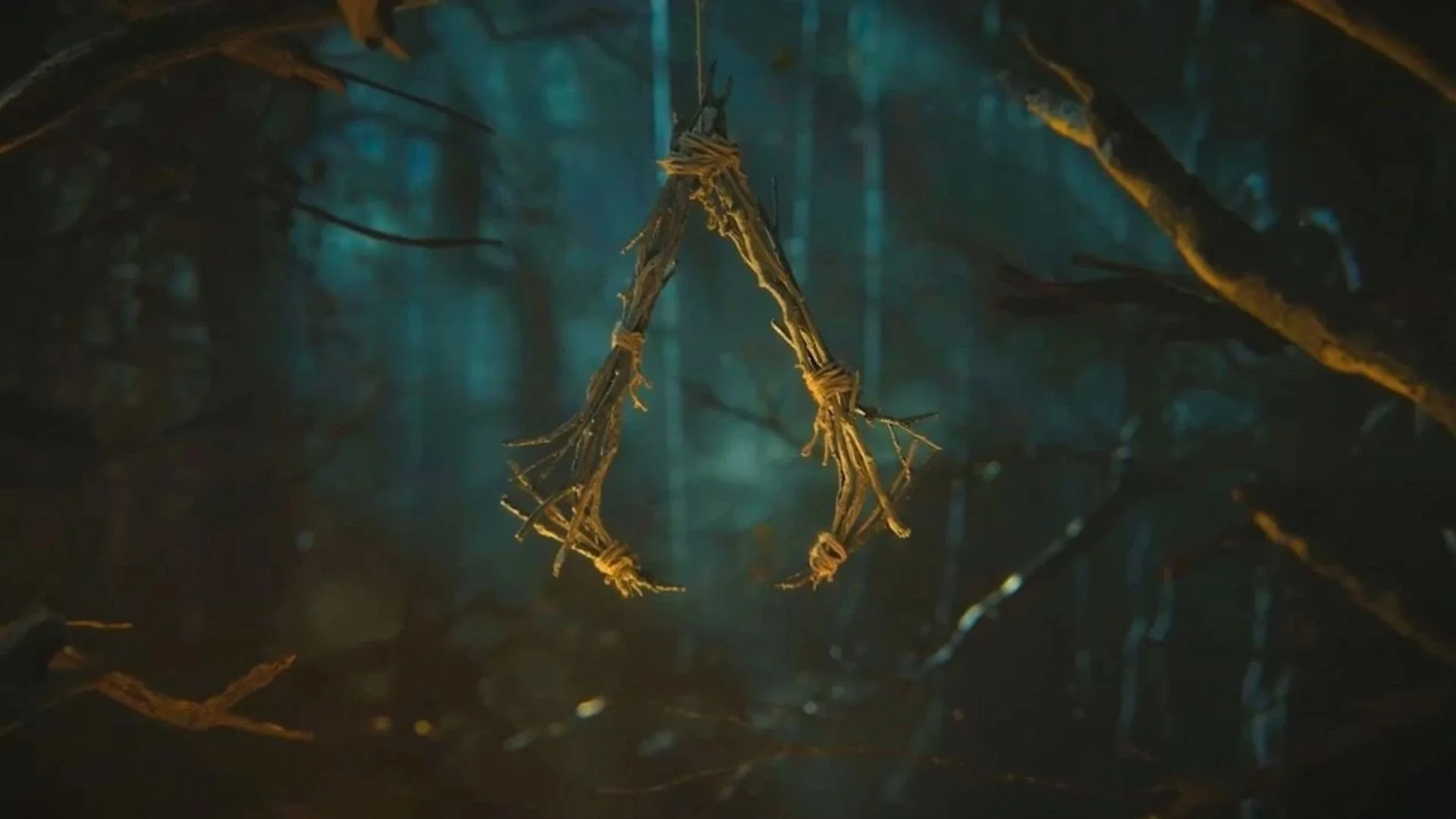
Per VGC, Assassin’s Creed Hexe creative director Clint Hocking is no longer at Ubisoft and is not associated with the project. Jean Guesdon (creative director of Assassin’s Creed IV: Black Flag and Assassin’s Creed: Origins) will take his place. “We sincerely thank [Clint] for his vision, creative contributions, and dedication over the years,” a spokesperson said to VGC; “we wish him the very best in his next chapter.”
Hocking previously directed Watch Dogs: Legion in 2020, a systems-driven reimagining of what was previously a linear narrative action-adventure title. Before that, he was best known for the 2002 stealth game Tom Clancy’s Splinter Cell and the unforgiving 2008 open-world game Far Cry 2. Little is known about Assassin’s Creed Hexe except that (says PC Gamer) “it will reportedly be a more supernatural-focused game than other entries in the series.” We do know, though, that Ubisoft has undergone “a sweeping organizational, operational, and portfolio reset” resulting in the cancellation of six projects and closure of two studios, with more on the way. It’s not surprising that Hocking would be affected as well.
Eurogamer Cuts Video Team, Editors in Latest Round of Layoffs

Per VGC, Ziff Davis is laying off Eurogamer’s video team as well as multiple site editors. Those affected include former editorial director Tom Orry and former editor Alex Donaldson. The video channel Outside Xbox is also affected by these cuts. This is just the latest round of layoffs following Ziff Davis' acquisition of the company, along with the rest of The Gamer Network in 2024. Previous shake-ups include the closure of Dicebreaker and “a voluntary redundancy program” that led Digital Foundry to go independent.
Following the firings, Ziff Davis cross-posted an interview with the staff of slasher horror film Scream 6 to multiple social media accounts, including Eurogamer. Says Katharine Castle, former editor-in-chief of fellow Gamer Network website Rock Paper Shotgun: “Gross that Ziff Davis is using Eurogamer like this to promote IGN nonsense on the day it's revealed they're gutting EG's staff. A comically tone-deaf company.”
AI-Generated Resident Evil Requiem Review Removed from Metacritic Following Discovery
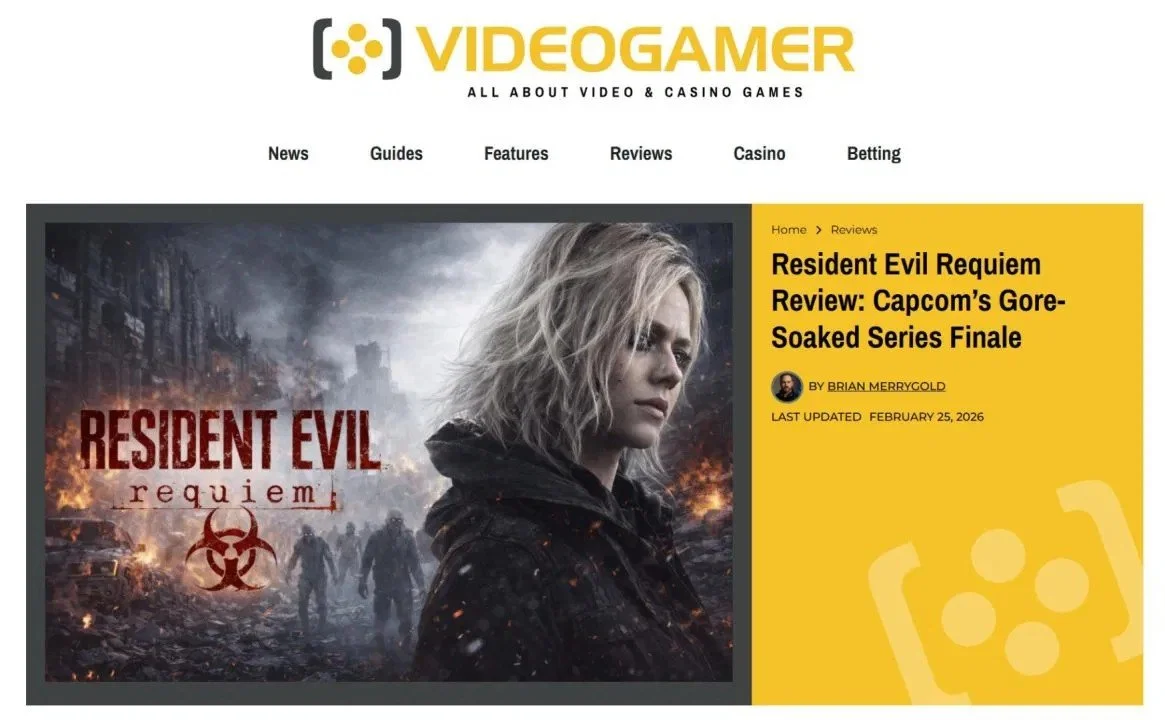
Over on X, Gfinity writer and editor Andrés Aquino caught a review of Resident Evil Requiem published on Videogamer that was clearly made via generative AI. Not only does the writer have close to zero presence on the internet, but his headshot image (per Kotaku) is titled “ChatGPT-Image-Oct-20-2025-11_57_34-AM-300×300.png.” Other writers listed on the site include Shooter Orson and Steven Danielson, who both have unused X accounts made at the same time as Merrygold’s.
Per PressGazette, Videogamer was recently bought by Clickout Media along with The Escapist and Esport Insider. Unnamed freelancers and staff said that “late last year the new owner began to load the sites with AI-written stories about casinos…this year, budgets were frozen, and staff were told to reapply for new roles where they would be training AI ‘writers’.” The response of those affected was “abject disgust.”
The review has since been removed from Metacritic. Alex Donaldson on Bluesky reported that Metacritic sent an email to editors and publishers asserting “our policy is that we will never include an AI-generated review on Metacritic…if we subsequently discover that one has been posted, we will remove it immediately and sever ties with that publication upon investigation.”
Revive, Geppy-X! Cult Shmup Remastered as 70s-style Robot Anime Geppy-X
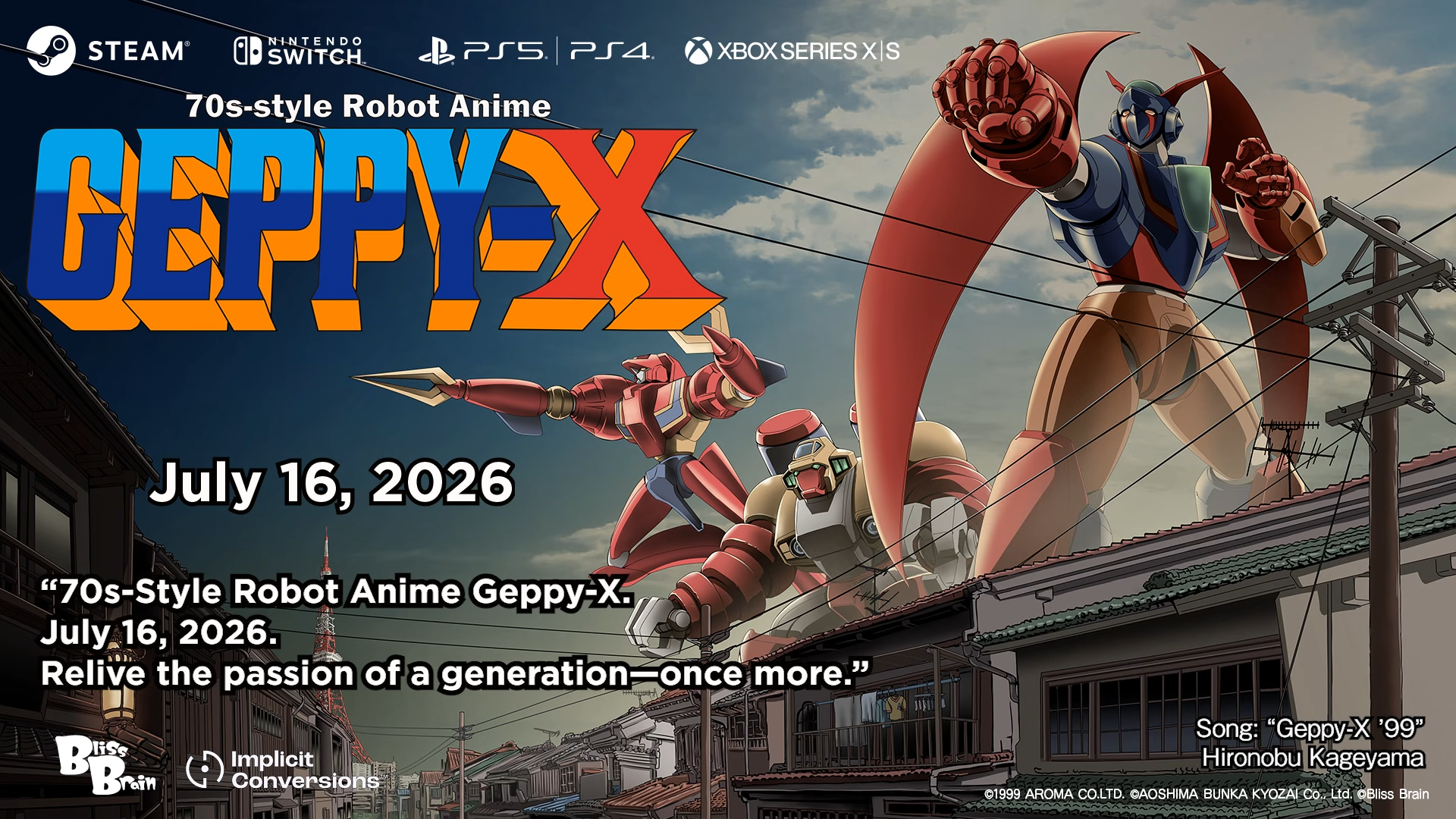
70’s Robot Anime Geppy-X was a shoot-em-up developed by Aroma for PlayStation and released in 1999. A loving homage to “super robot” classics like Getter Robo, the game was praised for its voice acting, music, and luxurious animated cutscenes spread across four disks. It’s an experience made by sickos by sickos, which, despite its mediocre gameplay, is packed with details that genre aficionados will appreciate. Of course, the game was never published outside of Japan, and even in Japan, it’s rather obscure. Until now, that is: developer Implicit Conversations is remastering the game as 70s-style Robot Anime Geppy-X.
For this new version of the game, Implicit Conversations rescanned the original masters, ensuring that the animated cutscenes look as good as possible. The team also kept the original soundtrack and voice cast, which included talent like Hironobu Kageyama of JAM Project as well as Akira Kamiya (Kenshiro from Fist of the North Star). While the hero robots of Geppy-X are quite different from the war machines of Mobile Suit Gundam and Armored Core, mecha fans should keep an eye out for the game’s July 16 release.
Fan Translation of Beloved Dreamcast RPG Segagaga Utilizes Generative AI
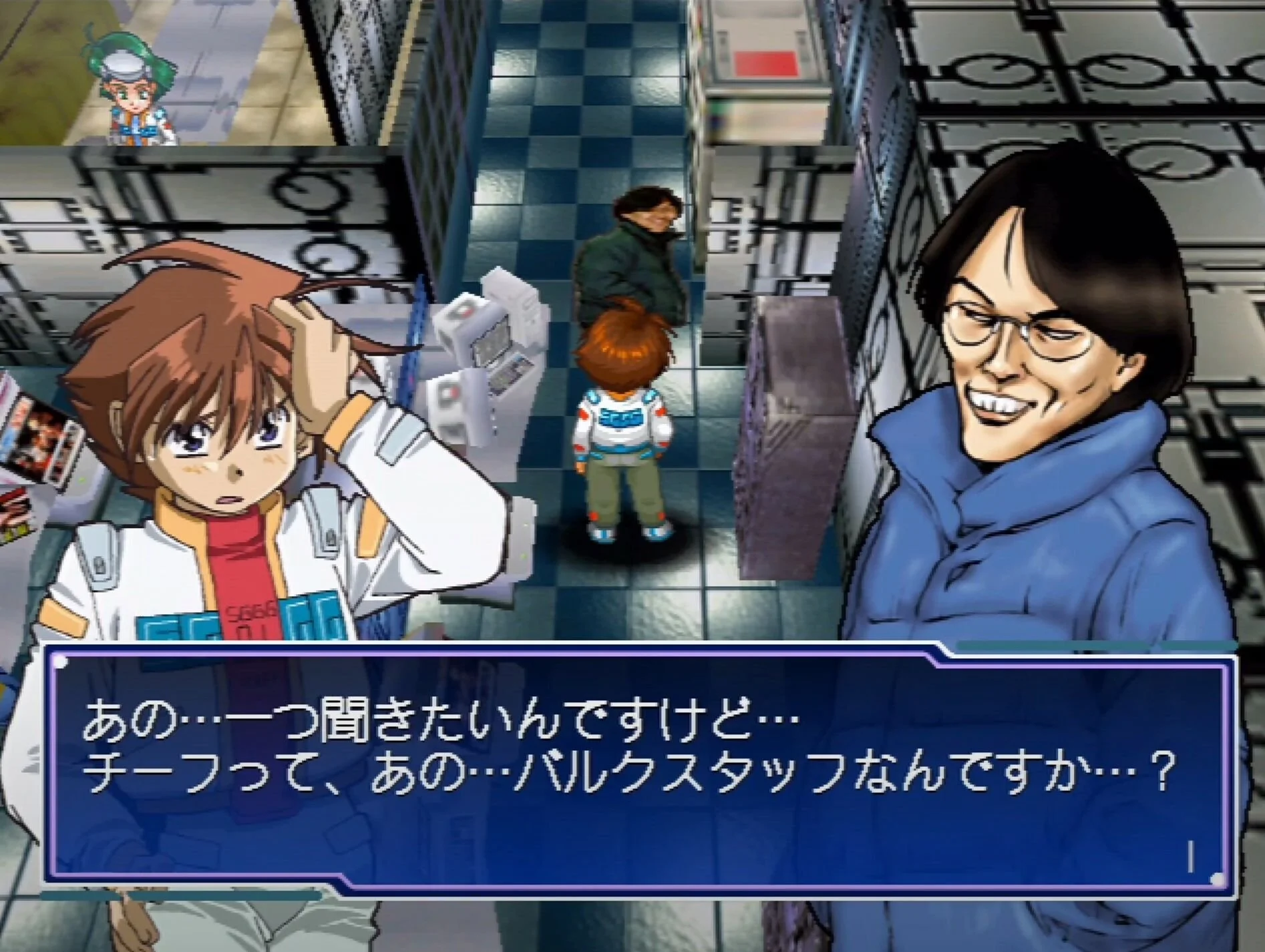
This week, at long last, the SGGG Translation Team released its fan translation patch for Segagaga. Developed for the Dreamcast by Hitmaker and released in 2001, just two days before the console’s discontinuation, the game was a love letter to Sega as well as an ode to just how tough it is to make a video game. It has long been a “white whale” of the fan translation scene that has resisted people’s efforts due to its reference-heavy script and spaghetti code. The success of the SGGG Translation Team despite these obstacles should be a triumph and a mark of just how far hacking has come. There’s just one problem: buried at the end of the GitHub readme is a disclaimer that the team relied on generative AI to translate the game.
“What I call the “playtesting translation” — a base translation that allowed the artists and playtesters to get started early and understand what they were working on — was developed using a combination of DeepL and ChatGPT 4o/4.5,” reads the note. “That translation then went through a substantial, months-long human translator review.” Sixfortyfive on Bluesky, who “joined when the project was already at what I would say 95% English,” clarified in a thread that “initial builds of the project had a lot of MT text, primarily so that everyone involved could at least play the game and more or less understand what they were doing. The actual (human) translators were given the original Japanese script along with the MT.”
The SGGG Translation Team’s use of generative AI led to widespread condemnation by the fan translation community. Hilltop Works, which previously translated Boku no Natsuyasumi 2 (unofficially) and Milano’s Odd Job Collection (officially), rescinded its endorsement of the patch, saying that “I got caught up in the excitement…and missed an important disclaimer.” Professional translator and dating sim historian Thomas James wrote on Bluesky that “when you fan translate ANYTHING that was previously untranslated, you have a deep, heavy responsibility in setting people's first and typically only impression…if you're not prepared to handle those ramifications, then stay away.”
Why such harsh condemnation of a project that “went through a substantial, months-long human translator review?” Well, as translators have said in the past, starting from a machine-translated script (not to mention one made by generative AI) inevitably shapes the final result. No matter how diligently you rewrite the text–and there is evidence that team members like Sixfortyfive did care about their work–that gap in context between the source and the translated script will remain. This is particularly deadly for Segagaga, a game that is packed with jokes and pop culture references, which require context to parse. The translation team also made other compromises, like creating imaginary units of measurement for the game’s currency to match Japanese numbering, which, for me, cast doubt on the project as a whole.
The one silver lining is that the SGGG Translation Team released translation tools alongside their work so that others might release their own translations. Unfortunately, the first translation patch of a game is nearly always treated as the definitive version. It will endure, not as a monument to the human spirit as Segagaga was, but as proof that some folks in the fan translation scene would gladly desecrate the games they love to burnish their own reputations. “If I was coming at this from the perspective of somebody just looking to play the release,” said Sixfortyfive, “I'd be completely unable to prevent this knowledge from coloring every localization choice in the game. That sucks, both for the people who play it and worked on it.”
![[PATREON UNLOCK] Update Patch - June 2025](https://images.squarespace-cdn.com/content/v1/5caf2dea93a63238c9069ba4/1751704862124-POQXWBDKGLHMLQ1PEBDT/Update+Patch+Week+0.jpg)
![[PATREON UNLOCK] Update Patch - March 2026](https://images.squarespace-cdn.com/content/v1/5caf2dea93a63238c9069ba4/1775665197694-PKJRY1SS88DU5LJICU0G/Update+Patch+Week+0.jpg)
![[PATREON UNLOCK] Update Patch - June 2026](https://images.squarespace-cdn.com/content/v1/5caf2dea93a63238c9069ba4/1783601592489-6DBKVGBH8TWC7JR7VSPU/Update+Patch+000.jpg)