
![[PATREON UNLOCK] Update Patch - June 2026](https://images.squarespace-cdn.com/content/v1/5caf2dea93a63238c9069ba4/1783601592489-6DBKVGBH8TWC7JR7VSPU/Update+Patch+000.jpg)
[PATREON UNLOCK] Update Patch - June 2026
Update Patch News Roundup (09/06/26)
Welcome back to Update Patch with your host, Adam. After everything I witnessed last December when I was previously on duty, I’ve long been desensitized to the game industry and its whims. Nothing can shock me anymore, no news story could rattle me, it’s not as if–wait a minute, what do you mean that RGG Studio put Tupac in its game!?
RGG Studio Unrests the Dead By Adding Tupac to Stranger Than Heaven

A new trailer for RGG Studio’s Stranger Than Heaven dropped at Summer Game Fest this year. As is typical for the studio, this new game features an extensive cast of professional actors, including Takashi Ukaji and Yasukaze Motomiya, plus musicians like Snoop Dogg and the anonymous mega-star vocalist Ado. This time, though, RGG Studio has also resurrected a man from the grave: Tupac Shakur, a beloved and influential rapper killed in a 1997 drive-by shooting. A character in Stranger than Heaven will bear Tupac’s likeness, thanks to the involvement of his estate and the help of Snoop Dogg.
What separates Tupac’s appearance in Stranger than Heaven from Takuya Kimura’s role in Judgement, or even Death Stranding’s many celebrity cameos? Well, those aforementioned celebrities are still alive, and Tupac is dead. Reviving actors with the power of computer-generated effects remains controversial. The practice has not only been a hot topic since Star Wars attempted to recreate the likeness of Peter Cushing in Star Wars: Rogue One back in 2016 to mixed responses, but going all the way back to Volkswagen exhuming the likeness of Gene Kelly for a hip hop remix of Singin’ in the Rain to sell Golf GTIs in 2005.
There is also reason to distrust the intentions of his estate, which (per Kotaku) is currently run by former Warner Bros. Records head Tom Whalley. Whalley acquired it via the will of Tupac’s mother, Afeni Shakur. But, according to reporter Rebekah Valentine, Whalley is currently being sued by Tupac’s sister Sekyiwa Shakur for “embezzling millions of dollars via her late brother’s estate.” A version of Tupac also previously appeared as a hologram at Coachella in 2012, together with the aforementioned Snoop Dogg.
RGG Studio insists that (per its press release) it is “treating this integration with the utmost respect for his legacy, crafting every aspect in close collaboration and without the use of AI, including his character design based on archival footage and photographs.” Speaking personally, I can’t help but find the studio stunt casting a black man who was gunned down in the street to be in bad taste. Let him rest! In the words of games journalist Ash Parrish, “this fucking sucks man.”
The Fumito Ueda-developed gen ATLAS, or “Pilot of the Colossus” reemerges
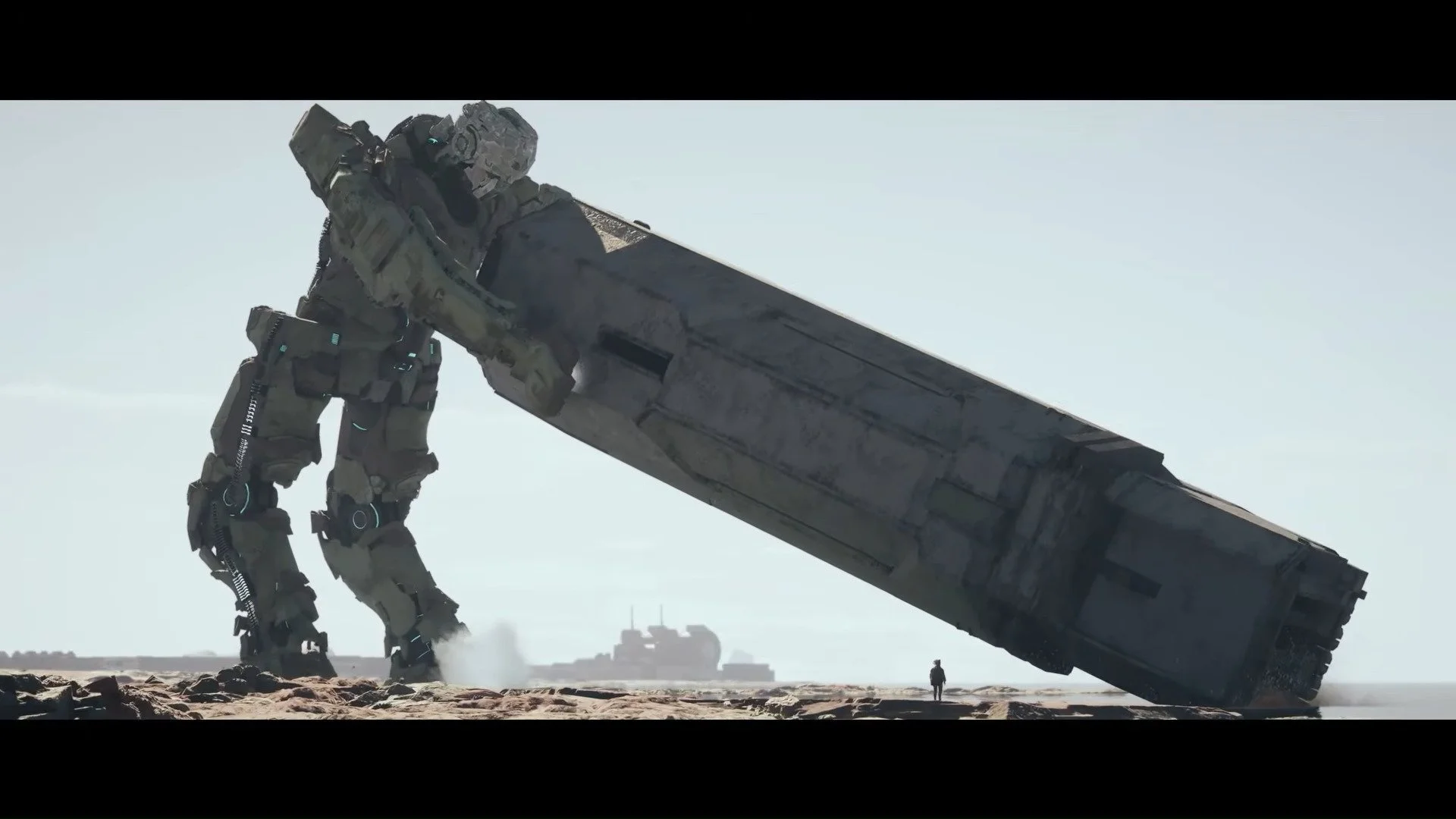
Summer Game Fest released a new trailer for gen ATLAS, previously announced at the 2024 Game Awards as Project Robot. Developed by Fumito Ueda (Ico) at genDESIGN and published by Epic Games, the player takes control of a strange being wandering the desert. By piloting a large robot head, the player is able to take control of skyscraper-sized robots, even engaging other robots in combat. No release date has yet been announced.
From where I’m standing, gen ATLAS appears to be a science fiction spiritual successor to Ueda’s earlier work, Shadow of the Colossus. Like that game, it takes place in a wasteland; the player battles giants; the color scheme is a palette of washed-out browns and greys. Of course, the protagonist of Shadow didn’t have a gun, and he couldn’t pilot a mech. It also remains to be seen whether genDESIGN will be able to overcome the low framerates that made Shadow a drag at times back in the day.
Regardless, I’m excited to see what comes out of this one. By the standards of the modern industry, Ueda is a dinosaur; a relic of a time when developers made games they thought were interesting rather than fighting to offer “value” in an enormous and fickle marketplace. gen ATLAS could reveal this team to be fatally out of touch, or it could be amazing.
Final Fantasy VII Revelation Ends It All Spring 2027
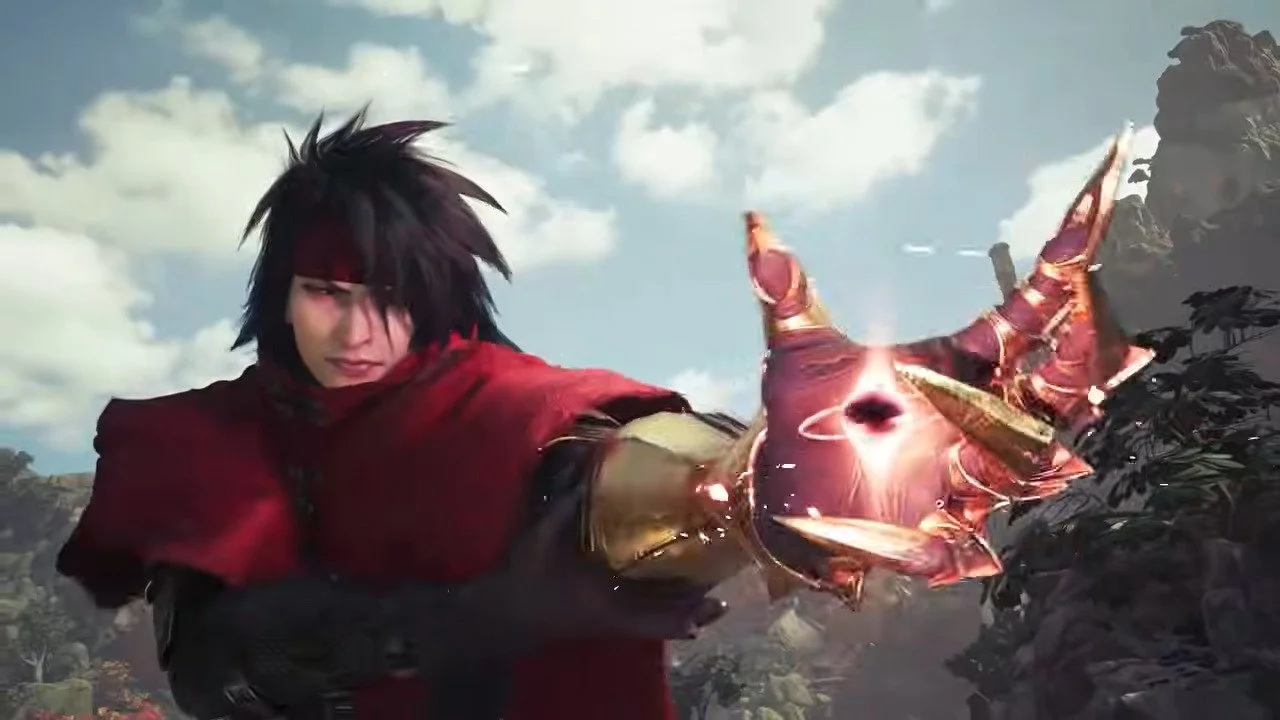
Square Enix released new trailers for Final Fantasy VII Revelation, the final installment in its trilogy of Final Fantasy remakes, due for release in Spring 2027. This new game will (as far as we know) cover the rest of the story, starting in the moments following Aerith’s death and ending with Cloud’s final showdown with Sephiroth in the Northern Cave–so long as nothing unexpected happens! The trailers promise an airship that lets you travel an open world as you please, new party members Vincent and Cid, and (to my great surprise) a FITS mechanic that resembles Dressspheres from Final Fantasy X-2. Or as they called it back in the day, a “job system.” As a long-time fan of Final Fantasy V, I doubt that Square Enix is willing to make its new title as crunchy as its earlier games. But a little voice in my brain is whispering, “What if it does, though…”
Guild Wars 3 Announced, With 2027 Open Beta on the Way
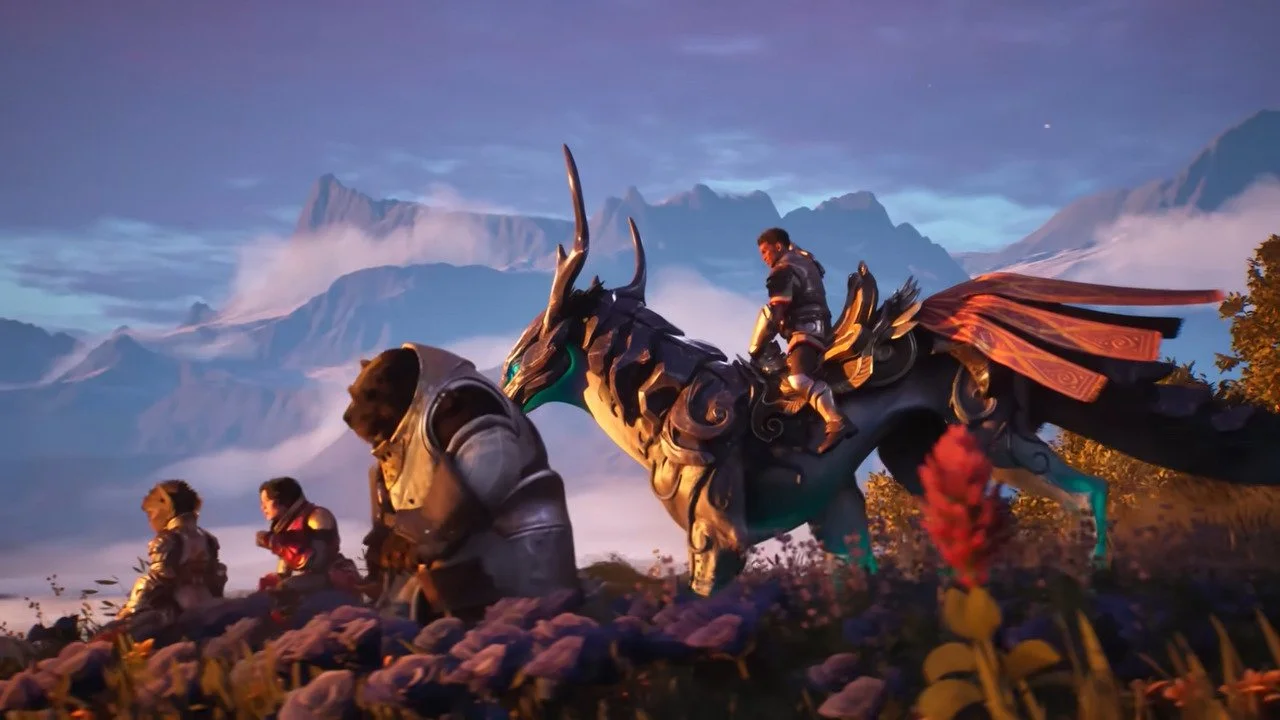
AreaNet announced at Summer Game Fest that Guild Wars 3, the third game in the ongoing Guild Wars series, is currently in development, with an open beta scheduled for Fall 2027. Unlike previous titles, Guild Wars 3 will be available on both PC and PS5 from the jump. A website newsletter teases an adventure that takes place “more than a thousand years before the original game,” where you play as a Vaelwarden protecting the land with your magical Seeker mount.
ArenaNet was previously founded by staff from Blizzard Entertainment. Its first title, Guild Wars, reimagined the MMO post-World of Warcraft as one where you carefully customized your character’s skill load-out to engage in instance-based play. Guild Wars 2 shook things up further, introducing a “Living World” playing out in the background of the player’s journey as well as classes designed to be self-sufficient rather than adhering to the traditional MMO trinity of DPS, tank, and healer. Over a decade since, multiplayer games have changed beyond recognition; my hope is that ArenaNet continues to think outside the box, as they always have, rather than following trends.
PlayStation State of Play Delivers Cinematic Entertainment, Gelatinous Cube
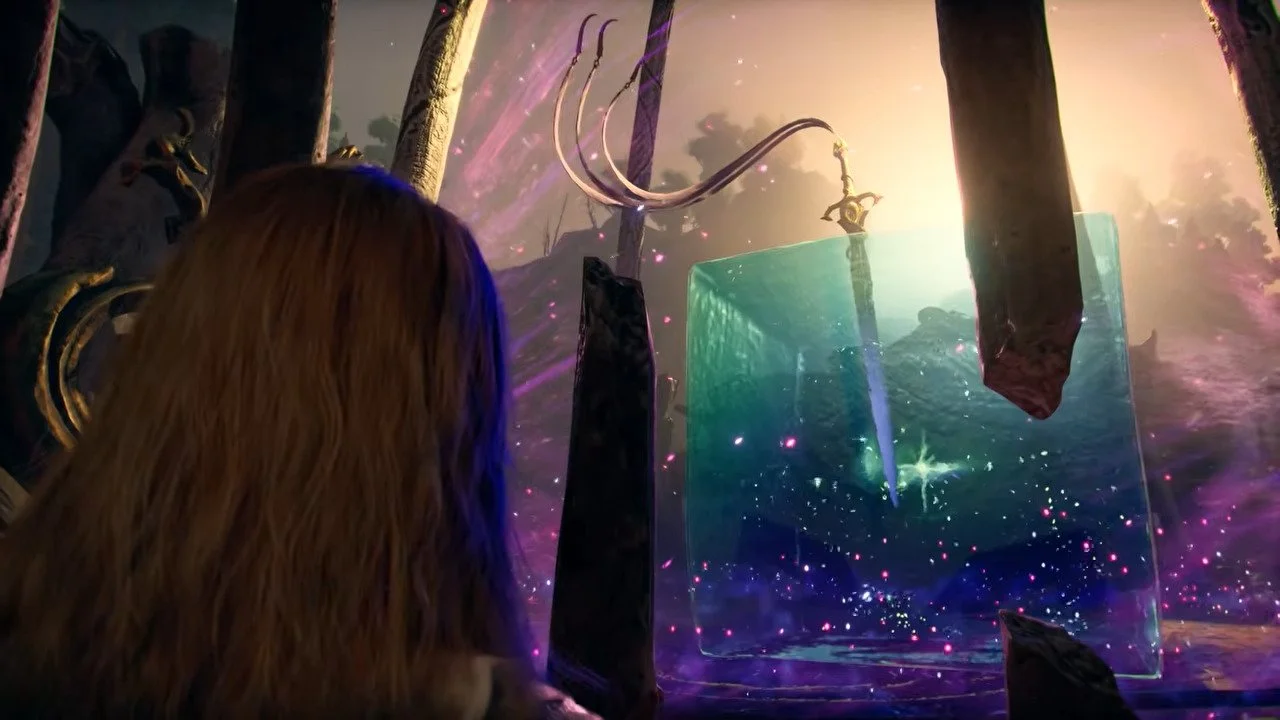
Coming in just before Summer Game Fest, the PlayStation State of Play teased a series of games that mostly adhere to Sony’s cinematic house style. Marvel’s Wolverine looks as blood-soaked as expected; a remake of Rayman Legends inexplicably replaces the original’s charming 2D art with 3DCG; God of War Laufey lets you do air combos and stars a talking gelatinous cube. There were also shout-outs to past glories, like a remastered version of Dynasty Warriors 3 that retains the original’s infamous English voice acting, as well as versions of Gitaroo Man and Psi-Ops: The Mindgate Conspiracy coming to PS Plus Classics.
With that said, there were three surprises for me. First, a sequel to Until Dawn is in production–not by Supermassive Games (which just released the critically acclaimed Directive 8020) but by Firesprite (Horizon Call of the Mountain), which in 2024 was found by Eurogamer to have “recently suffered high profile exits amid accusations of a toxic workplace culture…” Since Supermassive Games is still alive and kicking, I’m wondering how this sequel by a very different team came about. Second, there’s a new action-adventure game, Kemuri, developed by former Tango Gameworks creative director Ikumi Nakamura and her studio Unseen. While we don’t know much about it yet, I enjoyed the game world’s manga-like sound effects.
And the third surprise? That there’s a gelatinous cube in God of War Laufey, of course. Finally, God of War has entered its Dragon Quest era…
poncle Founds New Studio With El Shaddai Director Sawaki Takeyasu
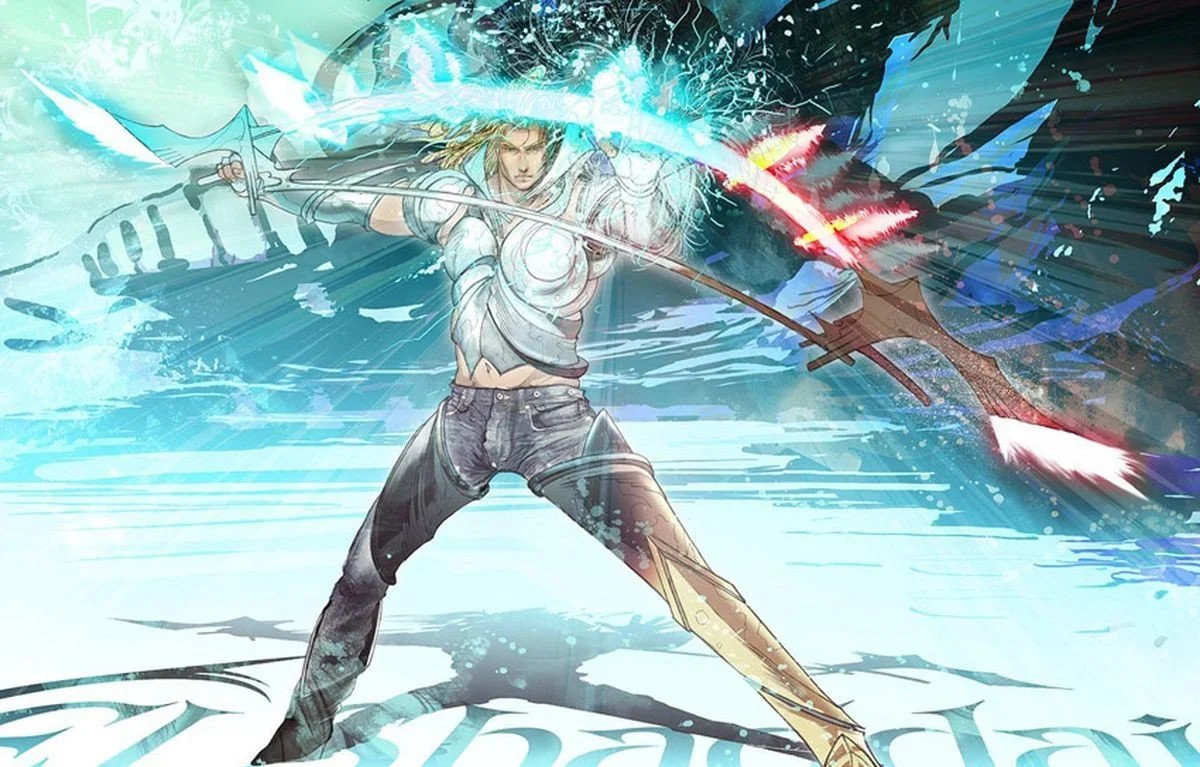
Per Gematsu, Vampire Survivors studio poncle has partnered with developer Sawaki Takeyasu (El Shaddai: Ascension of the Metatron) to found a new Japanese studio. Takeyasu and poncle founder Luca Galante were introduced by poncle’s chief strategy officer Matteo Sapio. Weekly Famitsu reports that “Takeyasu will support the company’s broader goals while establishing a foundation in Japan…going forward, the plan is for regional teams to pursue separate projects.” poncle has also recently founded a new studio in Italy.
poncle first broke out in 2022 with the success of Vampire Survivors, a simple but addictive roguelike bolstered by its low price, frequent updates, and the developer’s past experience in gambling. More recently, in April 2026, the studio released the roguelike deckbuilder Vampire Crawlers in collaboration with Nosebleed Interactive. While these two titles were built to be smooth and frictionless, founder Galante clearly respects weirdo games; why else would Vampire Survivors put out DLC celebrating the infamous and experimental SaGa series? Founding a studio with El Shaddai director Takeyasu is therefore entirely on brand. Whether anything will come out of it, of course, is another question.
Paramount Skydance Forms Paramount Games Studio
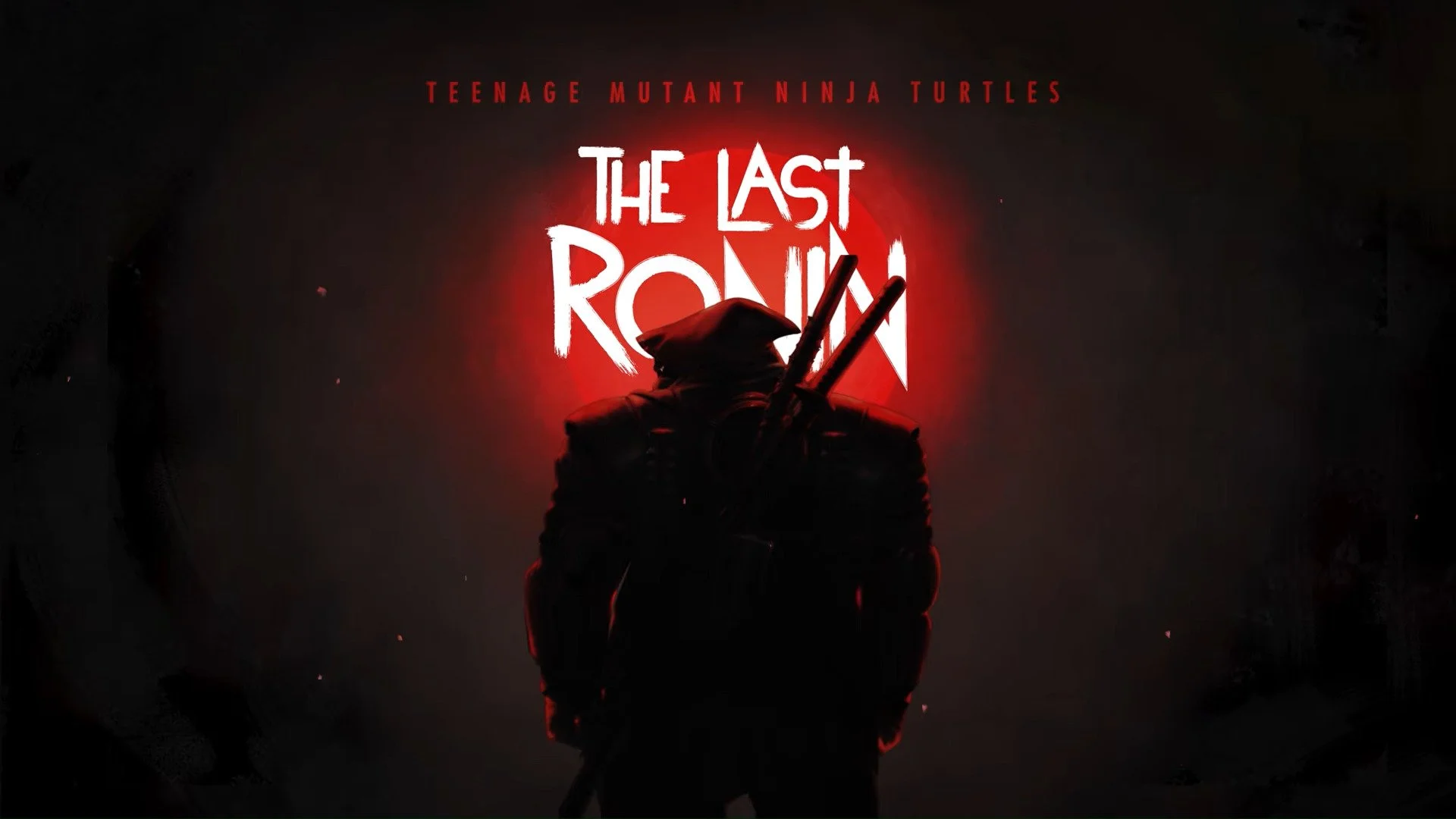
Per Variety, Paramount Skydance has combined its game studios Skydance Interactive and Skydance New Media to form Paramount Games Studio. Tony Driscoll (head of corporate strategy and development) has been appointed president, while Dan Prigg of Skydance Interactive is now executive vice president. Former Skydance New Media co-president Amy Hennig (of Uncharted and Legacy of Kain: Soul Reaver fame) is now credited as the developer’s creative director. Paramount Games Studio’s first project under the new branding will be Teenage Mutant Ninja Turtles: The Last Ronin, a collaboration with Platinum Games.
As a reminder, Paramount Skydance is in the process of acquiring Warner Bros Discovery. Should the corporation succeed, it’s likely all of this will change once again. Skydance founder David Ellison has recently made headlines for appointing Bari Weiss (of The Free Press) to the position of EiC of CBS, including helming the long-running United States news program 60 Minutes, a move that has tanked its reputation and led to the exodus of prominent staff.
Baldur’s Gate II Remake On the Way from Wizards of the Coast
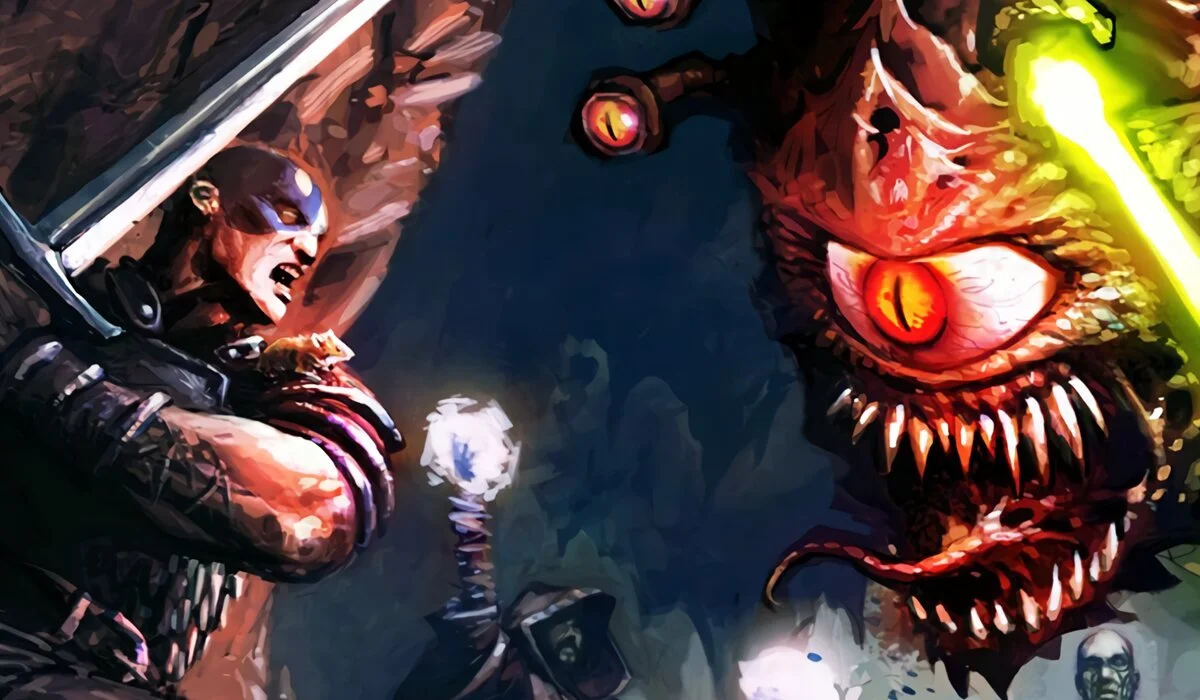
Per PC Gamer, Wizards of the Coast is remaking the classic 2000 computer RPG Baldur’s Gate II. Kevin Martens, an ex-BioWare developer who more recently contributed to Archetype Entertainment’s sci-fi RPG Exodus, is reportedly on board for the project. (Archetype Entertainment is a subsidy of Wizards of the Coast.) Fraser Brown at PC Gamer also suggests that a remake of the first Baldur’s Gate may also be in the cards if II is on the way, although nothing has yet been confirmed.
Baldur’s Gate and Baldur’s Gate II were previously remastered for modern consoles by Beamdog Entertainment. Beamdog also developed Siege of Dragonspear, meant to fill in the chronological gap between the two games. Since both Enhanced Editions remain available today, I’m confused by what a Baldur’s Gate II remake might offer, aside from modernizing the original’s antiquated Advanced Dungeons & Dragons 2nd edition mechanics. All we can say for sure is that Larian, the developers of Baldur’s Gate 3, will have nothing to do with this one.
Other Announcements From Summer Game Fest
What else caught our eye at Summer Game Fest, along with affiliated shows like Wholesome Direct, Day of the Devs, and the brand-new Story Rich Showcase? Let’s take a look:
Creative Assembly is developing Alien Isolation 2, a sequel to its cult classic survival horror game from 12 years ago. Despite its flaws, its predecessor was arguably the best depiction of the xenomorph in a video game, so this new one could be significant.
Control Resonant could either be great or dull, but one thing’s for certain: “Manalan Mailla,” the trailer’s accompanying song by Vilma Jää, is a banger.
Star Wars Galactic Racer (October 2026!) and Star Wars Zero Company (August 27, 2026!) both look excellent, depending on if you’re into racing or strategy.
Nikko Nikko (Kill the Music) released a demo for Meaningless Random Numbers, an “Incremental Horror Game.” Looks rad, and extremely cursed.
I continue to be intrigued by Am I Nima, a game about connecting words in your brain to create memories so that you can escape from your mom. The game is set for release on October 8, 2026.
Sepak-U reimagines the ball sport sepak takraw as a fighting game that Southeast Asian Games Showcase co-host Michael Hingham describes as “Smash Bros. meets Windjammers.”
Prove You’re Human is the newest title from Sunset Visitor, and looks to incorporate even more live action footage than in the studio’s previous title 1000xResist. Script writer Natalie Tin Yin Gan (Pinki Li) also appeared on the Southeast Asian Games Showcase to describe how the game was influenced by her past history in Setapak, a town near Kuala Lumpur in Malaysia.
WORK WORK WORK is the newest title being developed by Mojiken Studio, the Indonesian team behind fan favorite adventure game A Space For the Unbound.

Exodus, a new game developed by ex-BioWare staff at Archetype Entertainment and published by Wizards of the Coast, received an extended gameplay preview at the Future Games Show. It looks a lot like Mass Effect, but could you recruit a talking octopus to your team in Mass Effect? I don’t think so.
Burn-9 is a game that lets you play as the radio operator in a Metal Gear game, guiding your agent through secret spaces. But how much information do you really have at your disposal?! Turn the game console off now!!! (The developer previously made Yolk Heroes: A Long Tamago.)
Penguin Colony, the newest game from Umurangi Generation developer Origame Digital, is an audacious adaptation of the H.P. Lovecraft story “At the Mountains of Madness,” in which you investigate the aftermath of an ill-fated expedition by the Nazis to uncover “their father race.” Also, you are a penguin.
There’s a new trailer for Thousand Hells: The Underworld Heists, an upcoming narrative strategy game by legendary King of Dragon Pass developer A Sharp. Its release date is Fall 2026!
Fields of Mistria, NPC Studio’s take on the farm sim following the breakout success of indie title Stardew Valley, is set for a 1.0 update on August 5th 2026. Currently it’s just scheduled to release on Steam, but I can’t imagine that a Switch release will take long.
Cassette Beasts, the home of Pombomb (of whom Pombon is a mere imitation) is now receiving a sequel, Cassette Beasts 2002. The first game was one of the better indie monster tamer games, so I’m excited to see what new changes to the formula its developers make in this one.
If you’re sad that there will be no more games set in the Citizen Sleeper universe for now, don’t despair: developer Jump Over the Age is making Signet City, a game where you play as sentient fungus infiltrating the brains of human beings and living their lives vicariously.
Update Patch News Roundup (16/06/26)
Another week, another installment of Update Patch. This time: the Nintendo Direct! Incoming Xbox layoffs! Manifestos! (Don’t forget the manifestos.)
Microsoft CEO Announces “Xbox Reset,” Heralding Layoffs
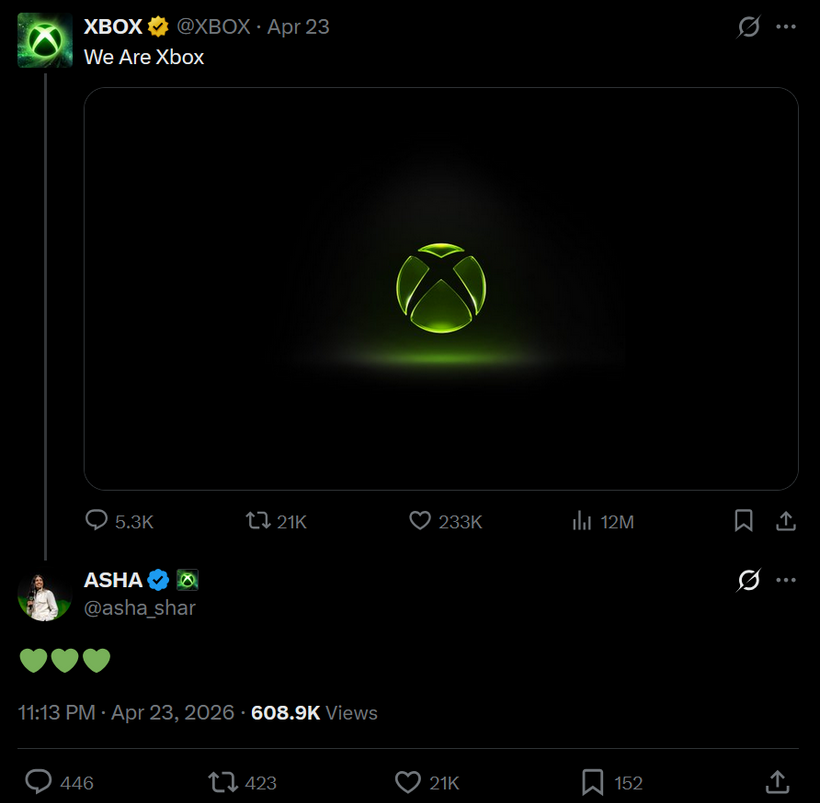
Asha Sharma and Matt Booty, the CEO and Chief Content Officer at Xbox, respectively, published a letter to Xbox Wire regarding the “next 100 days.” The two wrote that while “over 1 billion players choose to play XBOX and our games each year,” “our annual revenue has declined nearly half a billion” despite having “spent over $20 billion on ongoing investments in our content, platform, and hardware subsidy…” Additionally, the prices of console storage components are only becoming more expensive, while Microsoft’s studio purchasing spree has left the company “over extended as we executed on changing strategies in a landscape of more readily available content.”
In short, “Our current platform infrastructure is not built for the battle ahead. Our systems are overly complex, spanning hundreds of dependencies, which hinders our ability to move fast.” The only hope, they say, is to “evolve and rebuild our stack and look at capabilities across all of XBOX and potential M&A to help us win in hardware, PC, mobile, and streaming.”
Neither Sharma nor Booty has specified what these “capabilities” might be. Regardless, there is one thing that we know for certain: layoffs. Bloomberg reported that “Microsoft Corp.’s Xbox division is planning major job cuts…expected shortly after the close of Microsoft’s fiscal year on June 30…” An IGN report quoted Dr. Serkan Toto of consultancy firm Kantan Games, saying that “Microsoft will run through its Xbox business with a bulldozer this year…I hope I am wrong, but it looks like we can expect not only staff cuts but also studio shutdowns.”
Per The Game Business, Xbox Game Studios head Craig Duncan has stepped down, while chief of staff Louise O’Connor is also leaving the company. Bloomberg also reports that representatives from multiple game studios, including Double Fine (Psychonauts 2) and Compulsion Games (the Peabody Award-winning South of Midnight), are “in active negotiations to spin off as they try to thwart closure…” Some staff, like South of Midnight writer Zaire Lanier, are already looking for work. Says Lanier, “I am not married to staying in games.” Ninja Theory (Hellblade: Senua’s Sacrifice) is also closing, according to The Verge, despite the fact that the studio’s newest game Senua, was advertised at Summer Game Fest.
What makes this particularly ugly is Microsoft’s recent efforts to cozy up to fans. The company revealed at Summer Game Fest this year that Gears of War: E-Day would be exclusive to Xbox despite indications (per Kotaku) that the game would also be released for PS5. It also lowered subscription prices for Xbox Game Pass. Sharma, meanwhile, engages with fans via her X account. But while Microsoft has put its entrenched fanbase at the center of its recent marketing push, it has designated studios and developers under its banner as subordinate, even unnecessary, to the Xbox brand itself.
Despite the profitability of its parent company, its huge library of studios, including Activision Blizzard, and its innovative Xbox Game Pass subscription service, Xbox has struggled to compete with Sony and Nintendo consoles since botching the Xbox One launch in 2013. The company also remains under boycott by BDS, which has asked people to cancel their Xbox Game Pass subscription and “uninstall & boycott key games” to financially pressure Microsoft to cease aiding Israel in the genocide of civilians in Gaza.
Nevertheless, Microsoft as a whole isn’t just profitable but is becoming more so. The company has had years to plan for this scenario and options as to how to eat the costs. Purging its studios and staff is a choice Microsoft is making rather than a necessity. Or as narrative designer Bruno Dias says, “They don't have to destroy 30+ year studios to save their bottom line. They're doing this because they are evil.”
Nintendo Direct Teases Ocarina of Time, Fire Emblem… and Touhou?!
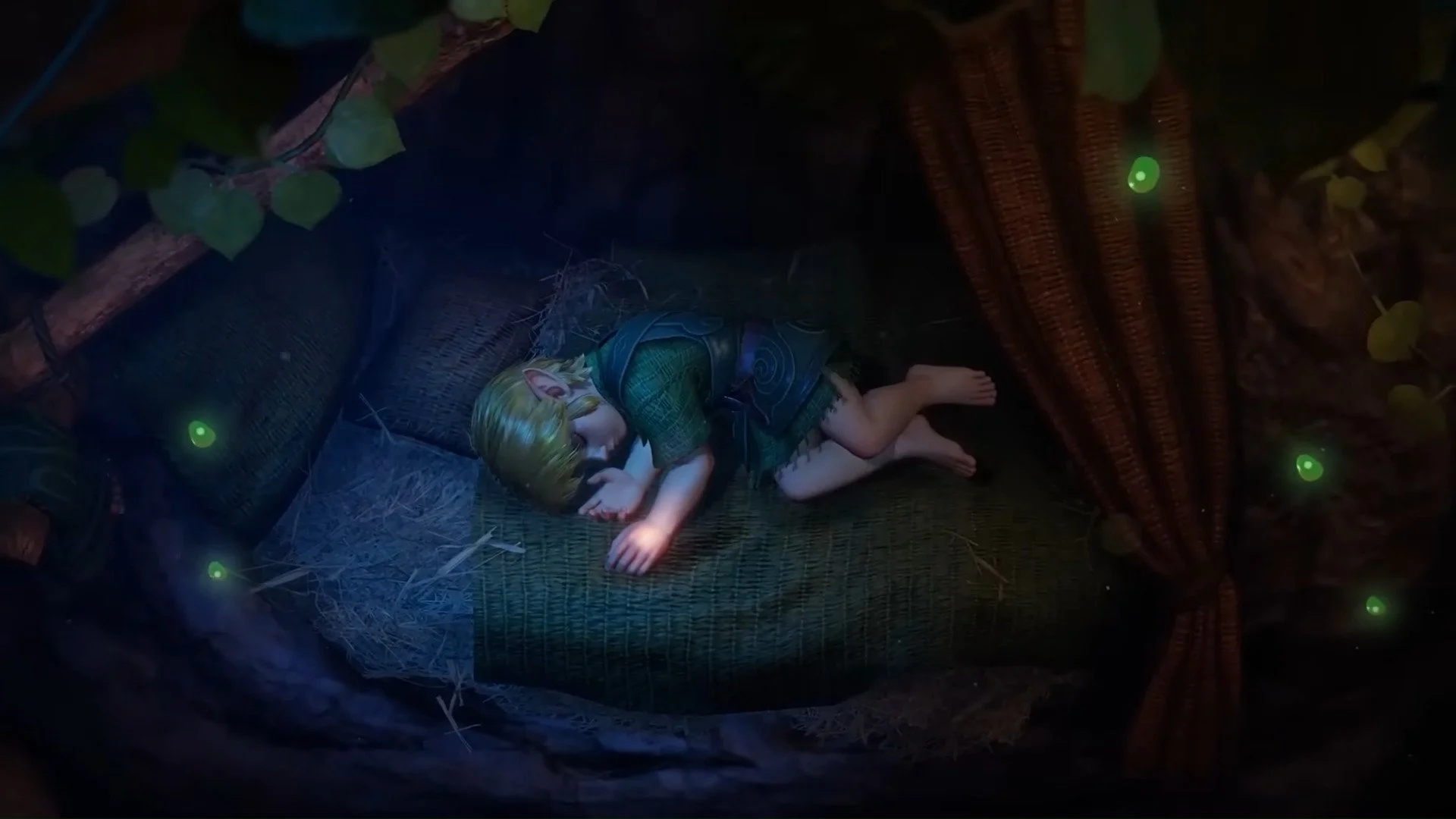
Following Summer Game Fest, Nintendo streamed a Direct on June 13th, advertising various games coming to the Switch and Switch 2 within the next year or two. The biggest name on the docket was the rumored remake of Legend of Zelda: Ocarina of Time, though little more was revealed than the protagonist’s appearance and a 2026 release date. Other highlights included the new Fire Emblem game Fortune’s Weave, a successor to Three Houses coming on September 17th; an upcoming closed network test for From Software’s mysterious multiplayer game The Duskbloods; and the announcement of Xenoblade Genesis, the newest installment in Monolift Soft’s series of endearingly maximalist science fantasy RPGs. Plus, more Deltarune on June 24th!
There was some notable news outside of the big titles as well. Weirdo action RPG Dragon’s Dogma 2 is receiving an expansion, as well as updates to make the game more accessible to a wider audience–including fast travel, an idea that its original director Hideaki Itsuno previously shot down. Of course, he is no longer at Capcom, so the studio can do as it pleases. Vanillaware’s 2009 action game Muramasa is being remade for not just modern consoles but also Steam, opening the door for the studio’s other cult classics like Odin Sphere and 13 Sentinels: Aegis Rim to see release on PC. There’s also an upcoming One Piece cooking game (Grand Gourmet) made by Kairosoft, the studio behind the 2010 hit management sim Game Dev Story.
The most unexpected announcement for me, though, wasn’t even in the English language Nintendo Direct at all. ZUN’s classic 2002 shmup Embodiment of Scarlet Devil is being remade for modern consoles for a September 10th release by Shanghai Alice Reprise, a team featuring members from doujin groups AQUA STYLE and Twilight Frontier and led by ZUN himself. It will feature a newly arranged soundtrack, high-definition art, and the series’s first official English translation. It’s the first time in years that the game will be available to play outside of discs and bootleg files traded online.
Ubisoft Closes Studios in Winnipeg, Belgrade, and San Francisco
Per Insider Gaming, Ubisoft is closing studios in Winnipeg, Belgrade, and San Francisco. Ubisoft Barcelona has also been “hit with mass layoffs.” IGN reports that “the latest cuts are expected to impact up to 380 positions…” In a particularly strange detail, Insider Gaming head Tom Henderson said on X that Ubisoft reached out to the company after publication “to say that the information was under an embargo (which IG never received)...it has NEVER been the media’s job to protect a company.” Aftermath uncovered through investigation that “Ubisoft did not specify the nature of the embargo” before asking media companies to agree to it; “had reporters known more about what they were agreeing to, they might not have done so as readily, or at all.”
This is just the latest cycle of firings at Ubisoft, which announced in January 2026 that it would undergo “a major organizational, operational and portfolio reset…”
1666: Amsterdam Criticised for Use of Generative AI Assets
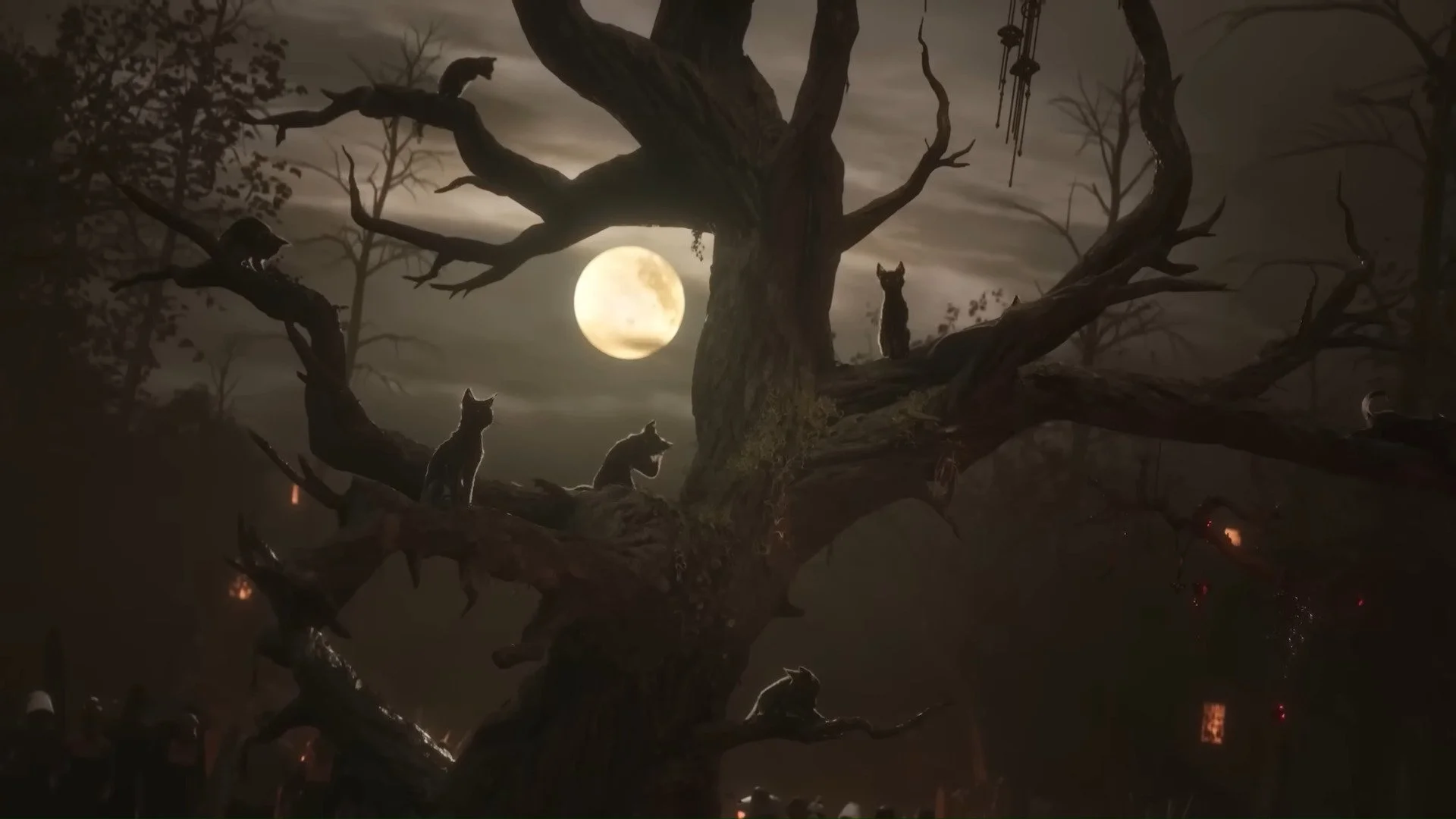
One of the games teased in Summer Game Fest this year was 1666: Amsterdam, a long-gestating project developed by Patrice Désilets. The creative director behind the first two Assassin’s Creed games, as well as Prince of Persia: The Sands of Time, Désilets left Ubisoft in 2010 to develop 1666 Amsterdam at THQ Montreal, only for Ubisoft to fire him immediately once it acquired the studio. Désilets fought Ubisoft for the rights, and finally, in 2016, won “creative and business control” of the project. He then announced in 2019 that he would finally return to make 1666: Amsterdam. Seven years later, a demo for the game was uploaded to Steam. (Meanwhile, Ubisoft is now developing its own witch-themed Assassin’s Creed game.)
Unfortunately, discussion around the game has been dominated not by its convoluted history or supposed creativity, but by the presence of generative AI. A tweet from Désilets’s studio, Panache Digital Games, confirmed that “there were indeed some early versions of assets that made their way into the prologue. [sic] This includes some in-game portraits and external marketing assets.” The tweet insists that “the Early Access and full game will not include any assets generated by AI.”
1666: Amsterdam is just the latest game to be caught with generative AI “placeholder” assets. Last year, users on X discovered AI assets in the RPG Clair Obscur: Expedition 33. (Director Guillaume Broche insisted in a later interview that in future games, “everything will be made by humans, by us.” More recently, the Steam page for Tomb Raider: Legacy of Atlantis noted that “AI-assisted tools were used during development to support some early exploration and temporary development content.” When Experience Director Jeff Adams was asked by Game Informer how generative AI would be implemented in-game, a PR representative swept in to say, “I think we’ve said all we want to say about it now.”
I find it strange that a game like 1666: Amsterdam (which has been in development for over a decade) would lean on generative AI and end up in trouble. Isn’t the appeal of these kinds of projects wasteful decadence? Why build a pyramid if you aren’t building it to last? Regardless, so long as gen AI remains a lightning rod for fan criticism, greater and smaller games than this one will be labeled “slop” so long as they take these thoughtless shortcuts.
Niantic Spatial Feeds Pokémon GO User Data to Drone Technology

Since its 2016 release, Pokémon Go has united fans across the world in their pursuit of small digital critters. I remember seeing fans in Manhattan’s Central Park a few years ago and living vicariously through their enthusiasm. Sadly, for me, that enthusiasm is now tainted by the knowledge that (per Drone XL) the “roughly 30 billion environmental scans” done by these players and others, “are now owned by Niantic Spatial, and they helped train a camera-based navigation model that a U.S. defense contractor is preparing to put into drones and other military robots.” This was done through a partnership with Vantor, an “intelligence and defense firm” that (says its website) empowers “decision makers and operators with total clarity from space to ground.”
This is not unusual for Niantic, per se. As Drone XL points out, the company “grew out of Keyhole, a geographic data firm that took funding in 2003 from In-Q-Tel, the venture arm financed by the CIA.” Nor is Niantic unique in its connections to the US arms industry; the internet itself began at the Department of Defense under DARPA. What’s ghoulish here is that Pokémon Go’s userbase was never told that its activities were only ever just a means to an end. As for Vantor, while the company says “it would not use the game’s data,” Professor Jeroen van den Hoven (per Drone XL) insists that “the development of this system would never have progressed so quickly” without “the huge number of scans from all those gamers…”
RPG Maker Web Forums Shut Down, Endangering Over a Decade of Resources
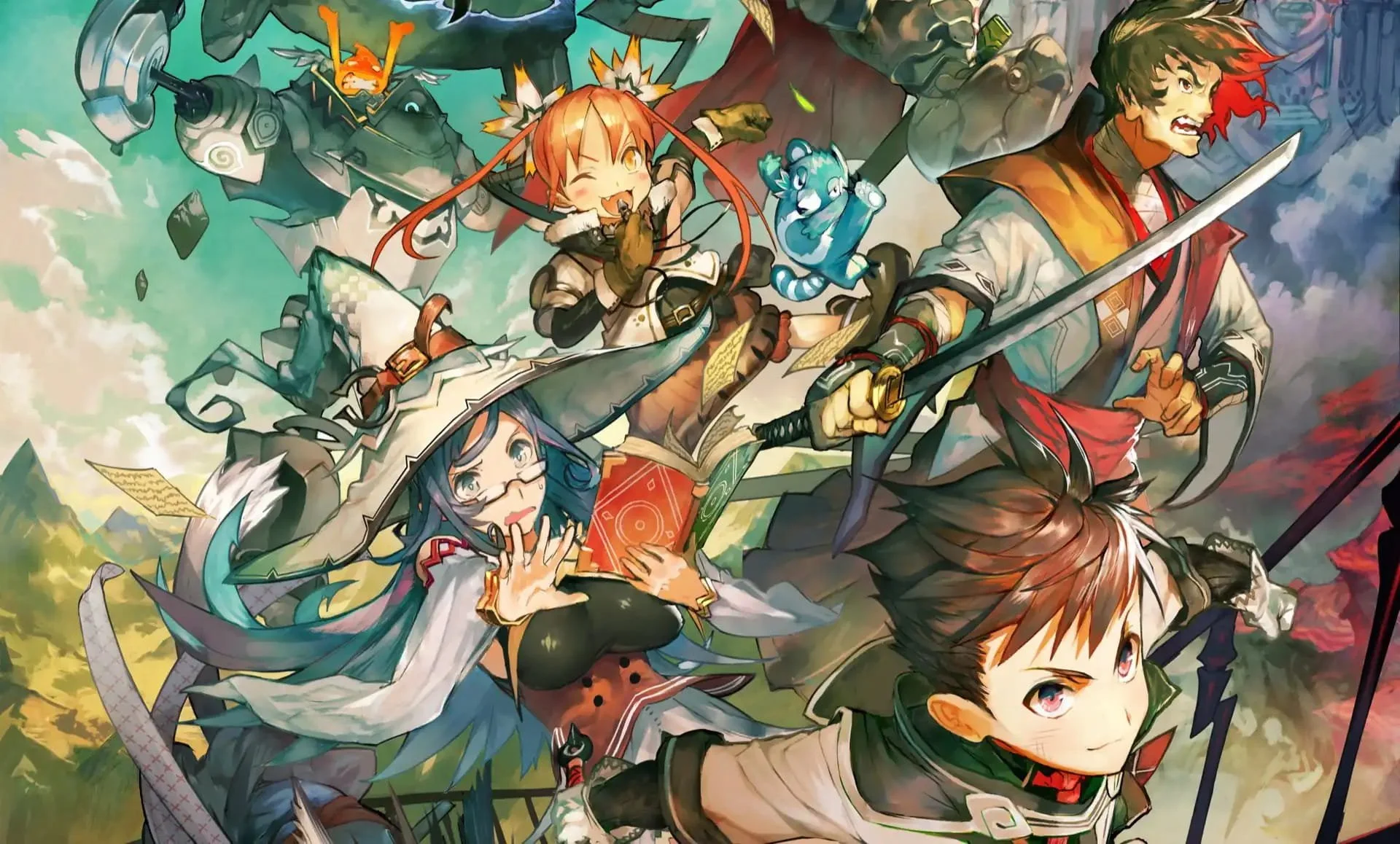
Gotcha Gotcha Games (an internal branch of Kadokawa) is shutting down the long-running RPG Maker Web forums in favour of the new RPG Maker Guild. Posting on the old forum will be suspended on June 18th, and the forums themselves will be closed on December 11th. All posts, images, and attachments will “no longer be accessible.” Per a forum thread on the topic, “there are currently no plans to provide a public archive or backup of the current forum once it has been closed.” More recently, a tweet on X from the RPGMakerSeries account says that the company is “currently working on how to archive the community assets from RPG Maker Forums,” and that “we will do our best to provide an update as soon as possible.”
The RPG Maker Web forums host hundreds of tutorials, plugins, and resources made for various RPG Maker engines, plus conversations between users going back over a decade. Says developer ManaBrent, of the absurd shopkeeping sim Final Profit, via Bluesky: “How can they ask us to put our faith in a new platform when they've just thrown this much history in the bin?” As another user said on the new RPG Maker Guild forums, “Y’all are crazy for burning down the forum in favor of this vibecoded-looking site.”
Not so long ago, RPG Maker was only available outside of Japan as translated pirate versions spread via the internet. The official release of the engine outside of Japan, coupled with the sanctioning of games, plugins, and resources made by users, has allowed for developers and artists to build their own followings online. Now the RPG Maker community faces the same crisis that Neverwinter Nights modders did when the Bioware forums closed: what happens when the sleeping giant on which you built your city wakes up and leaves? Even if Gotcha Gotcha Games now says it will “archive the community assets” from the forums, there’s no guarantee that sticking with Kadokawa would be in the community’s best interest.
Manifesto Jam Encourages Artists, Readers to “Show Me Who You Are”
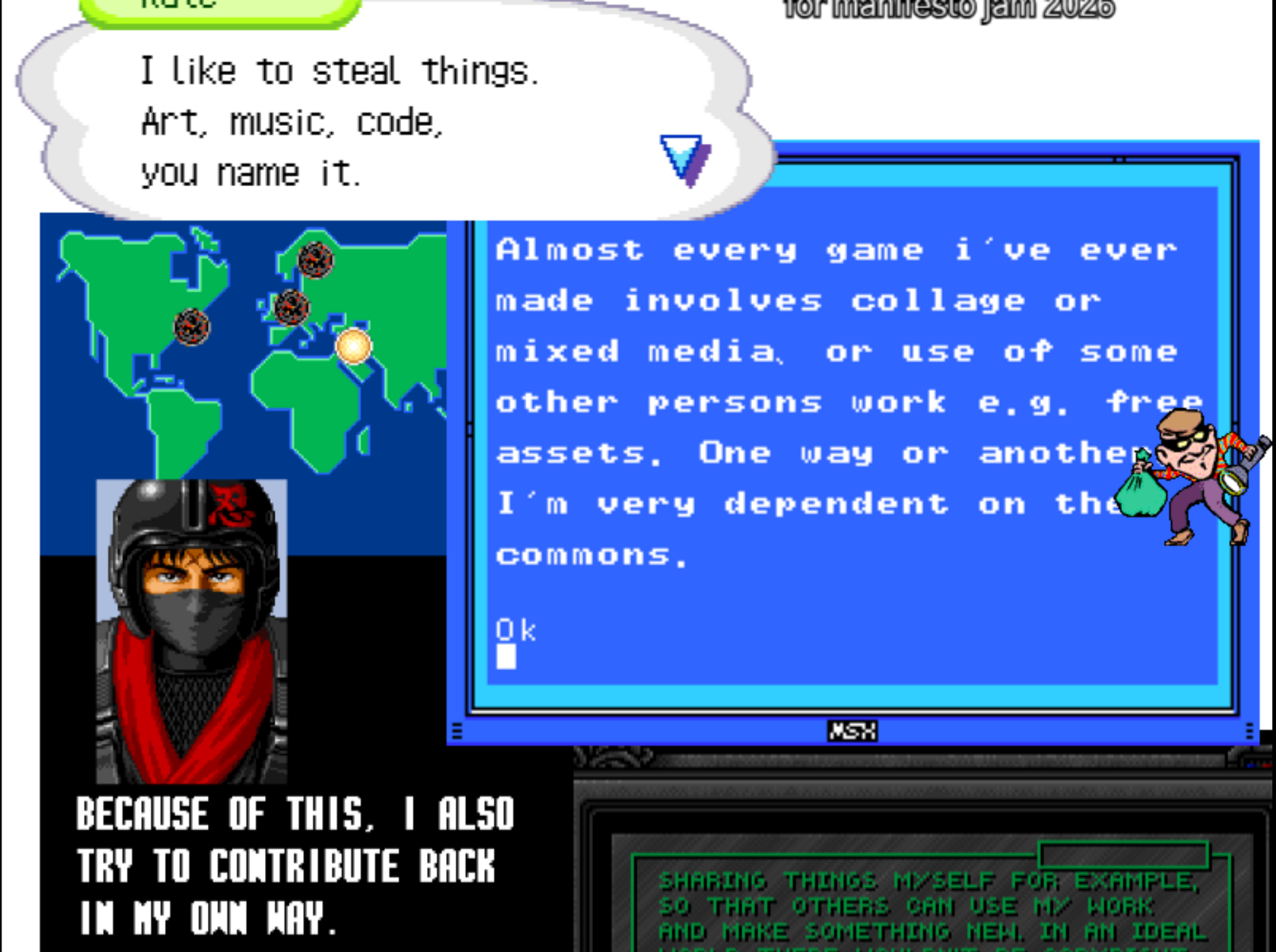
Alt text: A clip from Bagenzo’s “sticky fingers” as part of Manifesto Game Jam. Via mixed media, it reads: “I like to steal things. Art, music, code, you name it. Almost every game I’ve ever made involves collage or mixed media, or use of some other person’s work e.g. free assets. One way or another I’m very dependent on the commons. Because of this, I also try to contribute back in my own way. Sharing things myself for example, so that others can use my work and make something new. In an ideal…”
Looking for some hot takes? Check out the newest installment of Manifesto Jam, a recurring event encouraging folks to submit their thoughts in whatever form they please. Here are some worth checking out:
Mike Cook’s “NO-ONE IS GOING TO BUY YOUR GAME”: “It is easier and more fulfilling to show me who you are than it is to try and triangulate who you think I want you to be.”
haraiva’s “Against Gratitude”: “We can all stand to be more ungrateful. Question what is given to us, who gets what and why.”
Kastel’s “Obscurity is a curation problem”: “Curation creates conversations, and those conversations are the most important part.”
IAN MARTIN’s “EXPAND THE POSSIBILITY SPACE”: “These are not rules. These are just possibilities someone already found.”
Bagenzo’s “sticky fingers”: “What, what’s wrong with fraud? I ❤︎ fraud.”
Sylvie’s “Games don’t have to be good to be good”: “FPS:19”
Our own Artemis Octavio: “There is no wrong or right way to write about games. There's only bad ways and good ways.”
Update Patch News Roundup (23/06/26)
Another week, another installment of Update Patch. This time: the death of a game music giant, a new version of Unreal Engine divides developers, and Rockstar Games fails to strike “blacklisting” from its upcoming labor hearing. Plus: a Mother fan project 19 years in the making!
Legendary FPS Composer Bobby Prince Passes Away at 81

Bobby Prince’s family announced via Legacy that Prince passed away on June 16th this year at the age of 81. “While many throughout the world will remember Bobby for the music and soundscapes that helped define a generation of gaming,” reads his obituary, “those who knew and loved him personally will remember something even greater: a man of talent, integrity, humility, faith, laughter, and love whose greatest joy was sharing his wit and wisdom with family and friends.” It also says that “Celebrations of Life” will be announced at a later date.
Prince was first hired by Apogee, where he contributed music to the Commander Keen series of platformers. His legacy, though, would be his music and sound design for first-person shooters, starting with the Wolfenstein 3-D soundtrack in 1992. In particular, Prince’s rocking compositions for id Software’s masterpieces Doom and Doom II, as well as 3D Realms Entertainment’s Duke Nukem 3D, set the standard for how games of this type might look and sound. As Scuba Steve wrote on the Doomworld forums, “Bobby Prince's music is as quintessential to Doom as the engine and artwork. The game simply doesn't exist without his soundtrack.”
Ubisoft Co-Founder Claude Guillemot Dies in Plane Crash

Per Reuters, Claude Guillemot passed away in a plane crash on June 19th. He was one of two people on the plane, which was en route to the French commune of La Baule before the accident.
While Guillemot (according to Reuters) “worked largely behind the scenes as the operational backbone,” he was just as important in his own way to Ubisoft’s founding as his brothers Yves, Michel, Gérard, and Christian. Game Informer’s oral history of Ubisoft, Ubi Uncensored, quotes Yves as saying that “the business my parents had was actually declining and so we had to find new businesses, so my older brother Claude started with CD audio.” He goes on to say that ‘my brother Claude realized that he was buying from his [French] supplier at two times the cost it was sold in the U.K. to the public. So that’s where he said, ‘Maybe there’s a business here.’” Claude’s insight put Ubisoft on the path to games, changing the medium’s history in the process.
Unreal Engine 6 Will Integrate LLMs, Deprecate Actors and Blueprints
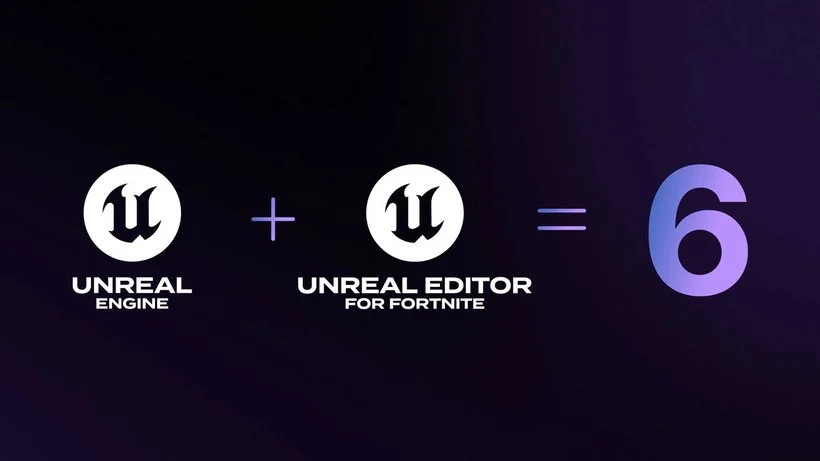
Marcus Wassmer, Executive Vice President of Epic Games, announced via blog post that Unreal Engine 6 is on the way. While “UE4 opened the engine up to everyone” and “UE5 reinvented how we build worlds,” Wassmer wrote that “UE6 is about evolving how we ship and operate them.” This includes combining Unreal Engine with Unreal Editor for Fortnite, instituting “an entirely new gameplay framework known collectively as Scene Graph” via Verse, the “the foundation for Epic’s future programming model,” and allowing for the integration of “LLMs, generative AI models, and tools like Claude and Codex…”
Unreal’s pivot towards AI has already drawn criticism from game developers like Mike Bithell, who suggests pivoting to Godot, and Vampire Survivors dev, Poncle, which, according to Aftermath, is now “reviewing” an upcoming collaboration with Fortnite. Others are frustrated by the fact that Actors and Blueprints, commonly used features within current versions of Unreal Engine, “will be deprecated when the new framework is sufficiently mature,” though Wassmer claims there will be “conversion tools to move projects from one framework to the other.” For reference, Game Developer reports that “95 percent” of last year’s critically acclaimed independent RPG Clair Obscur: Expedition 33 “was constructed in Blueprints.” Another Game Developer write-up suggests that these changes may have as much to do with making it easier for developers to port sections of their games to Fortnite as it does with convenience.
As a reminder, Epic Games founder Tim Sweeney previously developed ZZT, the influential 1991 development tool that allowed users across the world to make simple games without programming knowledge. Unreal Engine has, at its best, distributed that spirit of generosity across the games industry at an even greater scale. That Epic may be now compromising those ideals, perhaps even doing so to reinforce Fortnite at everybody else’s expense, should not be taken lightly.
Rockstar Games Will Be Charged for Blacklisting, Says Preliminary Hearing
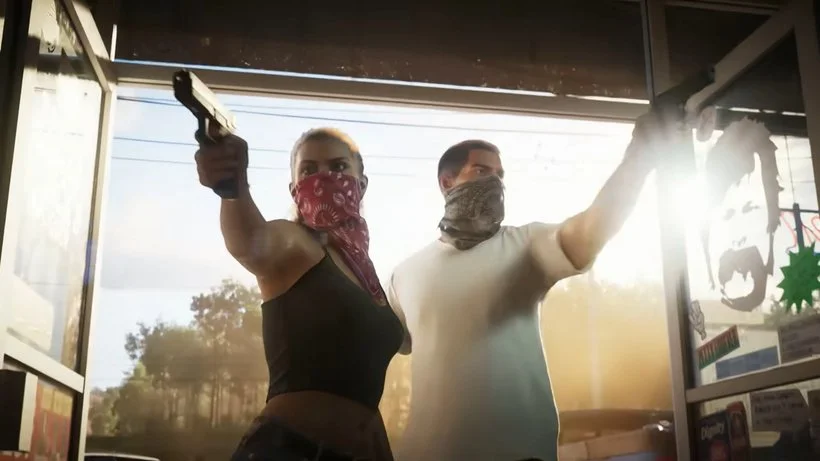
In a rare moment of good news for the games industry, an employment tribunal (per an Independent Workers’ Union of Great Britain report) ruled against Rockstar Games, which, in its recent preliminary hearing, sought to remove the claim of blacklisting from those pressed against it by the IWGB. Blacklisting, “the practice of compiling information about workers involved in union activity in order to discriminate against them,” will now be on the table when the trial begins on September 10th of this year. It will run until October 15th.
Rockstar Games, the developer of titles like this year’s market-warping behemoth Grand Theft Auto VI, has long come under fire for mistreating its staff. After reports came out in 2018 regarding extended periods of crunch in the development of Red Dead Redemption 2, Rockstar gave every indication in the following years that it would try to change its ways. Then, on October 30, the company fired 31 of its employees for (per Bloomberg) “distributing and discussing confidential information in a public forum". In fact, though, these employees were involved in a private Discord dedicated to organizing a union at Rockstar. In response, over 200 employees wrote a letter to Rockstar demanding that their former coworkers be reinstated, while others protested outside the company’s offices (as well as its publisher, Take-Two Interactive).
Says Ellie Dunstan, one of the workers fired by Rockstar, in the aforementioned IWGB report: “Rockstar thought they could control the narrative. They're wrong, and we look forward to proving it…the world will get to see for itself the evidence as to what happened last October.”
Steam Machine Launches at $1049 for 512GB Model

Valve’s Steam Machine finally launched today at $1049 (for the 512 GB model) and $1349 (for the 2TB model). Notably, these prices do not factor in Steam Controllers, which come with slightly pricer bundles–$1128 and $1428, respectively, depending on the model. This is not unexpected, considering that the price of the Steam Deck’s 512 GB model was recently ratcheted up from $549 to $789. But it’s certainly much more expensive than Valve intended when first developing the device; Valve’s announcement notes that “our original goal for the price of Steam Machine is no longer viable.” It also says that the high price of RAM and storage components, “which are affecting hardware products everywhere,” has “impacted the number of units we've been able to produce for launch.”
First announced in November 2025, the Steam Machine was intended to follow up on the success of Valve’s Steam Deck by bringing an entry-level PC experience to living room consoles. The result, according to reviews, is amazingly quiet and cool in temperature, but also less powerful than the $899.99 PS5 Pro. Once SteamOS 3.8 is released, says The Verge, it will also become possible to build a “Steam Machine” out of parts you purchase yourself. But would that really be any less expensive? Try finding a comparable Chinese mini PC in stock or price out a similar build to the Steam Machine,” says Aftermath; “while you might be able to hit a similar price if you get lucky, it is unlikely that it will be in anything approaching the same form factor…this is straight up what computers cost now.”
Lost Records: Bloom & Rage Developers Dontnod May Run Out of Funding This November
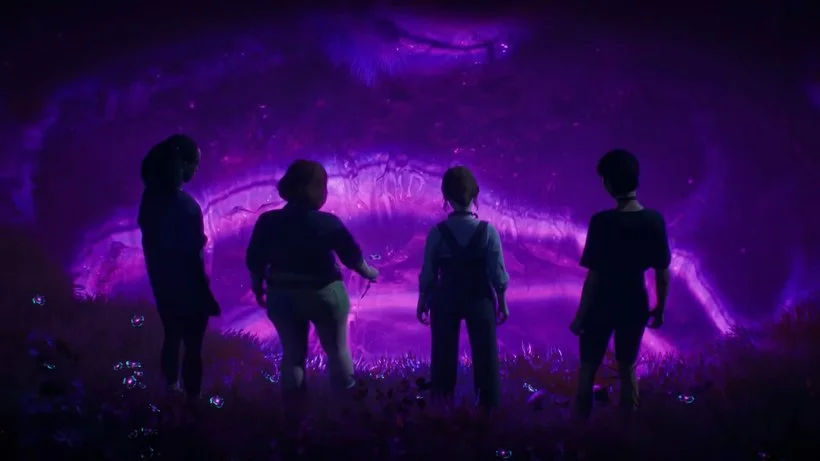
Per GamesIndustry, former Life is Strange developer Dontnod is on track to run out of money by November unless it finds financing elsewhere. The company’s auditor (says journalist Gauthier Andres) wrote in a report that the chair of the board, Oskar Guilbert, has spent the past “several months” searching for funding without success. Dontnod’s main shareholder Tencent, has rejected requests for “a short-term increase in capital,” as have “major industry players.” Dontnot previously laid off staff from its Montreal office (said Eurogamer) in June 2025.
In a statement to Game Developer, Dontnod claimed that the auditor’s findings were “based on the information available at the reporting date and does not take into account the potential impact of the various financing and cash preservation initiatives currently being pursued by the company.” While the studio admitted that the current state of the games industry is “very challenging,” it insisted that it remains committed to survival via “financing initiatives, disciplined cash management and an optimized operating structure.” (Perhaps: securing funding, being thrifty, and laying off employees.)
Dontnod is not unique in its struggles to find funding. Nagoshi Studios, founded by former Yakuza: Like a Dragon developers, including Toshihiro Nagoshi, collapsed after its backer NetEase, announced (per Kotaku) that it would stop funding the studio’s upcoming game in May. Just this month, Kwalee Labs CEO Hollie Emery announced via LinkedIn that the entire team behind recent bullet hell shooter Luna Abyss (praised by Rock Paper Shotgun and PC Gamer) had “been made redundant; a decision that was completely outside of our control.” What could be the cause? One potential answer: in a 2025 survey by the Game Developer Collective (per Game Developer), 64% pinned turmoil in the games industry on “unreasonable investor expectations.”
European Commission Responds to Stop Killing Games Petition

According to a press release from the European Commission, in response to Stop Killing Games’ petition requesting a stop to games “designed to be completely unplayable for everyone as soon as support ends,” the Commission “cannot propose a legal obligation to keep video games playable after they stop being provided commercially.” Its reasoning is that “Under EU copyright law, rights holders enjoy exclusive rights over their creations,” and that “existing EU consumer law already provides for important safeguards protecting the economic interests of consumers.” That said, the Commission says it “will work with consumer organisations and authorities to raise awareness about the applicable rights that protect consumers…” In response, Stop Killing Games announced via X that it would be “pushing forward with” the European Parliament “ammending #StopKillingGames to the Digital Fairness Act.” [sic]
Stop Killing Games was founded in 2024 by Ross Scott (Freeman’s Mind, Ross’s Game Dungeon) following the shutdown of Ubisoft’s The Crew in 2014. Its leadership now includes Moritz Katzner, Jonah Goldman, and Clemens Istel. The organization focuses on finding legal means to ensure companies develop (per the Guardian) “end-of-life” plans so that games remain playable after being sunsetted by developers. Other initiatives include “a successful petition to get the issue debated in the UK parliament” as well as California’s “Protect Our Games” act.
Folklore Developer Game Republic Enters Bankruptcy, Investigated for Debt

Per Time Extension, Japanese games studio Game Republic has now entered bankruptcy. Founded by former Capcom designer Yoshiki Okamoto in 2005, the studio is responsible for the cult classic PSP RPG Brave Story: New Traveler as well as the oddball PS3 adventure game Folklore. Most infamously, Game Republic made Genji: Dawn of the Samurai and its sequel Days of the Blade; the latter was the star of E3 2006’s “giant enemy crab” demo presentation. VG247 reported in 2011 that the studio had “closed down its website and vacated its office space,” also alleging that “Yoshiki Okamoto has left Japan ahead of massive debts.” TSR, which, according to Time Extension, broke the news of the studio’s bankruptcy, suggests that the studio’s “amount of debt involved is currently under investigation.”
Earthbound Beginnings ROM Hack Finished After 19 Years

Alt text: Various characters from Mother and Mother 2 (Earthbound) stand around an open white box in the woods.
Few video game fans are as passionate as fans of Mother, the trilogy of RPGs written by copywriter Shigesato Itoi and set in the United States. In case you needed another reminder, here’s Earthbound Beginnings, a reimagining of the first Mother game inside the engine of Mother 2 (or Earthbound, as it’s called outside of Japan). The ROM hack comes with a tweaked version of Earthbound itself to ensure consistency.
Per the hack’s site FAQ, Gabbi developed the current iteration of the project from 2021 to its release date on June 14 this year, with the help of multiple contributors. Before that, H.S., as well as Mother 3’s fan translator, Tomato, worked on earlier versions before giving up. Each of these projects was distinct; if you combine the collective time spent on each, though, it took nineteen years for Earthbound Beginnings to finally be completed.
“If I wasn’t crazy and didn’t value this project over my own life,” Gabbi said in a video commemorating the release, “I would have never met any of the wonderful, talented people who helped make this possible.”
Update Patch News Roundup (29/6/2026)
Welcome back to another week of Update Patch. I don’t know about you, but it’s the end of June, and I’m tired. It turns out that covering the collapse of the games industry every week takes a lot out of you! Don’t forget to take time out of your day to drink water and exercise instead of spending your waking hours doomscrolling. This week we have layoffs at Bungie, the controversy surrounding Grand Theft Auto VI’s lack of a proper physical release, and a new web ring meant to celebrate games writing across the internet.
Bungie Lays Off 292 People Following “Monument of Triumph” Update
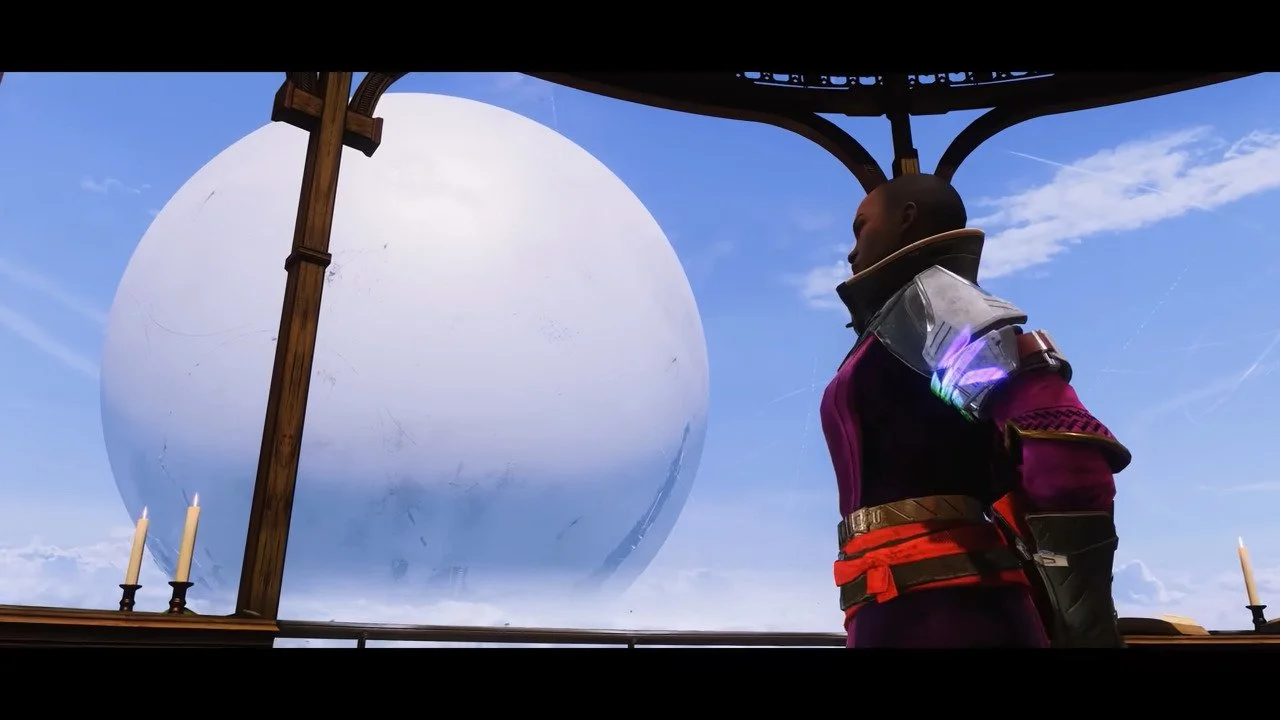
Bungie, the developer behind the Destiny series, Marathon and the first four Halo games up through Halo: Reach, announced “a reduction in force” via Bluesky. “We recognise that Destiny 2 fell short of expectations these past several years,” it said. “Following our final content update to Destiny 2, and with our future projects still in early incubation, we unfortunately could not continue operating at our previous size.” Per Kotaku, at least 292 people have been laid off. Additionally, Bloomberg reporter Jason Schreier reported via Bluesky that “Bungie studio head Justin Truman, who succeeded Pete Parsons last year, is stepping down…” Paul Tassi at Forbes then reported via X that Poria Torkan, former Vice President of Operations, is now running the studio.
Bungie’s works Destiny and Destiny 2 set the standard for live-service games on release, blending Halo-style gunplay with MMO loot acquisition. The studio’s new game Marathon is less accessible, but nevertheless retains a cult audience that loves the game for its particularities. Despite this, life at Bungie has been tumultuous since (and in fact, before) the studio was acquired by Sony in 2022. Longtime staff members like composer Michael Salvatori were let go, while others (like former Destiny senior staff Luke Smith) simply left. Meanwhile, Sony has cancelled future expansions planned for Destiny 2 after it and Marathon underperformed financially. The hotfix for Destiny 2’s final update, “Monument of Triumph,” has also been delayed due to the recent layoffs.
Hardware Prices Continue to Rise Due to DRAM, Storage Shortage
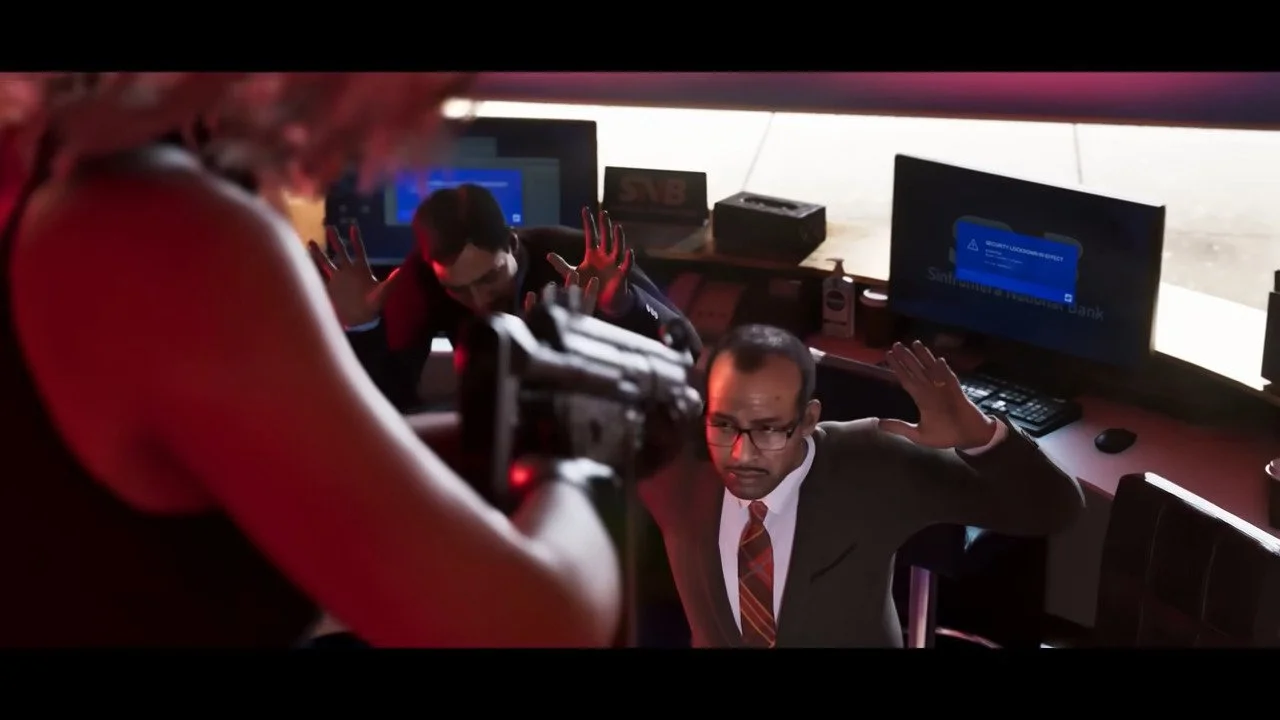
Hardware prices continue to rise throughout the games industry. Microsoft is increasing the price of its Xbox 512 GB model by $100 and 1 TB model by $150, while also sunsetting the 2 TB mode.l “Unfortunately, console storage and memory prices have increased by more than 2.5x and we expect another doubling by the fall of 2027,” says an Xbox Wire post. Meanwhile, per WCCFTech, the generative AI boom has resulted in the price of dynamic RAM increasing by 89% in the second quarter of 2026 due to shortages. Storage prices are also increasing, leading to attendant rises in laptops, smartphones and gaming consoles. Another WCCFTech report (quoting the financial firm Jeffries) suggests that the current price spike will not ease until 2028, if then.
For context, Gamers Nexus’s Steam Machine review includes a notable quote from a Valve employee. “They give us a price,” he says, “and say, ‘you can have that many.’ If we say no, they never talk to us again.” If component companies are treating Valve this way–a company that has effectively run a monopoly on PC games for the past two decades–I can’t imagine how other companies fare. The Game Business recently quoted “a senior games buyer” who said that “we won’t be getting the units we want ahead of [Grand Theft Auto VI]...demand will likely outstrip supply during the year-end period.”
Tencent “Negotiating Exits” With Studios Including Daemon X Machina Developer Marvelous Inc.
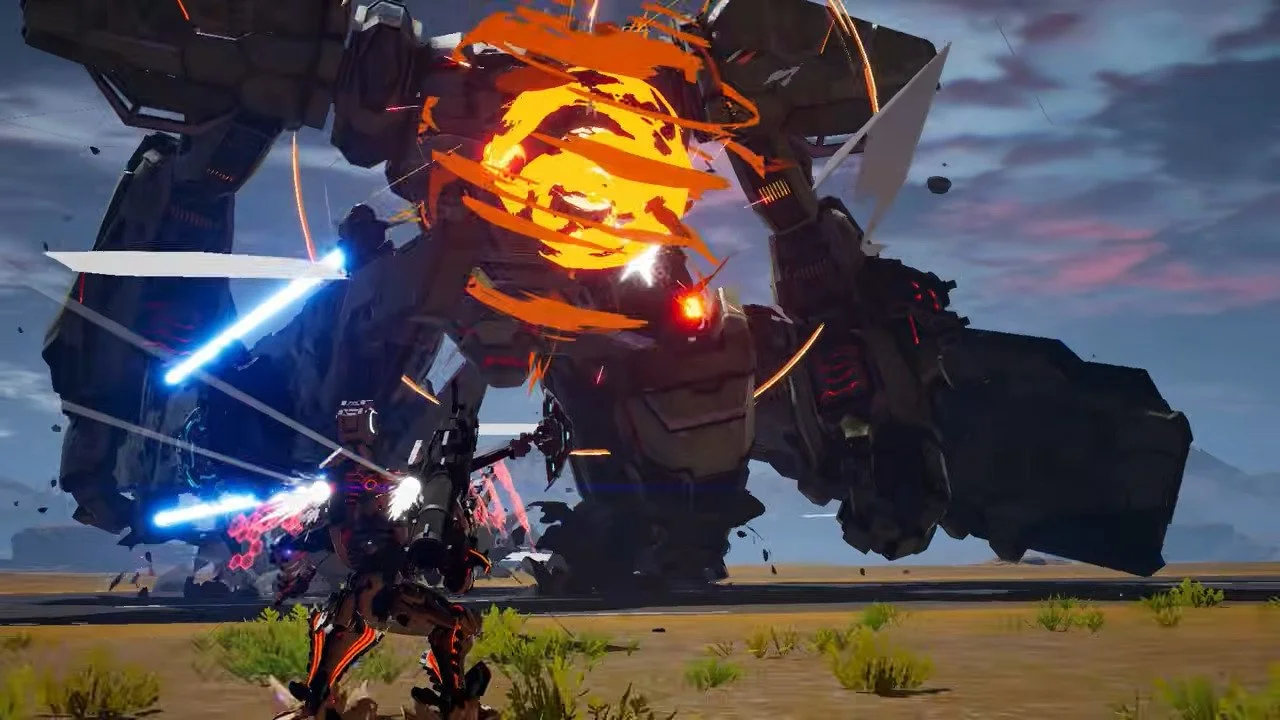
Per Bloomberg, Tencent is negotiating exits from several game studio investments in Japan…as part of a reassessment of the company’s global portfolio…” Among the studios affected is Marvelous Inc., the developers behind the games Rune Factory 4, Monster Hunter Stories and Daemon X Machina. Like with the recent Microsoft layoff news, Bloomberg claims that Tencent is “in some cases is preparing to sell stakes back to the original management team, even if it means incurring a loss…” Its ties to other studios such as PlatinumGames and From Software, though, will “remain unaffected…”
Tencent follows in the footsteps of NetEase, which (as previously mentioned in startmenu, and reported by Bloomberg) cut funding to Nagoshi Studio in May of this year.
Riot Teams Up With Kick, a Streaming Platform That Broadcasts Gambling, Death

Riot, the developers of League of Legends, has announced that it is “welcoming KICK to our global roster of streaming platforms” starting with MSI 2026. “KICK is the primary platform for many passionate esports fans, especially in LATAM, MENA, and Europe,” says a post on Riot’s website. It goes on to say that Riot will “apply the same moderation practices and standards” to KICK streamers that “creators on other platforms are held to, ensuring a safe and positive experience for all.”
Kick was co-founded by Ed Craven, who previously co-founded the online cryptocurrency casino Stake in 2017. According to the Sydney Morning Herald, Craven and company registered Kick after “live-streaming platform Twitch, the market leader, owned by the US giant Amazon, banned streams promoting unlicensed gambling sites and named Stake among them…” While the platform is apparently popular in Peru and Saudi Arabia, it has also attracted its share of controversies, including one incident where streamers hired “a sex worker in Brisbane while hiding in an adjoining room,” and another where “mixed martial artist Raja Jackson beat a professional wrestler unconscious on a Kick stream…” Last year a French Kick streamer died in his sleep during a live broadcast.
According to the Herald, Kick is not yet profitable, and is subsidized by Stake. The article quotes Concordia University postdoctoral fellow Andrei Zanescu as saying that “its generosity to creators only made sense as a way of buying customers for Stake,” despite the fact that (per company director Ethan Wright) “slots is actually a demonetised category…you do not get paid for streaming in it.” Regardless, says the Herald, “gambling streams are still among the most popular on Kick…and that is the point.”
Grand Theft Auto VI Launches With “Download Code” In The Box, No Disc
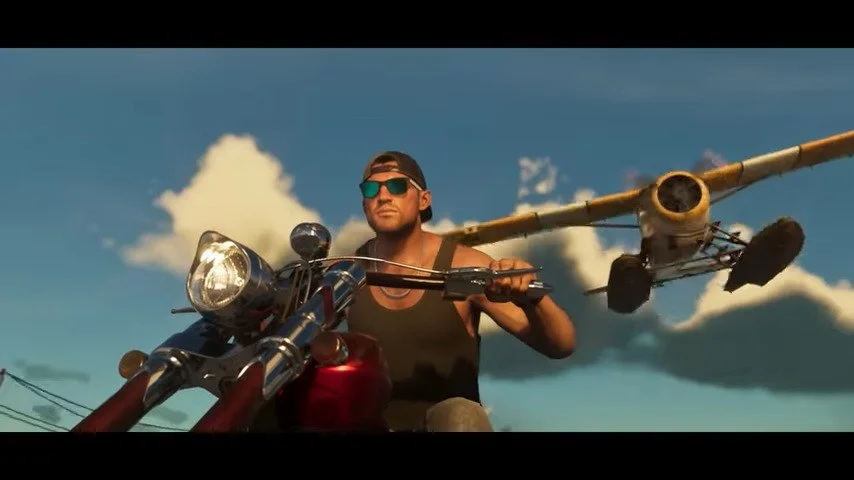
Rockstar Games announced that the physical version of the upcoming Grand Theft Auto VI will not include a disc. Instead, it will contain “a download code inside the box,” and “will be available starting November 12th to support pre-loading.” The Hollywood Reporter then confirmed that “there are no plans for Grand Theft Auto VI discs to be printed — not at launch, and not months after.” Grand Theft Auto itself launches on November 19th.
The availability of digital versus physical copies remains an ongoing debate in the games industry. Per Matt Piscatella on Bluesky, customer spending on physical game copies has declined significantly since 2009. A number of PS5 and Xbox models, including the PS5 Pro, do not have disc drives. Despite this fact, Nintendo’s new “game-key card” cartridges (which require that the player download a digital copy of the game, rather than function as a copy of the game itself) have been controversial among fans. Speaking personally, I also can’t help but worry for those with poor internet connections. How are they supposed to download what will likely be a colossal game? Your guess is as good as mine.
Wes Fenlon and Matt Sayer Launch Warp Point Web Ring

An image of the Warp Point homepage, displaying the featured post “A Dreamcast DVD Player Appears!” from The Dreamcast Junkyard.
Games critics Wes Fenlon (Read Only Memo) and Matt Sayer have launched Warp Point, a new webring for games criticism and blogging. The site displays a featured post as well as multiple categories including “criticism,” “game development,” and “preservation.” Bloggers can submit their sites for manual review so long as they have an RSS feed, an 88x31 pixel image, and aren’t on Substack. The site also says that “If Patreon ever adds full RSS functionality, it will be supported.” Current hosted sites include big names like Mothership and Bullet Points Monthly, as well as smaller sites like my personal fave Kimimi the Game-Eating She-Monster. You can find work by start menu contributors like Artemis Octavio’s Stop Caring there as well.
“Since the dot-com boom,” writes programmer and designer Matt Sayer, “we've ceded more and more of the internet to large corporations that have homogenised and commodified what was once a haven of free creativity. With Warp Point, we want to revive the curious spirit of the old internet and celebrate the unique perspectives we as individuals can bring to the table.” Fenlon follows up with the statement that “the only way to make a better internet is to build it ourselves.” Hear hear! I’m hoping to see this site continue to expand and diversify in the months ahead.

![[PATREON UNLOCK] Update Patch - June 2025](https://images.squarespace-cdn.com/content/v1/5caf2dea93a63238c9069ba4/1751704862124-POQXWBDKGLHMLQ1PEBDT/Update+Patch+Week+0.jpg)
![[PATREON UNLOCK] Update Patch - February 2026](https://images.squarespace-cdn.com/content/v1/5caf2dea93a63238c9069ba4/1772562881770-ZXZN65X2NZXJBKI3HAZF/Update_Patch_0.jpg)
![[PATREON UNLOCK] Update Patch - May 2026](https://images.squarespace-cdn.com/content/v1/5caf2dea93a63238c9069ba4/1780593079499-PGIJE6GWD4XQGHSKHJXF/MixCollage-04-Jun-2026-06-11-PM-9246.jpg)