Interview | Behind the Scenes with Urban Myth Dissolution Center Dev Hakababunko
Every year, the Japanese games magazine Famitsu asks local developers to list their favorite titles. The results are then compiled in a year-end feature. 2025 saw these developers champion titles that should be familiar to our readers, like Clair Obscur: Expedition 33 and Ghosts of Yotei. But most surprising of all was the frequent mention of Urban Myth Dissolution Center by devs across Japan. Despite being made by a tiny independent studio, it beat out Nintendo titles Donkey Kong Bananza and Mario Kart World to score third place in Famitsu’s developer rankings.
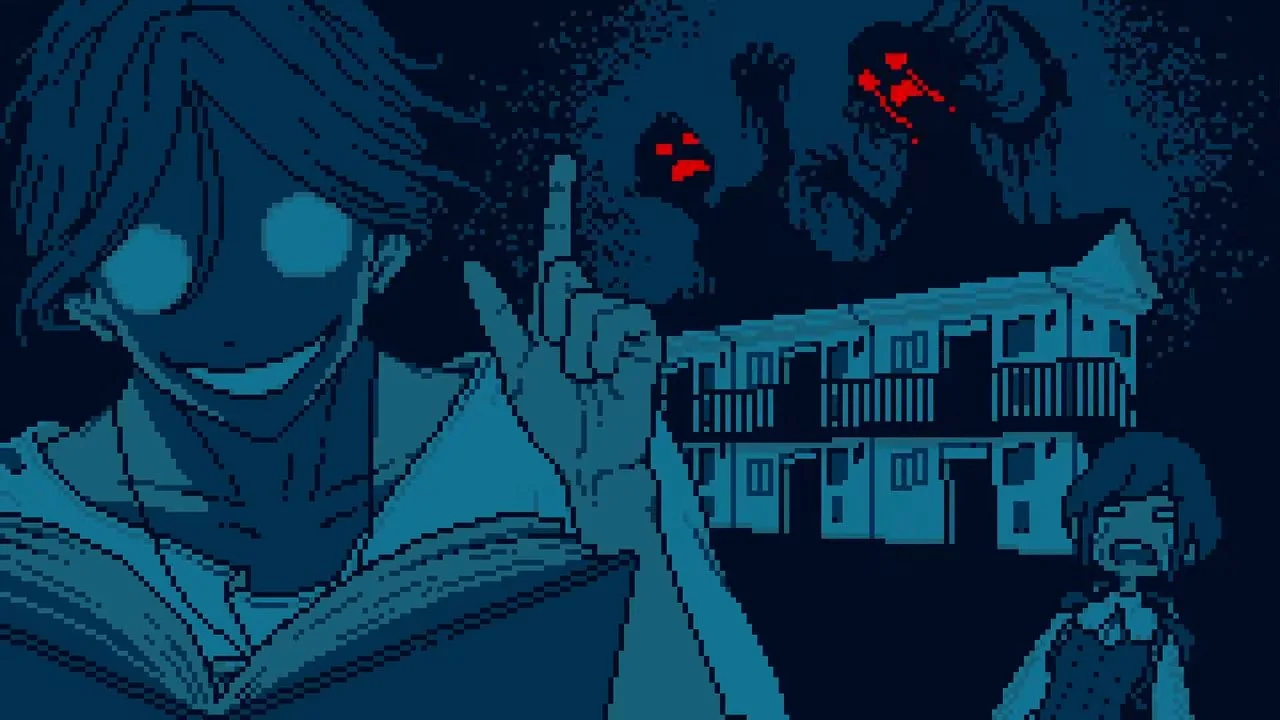
Urban Myth Dissolution Center combines stylish aesthetics with systems that borrow from both classic Japanese adventure games as well as recent deduction puzzlers like The Case of the Golden Idol. Its story treats Japanese urban legends and their origins with the same seriousness that mystery novelist Natsuhiko Kyogoku does yokai. While I had some issues with the game when I reviewed it last year, I did find it to be very interesting, and I’m not at all surprised that it captured so many people’s hearts in 2025.
In order to learn more about the game, we at startmenu reached out to the developers at Hakababunko, who were kind enough to answer our questions. Some of what they discussed included the studio’s origins, its influences, and what was up with that moose.
How did Hakababunko come to be? Please introduce yourselves.
Haf Haf Oden: Originally, it was just me (Haf Haf Oden) and our programmer Mochikin working on development together. When progress stalled, friends from a Discord server called "Hakaba" (meaning "graveyard") that Mochikin ran stepped in to help. That's how our core four came together: myself, Mochikin, Kikkyawaa on scenario writing, and Ada-P on music. That's Hakababunko as it exists today.
The studio's earlier series, Makoto Wakaido's Case Files, was originally developed for iOS and Android. What made you decide to bring the game to computers with the Trilogy Deluxe edition and remain there with Urban Myth Dissolution Center?
Haf Haf Oden: We originally released The Makoto Wakaido Case Files as a free-to-play mobile title with ads. But our development concept was "build it fast, ship it fast", we weren't thinking about monetization at all. We developed and released three games in one year and made nothing essentially. That's when we decided to port them to PC and Switch as paid releases.
That said, both Wakaido and UMDC were designed to be picked up and played casually, which suits mobile gaming well. We'd definitely like to revisit mobile releases in the future.
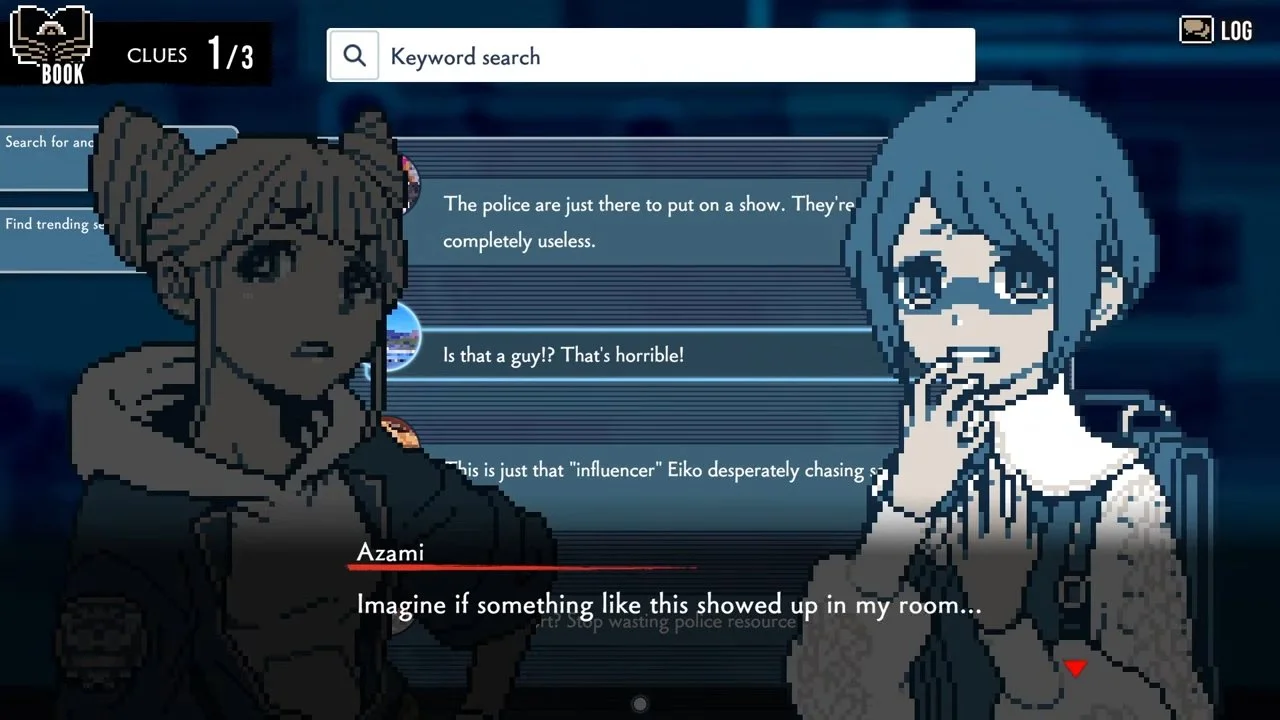
Makoto Wakaido's Case Files credits just four people on the studio's official website: Mochikin, Kikkyawaa, Ada-P, and Hafhaf Oden. The credits for Urban Myth Dissolution Center though, feature many other names in addition to this core team, such as developer Nanbu Yasumi (of The Land of Seidr.) What benefits and challenges did you encounter working with a larger group of people? What other connections exist between your team at Hakababunko and other Japanese independent game development studios?
Haf Haf Oden: You're right, Urban Myth Dissolution Center was made possible by many talented people beyond our core four. The biggest benefit was that we could incorporate creative approaches and expressions that the four of us couldn't have achieved alone, making UMDC a more compelling game overall.
As for challenges? Honestly, I don't think there were many. That ties into your question about our connections with other indie devs. Most of the collaborators we brought on were either already friends or creators we deeply respect. The Kansai indie game dev scene has really strong community bonds. There's already an established culture of mutual support and collaboration.
Both Makoto Wakaido's Case Files and Urban Myth Dissolution Center utilize an episodic structure, much like a television series. What appeals to you about this format?
Haf Haf Oden: We've noticed a growing number of players, especially casual audiences, who can't commit to lengthy play sessions. We wanted to create something they could enjoy in bite-sized chunks, so each episode is designed to wrap up in one to two hours.
Think of it as a format for people who spend more time on YouTube or Netflix than playing games. We believe bringing more casual audiences into gaming is how you grow the player base overall.
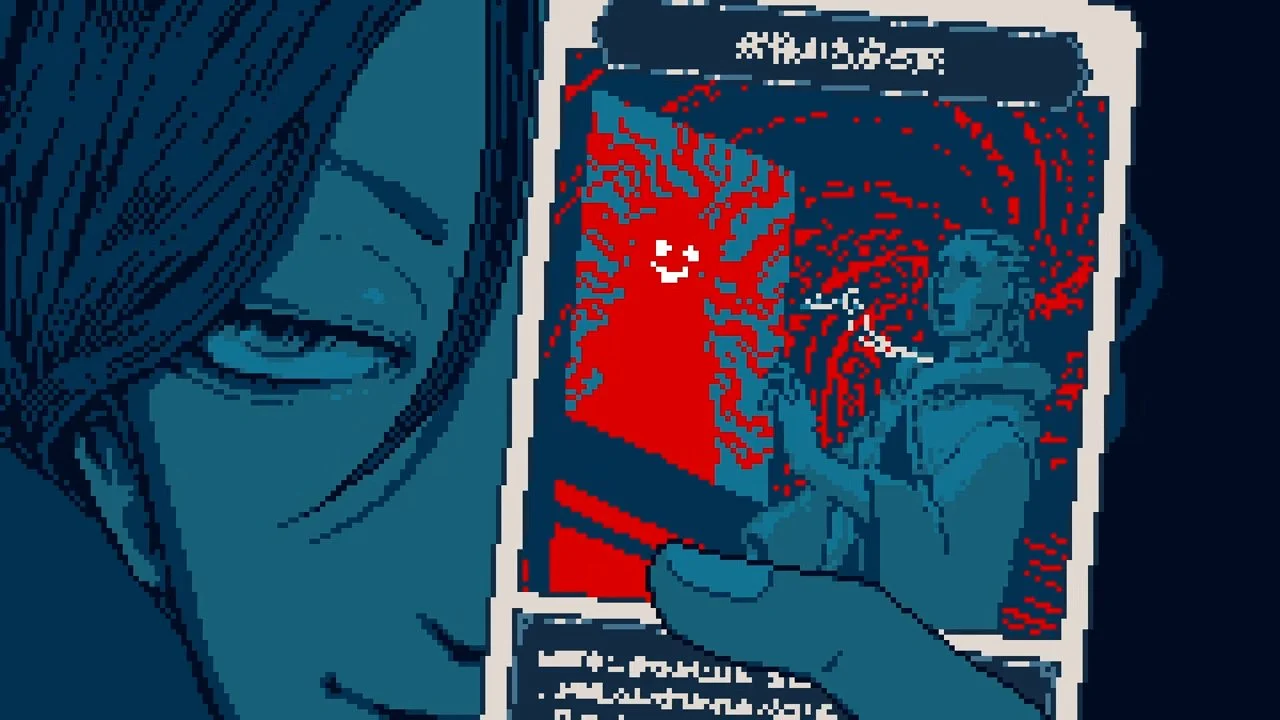
In an interview with WayTooManyGames, you said that Urban Myth Dissolution Center was inspired by Natsuhiko Kyogoku's mystery novels. Can you explain what aspects of his works inspired you?
Haf Haf Oden: In Kyogoku's Hyakki Yagyō (The Hundred Demons) series, murder cases are framed through the lens of yōkai, Japanese supernatural creatures, and resolved through a process called "exorcism." Those novels are set in postwar Japan, the late 1940s and 1950s.
Urban Myth Dissolution Center transplants that concept to modern-day Japan, swapping "yōkai" for “Urban Myths”. Beyond that core premise, we drew inspiration from various elements, including the roles of main characters.
Kyogoku's "yokai novels" are set in post-World War II Japan. Urban Myth Dissolution Center, on the other hand, is set in the modern day and incorporates social media. What made you choose the present as a setting rather than a past (or future) historical period?
Haf Haf Oden: Both historical and futuristic settings have their appeal for mystery stories. But we chose the present because it's the easiest era for players to emotionally connect with. The game world feels like an extension of their daily lives.
Social media is part of that. When players do things in-game that they already do every day in real life, the fictional world starts to feel real. That sense of authenticity deepens immersion.
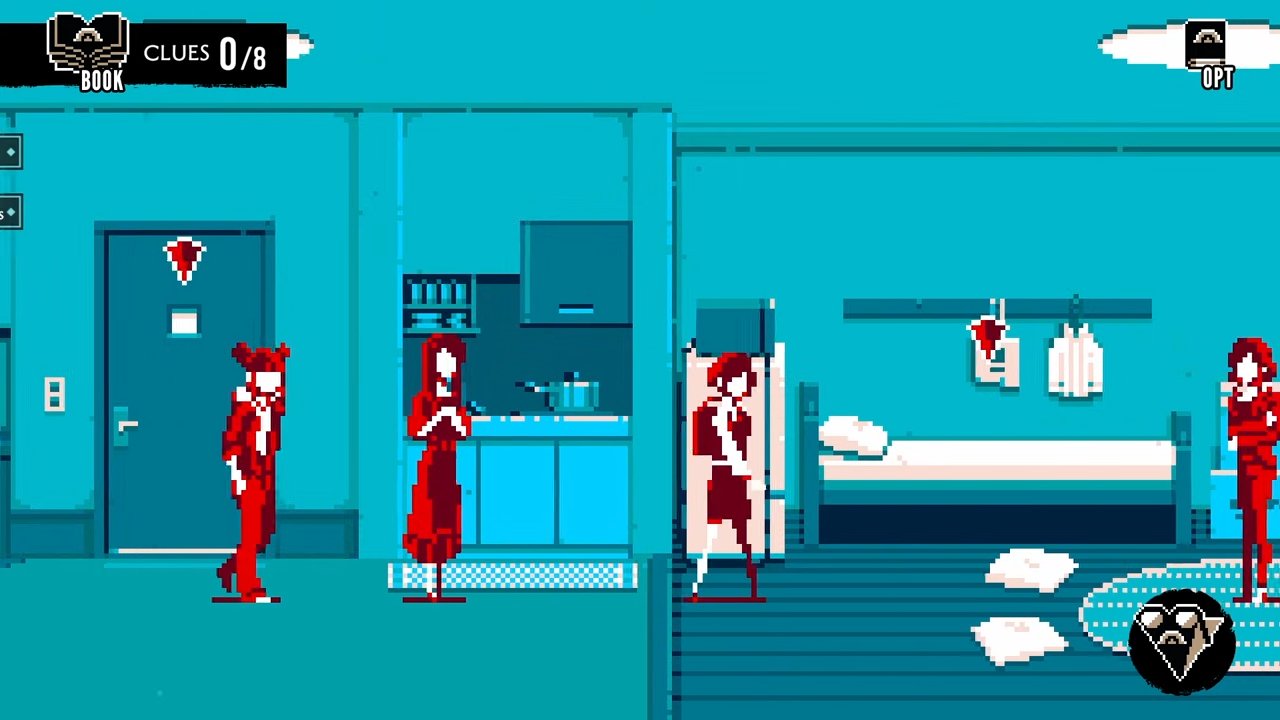
What other mystery authors inspired you while creating Urban Myth Dissolution Center? Are there any you might recommend to curious players or readers?
Haf Haf Oden: We've drawn influence from many writers and works, but the one players mention most often after playing UMDC is probably Agatha Christie.
Urban Myth Dissolution Center uses a limited color palette of grey, blue, red, and yellow. What made you choose these colors in particular?
Haf Haf Oden: We decided early on to limit our color palette; constraints help make a stronger visual impression on players.
The first color we locked in was a grayish beige that could represent human skin tones. Then, since we're dealing with urban legends and the occult, we needed blue to express "shadow" and "darkness." Yellow became its opposite, "light." And red represents the supernatural, the uncanny things that shouldn't exist in reality.
We occasionally use gradients, but overall, we work with fewer than ten colors.
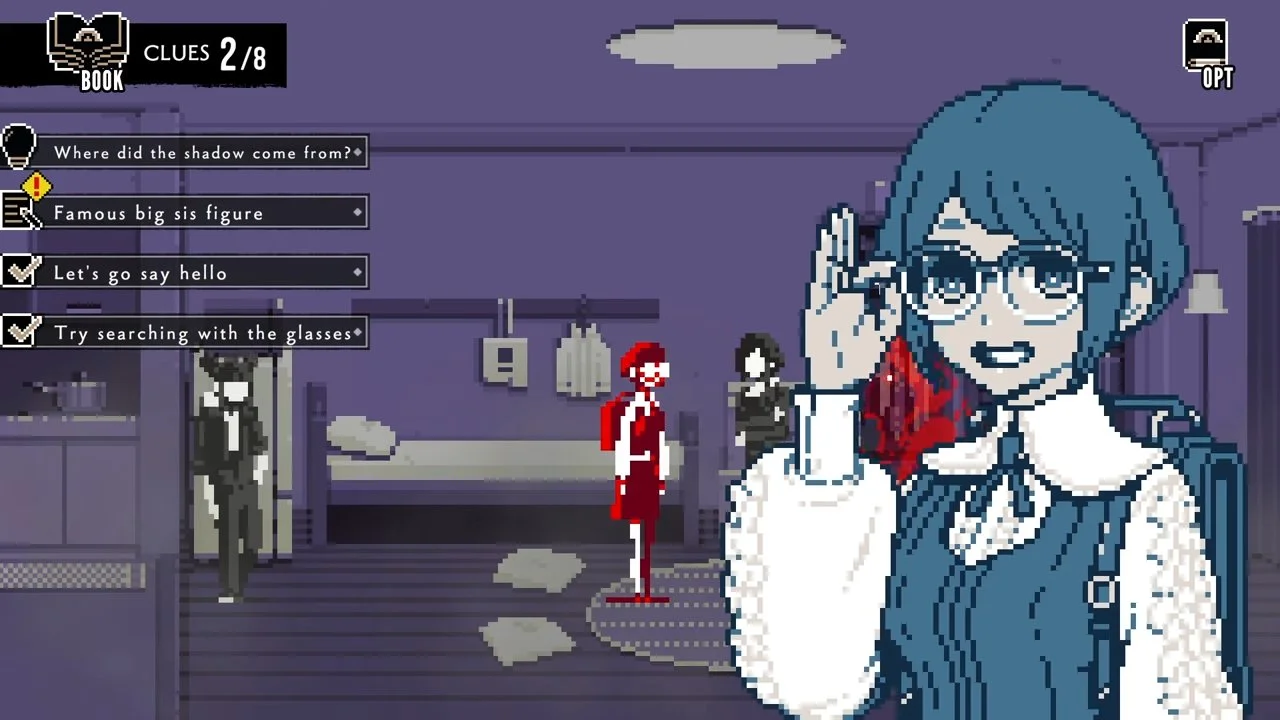
While the game's six chapters directly relate to just six urban myths, there are many others referenced offhand within the game. Are there any in particular that you would love to build a chapter around? Are there other urban myths that you wish you were able to fit into the game?
Haf Haf Oden: One urban legend that got cut during development was the Ouija board, or as it's known in Japan, "Kokkuri-san," a form of spirit summoning similar to using an Ouija board at a sleepover. It was originally planned for a later episode, but we needed that space for scenes tied to the main storyline, so it was replaced with a different urban legend.
While Japan has a long history of mystery adventure games, Urban Myth Dissolution Center also reminds me of recent "deduction" games like The Case of the Golden Idol. Where do you see this game within the broader continuum of history and genre?
Haf Haf Oden: That's a tough question. You're right that there are parallels with The Case of the Golden Idol; it definitely influenced us during development. But as for where we fit in the broader history and lineage of mystery games... I'm not sure we can say definitively. Maybe in a few years, someone else will come along and categorize us. That'd be nice.
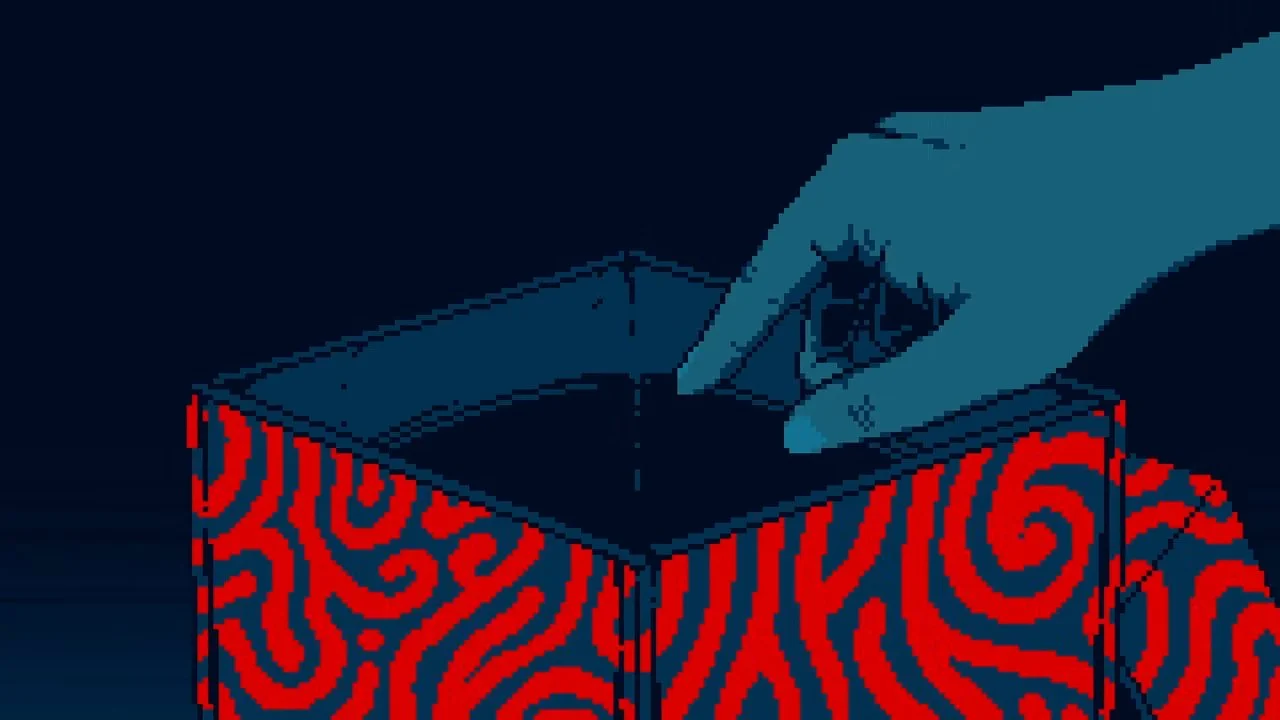
The ending of Urban Myth Dissolution Center opens up the potential for a sequel. Are you planning to return to this world for your next game, or are you planning another Makoto Wakaido Case File – or perhaps even another genre of game entirely?
Haf Haf Oden: Who knows? Honestly, we don't know either! What I can say is that we weren't thinking about a sequel while developing UMDC, so it's not something we can just spin up easily. That said, we do want to keep making games in the mystery adventure space, whether you call them visual novels, text adventures, or something else.
Your encyclopedia in the game has a moose mascot. Where did this moose come from? Are they an urban myth, too?
Haf Haf Oden: He was originally created as the mascot for the Urban Myth Dissolution Center as an organization, like a baseball team mascot, basically. As the story and setting evolved during development, his role shrank, and now he only appears in the encyclopedia.
His name is "Toshikai-kun." It's a play on the abbreviated Japanese title: Toshi Densetsu Kaitai Center → Toshi-Kai. The name sounds like "reindeer" in Japanese (tonakai), which is why he ended up looking like one!