How Jimmy and the Pulsating Mass Came to Be
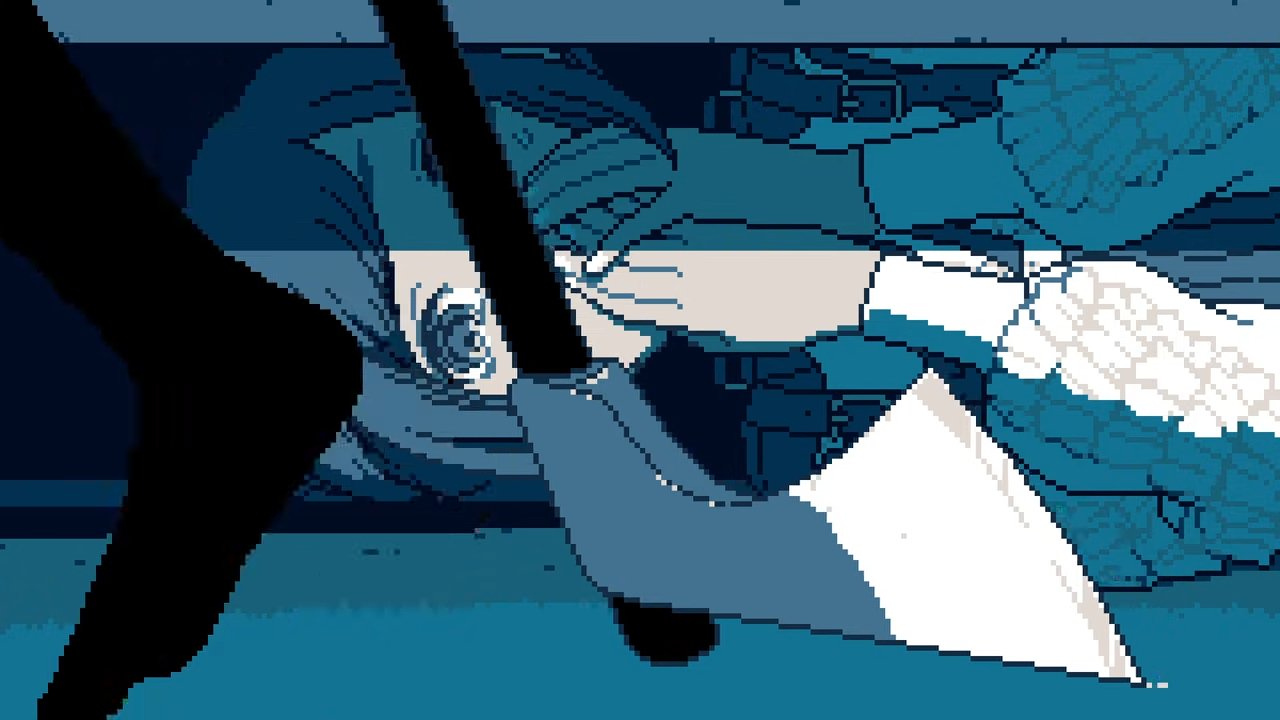
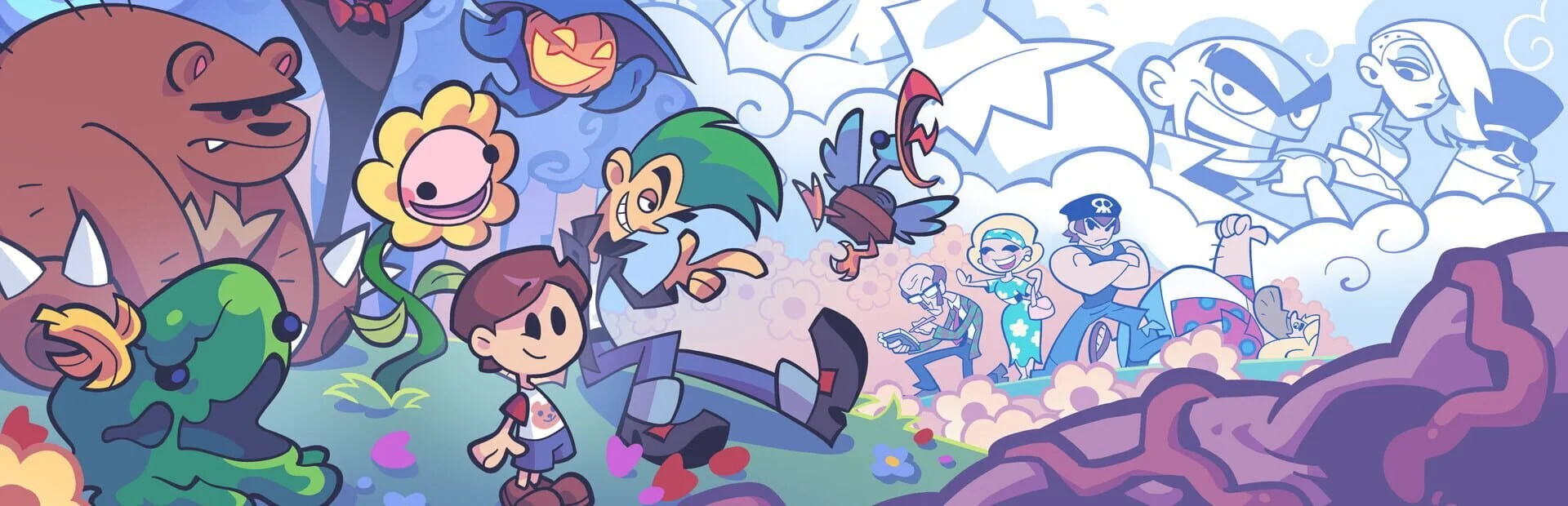
In his dreams, Jimmy lives an ordinary life with his mother, father, and two brothers. But there is a sickness at the core of this paradise: the Pulsating Mass, which will consume everything Jimmy holds dear unless he finds a way to stop it. All he has is the love of his family, the friends he meets along the way, and the power of his imagination, which lets him transform into anyone and anything he can empathise with. Can an eight-year-old boy really overcome the Pulsating Mass? Jimmy will do his best.
Jimmy and the Pulsating Mass is an independent RPG that was published on Steam by Kasey Ozymy in 2018. Now it has been rereleased for console by Electric Airship. Much like other indie titles of the 2010s, Jimmy is heavily inspired by Mother, a series of RPGs led by celebrity and copywriter Shigesato Itoi that blended comedy, nostalgia, and horror. Jimmy’s peers include OMORI, Lisa the Painful, and (of course) the immortal Undertale.
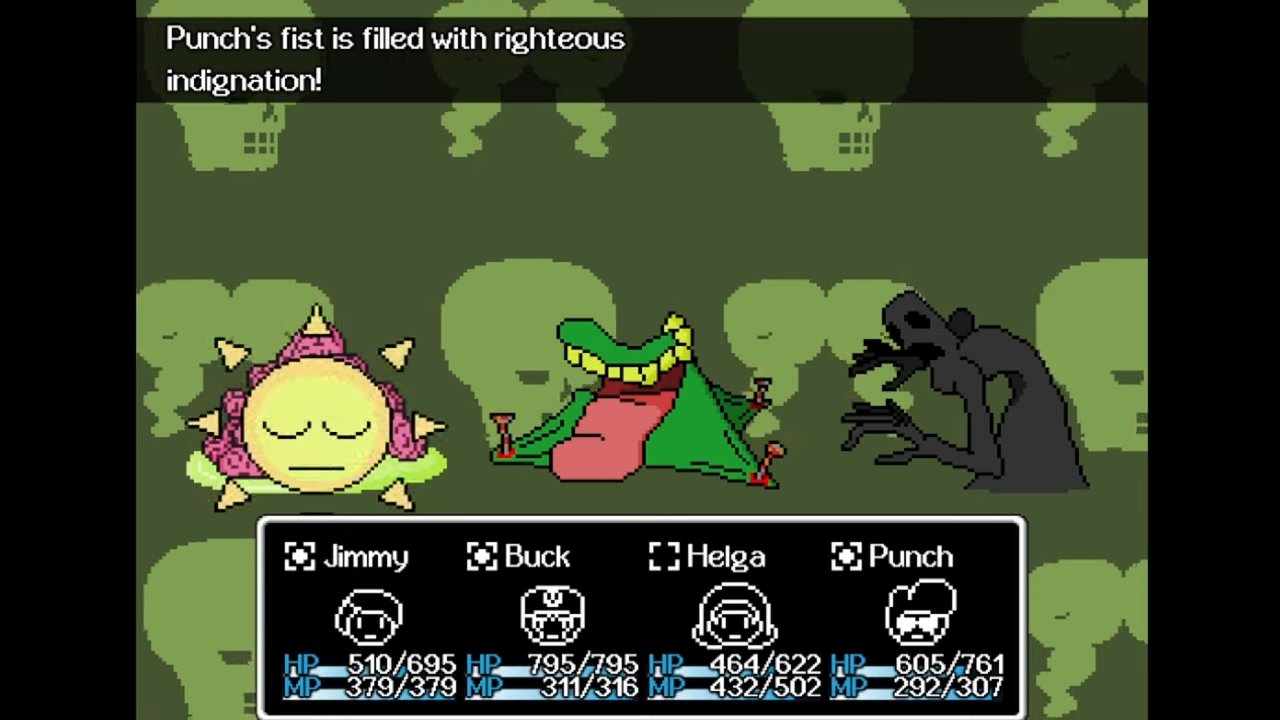
What separates Jimmy and the Pulsating Mass from those other games? Well, it’s an unabashedly traditional Japanese RPG in ways that those other three games are not. It retains turn-based battles (unlike Undertale) and demands that the player master them to survive (unlike OMORI), yet is otherwise generous with money and items (unlike Lisa: The Painful). Jimmy’s powers of imagination let him individually level up multiple selves as if he were hopping between job classes in a Final Fantasy game. There’s a crunch to the systems, and an accommodation for lizard-brained level grinding, that you rarely find in a Mother-like.
Kasey Ozymy grew up playing Japanese RPGs. “I definitely read a fair bit and watched TV and film,” he told me. But on “an average day after school I'd play games for four hours or so. I exhausted the PSX and SNES jRPG libraries at that time, and I played a lot of those games multiple times.” His favorites include classics like Chrono Trigger, but also oddities like the Lennus series, which goes by the name Paladin Quest in English.
Ozymy found his way to RPGMaker.net, which was for many years the hub of RPG Maker amateur and indie development. “When I made my first game and made a page on RPGMaker.net,” he said, “it felt really important. It didn't just feel like a link on a forum--it was my own little corner of the internet.” His first contribution to the site was the horror title The God of Crawling Eyes, which he made for the 2013 Halloween Contest. Next came the project he hoped would grab the community’s attention: A Very Long Rope to the Top of the Sky, an epic fantasy adventure about two sisters.
“I felt like I already had good storytelling and composition fundamentals,” Ozymy told me, “so I made A Very Long Rope to the Top of the Sky to show people what I could do.” His hope was that the game would encourage site regulars to join forces with him and develop even greater projects in the future. But “the RPG Maker community consists of a bunch of people trying to make their own dream games,” he said, “and convincing them to work on your dream game is a pretty tough sell.”
As a member of RPGMaker.net at the time, I remember very well when A Very Long Rope was released. I was impressed by the game’s original soundtrack, how large it was considering the developer’s lack of experience, and also by the dialogue. But I noticed a big gap in confidence between the game’s script and how Ozymy implemented that script within the structure of a traditional RPG. Ozymy said as much to me, lamenting that the site’s community said they liked “this game in spite of its bad design decisions.”
So Ozymy put his head down and worked hard to improve his skills as a developer to better match his competency as a writer and composer. This “meant taking time to play/analyze both professional and amateur games” as well as “making smaller, more focused projects” like 2014 Indie Game Maker Contest entry The Heart Pumps Clay and the collaborative project Born Under the Rain. He then brought every lesson that he learned from these projects to bear on Jimmy and the Pulsating Mass.
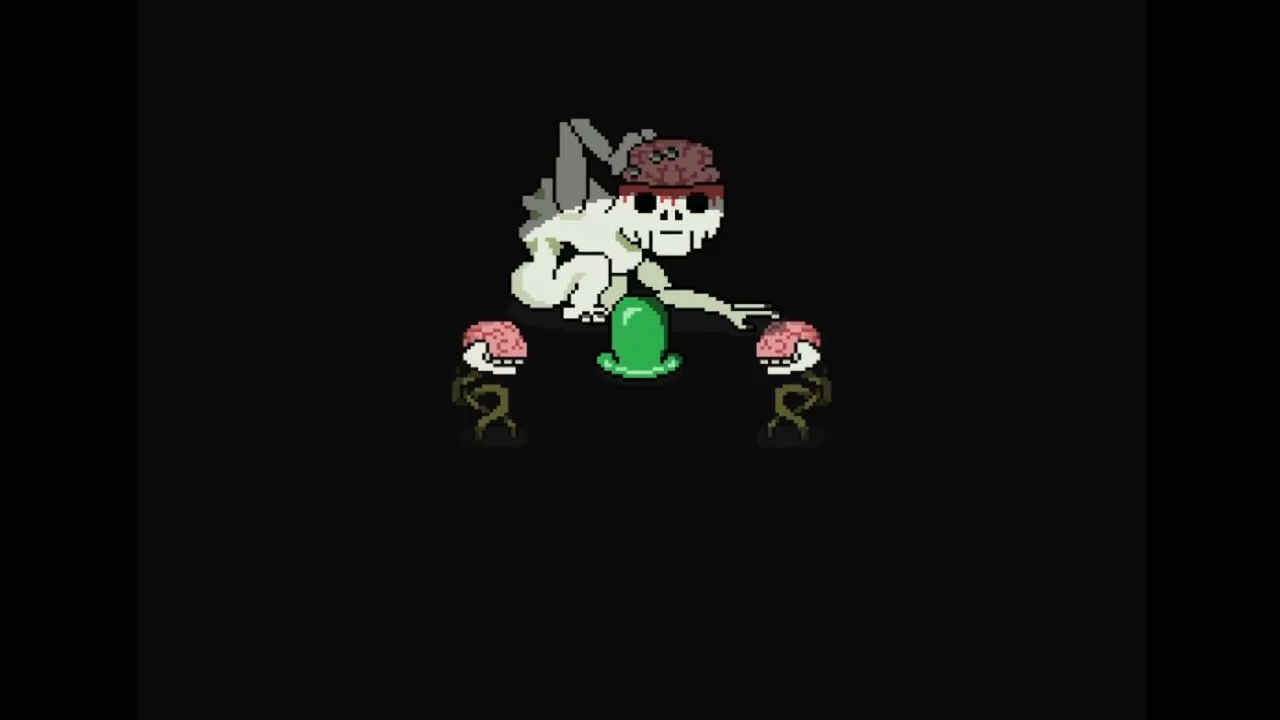
“Making a game of that size by yourself requires a certain degree of madness that I maybe didn't appreciate at the time,” Ozymy said. While he’s “definitely proud of the game design, writing, and music decisions I made,” the fact remains that he “made a decision to devote about five years of my life to that project.” Ozymy wrote the script, composed the soundtrack, and drew the graphics by himself. All for a game that was much bigger than comparable Mother-likes such as Undertale and OMORI.
What makes Jimmy noteworthy in my book is how it integrates traditional turn-based RPG battles and character building with the horror genre. Ozymy hides the game’s weirdest and scariest moments in optional areas that the player might easily miss. Navigating these areas can feel more like playing a survival horror game, or even a spooky exploration title like Yume Nikki, than an RPG. But overcoming them earns the player resources and equipment that keep them abreast of the game’s power curve. Everything eventually loops back into the grind.
“I'm a huge fan of horror, and horror tends to be a conduit for both the darker aspects of human nature and the things that are hard to talk about,” Ozymy said. “The writing that sticks with me is the writing that goes for the guts. I just want my writing to do that, too.” This might seem to clash with Jimmy’s RPG structure, in which the protagonist becomes increasingly powerful through hard work and struggle. That’s what the developer of Lisa: The Painful sought to avoid by pushing the aesthetics and mechanics of his game as hard away from this framework as he could.
Jimmy and the Pulsating Mass is by no means an anti-RPG. It wears Ozymy’s love of the SNES greats on its sleeve. It also comes from the RPGMaker.net community, which is defined by its love of 90s classics like Final Fantasy VI and Chrono Trigger. Still, Ozymy suggests a larger, conceptual horror at the borders of Jimmy’s world. What if Jimmy could become the strongest, most powerful little boy in all the land, and it still wasn’t enough? The Mother games end with smiles and tears after traumatic events. Jimmy’s ending, by comparison, is like ash in your mouth. It’s a punishing choice for such a long game, but also the key to its heart.
This new version of Jimmy features additional features. Per Ozymy, “there are two new nightmare dungeons, one of which is about midway through the game, the other is an end-game dungeon.” There is also a hard mode that doesn’t just rebalance monsters but also changes “their behaviors, ranging from minor tweaks to entirely new gimmicks.” A new font and a battle fast-forward button further polish what was already there. Most important for me, there are three new music tracks, “including two new level themes and one new boss theme.” Jimmy’s soundtrack is my favorite part of the game and its worthy of comparison to its peers despite strict competition from other Mother-likes. While these features are currently exclusive to the console release, Ozymy promised me that they will later be implemented in the original PC version via a free update, although not right away.
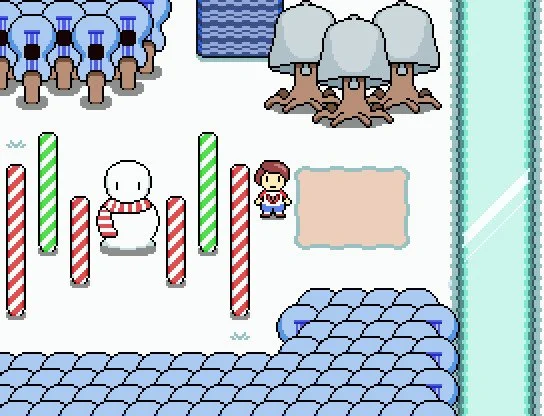
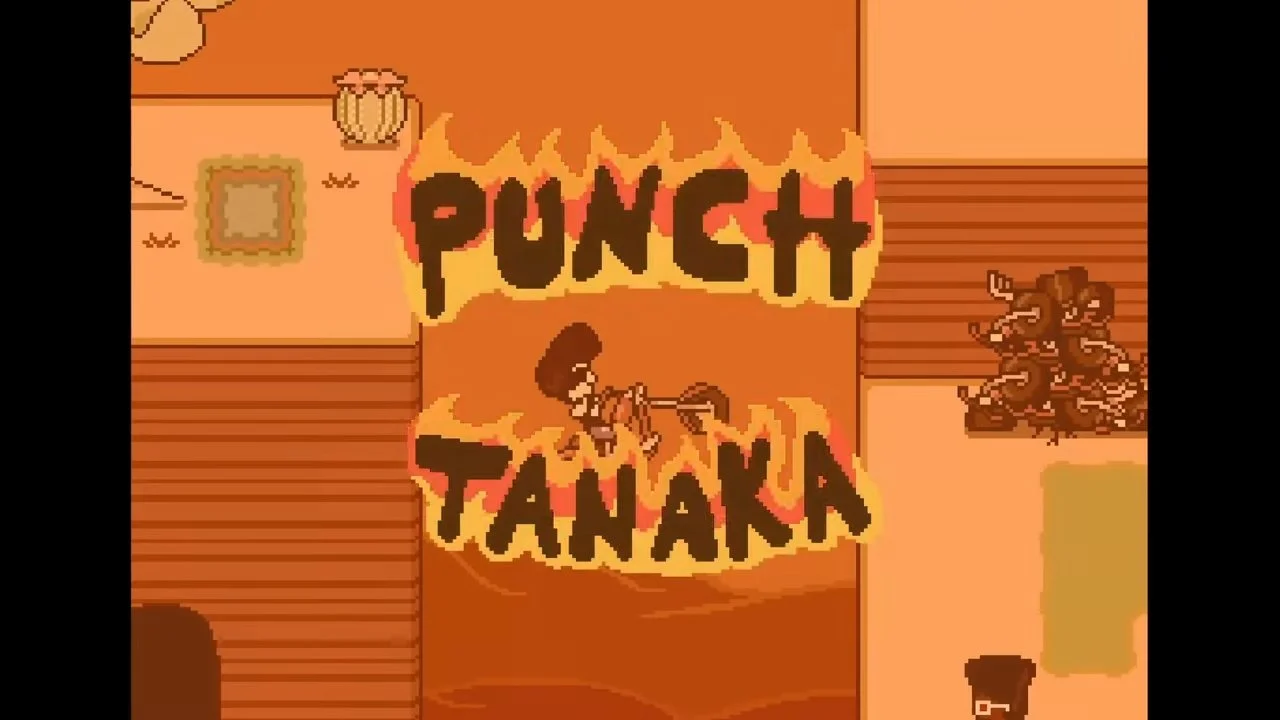
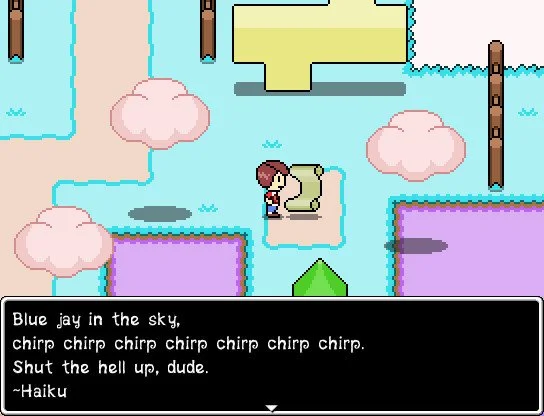
Since wrapping up Jimmy, Ozymy has spent the past few years on an even more ambitious project: Hymn to the Earless God. Set in a harsh and unforgiving world of insects, the game lets you pick from one of four characters and play out their stories. The game “started with a literal dream I had where a praying mantis samurai woman entered a tournament for the sake of revenge,” Ozymy said. While he was “still working on Jimmy at the time,” he kept “iterating on the concept” in his text file until it evolved into his next big project. This time it’s a team effort, combining Ozymy’s skills as a developer, writer, and composer with programmer Jason Vanderslice, artist Cubesona, and animator Innosaryn.
Fans might recognize the map-based battle engine from Chrono Trigger. Yet the game’s strongest influence is actually the Lennus series, particularly its foreboding atmosphere and emphasis on hiring mercenaries rather than gathering a traditional party. “I tried to better integrate the mercenaries into the writing,” Ozymy said, “and they have a lot of different aspects that make them unique and interesting. Lennus had a penchant for giving you mercenaries that you use for a little while and then discard. Lennus 2 improved on that, but there was still a lot of room to expand the system, which I hope is something players appreciate.”
While Ozymy was initially able to work on the game full-time with what he earned from Jimmy’s success, this is no longer the case. “At first, I did some music commissions and other stuff centered around game dev,” he told me. “But now I have a part-time job at one of those strip-mall tutoring places.” Hustling to make money while scrounging for time for developing projects a decade in the making should sound familiar to any artist, much less an indie game developer.
A January Kickstarter update promised that despite the need to find work, “Hymn's development has been going pretty smoothly.” That doesn’t mean that it’s easy, though. “Work-life balance is hard,” Ozymy said. “I just make sure that I work on it daily, even if I have a full work day and I can only get one to two hours in.” Like other developers, he’s had to sacrifice time playing games (even to learn from them) so that he has time to make his own. This can sometimes feel miserable. But “I just feel more miserable if I don’t work on the game,” he said, “so that tends to keep me working.”
The world of RPG Maker development is in a very different place now than it was back in 2018. After a period of instability, RPGMaker.net crashed in 2024 and stayed down until its revival this year on January 26th. The community migrated from its forums to Discord, itch.io, and other social media networks like Bluesky and X. Ozymy couldn’t help but lament this change in affairs. “Without the same community backing as RPGMaker.net,” he said, “it's easy to get lost in the noise.” Still, he acknowledges that new players and developers are likely thriving elsewhere. He’s just been so busy making Hymn with his team that he hasn’t had the time to go digging.
While Jimmy isn’t as popular as other Mother-likes such as Undertale or OMORI, the folks who like it really like it. Games journalist, marketer, and curator Dominic Tarason called it “one of the best indie JRPGs I've ever played.” The game earned similarly rapturous responses from folks in Something Awful’s Let’s Play community, as well as Jeremy Parish’s old stomping ground, Talking Time. Ozymy has also been interviewed about the game by KRITIQAL and Mother Forever. He’s no longer an outsider but an experienced independent developer in the RPG Maker scene, who along with folks like unity and torch60 represents a specific era in the community’s history.
For me, that raises the question: is it possible that there are indie games out there right now that were inspired by Jimmy and the Pulsating Mass? Ozymy isn’t sure. “Jimmy occupies a fairly small niche,” he said, “so it’s hard for me to see that kind of thing really happening.” If it did really happen, though, “I guess I’d just be proud. At some level, deep inside of me, there’s the kid who played Chrono Trigger and held it higher than any other piece of art. All that kid wants is to make a game like that.” Just like Jimmy, Kasey Ozymy did his best.

![[PATREON UNLOCK] Update Patch - February 2025](https://images.squarespace-cdn.com/content/v1/5caf2dea93a63238c9069ba4/1741430920430-E7L15EJ2YBPUR21T5TE6/Update+Patch+Feb+2025.jpg)