Review | Aphelion - Retreading (Not) Uncharted Territory
From Vampyr in 2018 to Tell Me Why in 2020 to Banishers: Ghosts of New Eden in 2024, developer Don’t Nod is no stranger to ambitious games with high fidelity graphics similar to blockbuster games. True to the studio’s record, the presentation in Aphelion is excellent and rivals some of this console generation's most realistic-looking experiences. However, its gameplay and story frequently oscillates between highs and lows steeper than the beautiful (and technologically impressive) mountains and valleys of the alien world it takes place in.
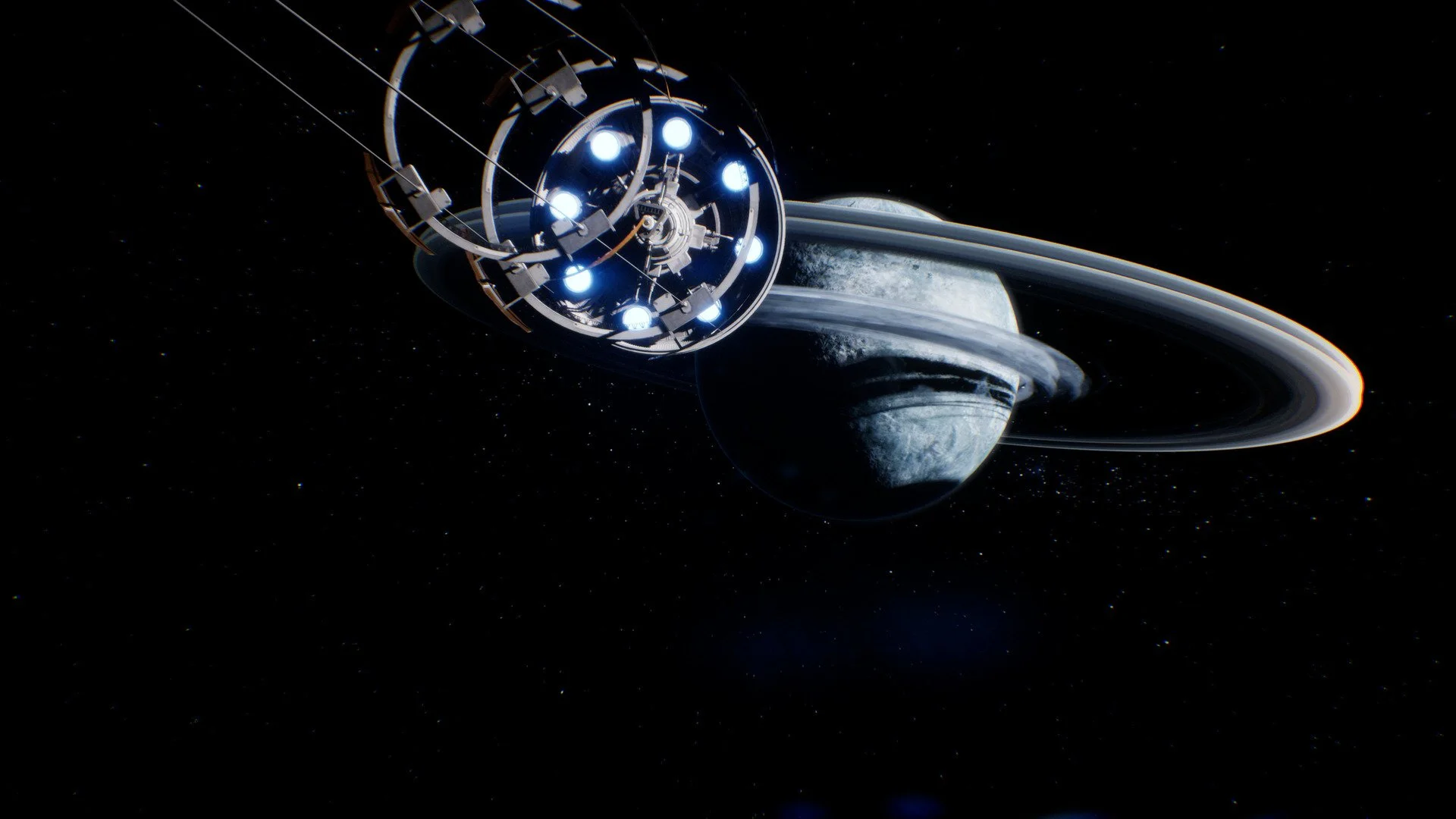
In Aphelion, you switch between the perspectives of the protagonists Ariane and Thomas throughout eleven story chapters as they explore the mountainous and frozen planet of Persephone. This duo was sent to research whether the planet is inhabitable after Earth was wrecked by climate change in 2060, and after being stranded apart from one another before landing, they have to put their mission on hold and regroup from locations seemingly tens of miles apart.
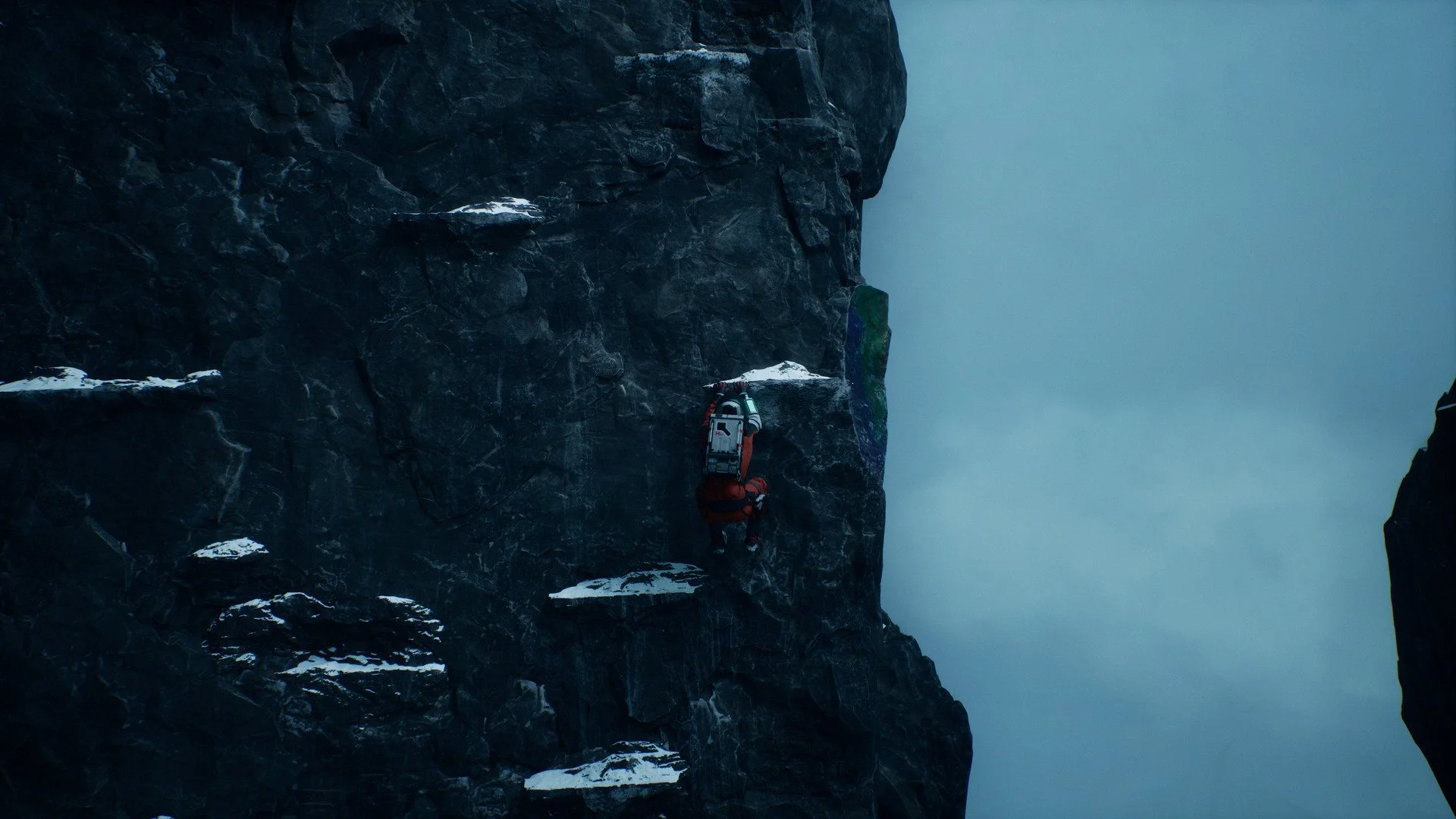
You play from the over-the-shoulder perspective familiar to games like Uncharted, a series that Aphelion clearly takes much inspiration from, and the story unfolds over a similar time span to those games — roughly eight to ten hours. If you’ve played any Uncharted game, then with the exception of combat (because Aphelion has none), you know what to expect from the gameplay. Playing as the able-bodied Ariane, most of your time will be spent climbing, and the rest is split between sliding down steep slopes, running away from something at scripted intervals, sometimes changing things up with puzzle-solving, and squeezing into tight spaces. It should also be noted that all of these mechanics greatly resemble their counterparts in the Uncharted franchise. Playing as the debilitatingly injured Thomas, much is the same except he isn’t well enough to climb, and his slow pace is often used for tension and time-sensitive challenges that are absent from your time as Ariane.
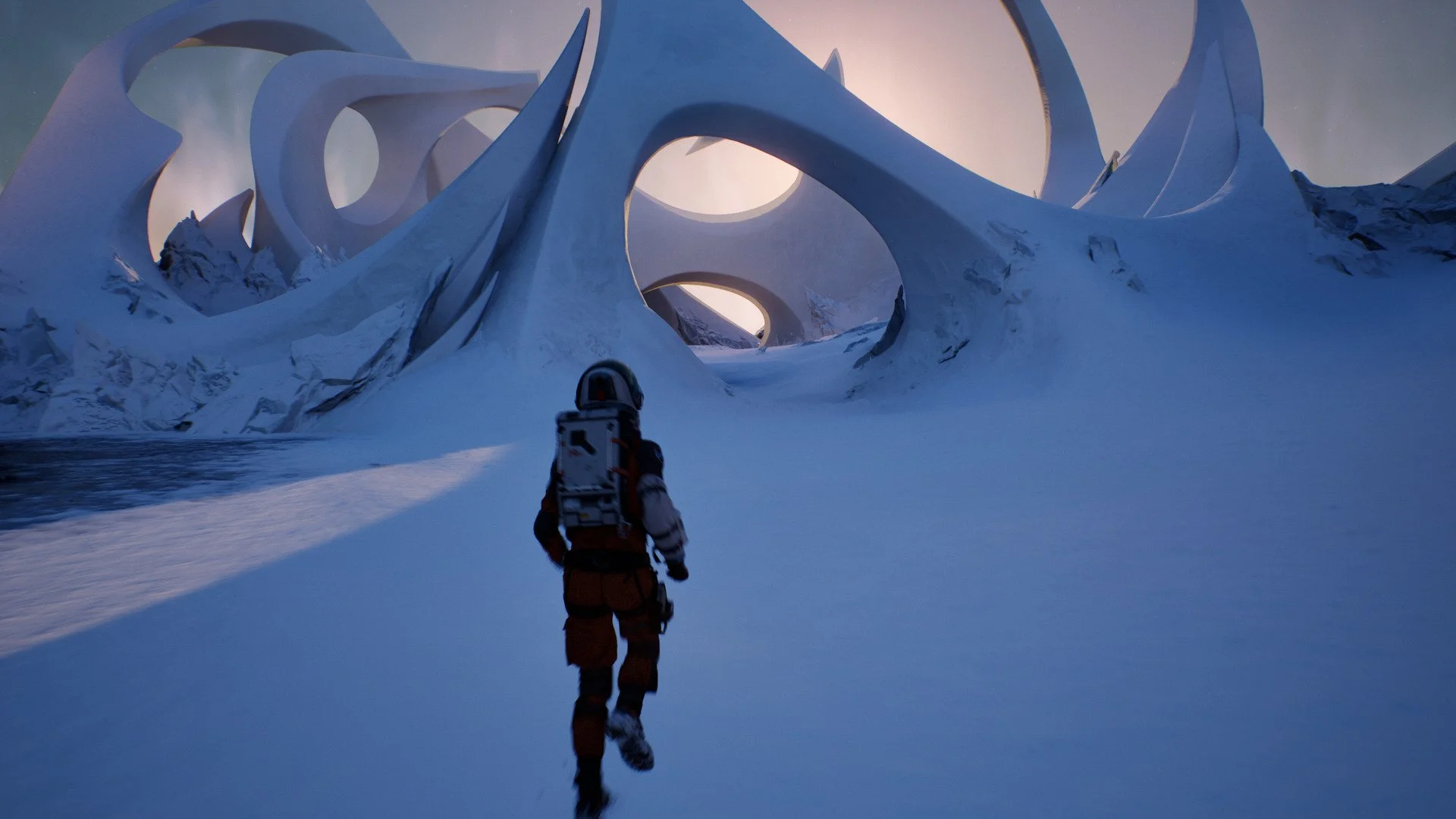
All of Aphelion’s game mechanics function consistently and as you might expect; however, the rigidity of the game’s design minimises the difficulty, as well as the resonance that the narrative and oppressive environment clearly seek to convey to the player. Aphelion’s frozen landscape is beautiful and diverse, but this means very little when you spend much of the game staring at vertical rock faces or traversing the white industrial interiors familiar to many other sci-fi games. Aphelion’s climbing is also completely disinterested in variance, which is especially disappointing from the developer of the excellent Jusant. Here, climbable surfaces are clearly signified by high-contrast ledges that are traversed using the same movement of the analogue sticks as walking around. Occasionally, you might have to perform a “perfect grab” when jumping to a ledge, which involves pressing another button when hitting the next surface or having to do a single button quick time event. If you fail, you’re sent back to the last (generously placed) checkpoint, from which you can instantly try again.
Most of the game is spent playing as Ariane, meaning that a disproportionate amount of time is spent climbing compared to any other tasks. Eventually, stealth is introduced to variate how you play, yet, this changes very little other than the fact that you need to walk around more slowly as your mysterious opponents are blind but can hear you and will almost immediately set you back to the last checkpoint when they do.
The reason for these threats is where Aphelion expresses an interesting thematic identity, and it’s a shame that the game isn’t more interested in focusing on it. Persephone is typically a frozen planet and its planetary warming is prompted by human occupation, causing natural “self-defence” when large hostile biomasses attempt to kill the visiting astronauts after being exposed by thawed ice. Consistent with the two leads’ reasoning for leaving Earth (the vague concept of climate change), the biggest threats on Persephone are also understood to be artificial. These story beats gesture towards and sometimes outright state criticism of the Western world’s disregard for its environment and the long-term repercussions of the colonial project, extracting life from the land and its inhabitants. All the same, Aphelion’s ending and post-credits scene unwind some of this commentary, while the overall narrative seems far more interested in being a “mature” — and ultimately just competent — character drama between its two leads.
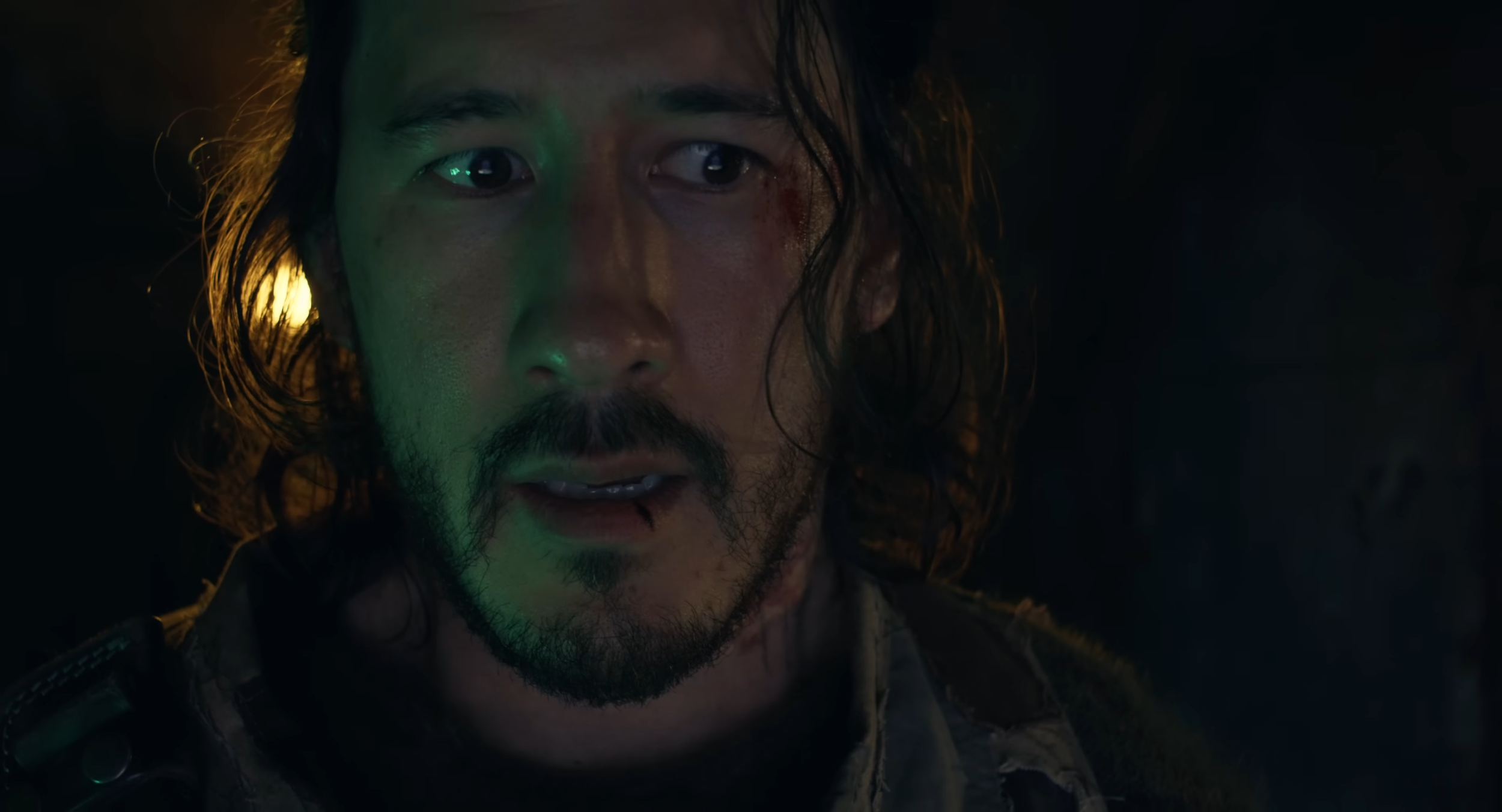
Aphelion seems to pursue the label of “mature” storytelling in that it places its nuanced, adult leads at the front and centre of the game (and the box art). Like Clair Obscur: Expedition 33, The Last of Us Part 2, and particularly Uncharted 4: A Thief’s End, Aphelion strives for a style that wouldn’t immediately appeal to younger players, with characters that justify their actions not on the events of the game but those of their long and intricate lives before it, and storytelling that places the subtlety of facial expressions and cinematic direction before the explicitly stated narrative. Ariane wishes to prioritise the pair’s mission for its importance and benefit to humanity, and she seems to see this as enough reason to bury her feelings towards Thomas. Thomas, on the other hand, openly loves Ariane but respects her priorities, both expecting and hoping that she’ll put the mission first, which she doesn’t. Her decision feels as though it’s meant to surprise the audience, portraying someone who isn’t straightforward and doesn’t only pursue the simplest option of the choices in front of her. In practice, refusing to make the choice between saving one person and saving everyone else in favour of both outcomes is a trope that Aphelion falls neatly into, lending the game a familiar and played-out feeling. The characters’ complicated feelings are only contextualised through minor context clues in the latter half of the game, and the distance between the themes of the game’s world and stakes clash with the focus on Ariane and Thomas’ interpersonal issues. Neither of these characters really have an arc either, struggling through the game until there’s no longer a need to struggle.
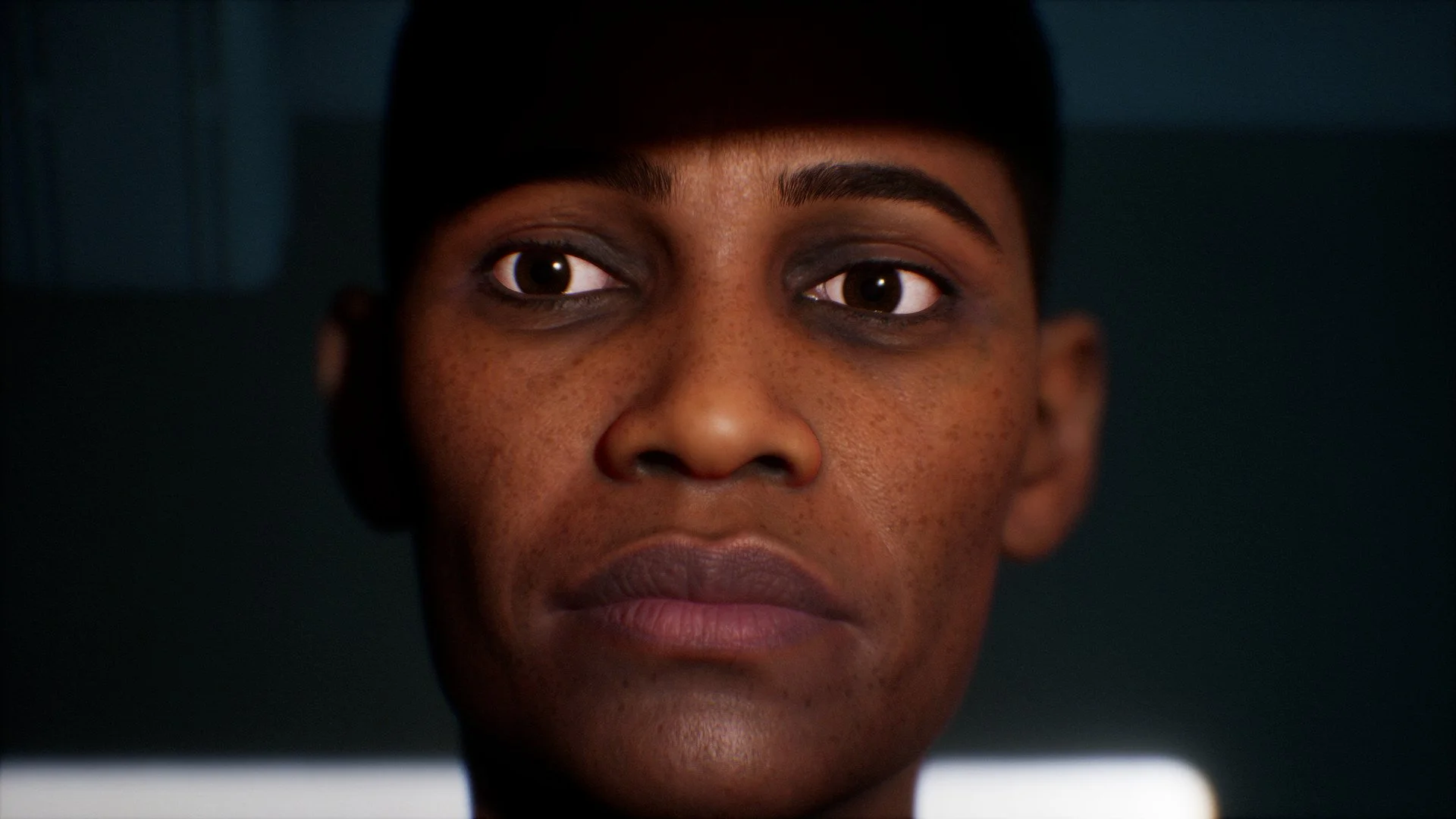
The potential for a nuanced story arc is frequently teased, as seeing two characters further descend and isolate into their own worlds, feeling that they’re failing their last chances at survival and redemption, both personally and for humanity, could be fascinating and captivating. The technical achievements of the game’s outdoor environments, in-engine cutscenes, facial animation and voicework are all robust enough to carry this potential. Notably, the game’s visuals were so densely detailed and polished that I got more out of the photo mode than any other mechanic. Nevertheless, Aphelion consistently squanders its short runtime with generic gameplay sequences, leaving little time to indulge its various strengths.
Aphelion clearly wants to be melancholy, reflective, intelligent, and mature, with elements that commentate on the environment, and a captivating world inhabited by two thoroughly rendered, quietly miserable leads. At a fundamental level, the focus on these leads undermines the game’s environmental messaging alongside its ending, leaving Aphelion feeling confused and unimpactful. The game did occasionally stop me in my tracks, providing me with gorgeous scenery and making me waste time in photo mode, and the expressions and sighs of its tired characters occasionally sat with me in isolation. Nevertheless, Aphelion made me the most sad when I thought about what it could have been, had it had a longer runtime and been more indulgent, as for eight to ten hours, I mainly felt like I was playing the least memorable parts of Uncharted, but in space.
Aphelion was played on Xbox Series X using a code provided by the publisher.