Review | Goodnight Universe - Don’t Blink Twice
Developer GoodbyeWorld Games hit it out of the park with the critically-acclaimed indie hit Before Your Eyes, a game that captured a unique and novel idea of incorporating your camera into the mechanics of the gameplay. Utilizing a “blink-and-you’ll-miss-it” mechanic that fast-forwarded the story every time the player blinks, Before Your Eyes told the story about a young person’s life that ended too soon. That game made me weep uncontrollably and I enjoyed every minute of it. After the success of Before Your Eyes, several developers from GoodbyeWorld spun off to create another gaming studio: Nice Dream.
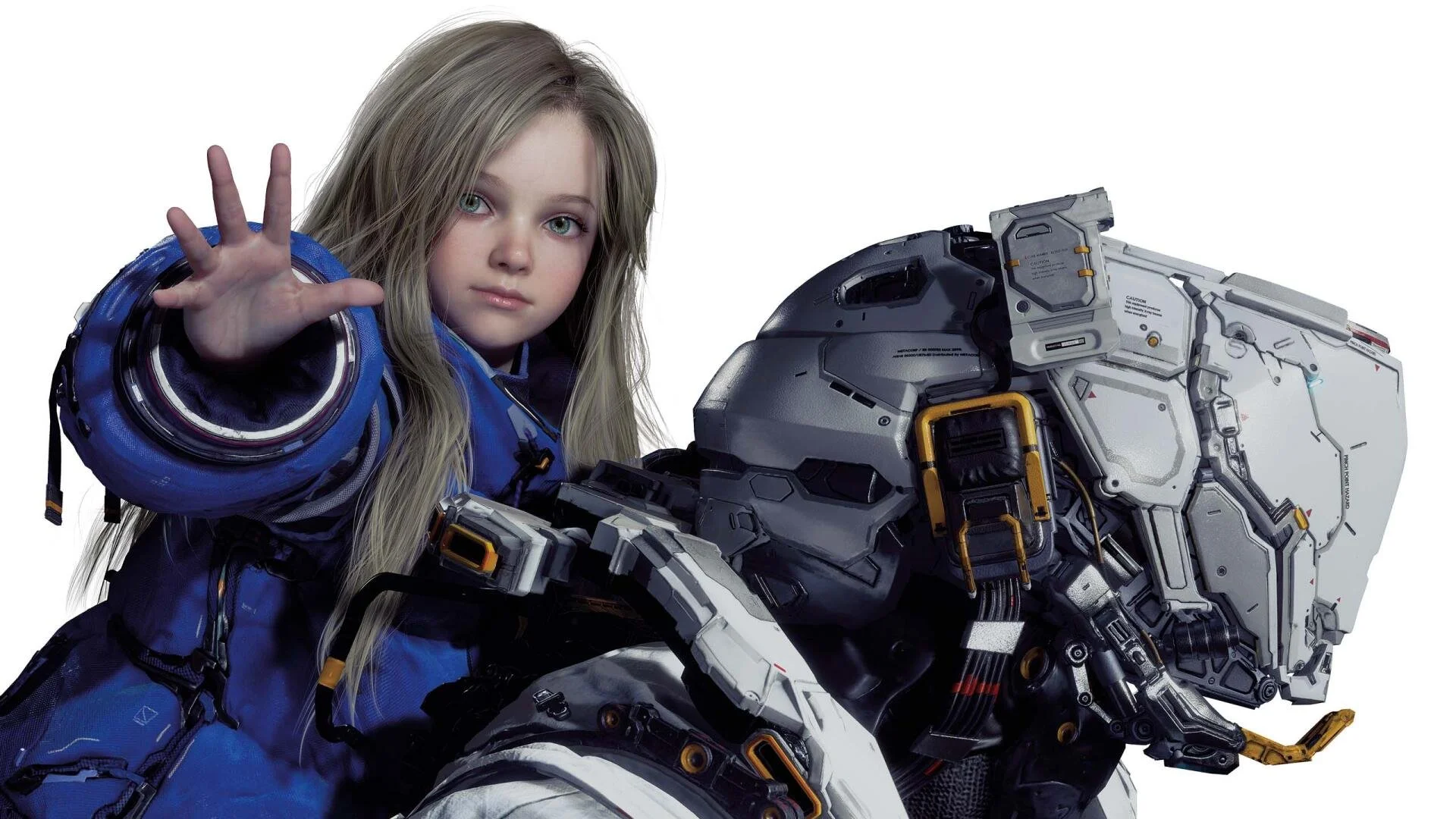
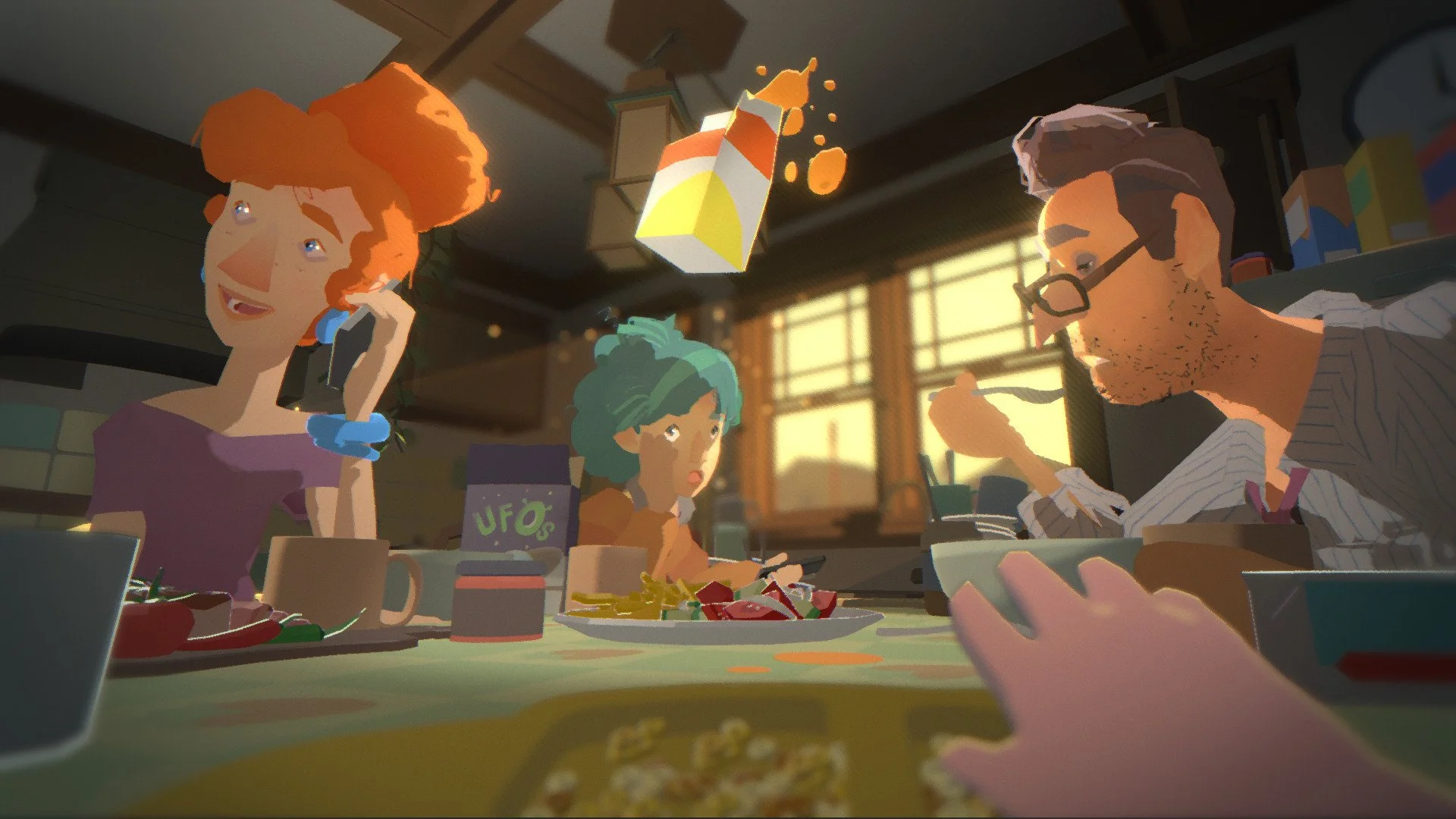
Goodnight Universe is Nice Dream’s attempt to capture lightning in a bottle a second time. Building upon its predecessor’s unique camera-based mechanics, this narrative-focused game once again uses blinking — and now facial expressions — to deliver its story. You play as Isaac, a six-month old baby with psychic powers who attracts the attention of a giant tech corporation. You follow the story of Isaac and his family by playing through scenes that have you interact with the surrounding environment. The gameplay follows a mostly simple formula: you listen to Isaac’s family speak with each other, interact with the scene via clicking and blinking, and then pick mostly inconsequential dialogue options before moving on to the next scene. The game later slightly expands upon this formula as it incorporates some complexity into its mechanics.
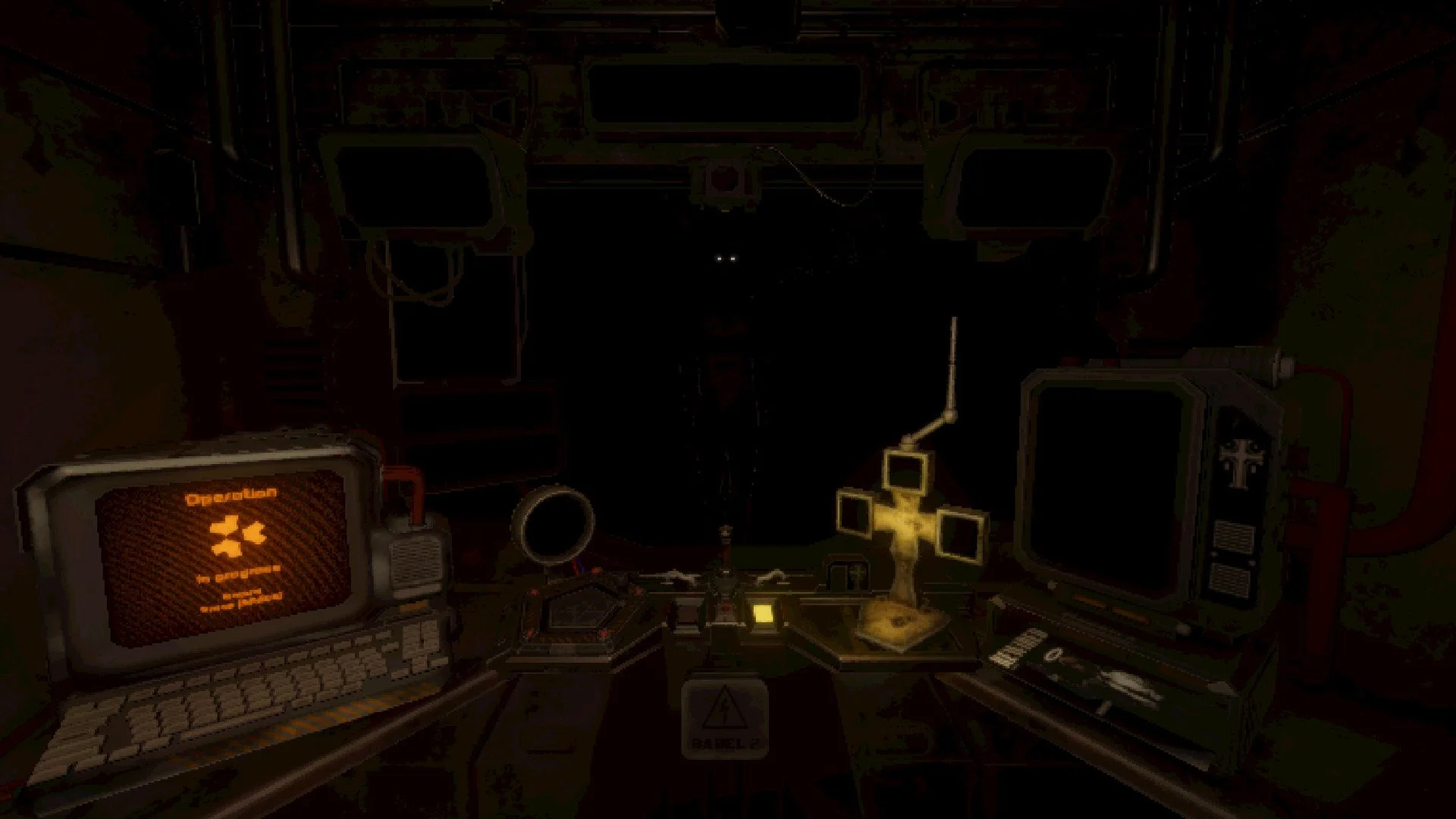
The mechanics, when working properly, are the highlight of Goodnight Universe. Blinking, instead of clicking, to interact with the world felt ingenious the first time my eyelids turned on a light in Isaac’s room. I eagerly searched throughout this baby room filled with objects meant to teach you how to use your newfound powers. A simple blink changed the TV channel; closing my eyes and turning my head left to right to find the correct “frequency” tuned Isaac into his parent’s minds, allowing him to hear their inner thoughts. Later on, I unlocked additional powers, such as closing my eyes to push thoughts into people’s minds, allowing Isaac to effectively speak.
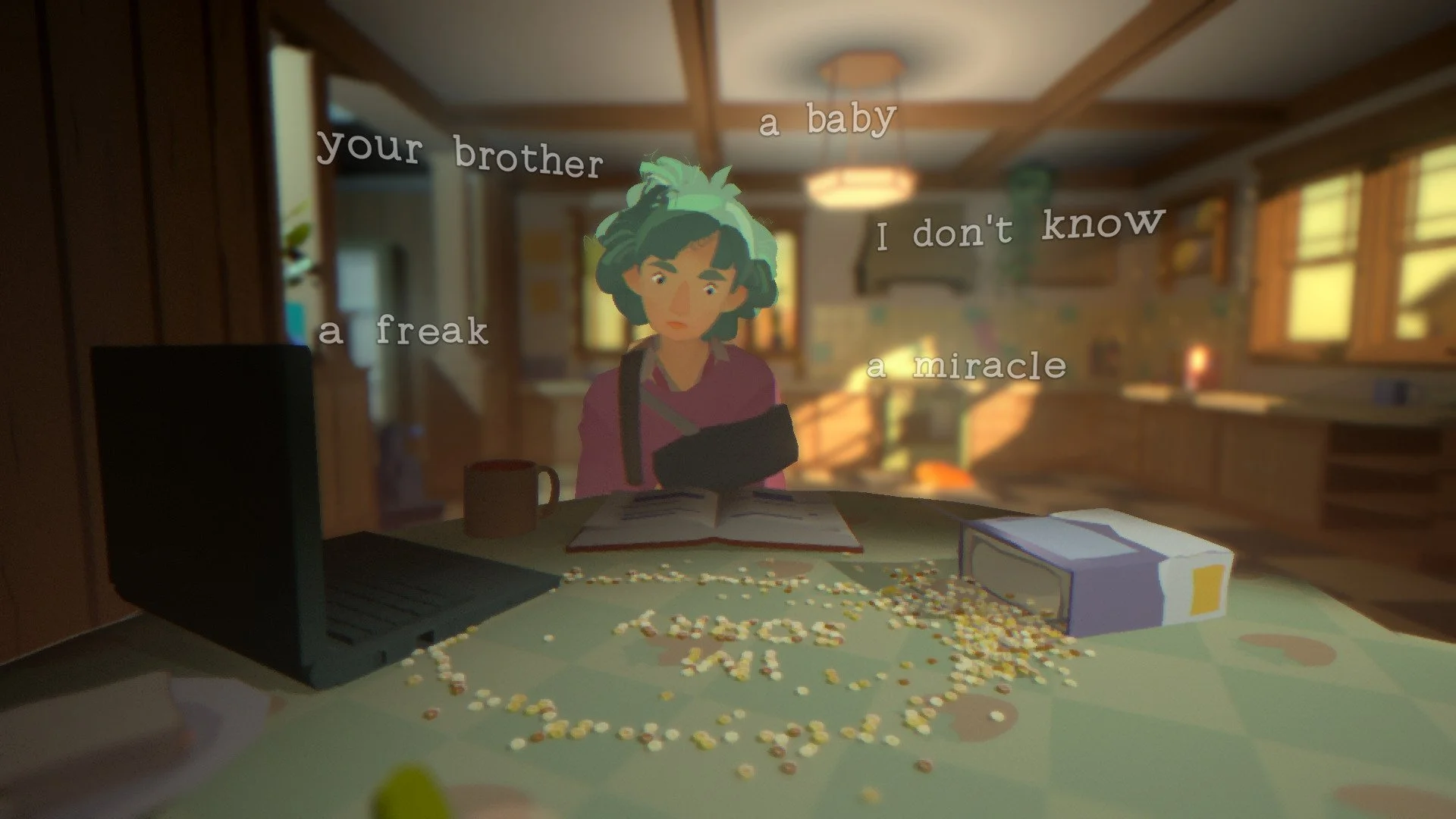
As silly as it might sound, I felt like I was actually activating some sort of power when blinking or moving my head side to side. The sound design (I was wearing headphones) created a spatial soundscape that felt like objects were whooshing past me and flung around the room while my eyes were closed. The closing of my eyes combined with seeing results or progress when I open them brought me in sync with the game. Oftentimes, games can make the player feel close to the avatar or main character via compelling mechanics or meaningful narrative; Goodnight Universe takes that a step further by adding a physical element to the gameplay via blinking and head turning. Even though this game’s plot is mostly predetermined with little choice, I felt like I had agency when controlling Isaac because of this phenomenon, and felt more attached to the characters as a result.
While the plot felt mostly passable, I was hoping for something greater. Goodnight Universe began with an interesting premise that devolved into something a bit more cliche — not far from an 1980s young adult adventure film.
Isaac’s inner monologue (voiced by Lewis Pullman, who most recently starred as Sentry in Marvel’s Thunderbolts*) captures an intelligent yet confused tone as he describes the monotonous tasks of being an infant. Watching Gilbert the Goat or struggling to maneuver a handful of cereal into your mouth are typical activities for a normal baby, but Isaac consistently makes comments expressing frustration, indicating the desire for something more stimulating.
In lieu of Isaac obtaining his wish of a more fulfilling life, he passes his time by messing with his family — usually his sister, Cleo. The whole family is centred around Isaac, whether it's making sure he’s been fed, or put to sleep properly, or taken care of while the parents are having their first date night since his birth. Yet, the family dynamic and interactions between everyone felt quite off. Even though the game had me spend most of the first half with Cleo, I felt like I couldn’t truly understand her motivations or actions, and was often left confused, especially when she made a baffling choice about her future. Later on, you psychically listen to your mother Rebecca’s self-talk and hear her state how angry and frustrated she is with the family, but that she will do what she can to keep her calm in an effort to not be like her own mother. Imagine my surprise when, a few seconds later, I saw her get into a shouting match the second the family walked in. My shock did not come from the contradiction of Rebecca thinking one thing but doing another. Rather, I was disappointed in this scene due to the lack of any sort of internal struggle from this character. I had hoped to see some attempt to keep her cool or even show that she regretted her reaction in a later moment.
While this burst of anger might have been somewhat realistic, these instances of unpredictability in the characters left me wanting more focus on the relationships rather than Isaac’s adventure. By the end, I didn’t get to know the characters as intimately as I would have liked. Before Your Eyes sold me on its plot with how realistic everything that occurred within the family felt. Goodnight Universe struggled to reach that same level of realism, which might have been fine on its own, but I (perhaps unfairly) hoped for story beats that elicited similarly heavy and visceral reactions as Before Your Eyes.
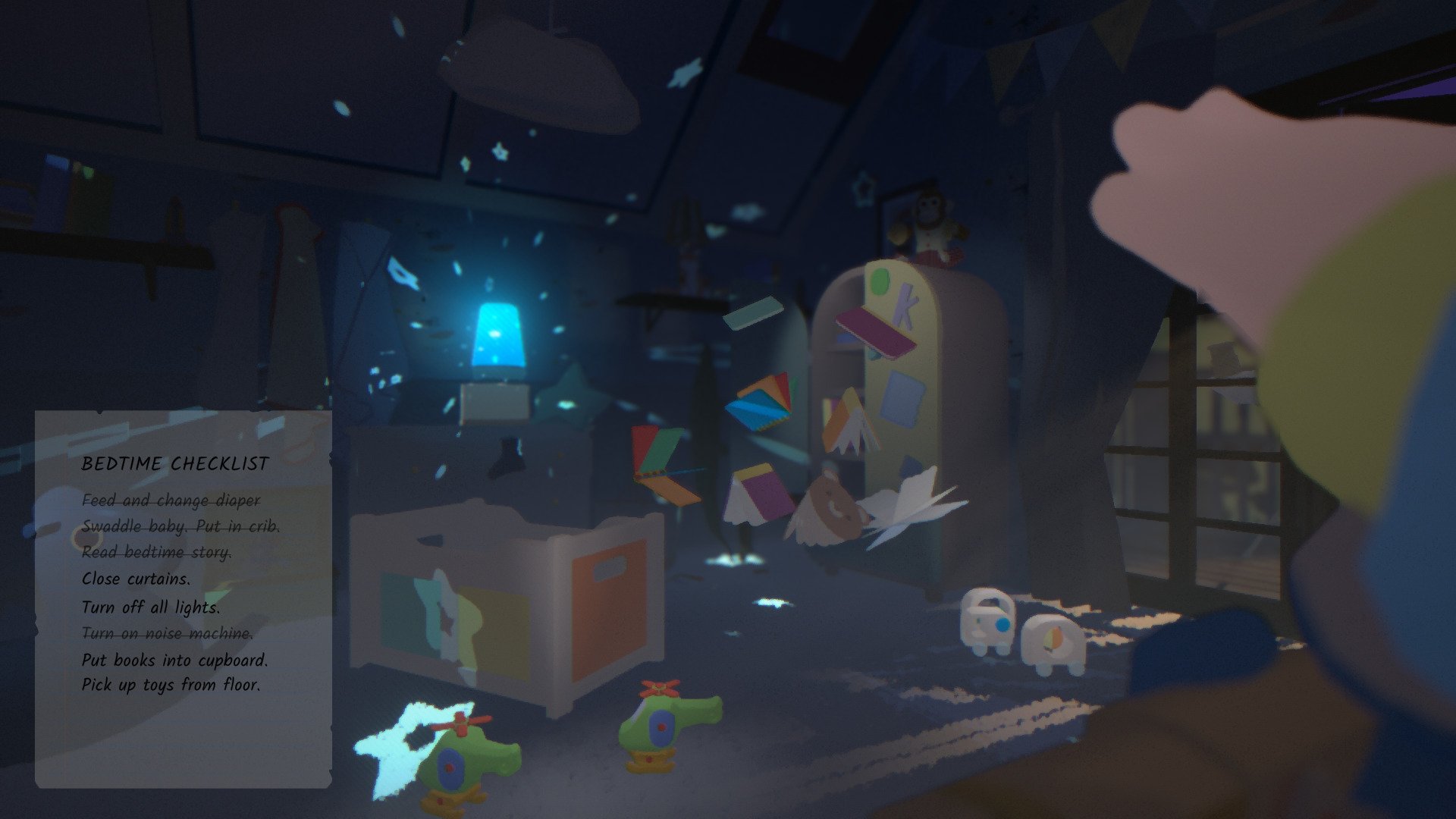
There were also several moments in which I had to engage with the more interactive mechanics that left me frustrated, almost to the point of quitting the game. During a certain sequence in the game, I had to quietly sneak around without making a noise, which meant that I needed to avoid making negative facial expressions, which would cause Isaac to feel sad and cry. Up until that moment, my camera was reading my expressions just fine. However, as soon as my face mattered towards game progression, the game’s ability to accurately read my expressions failed and I could not get past this sequence. According to the in-game camera, I was constantly frowning, which upset Isaac and instantly made me fail the stealth sequence. Thankfully, there was a fail-safe built into the game: I could turn off the webcam tracking and use hotkeys instead, or I could click on the “skip sequence” button. I appreciated that Nice Dream created this solution, but felt like I missed a bit of the game experience due to this bug.
Towards the end of Goodnight Universe, I was also met with a large exposition dump (that should have been spread throughout the course of the game), but the game’s attempt to make it interactive caused more harm than good. The section consisted of someone telling a story, but in order to progress through it, I had to click and drag my mouse along lines of dialogue. This section more than overstayed its welcome and left me feeling annoyed to the point where I could not concentrate on the story being told, and simply wanted the sequence to be over.
This attempt to expand the game mechanics, while enjoyable in theory, came across as Nice Dream putting more mechanics in for the sake of having more “interaction”, which took away from the charm found within the story. I do think there is some gold to be found here, but the mechanics might have needed a bit more polishing to create something truly great. I commend the innovation being done, but wish it was a bit more refined.
It is a challenge for the follow-up to a beloved game to push the boundaries further, or even be just as good as its predecessor. I was hoping for a similar level of crying catharsis from the spiritual successor to Before Your Eyes, but was ultimately left feeling ambivalent. Even with its flaws, Goodnight Universe left me with a sense of adventure after completing the game. The plot took some wild but fun turns, and the stakes felt high for the world it had built. The game certainly did something right since, despite my glaring frustrations, I still felt a twinge of sadness watching the credits play. Maybe that’s because I cry so easily nowadays. Or maybe it's because in its last moments, Goodnight Universe was still able to capture the reflections of love and loss that are consequences of being human.