Review | Iron Lung (2026) - Diving Far Deeper and Darker than a ‘Let’s Play’
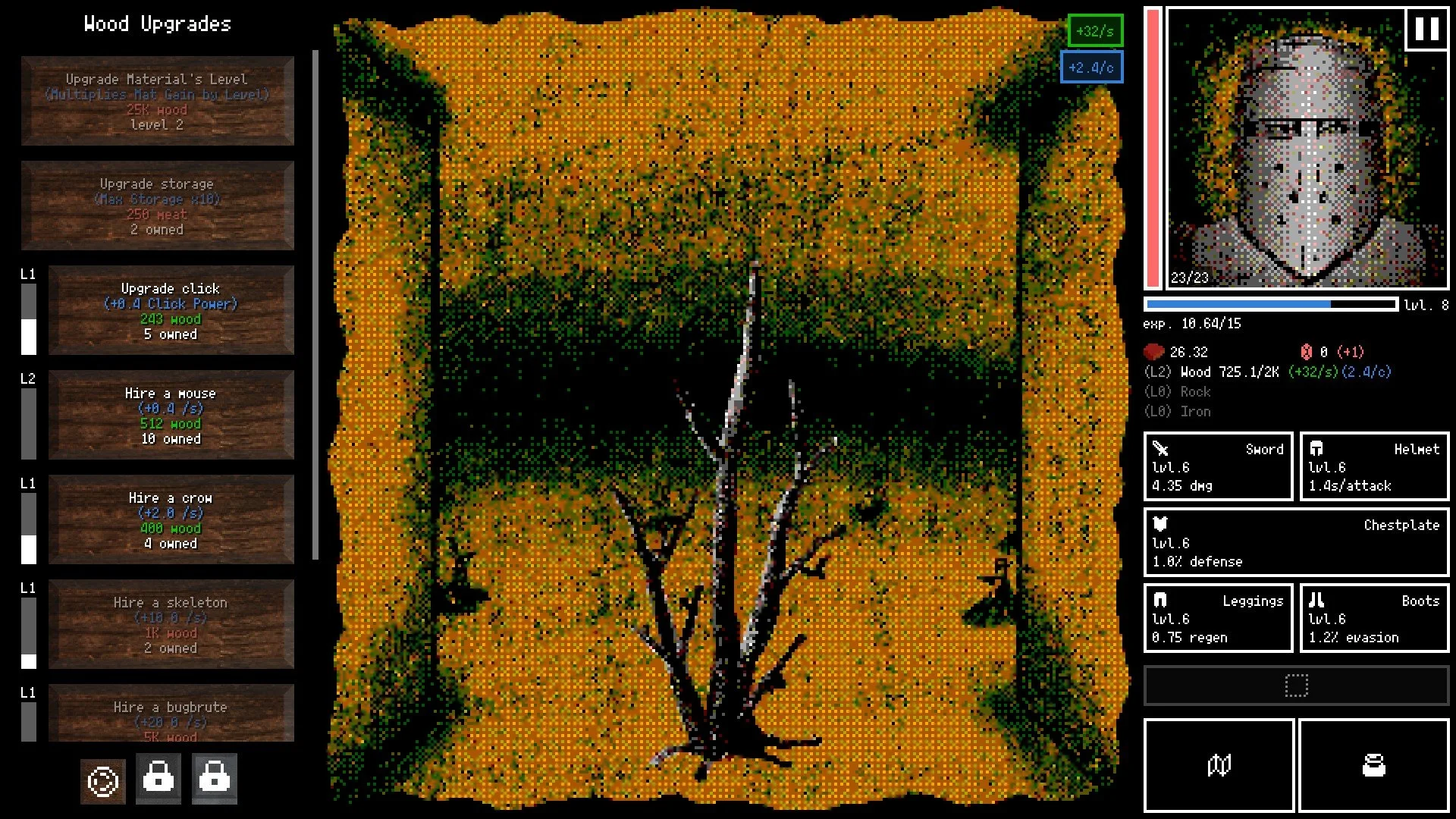
Iron Lung (2022) is a cult horror video game — created by David Szymanski — where you play as a convict trapped inside a submarine that’s been welded shut, tasked with taking black and white X-ray photos at designated locations in an ocean of blood on a random moon in space. Iron Lung (2026) is a horror film adaptation directed, written, and led by the famous YouTube ‘let’s player’ Mark Fischbach (Markiplier) that miraculously retains the entire eldritch premise, tone, and the single-room constraints of the game without feeling worse for the lack of interactive elements. Both works, taken together, are fascinating partner pieces that boast unique strengths to each other and their respective mediums, and have the capacity to push indie horror in a bold new direction that — because of Fischbach’s work in particular — I am very excited for.

The entire film takes place on the SM-13 submarine, which is aptly nicknamed the titular ‘Iron Lung’. This setting determines the aforementioned bottle premise, wherein — excluding flashbacks and hallucinations — the film never leaves the bathroom-sized rust bucket. Fischbach’s editing and Philip Roy’s cinematography work in consistent harmony to paint an uncomfortably vivid picture of the submarine, creating an immersively claustrophobic and often intentionally abrasive viewing.
Compensating for the game’s interactivity that creates a very analogue and arduous game feel, lending themselves well to the stress of horror, the film spends a lot of time focusing on tactility and sensation. The camera is frequently placed in abstract positions so the audience’s focus is moved between wiremesh, rust, fabric, and condensation before the convict and his actions are visible. Adding to this, he spends a lot of time on screen adjusting his position and clothing, demonstrating the submarine’s varying climate. Most impressively of all, however, all of the game’s physical elements — the camera, speakerphone, fire extinguisher, computer, and diving controls — are maximally utilised in the film, making every object memorable and multi-purpose in a way that drives the iconic analogue feel of the viewing and the premise’s overall creativity and depth.
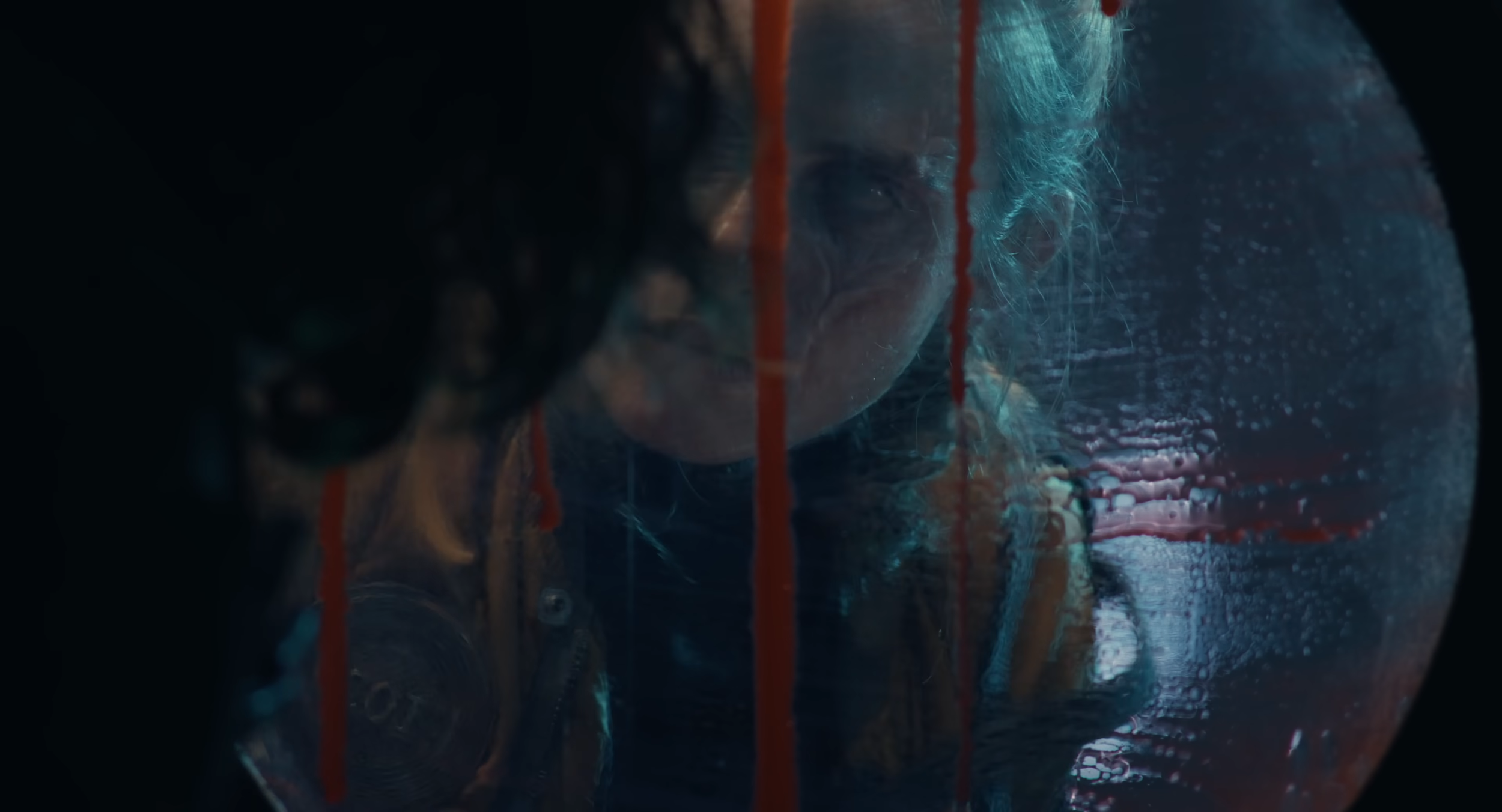
Iron Lung, not unlike its video game counterpart, is a surprisingly quiet and pensive viewing, especially in its first half. I expected this adaptation to add a lot of noise to a relatively quiet game, partly because of the increased length, but Andrew Hulshult’s soundtrack is placed very deliberately, and the soundscape feels as vast and creepy as the game’s. This means that a lot of the stakes are implied and stress — in the first half of the film — frequently comes from the audience and not the characters, decisively recreating the feel of playing a horror game.
With the setting and audio covered, the final piece to Iron Lung’s (2026) complex horror puzzle is the narrative. Whilst Fischbach has decided to provide the audience with arguably more to chew on than the game — eighty minutes more than the game’s brief forty-minute playtime — ‘not knowing’ is still the state that the audience is kept in most of the time. Grappling with the fear of the unknown inherent to the cosmic horror premise, the film adds a few extra characters that open the viewing with straightforward dialogue to ease a mainstream audience into the latter half’s more unorthodox plot. Whilst some of the film’s earliest conversations, despite being well performed, sit on the verge of being arbitrarily necessary and boringly generic, all of the characters eventually lose their shallowness and gain an immense amount of likability, whilst still pushing the lead to his limits in ways befitting the horror genre.
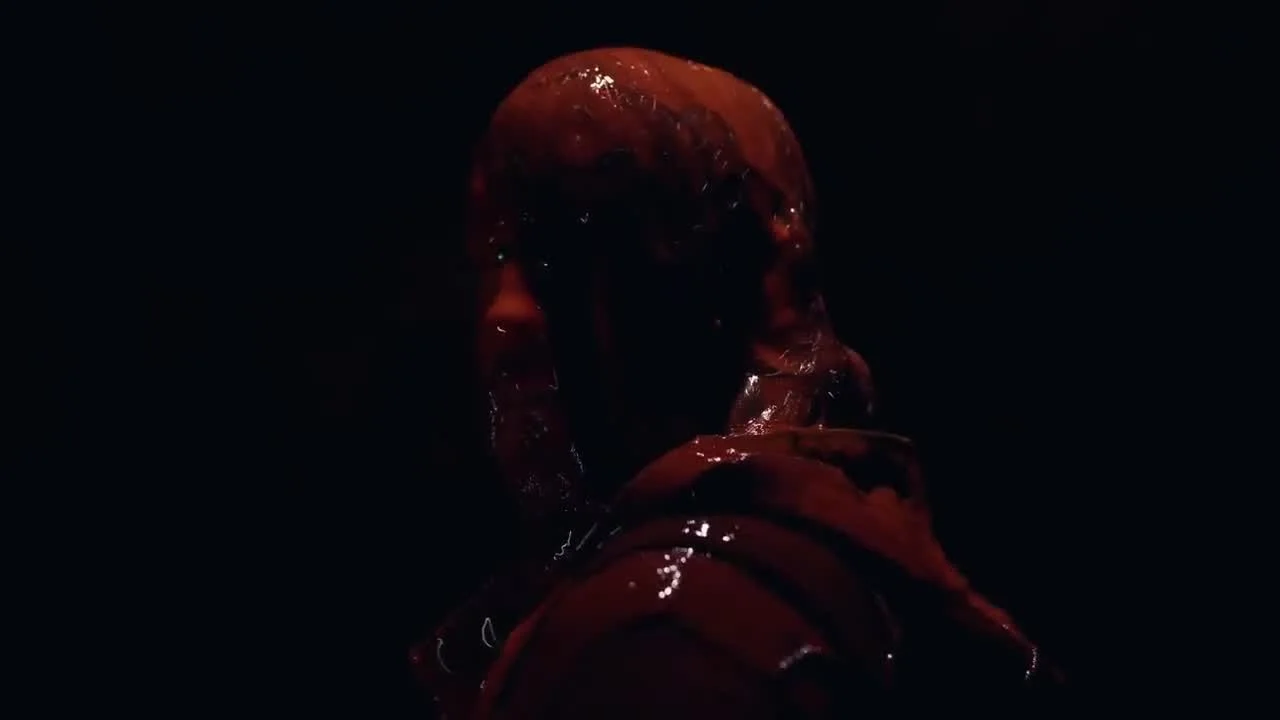
It’s hard to go further into it without spoiling some of Iron Lung’s (2026) best moments, but the film’s universe and background unfold differently from the game’s in ways that are interesting and, at times, delightfully difficult to understand. Between the talented technical presentation and direction and the pleasantly horrifying horror, Fischbach’s Iron Lung elevates an already excellent game, setting a new standard for video game adaptations and marking a first-rate directorial debut. Boasting viscera, absurdity, claustrophobia, thrill, a box office number one on its opening day, and an over $30 million box office opening, I can only hope that Iron Lung won’t continue to stand alone under Fischbach’s filmography.