Review | Resident Evil Requiem - Undead And Kicking
There are many things that should be dead yet refuse to perish. The shambling corpses of the undead, for one. They wander about, flicking off light switches, clawing and biting at any human that crosses their path in an unending frenzy of carnage. Do you hear that? Some of them are singing. Leon S. Kennedy, as well, has survived god knows how many biochemical outbreaks yet still lives, scarless, haunted only by regret. He’s pushing 50 yet looks as debonair as ever, except for the black blotches on his hands and neck. And, of course, the Resident Evil series, like the zombies it portrays, persists. It dies, is reborn, dies again, only to rise back up time after time.
Resident Evil has never been the smartest survival horror series, nor the best, not even the scariest. Never have I played a series with such wild modularities in tone, vibes, affect, and quality. Playing through the games means scaling the highest of peaks—breathing in that good air, that undeniable influence on the genre, often imitated but never fully replicated—and dredging through the lowest of valleys—those moments in which I felt the series exhaling its last breath, only for it to make a miraculous recovery, not necessarily as a corpse, but as a whole new being entirely.
Requiem is an ironic title for the newest Resident Evil game, because the series will never be able to repose in peace. It will always be brought back, year after year. It has followed me throughout life, across countries and continents, refusing to let go. Each game has a distinct effect on my psyche, paired with a smell that invokes memories. Resident Evil 3 smells like the stewed meat and fried plantains my friend’s mom made, back home in Caracas, while we spent the sweltering summer playing through Jill Valentine’s very-bad-day on his GameCube. Resident Evil 4 smells like dirty socks, scented candles, weed, cold pizza, laundry detergent, drywall, bleach, for it has been released and re-released so many times, it’s almost olfactory overstimulation to recall all the different scents of my various playthroughs. Resident Evil 7: Biohazard smells like mold— I, rather appropriately, played it in an apartment infested by the stuff.
Resident Evil Requiem smells like dust, cigarettes, and motor oil, with a slight tinge of that sterile, clinical smell, the one that overburdens me when I step inside a hospital. The main problem with the latest and greatest from Capcom isn’t that it’s a bad game: it’s quite good, I liked it. The problem is that it’s an uninteresting game: it does not reach the prestige of the best in the series, nor is it horrible enough to the point of being interesting. So, I fear I might forget the game’s scent sooner than the others.
Split Personality
Requiem is attempting to be two games at once, trying to reach what I consider to be the two highest points of the series. The frenetic, over-the-shoulder gun-action gameplay of Resident Evil 4, with Leon S. Kennedy (looking like a total DILF) returning to roundhouse kick some zombies and split their heads open with an axe. This is paired with the slow-walking, dread-filled, first-person gameplay of Resident Evil 7, as you embody series’ newcomer Grace Ashcroft through her own personal nightmare, creeping through darkness as you’re hunted by hulking monstrosities.
The switch between characters was at times jarring, making me incredulous as to the idea that what was happening to Leon and Grace was taking place in the same setting. One moment, you are clinging to the light of a lighter’s flame, stumbling through darkened corridors in the search for ammo, keys, healing items, crafting supplies; solving puzzles; carefully aiming at the head of a shambling infected; soiling your pants when a grotesquerie of flesh and blood chases you down. Then the channel changes—it’s the Leon Kennedy Show now, and he’s doing quips! He just crushed a zombie’s head with a powerful kick! He’s weaving, dodging, and shooting at an army of enemies that would’ve easily overwhelmed Grace. He’s doing physics-defying stunts and action-hero moves. Amazing.
So, the tone of the game varies wildly—from the overbearing terror of slowly treading through creepy hallways to action-heavy setpieces. I would normally penalise a game on such inconsistencies, but I am a connoisseur of dissonance, and it often works spectacularly in this game. Sudden tonal shifts are nothing new to the series—each of the latest Resident Evil games since Biohazard starts off slowly, building a sense of dread, before, inevitably, something incredibly stupid happens and breaks the tension entirely. Requiem achieves with its tone what other games in the series already accomplished: it codifies these sudden shifts with an overwhelming sense of silliness and melodrama.
This is the price of admission, one of the reasons I keep coming back to the series despite my criticisms: I want to witness what spectacularly ridiculous events will befall these lovable characters. And, while the shackles of the embargo prevent me from discussing my favourite moments, if you just accept the idiocy of the plot, go with whatever the current vibe is—either full-on horror or all-in-action—Resident Evil Requiem is another wild ride, a cavalcade of terrifying, funny, and shlocky thrills.
Exquisite Corpse
I do have a favourite half of the game. The divided attention between two protagonists, two different styles of play, meant I was in a constant state of comparing and contrasting the distinct experiences provided to me.
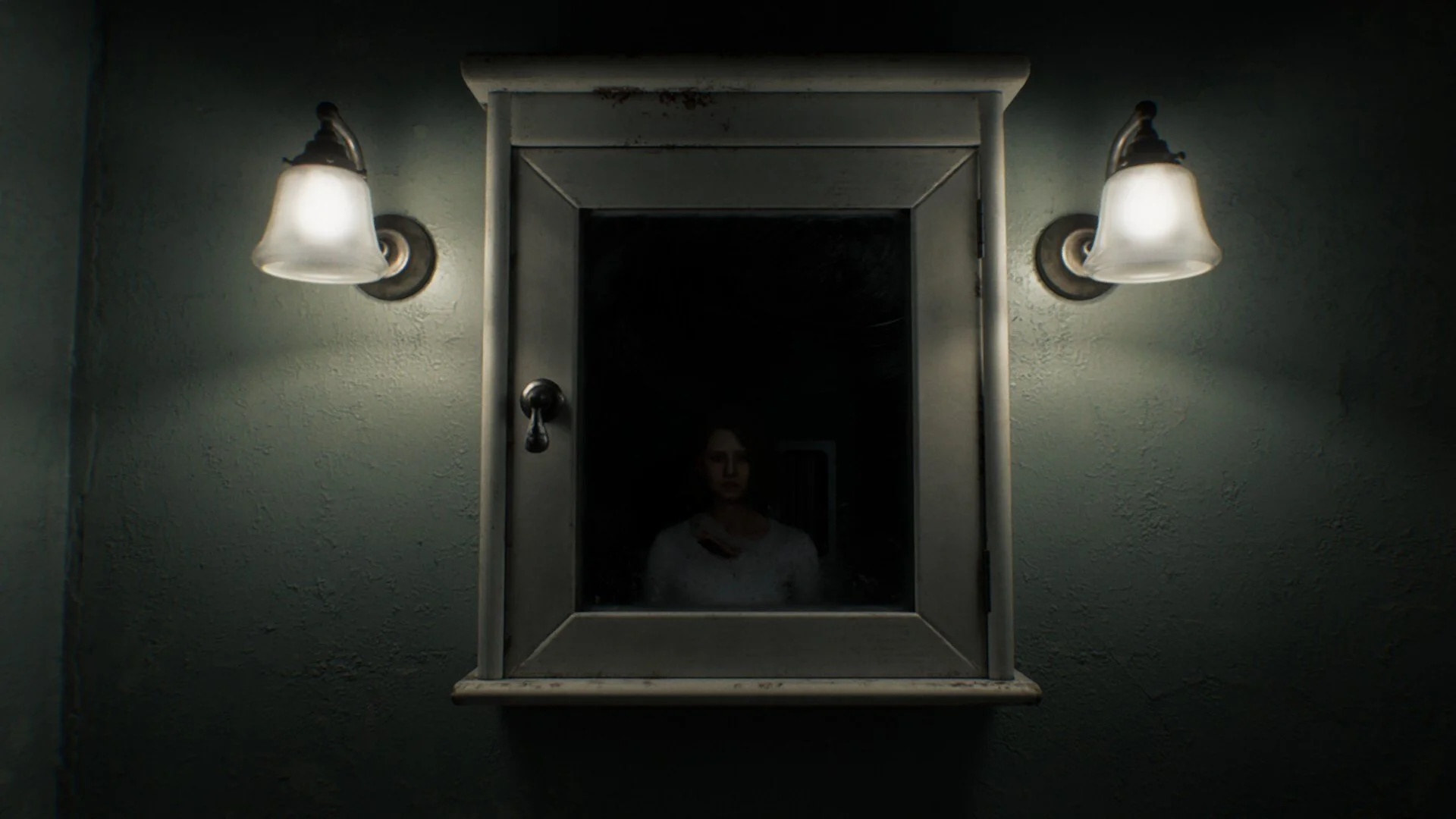
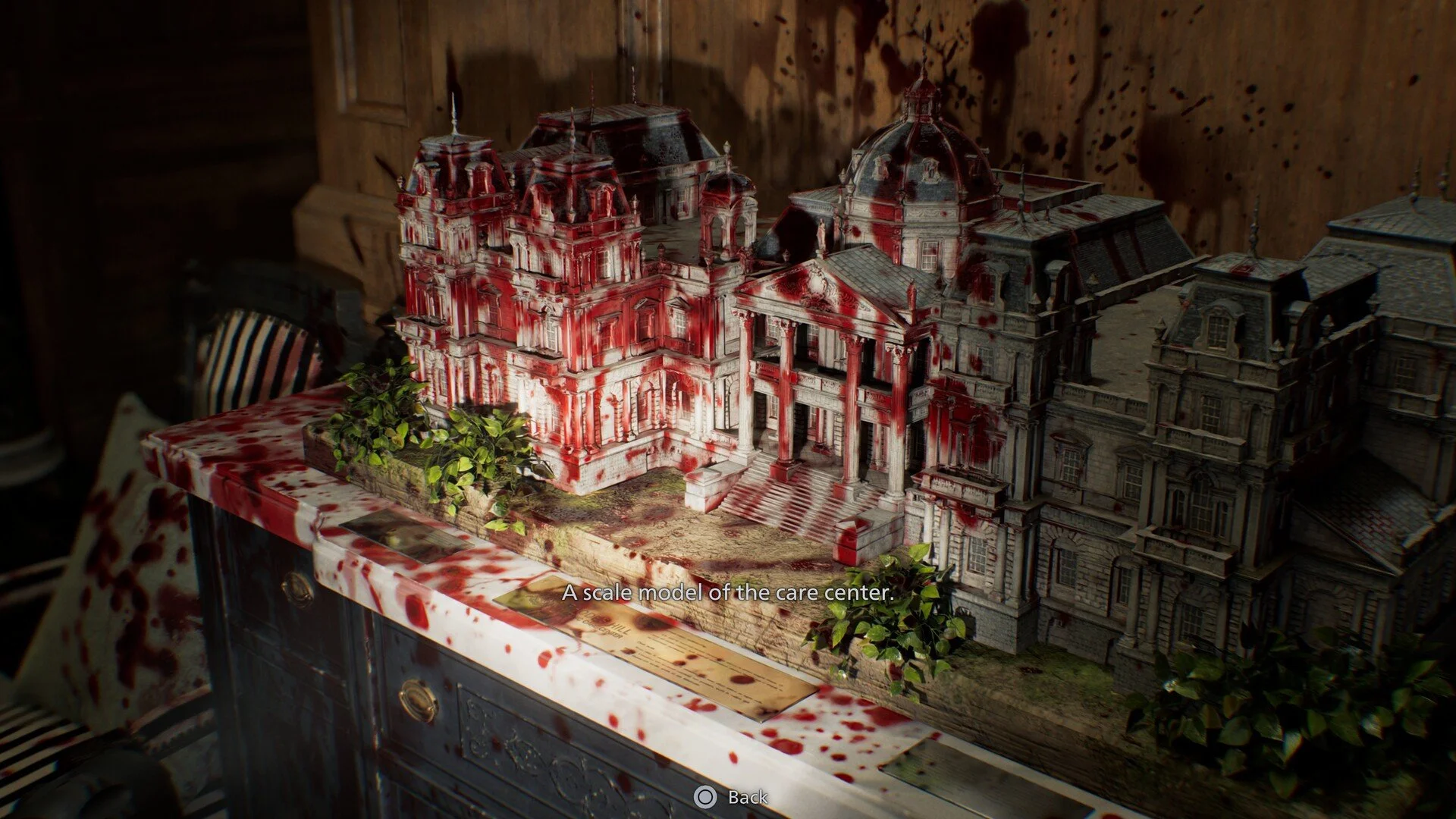
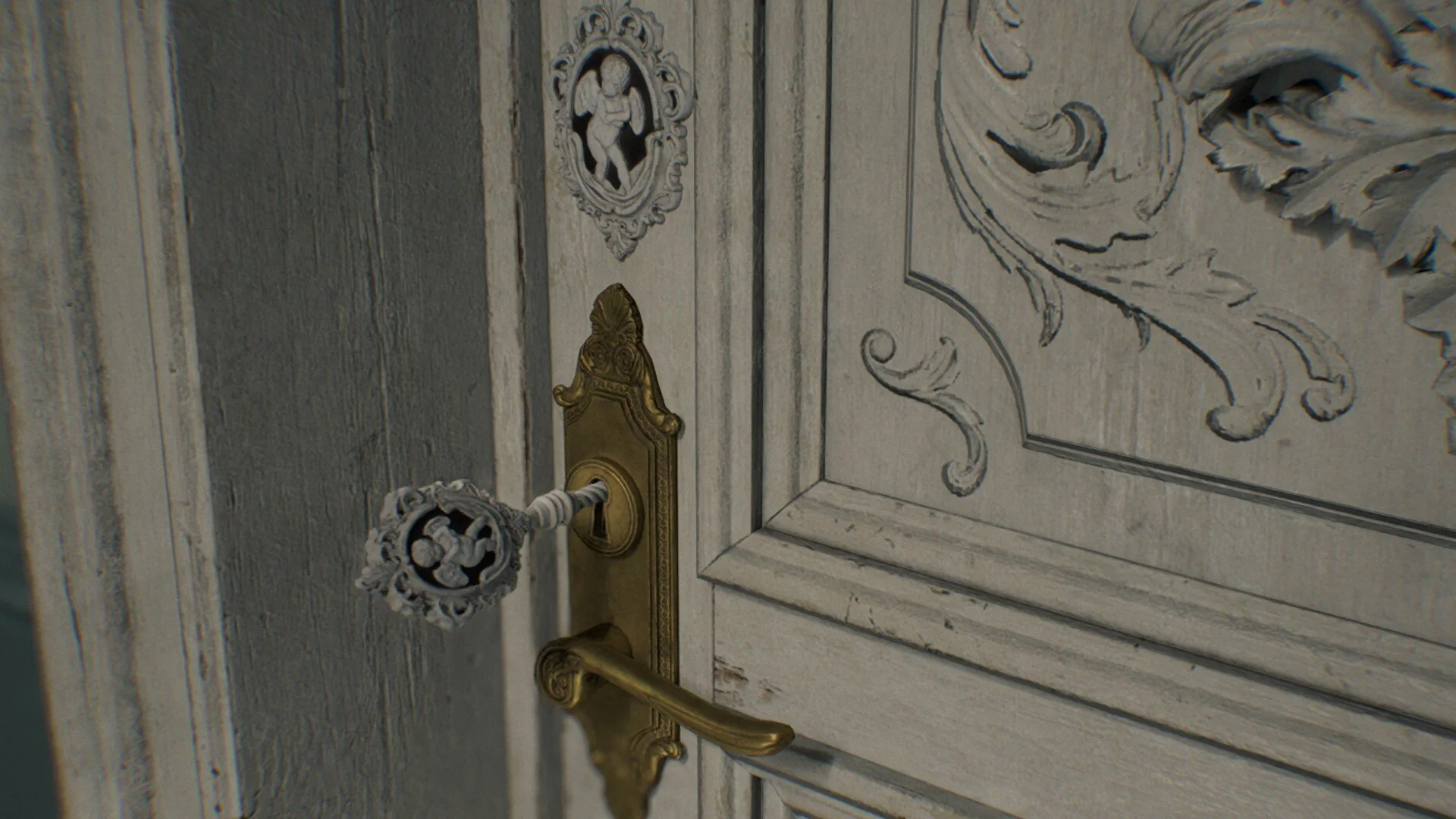
Series rookie Grace Ashcroft absolutely stole my heart. I had avatar empathy. When she would whimper in fear, or stutter out of nervousness, I felt as if she was replicating my emotions while playing through her sections. While there’s nothing particularly new or outstanding, they follow the formula of Biohazard and Village with incredibly tight level design and an intricate eye for detail. The starkly lit halls of the Hospital were immaculate, ornate, and decorated with Baroquean sculptures and intricate designs, continuing the pristine visual identity the series has cultivated for years.
It was always a pleasure to feel vulnerable and scared during her sections, they were the ones I refused to play alone in my apartment due to the fear they incited. Then the camera pans back, and you’re Leon again, and there’s catharsis in being able to easily fell monsters that were previously unbeatable, and could easily eviscerate Grace with a few bites and swipes.
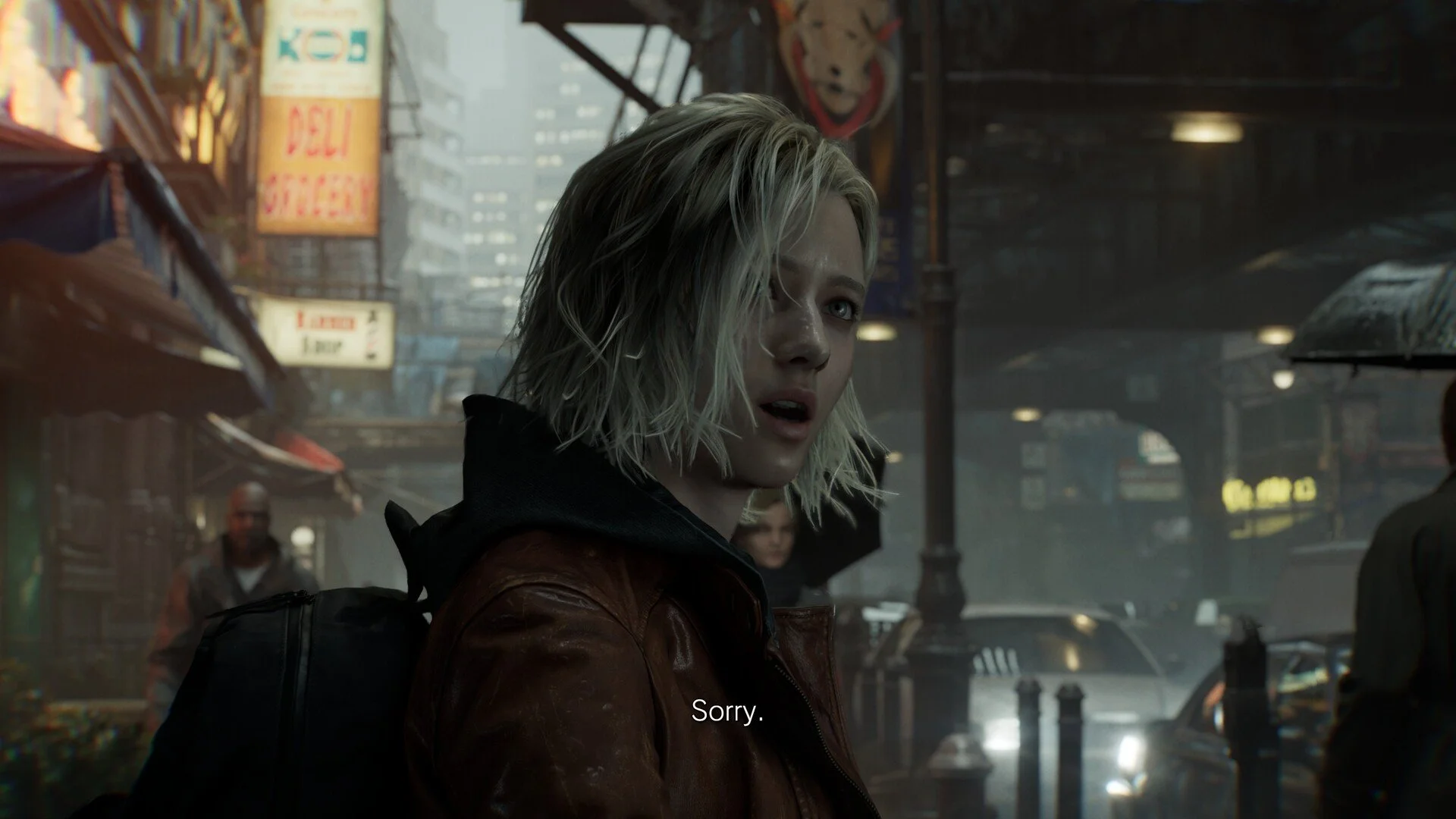
Leon, lovable as he is, is unfortunately relegated to the game’s worst sections. There is still a certain level of excitement that can be attained from his climactic setpieces. Even when things slow down and you explore the ruins of a destroyed city, the combat never disappointed me. But it is a shame that the environment he’s primarily placed in was rather drab, a lot of dull greys and washed-out browns. It’s a noticeable shift, as his opening section is a bustling street full of ray-traced street lights and heavy rain, a technical showcase, and the hospital’s pitch-black corners fill you with dread for the opening hours. My biggest grievance is when he retreads the same grounds, re-encounters a sworn enemy from his past, for no apparent reason other than for the sake of nostalgia. Even his one-liners have lost some potency; he sounds exhausted and ready to retire.
Riding With The Ghost
I am not, however, playing Resident Evil for the plot; I am playing it for that immaculate gun-feel, that craftsman’s sense for detail, that tension that is ceremoniously ruined by the most ridiculous event that you could ever imagine. And Requiem checked all those boxes off, with glee, leaving me feeling mostly satisfied. In certain moments, it chooses the path of cowardice when it decides to haplessly reference its past or renege on major plot points. Other decisions were quite brave.
Resident Evil Requiem is obsessed with the series’ continuity, to its detriment. Nothing fulfilling came from walking these memory-paths, other than it had me thinking about better games in the series. Certain story decisions sought atonement for what were, and always will be, comically evil forces that are always behind the games’ outbreaks and catastrophes. Even when the story decided to punch hard, and made an incredibly courageous plot choice, it walked it back and said, “Okay, want to see how this really ends?”, and it was exactly what I expected: more bait for a future sequel. Because Resident Evil will never die, and Umbrella will always have one more shambling skeleton in the closet.
Even with its disparities, abysmal pacing, and continuations of mechanics already explored and somewhat exhausted, Requiem was a bloody good time, and I look forward to seeing how it digests in my stomach. Maybe I’ll see if its scent settles, if it will be tucked away in some hole in my memory, and I will think of Grace and Leon when I sense it, out in the world. Or, more likely, if its smell will soon dissipate, never to occupy a place inside my brain.
Resident Evil Requiem was played on PC with a code provided by the publisher.