Review | Cyberpunk: Edgerunners 2 - Slow Down and Smell the City Burn
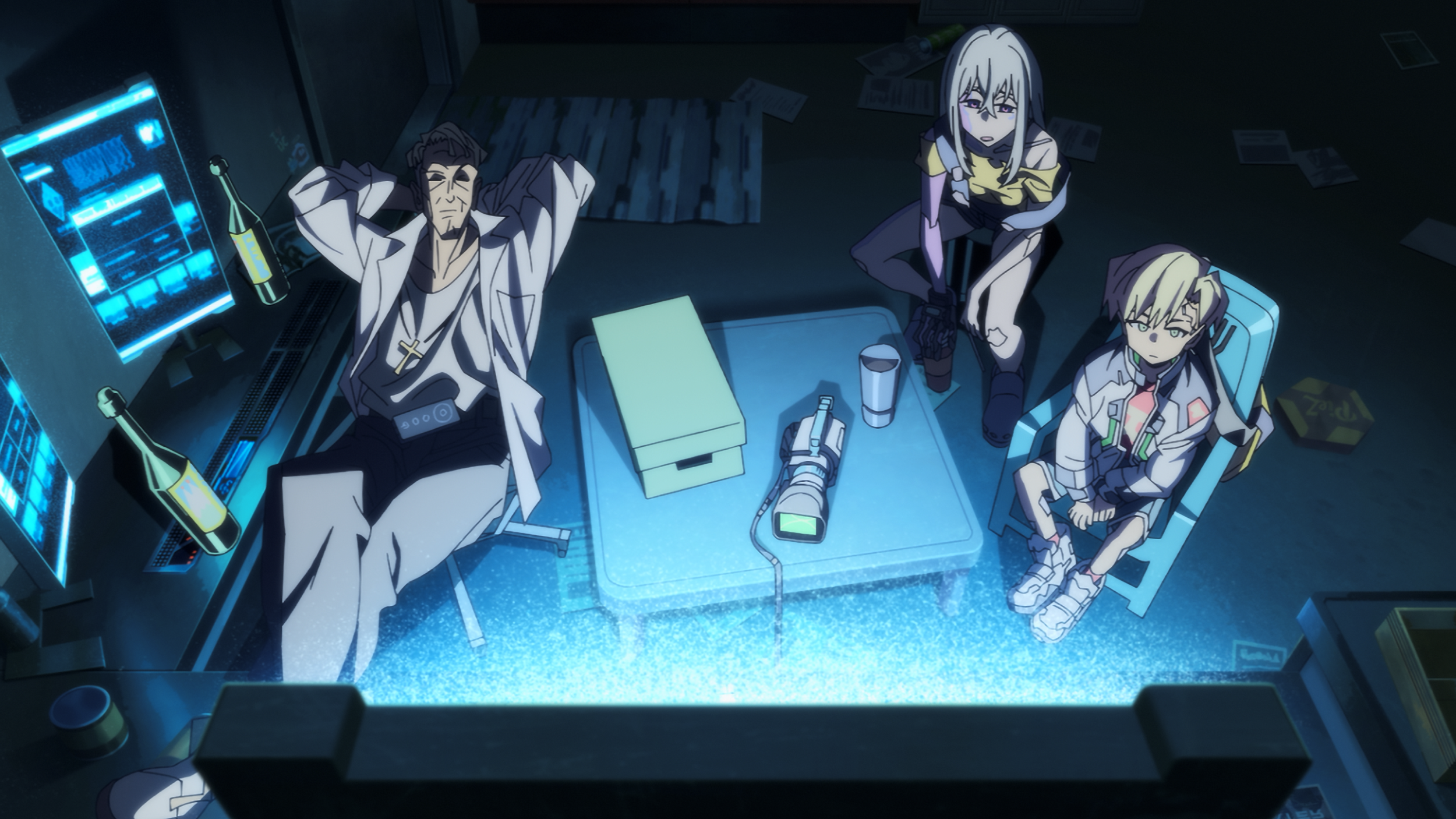
I don’t expect anyone in the new season of Cyberpunk: Edgerunners to end up in as many gaming crossovers as Lucy, David, or Rebecca. Our new gang is nothing like those who came before. They’re not even really a gang, but rather a group of Night City residents whose stories overlap for a brief moment.
Their stories also aren’t anywhere near as world-shattering as David and Co., either. It's another tale of regular folk against corps, sure, but the landscape is different this time. Going after the corpos is more like a petty, desperate attempt to feel like you’re rebelling against something, rather than an earnest bid to change the world. That is to say, Edgerunners 2 takes the incredibly unexpected approach of telling a new story that is lower-stakes than what we got before, and it is much, much better for it.
In Edgerunners 2, we’re introduced to each member of the new gang as they go about their day.
Roman is a 12-year-old kid with a love of shooting old-fashioned films (referred to as 2Ds), as opposed to Braindances (BDs). It’s a dwindling market, and Roman makes pennies, but he refuses to get in on the BD biz; he views BDs - that are inserted right into your head - as mindless slop, whereas he argues there is an art behind 2D films, which people have to watch through a screen, guided by their director rather than given unlimited freedom.
This thread runs through the season. Roman films everything, whether it’s his friends talking to each other or a brutal fight against the corpos. We watch his films get used to show people a side of themselves they never saw before, for better and worse. It makes someone feel beautiful, and it makes another feel powerful, all because of how they engage with Roman’s art.
Roman is our lead, if there is one to be had. But unlike David Martinez in the previous season, he also has the least to do - he really is our director, in that sense.
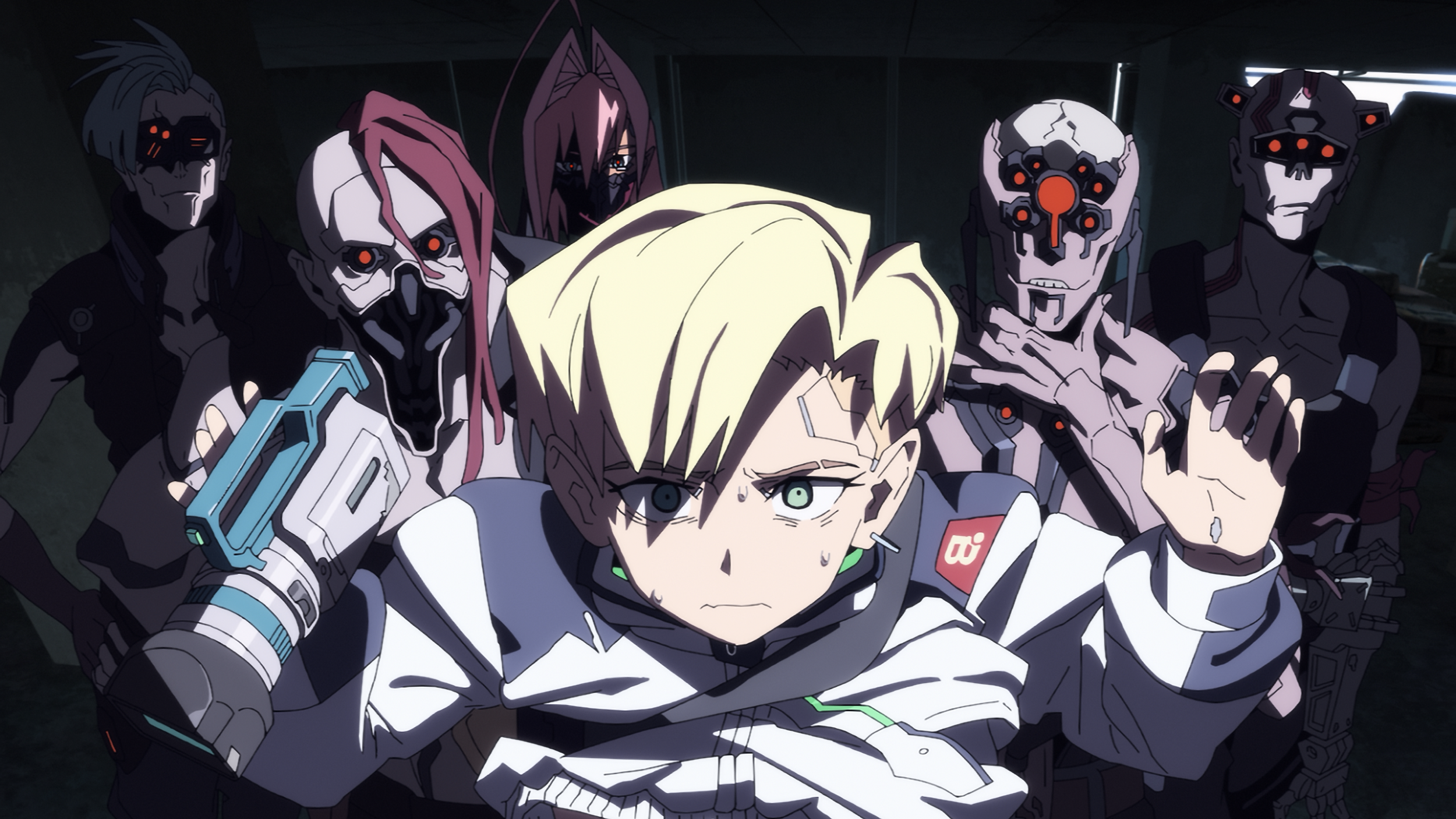
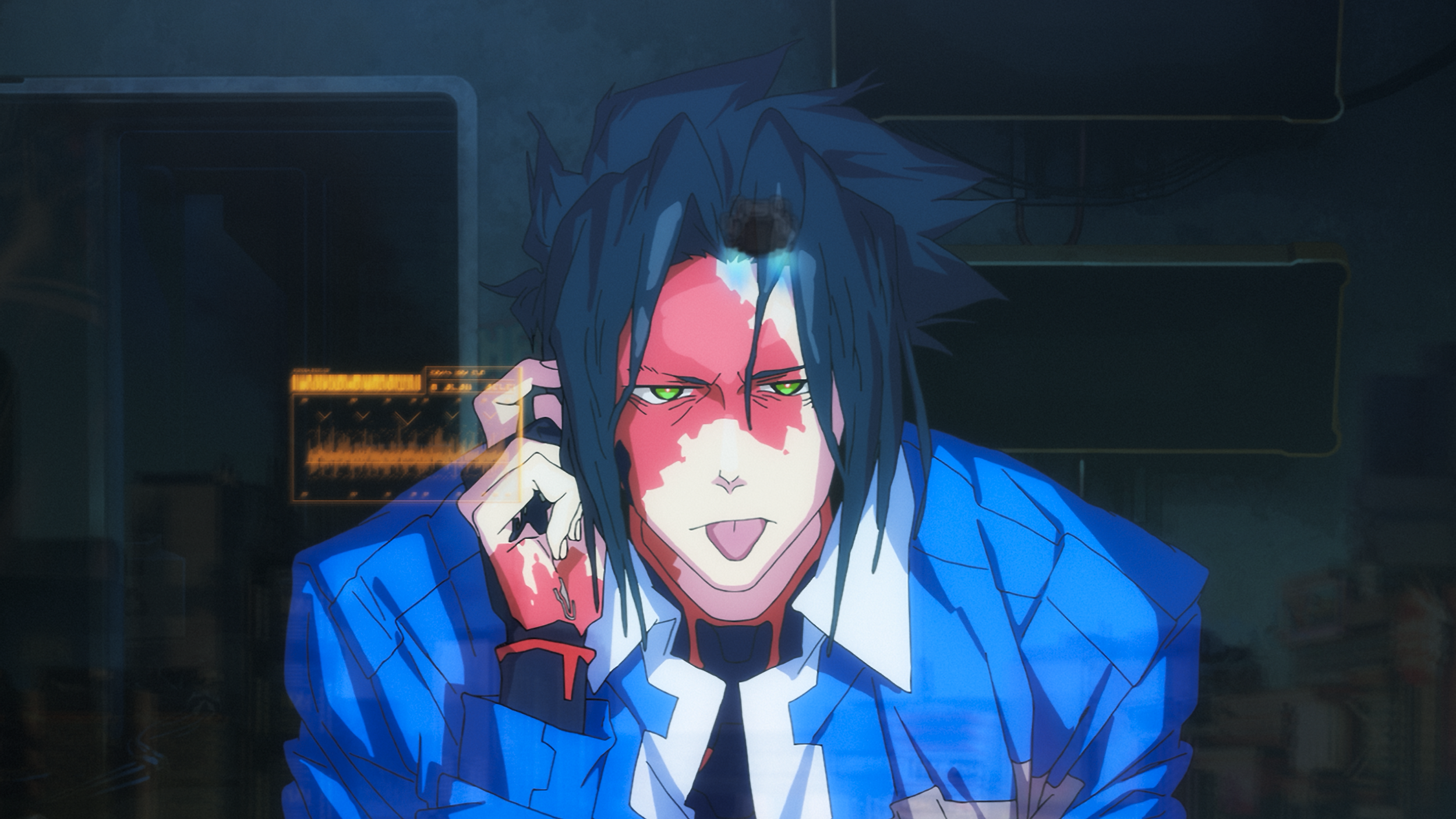
Instead, the story is mostly told through the other members of the new crew. Talia, a young woman addicted to cyberware, fights for her own bodily autonomy against her corpo parents. D is a former nomad out for revenge, trying to find new meaning in his life. Weak "King" Kingsley is a washed-up edgerunner who can’t use his own cyberware anymore and thinks his life is over.
They don’t work together exactly, but they do fight a common enemy - the world created by mega corps like Arasaka. Even if ‘Saka takes a backseat here, being down on its luck, it’s the corp’s influence that drives the plot forward, particularly since the power vacuum at the start of the season makes Night City so volatile.
It’s a breath of fresh air, letting Edgerunners feel like its own story rather than a tribute act to the game. Even when it does borrow from the game, as it touches on digital consciousness from 2077, the story Edgerunners 2 tells is fresh, only taking what it needs to give us something unique. Johnny and V’s relationship in 2077 is still very much its own parable, with Edgerunners doing something new with similar themes.
As I said before, I wouldn’t hold my breath for any of these characters to appear in game crossover events. The aging edgerunner who spends most of the show getting beaten down isn’t as marketable as David, nor is the vulnerable girl who replaces her own body parts just so she can enjoy a life of her own. But these characters build this much more mature Cyberpunk story that outshines its predecessor, showing that there are still so many stories to tell in Night City.
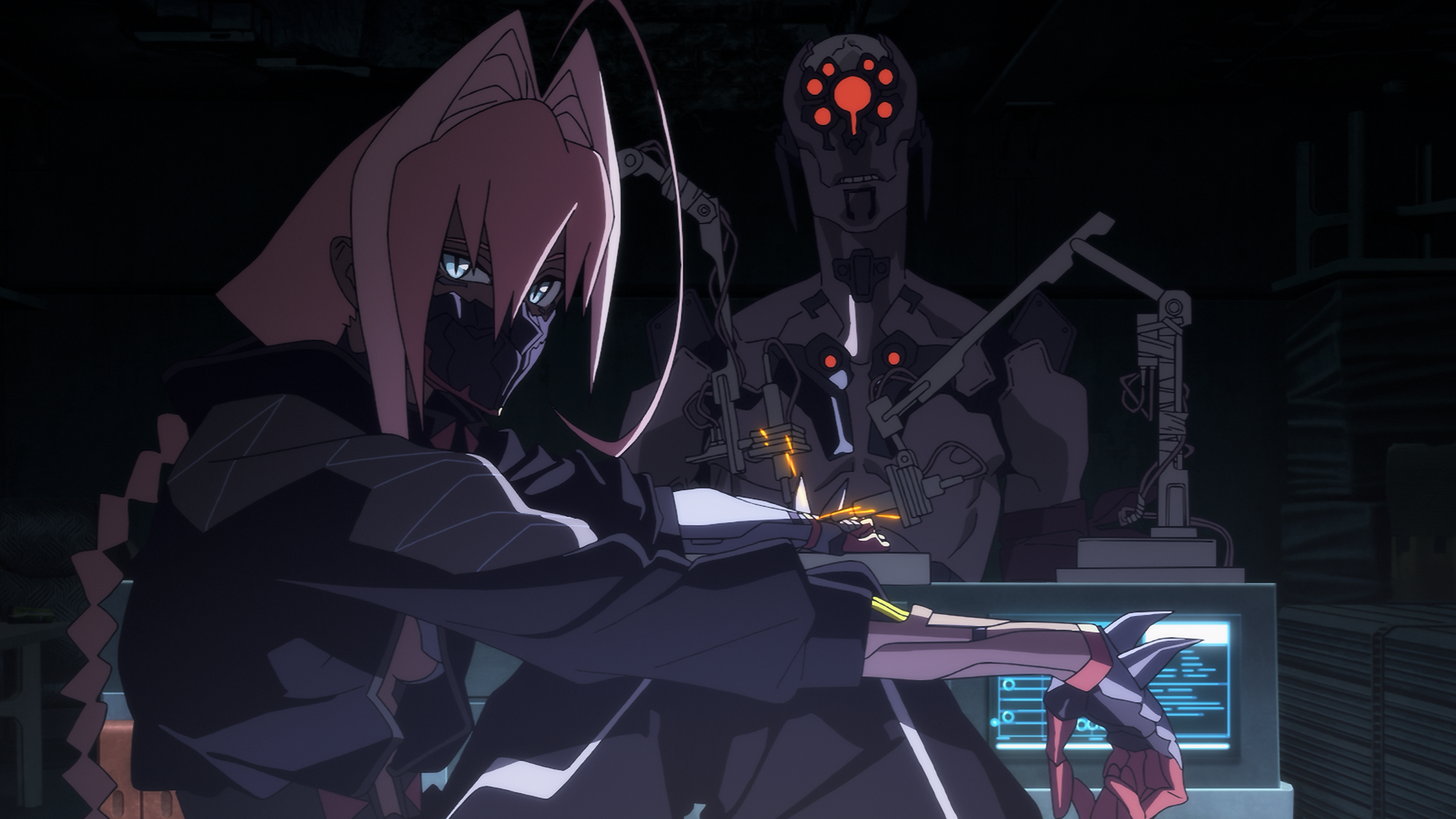
Edgerunners 2 also lets Studio Trigger flex its creative muscles once again. This season looks even better, with multiple awe-inducing stills per episode, and snappy action that doesn’t shy away from some of the harshest violence in the game.
A particular standout is when the show slows down to focus on a main character. The colour and the framing become otherworldly, representing each character’s break with reality. These stylised sequences are among the best in the season, and - just as Roman wants to do with his films - they turn an otherwise ultra-violent anime into a work of art.
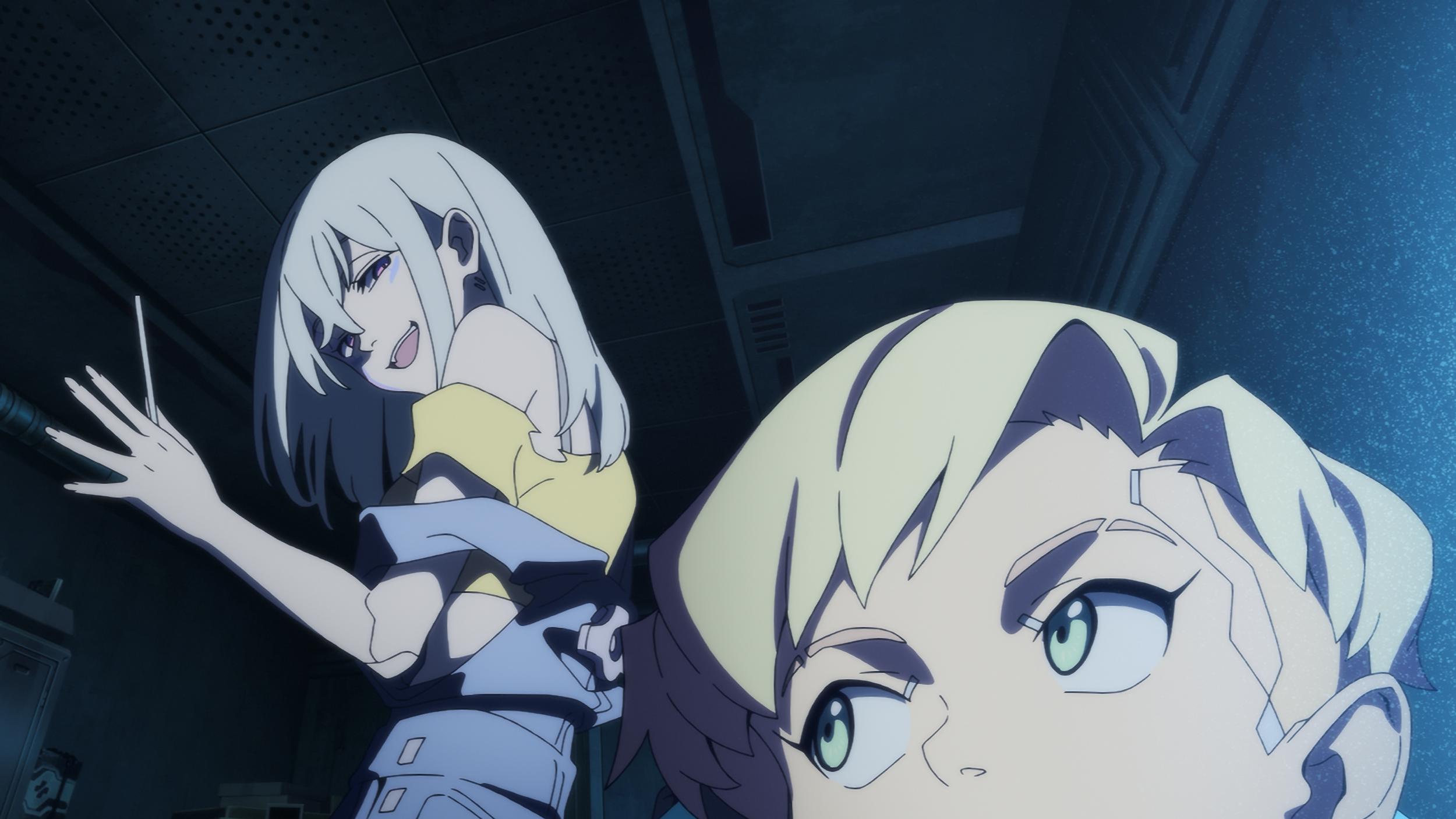
Of course, with a story and structure so much more ambitious than the first season, there are missteps. While the first half effortlessly juggles its multiple companions, the latter episodes stumble. When the story reaches the point where everyone needs to come together, some character motivations feel underbaked.
Edgerunners 2 also starts to move between events a touch too quickly in areas, as there’s little time to linger on moments that really could have done with fleshing out. Furthermore, the lack of a clearer main character means that it sometimes feels like we get a few half stories, rather than something as focused and satisfying as Season 1.
Nonetheless, Cyberpunk: Edgerunners 2 is abstract, experimental, and brilliant. Much like its cast of characters, it doesn’t try to burn bright and chasing undue hype or “aura moments” primed and ready for endless fan re-edits. Instead, the show takes themes like autonomy, freedom, and the commercialisation of art, and slowly explores them in this hyper-dystopian hell we’ve all come to love, using our familiarity with the universe as a way to dig deeper into its themes.
Perhaps more importantly, this new season has proven that Edgerunners wasn’t a one-hit wonder, and can stand on its own two feet now that we’re years out from a new game. I thoroughly hope there is more to come after this, as Studio Trigger has more than proven itself as an integral player in the Cyberpunk franchise.