Knoebel Outlines The Joys Of Controller Passing Co-Op Games | Winter Spectacular 2025
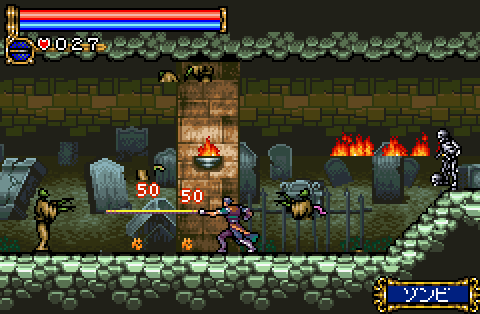
Back in 2001, someone on the internet came up with the term Metroidvania, sorry Castleroid, nobody likes you, for the increasingly popular genre of “search action games” like Castlevania: Circle of the Moon. This stylized name for a genre, in place of its more boring literal descriptor, has stuck around to this day, and since I'm a power-hungry social media person, I want to introduce you to my own made-up sub-genre.
Okay, maybe it’s not quite a genre, more like my own way of playing some games, and I call it Controller Passing Co-Op games, or CPCO for short. Okay, I must admit the short form sounds like D-Tier Dragon Ball Z Android, but bear with me, I'm sure I can sell you on the idea by the end of this article.
So first things first, what is a CPCO? CPCOs are single-player games you're playing with another person or maybe your dog (there are some dogs who can speedrun games, so I want to include them) in co-op, even if they lack explicit co-op functionality.
The best games, which are unintentionally-intentionally designed to be played this way, are games with a short gameplay loop, so you or your CPCO partner never spend too much time just watching the other person play. “A short gameplay loop” in this context could mean being split into short individual rounds, small objectives, having a short action-to-death ratio, or games with a leaderboard system.
Okay, so we’ve set up the framework for our new genre, time to give some game examples.
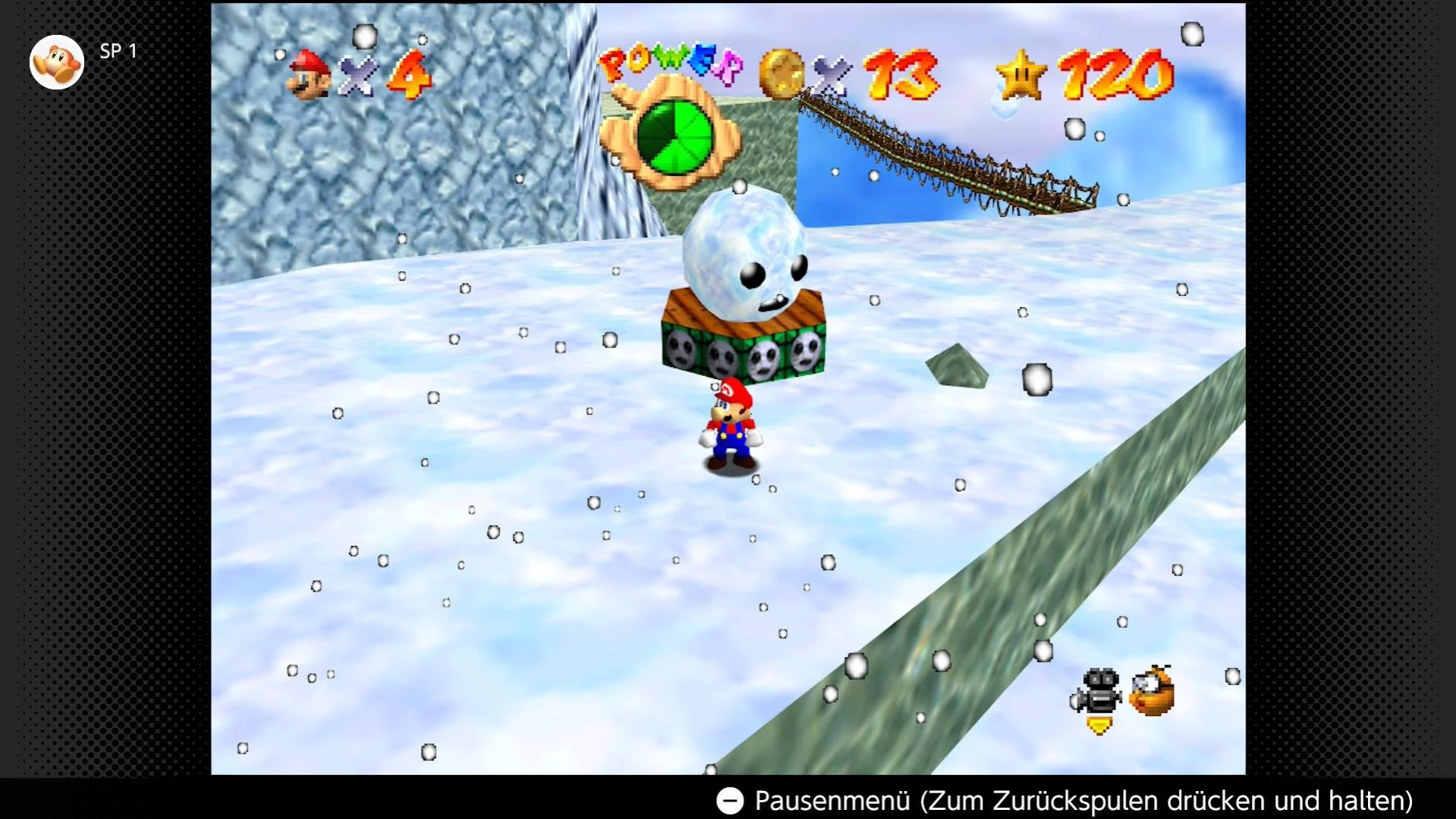
Let's start with the first CPCO game I can remember: let’s go back to 1997, when I first played Super Mario 64 with my brother on Christmas Eve. Super Mario 64 is the perfect patient zero. The game itself is engaging, the courses are short and take between five to seven minutes to complete, and most importantly, some stuff sucks so bad that you’ll WANT to pass the controller to your partner because you absolutely don't want to collect the eight red coins in Tiny-Huge Island. I replayed it recently with a childhood friend using this method, and it still slaps. What’s more, the same is true for newer 3D Mario entries, for everything from Sunshine to Galaxy 2; this works really well. Surprisingly, it doesn't work as well for Super Mario Odyssey; it's still a nice time, but since the game just keeps rolling every time you collect a moon, it doesn’t provide an obvious cutoff point to pass the controller the same way Stars in 64, Sunshine, or Galaxy did.
There’s one genre I feel maps onto our CPCO definition almost inherently, and that would be puzzle games. Return of the Obra Dinn, The Witness, and the recently released Blue Prince have one thing in common for me: I hated them all when I first played them. I am simply a very dumb person who gets easily frustrated by puzzles. I can try a boss 800 times without getting mad, but replaying a puzzle without making any progress is the worst. This is where our new sub-genre comes into play: I played and beat all of the above games with the help of another person, and it was a wonderful time; I adored every second of it. These games now sit pretty high on my Top 100 games list because I got to share the experience of being dumb with somebody until we figured everything out.
Let's go from a whole genre to one specific mechanic that is improved by CPCO: Time limits.
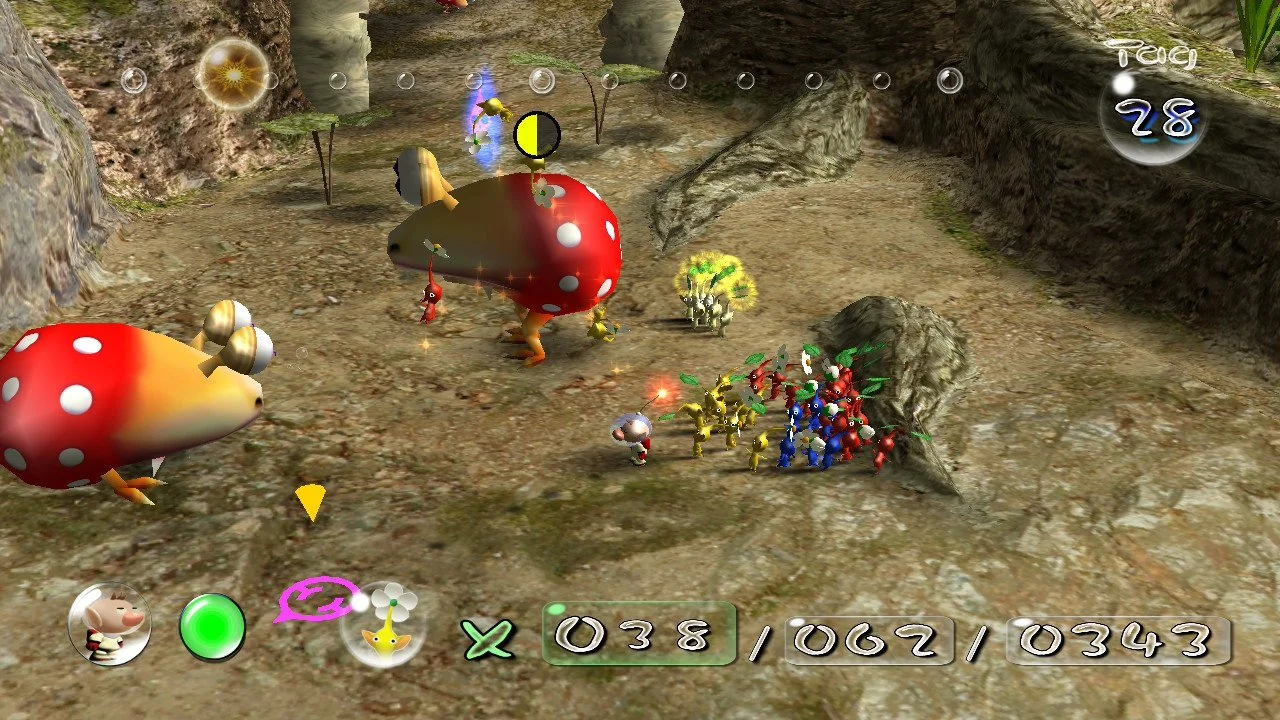
I mean, it just makes sense, right? Time is up, and you pass the controller to your partner, easy as that. I recently played the first Pikmin and The Legend of Zelda: Majora's Mask with a childhood friend, and I felt this leaned into their inherent min-max nature. You’re working together as a team, and that means using your gameplay pockets as effectively as possible to set up your partner’s turn, so that they can achieve a better result, which benefits both of you.
Games like Dark Souls, Children of the Sun or Hotline Miami are also perfect for a good Saturday night controller-passing session. Especially Dark Souls with its more or less short cycle from action, to death, to action. Just don't be mad when your gaming partner is better than you and doesn’t die and never has to pass the controller for that reason, in the end it's still a team effort.
When it comes to high-score chasing leaderboard games, I would recommend titles like Tony Hawk’s Pro Skater or Geometry Wars. It's a good way to bring some competitive energy to the table. I remember back when I was 18, we always played a couple of rounds of Geometry Wars before we hit the club. Sometimes our games were so close that a best-of-three turned into a best-of-nine or more.
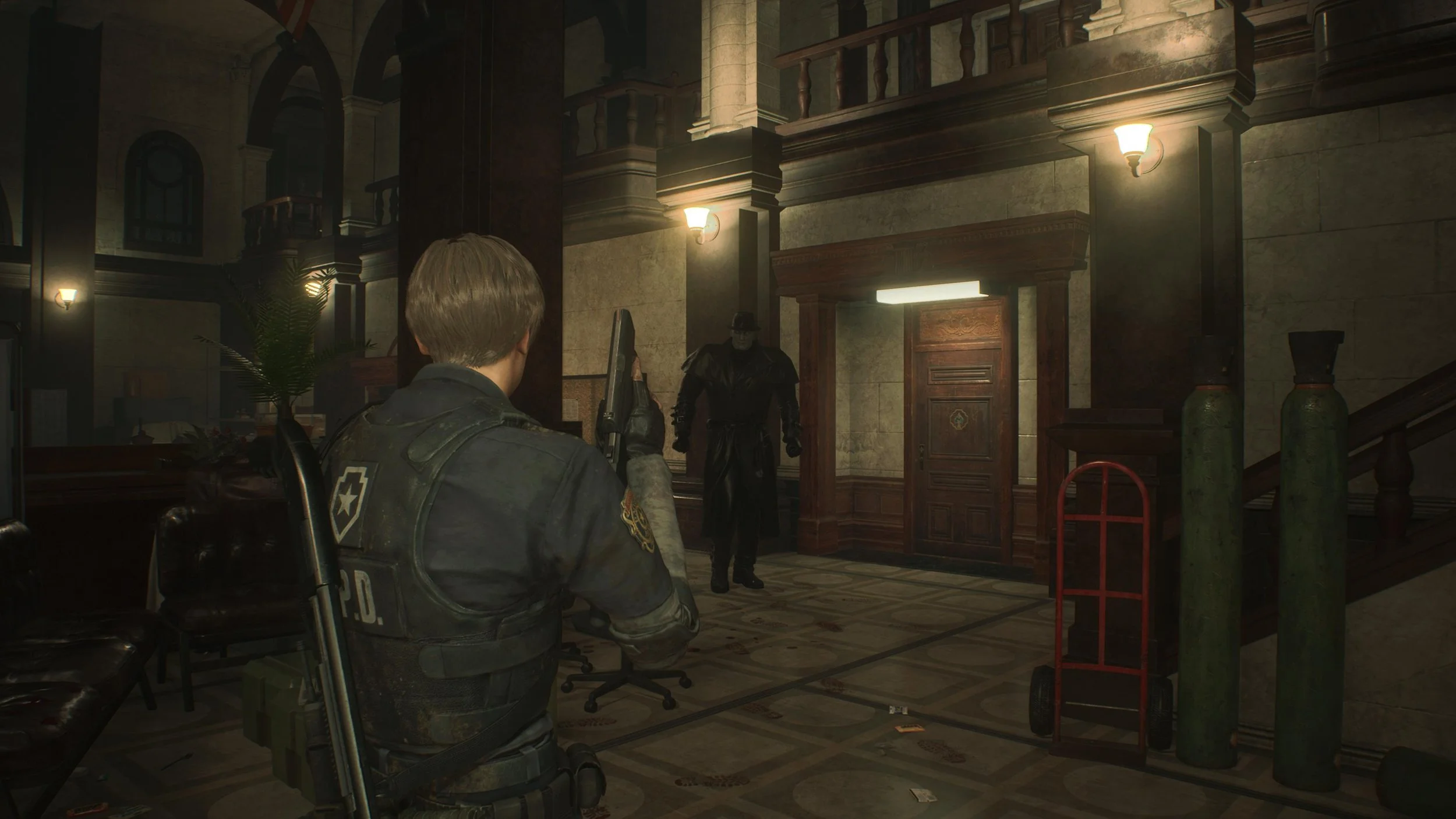
Look, I'm a coward, and I hate specific design choices in horror games. I can't handle the Tyrant in Resident Evil 2 Remake; this dude scares the shit out of me. There are some co-op horror games, and the thing is, playing a horror game in co-op takes a lot of tension out of it; sometimes it even makes the game funny. I believe it's a different situation when you play a horror game as a CPCO game. It still removes some tension, but the spooky vibe stays the same.
I listed a good amount of games that are optimal to play together on the couch, but you will probably be asking yourself, “Knoebel, isn't every game a CPCO game in the end, as long as I’m enjoying it with another person?”
And yeah, what can I say, it's true, it was all made-up bullshit. Genres in general are dumb. Games are more than checkboxes. We should use genres as a simple recommendation tool and not to classify the game itself. I played The Legend of Zelda: Wind Waker together with a friend, and to be honest, it's not really a good way to experience the game, but in the end, it was still one of my favorite playthroughs because I got to share it with somebody.
Anyway, I hope I was able to inspire you to play more games with someone you like, next to you on the couch. At least for me, those memories with my loved ones will stick with me forever.

![[PATREON UNLOCK] Update Patch - November 2025](https://images.squarespace-cdn.com/content/v1/5caf2dea93a63238c9069ba4/1765217445424-VD9D5K60NQ7D8C128M5F/Update+Patch+000.jpg)