Review | The Incident at Galley House - A Help-Type Game
Mystery adventure games are having a huge moment right now. This phenomenon can be seen around the world: audiences are going crazy for games such as Urban Myth Dissolution Center, the Paranormasight duology, and The Roottrees are Dead. The developers of the latter, itself an open love letter to some modern-day classics of the genre, decided to capitalise on that and help a cult hit from last year get in front of some more eyeballs.
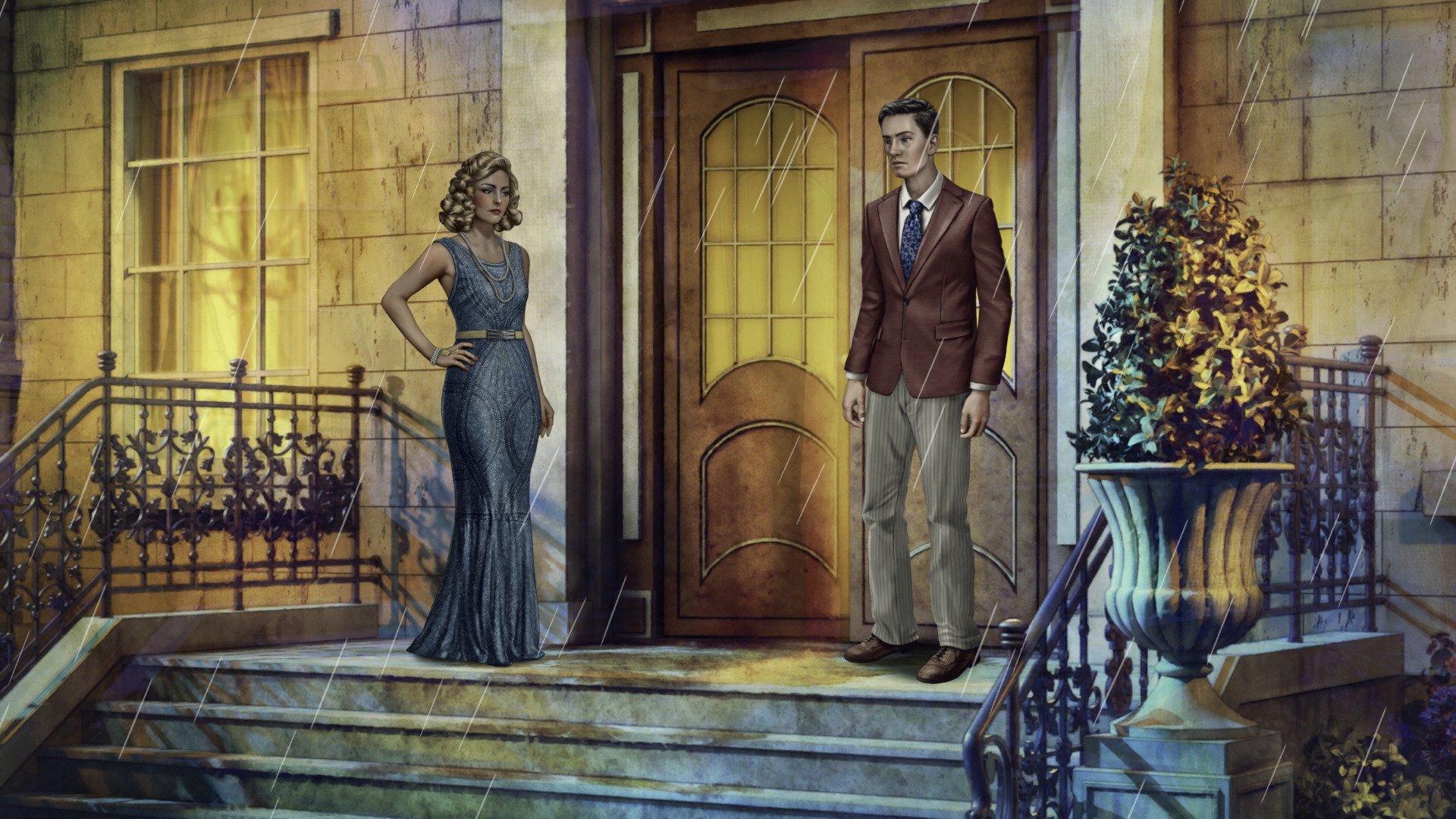
The Incident at Galley House is that hit — free browser game Type Help, a simple text adventure — reborn in style. It retains the core script of the original with minor tweaks and adds in an extra campaign, as well as fully voiced lines and proper visuals. You are Reya Beckon, a young employee tasked with operating a machine that can show scenes from the past, so that you can unravel the series of inexplicable deaths that befell the forgotten Galley family and its guests in the 1930s.
It all starts with a man who gets invited by one Rupert Galley to a gathering of some sort; when he makes it to the house, however, he finds nobody knows who that is, and he himself hasn’t the foggiest either. What follows is intrigue as, along with the ensuing deaths, we must make sense of what rooms are in the house, who the people in it are, and — new to the remake — what they look like.
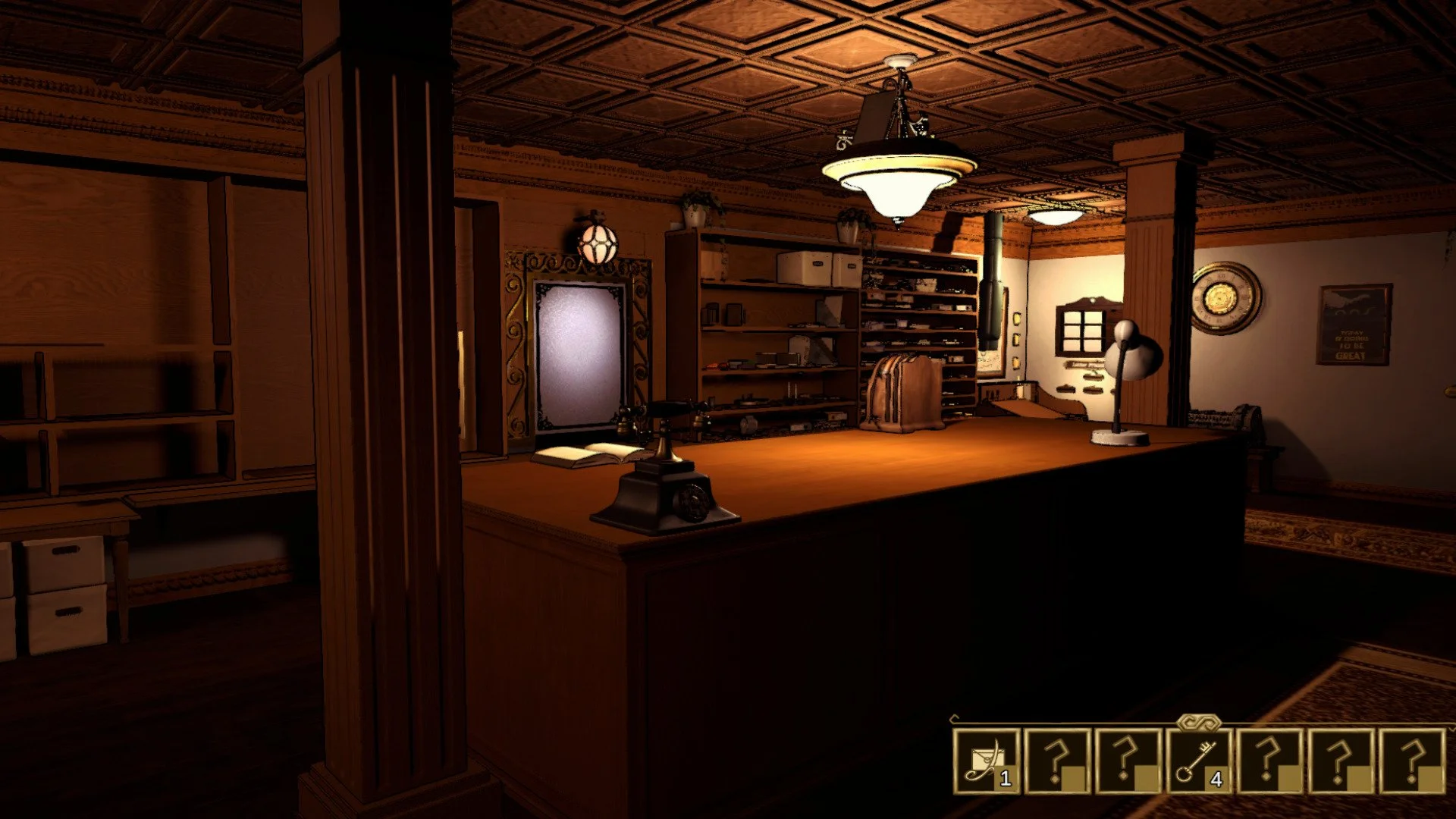
Navigation takes place through inputting codes. This was true of Type Help as well, but Galley House adds physicality to it: since your weapon is the machine as opposed to a computer database, you fiddle with knobs, dials, and levers to get the correct combination of time code, location, and people present in a given scene. Once each is discovered, the game keeps track of what scenes happened when and where, as well as which people are currently unaccounted for at that point in the timeline.
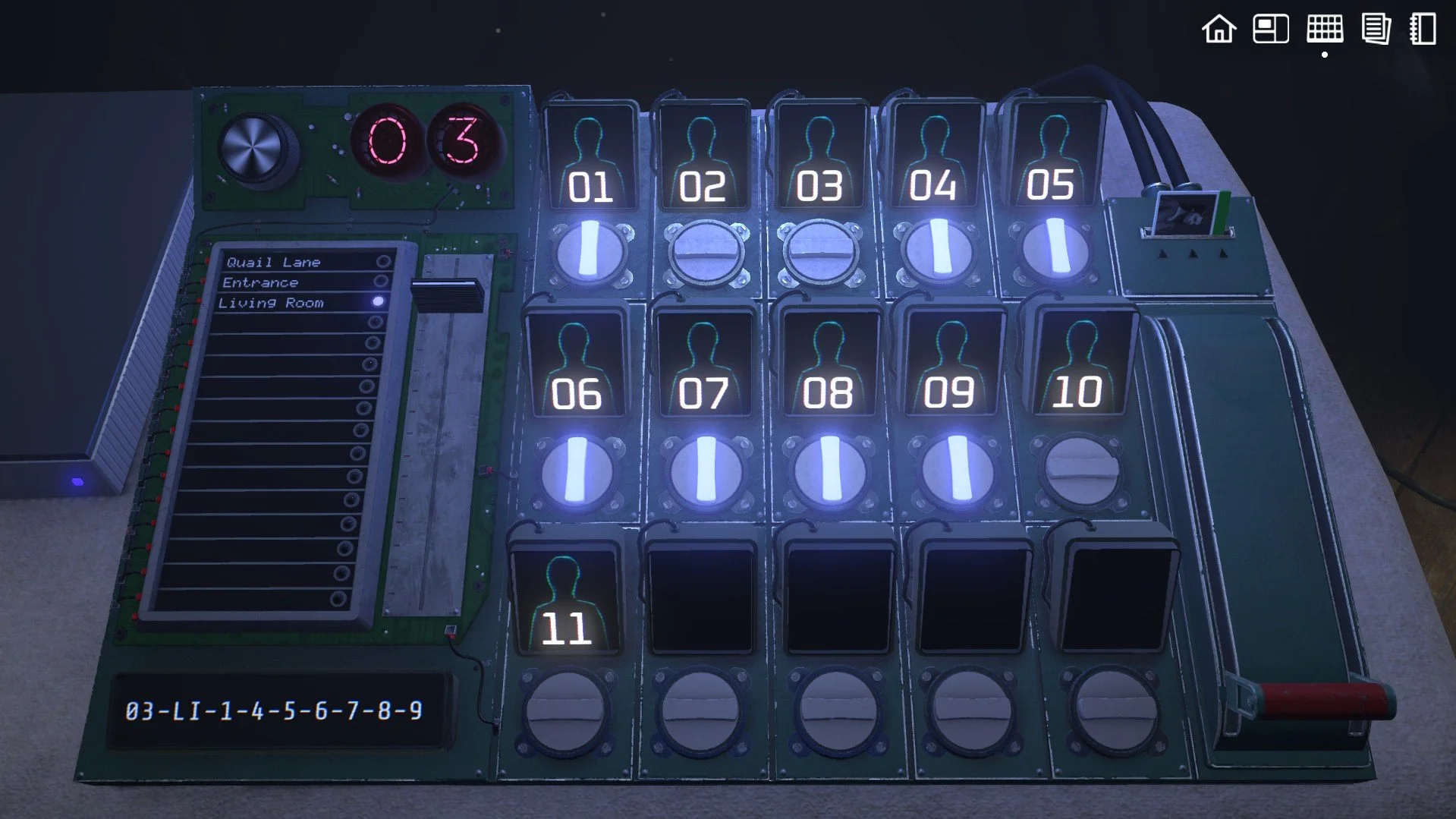
You see, the scene-by-scene of Galley House is all about retracing steps. Sometimes you’ll witness a scene that makes no goddamned sense, and your thoughts are “OK, we’re just saying things”, and then everything will click some dozens of plot beats after. Sometimes you’ll be deliberately led to a wrong assumption and only realise your mistake several days after you’re done with the game. Sometimes it will taunt you with elaboration and hold it over your head for so long, you’ll think that element of the plot was forgotten; it wasn’t. This is a narrative that respects your time and intellect, and after months witnessing my best friend play through a certain highly acclaimed yet poorly-written sound novel about a closed-circle massacre in a wealthy family home, I’m thankful for it.
Speaking of closed circles, I must entice fellow genre lovers with this: if you’ve ever had Capital-T Thoughts about the format, and especially if you scorn it for making people move on from their grief too quickly, this is the game for you. Speaking as vaguely as possible, this story provides juicy commentary on this specific perceived problem through some unique, clever framing. It scrutinises our fascination with the past and asks us to cherish memory. I’m sure there’s a famous quote somewhere about what happens to those who don’t learn from history, but it’s just not coming to me now.
I must say, though: playing Type Help in preparation for this review felt ultimately like I’d eaten all my dessert before dinner could arrive. It’s not just about already knowing where everything goes (except for the new campaign around Reya, which, while well-crafted around the established rules, felt inessential and tropey) — it’s the vibe.
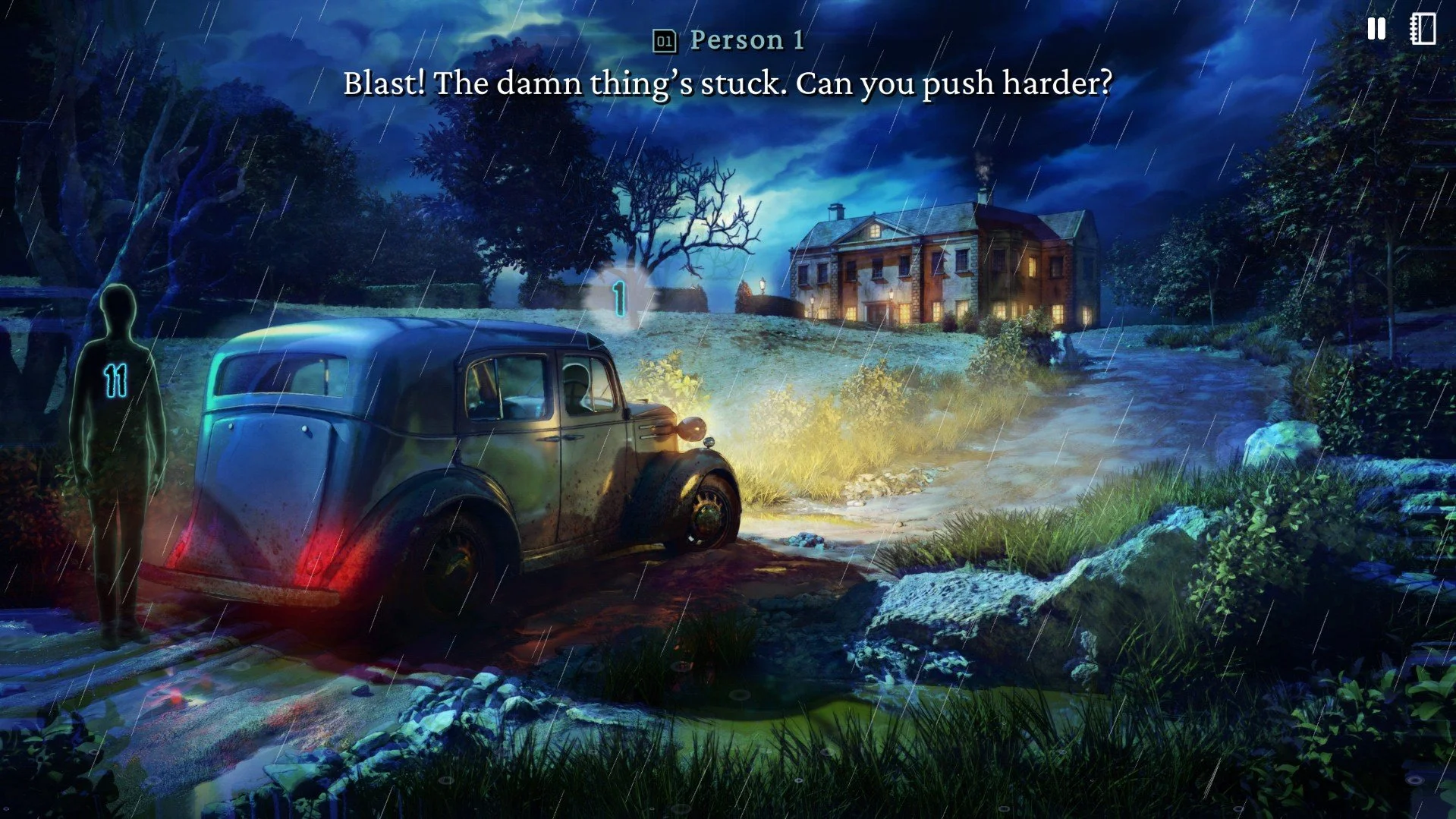
Both games share the same text, yet go for completely different atmospheres; Galley House, with its voices and visuals and production value, wants to bring Type Help to people who can’t be bothered to play a text adventure in the Lord’s year of 2026. As such, it stylistically approaches Roottrees in presentation (and QoL) as more of a fun messy family drama story than the true dread its source material had me feeling. I used to have to imagine it all by myself. I missed the limitations, the archivist’s quips, the pencil-and-paper grid I had to make so I could follow everyone’s steps around the house. Galley House has it all spelled out for me, and it’s a weaker experience for it.
All that said, I still don’t think it’s a bad game. In fact, for someone who’s not my brand of mystery sicko — someone who’d rather have all their deduction tools at arm’s reach than go full red-threaded corkboard with it — it might be better than the original. Both of them have the same beating heart, after all.
The Incident at Galley House is perhaps more indulgent than Type Help calls for, packed as it is with distracting flourishes and a truly unnecessary final act, but it’s by no means an experience to write off. If this remake sings to you, by all means go ahead, though I would also recommend the original, either before or after playing its followup.
The Incident at Galley House was played on PC using a code provided by the publisher.