Review | Pragmata - Fly Me To The Moon
With the recent launch of the Artemis II shuttle and lunar observation mission, the moon is so hot right now (well, it's actually very cold, but y’know?). It’s hard not to feel fascinated by the celestial body that greets us every night. For some, seeing the moon is a gentle reminder that it’s time to wind down after a long day. Its soft glow, illuminating the night sky and bringing comfort. Others see it as a new world to explore (and potentially inhabit) one day in the future, regardless of how distant it may be from everything familiar to us on our home planet. This desire to make the unknown more familiar is further explored in Pragmata where our main characters long for Earth during their time on the moon.
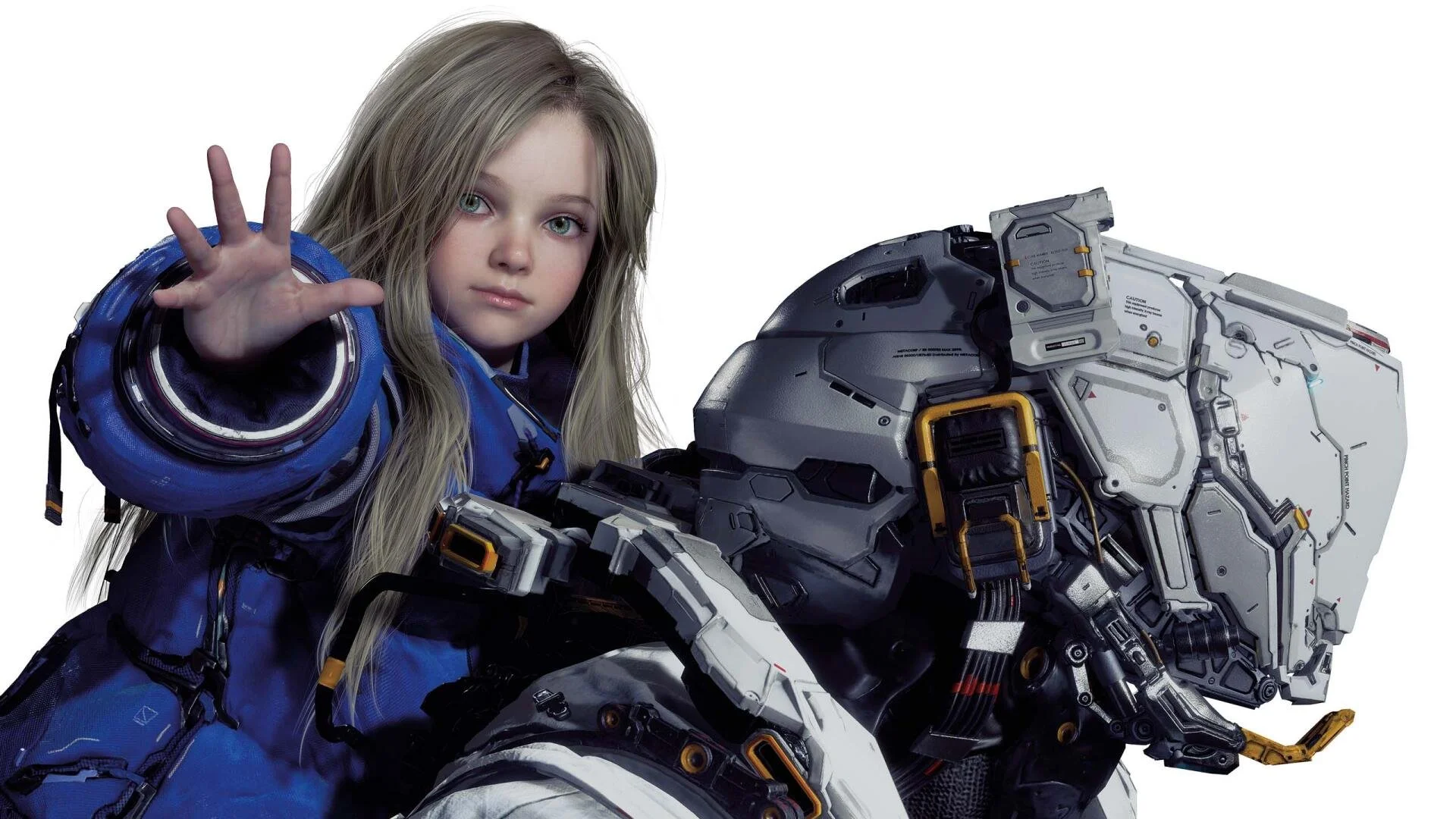
Pragmata is a brand new IP developed by Capcom where you play as Hugh, a member of the Delphi repair team that was sent to mend damages on a lunar research base called the Cradle. Upon landing at the Cradle, Hugh and the rest of the team discover the base to be deserted and in a state of disarray. The crew moves through the base until seismic activity causes the already damaged structures to collapse, knocking out Hugh and killing the rest of his crew. Hugh wakes up to find Diana, a child-like android, standing over him after repairing his suit. Hugh (desperate to leave the station) and Diana (intrigued by Hugh) agree to work together to overcome IDUS, an unruly AI that views all humans as hostile, and return to Earth. In order to survive the escape, Hugh — with the help of Diana — must destroy a countless number of robots who refuse to let anyone leave the station alive.
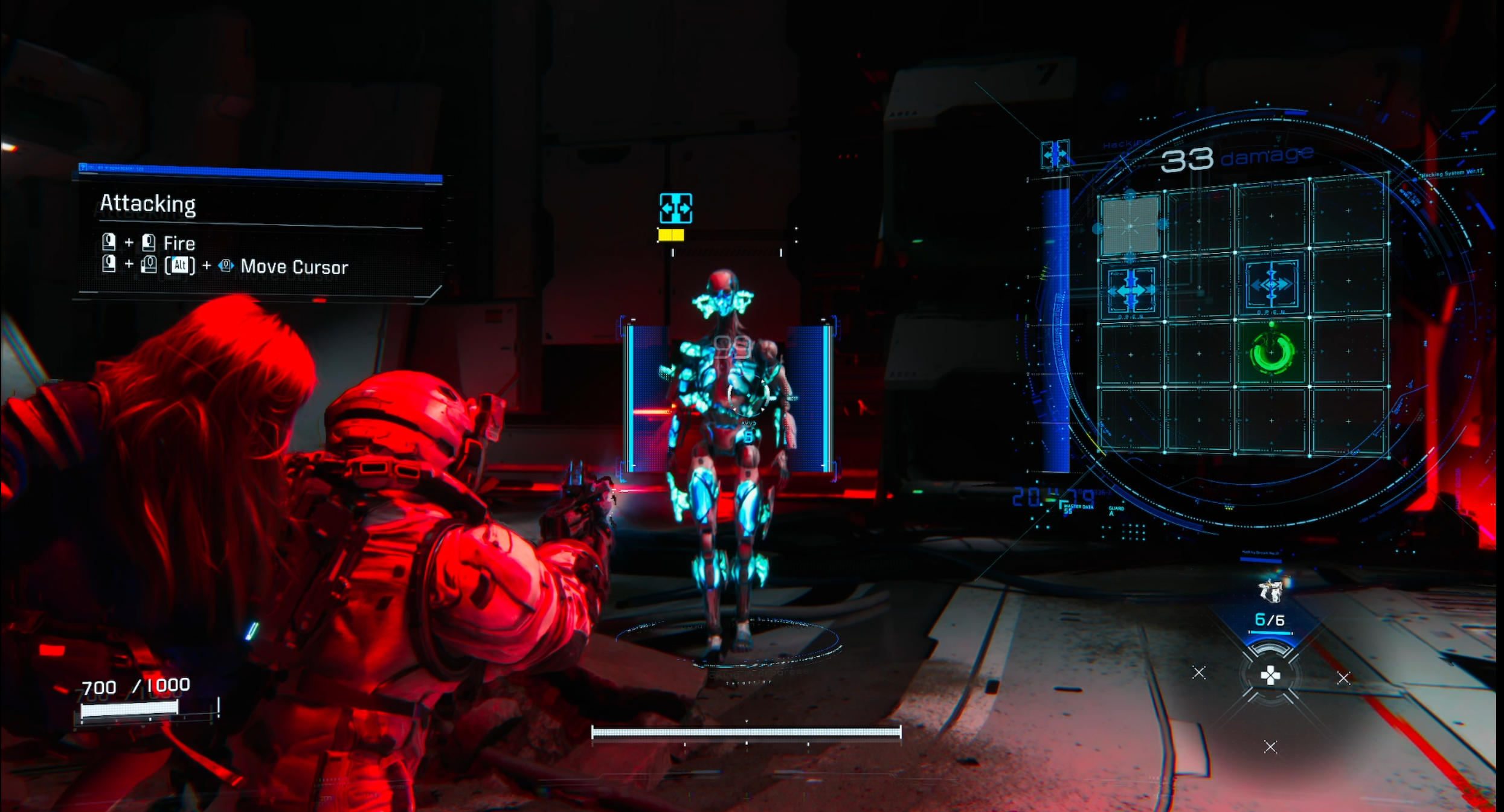
The unique genre mashup of a third-person shooter along with grid-based puzzles makes Pragmata’s combat one of the most extraordinarily original combat systems I’ve had the pleasure of playing. When you aim your weapon towards the enemy, a grid appears beside them. During the start of combat, Hugh’s guns do virtually no damage to the heavily fortified robot exoskeletons. In order to open the robot’s outer shell and make them susceptible to damage, Diana needs to successfully hack the robot. While aiming, you use the face buttons to navigate a cursor through the grid in order to reach a green node that executes a hack. Its first appearance and use took me by surprise and left me worried that anything more complex would be overwhelming or become chore-some to deal with while managing oncoming adversaries. But once I became familiar with the general flow of combat, I was no longer intimidated by the grid. Every successful hack felt like pulling off a fighting-game combo because of the intricacy of the inputs, but that’s what made the hacking so compelling. The exhilaration felt when pulling off a last-minute input and hacking the robot while dodging their attacks was a rush I experienced in nearly every combat arena.
The pace at which the enemies march towards Hugh gives you just enough time to divert your attention away from the fight to complete the hack. This break in the middle of the action felt smoothly integrated and constantly kept each combat encounter feeling fresh and satisfying. This is much appreciated as the complexity of the combat — specifically the hacking puzzle — grows throughout the game. As you progress through the story, a variety of nodes are added to the pool of randomly generated puzzles that can help shake up the combat. There are also plenty of different weapons, each with their own unique feel and impact, along with a reason to keep it in your loadout.
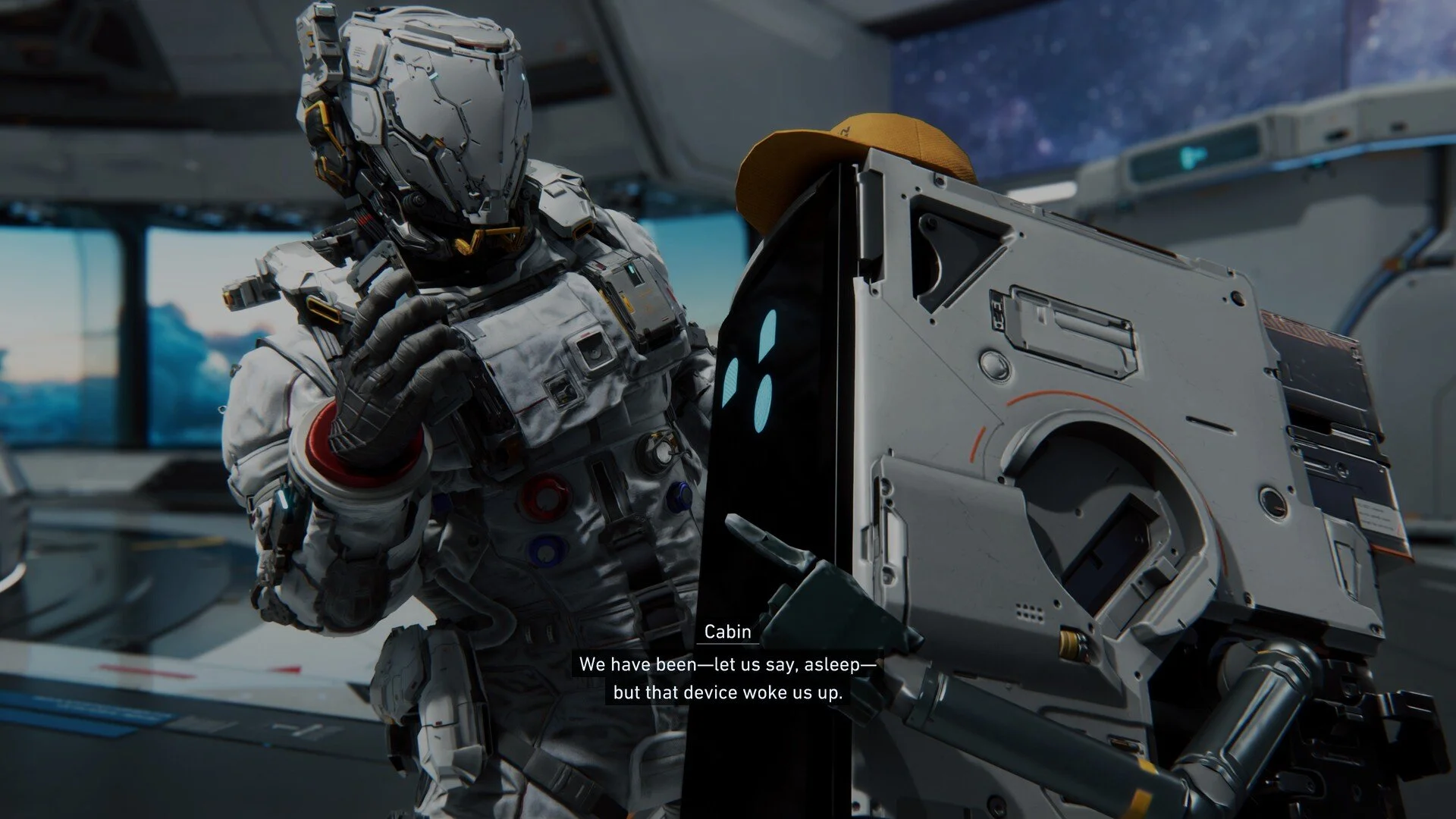
Every engagement with the robots provides a bite-sized novel experience that allowed me to try out whatever new weapon was recently added to my arsenal. Not once was the combat loop stale or too overwhelming, despite an occasional onslaught of enemies to defeat. Pragamata deftly rides the line between incredibly deep and gratifying, and giving the player too many tools to ever hope to make use of. The consistent drip feed of a new gun or hacking node gave me plenty of reason to change my strategy and try out a new method of taking down the robots, instead of overrelying on just one combo. The different combinations of robot types encouraged experimentation with your loadout. The assortment of robots thrown at Hugh and Diana also have their own characteristics that give them a unique fighting “personality”, boosted by charming codex entries that highlight their difference that Hugh can read in the game’s main hub.
There are ample opportunities to test your combat prowess throughout the game. Training simulators and red rooms allow you to overcome a challenge in exchange for a reward, which is usually a currency or resource you can use to unlock more items, outfits, and abilities. The training simulator can range from killing all enemies to platforming challenges. Each one felt doable even through its increasing levels of difficulty, which made some challenges noticeably more complicated and difficult than others. The red rooms are smaller areas found within sectors — usually one or two in each sector — where you are locked in that room until you deal with all of the enemies.
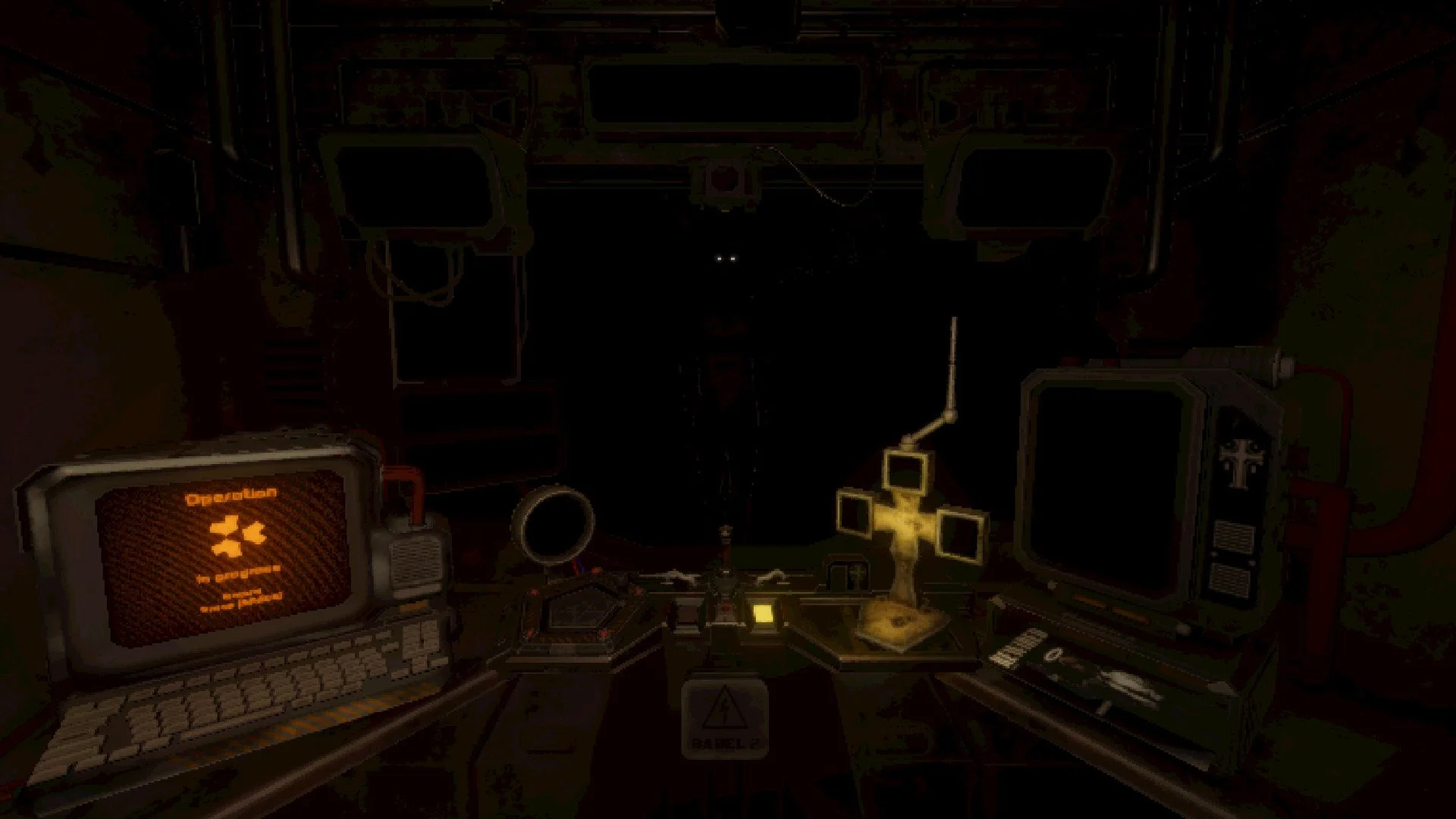
Between sectors, you return to your home base called The Shelter. This is where you upgrade your guns, hacking nodes, and attributes, and engage with all the different collectibles displayed after finding them throughout the sectors. These collectibles line the edges of The Shelter and are all replicas of scenarios you would find on Earth, such as a campground within a forest or a slide in a park. When you first enter the shelter, it is sterile, clean, and corporate. But by the end, your home base reminds you of exactly that: a home, littered with Diana’s drawings that Hugh has proudly pinned to desks. The trip to the moon is something humanity strives for, but being so far away from Earth can be mentally taxing. Every time I returned to the shelter and saw little bits of humanity, it surprisingly comforted and rejuvenated me, like a bit of respite from dealing with the chaos.
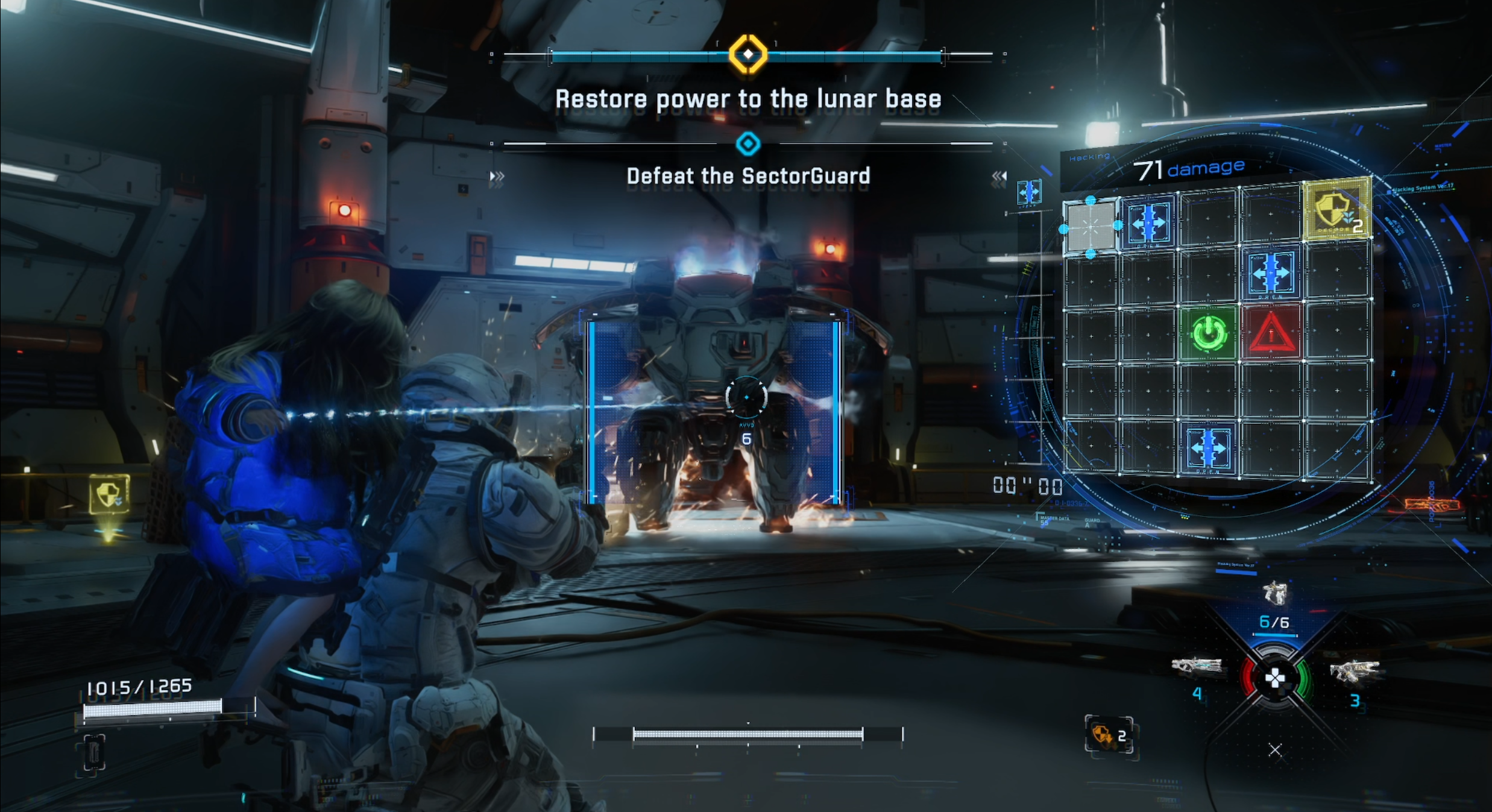
The environments throughout the game were particularly refreshing because they subverted my expectations from the clean and white trope often found in most futuristic laboratory settings (doubly so considering Resident Evil’s obsession with wrapping things up in stale labs). Each sector had its own charm. One area is filled with lush, overgrown greenery. Another meant to replicate New York City’s Times Square to make the scientists feel more at home. All of the sectors contain brilliant level design that looks like naturally occurring wreckage and not something that was crafted for you to jump through. The flow of the levels — and the waypoint you can ping with Diana — always successfully guided me towards the next destination without it ever feeling glued to a track. Oftentimes, there were little bits of lunafilament — a resource used to purchase upgrades — floating off towards a ledge, indicating a space to explore for rare resources needed to improve your hacking or guns. This little sprinkle of lunafilaments did a perfect job piquing my curiosity and encouraging me to detour off the beaten path.
Pragmata constantly rewarded me for going out of my way, even when I told myself not to. I told myself to just ignore all the scanning pings so that I can get to the next objective, maybe come back and clear everything out once I roll credits. Yet, the collectibles were always just a few dozen meters away. Some were behind invisible walls. Others required navigating platforming challenges. Regardless of their location or distance, my brain constantly said, “Well, it’s just right over there,” and kept diverting me from my main objective. The satisfaction of obtaining the collectible, checking off another box, and reaching 100% sector progress was always a nice dopamine hit that reinforced my choice to do a bit of exploration.
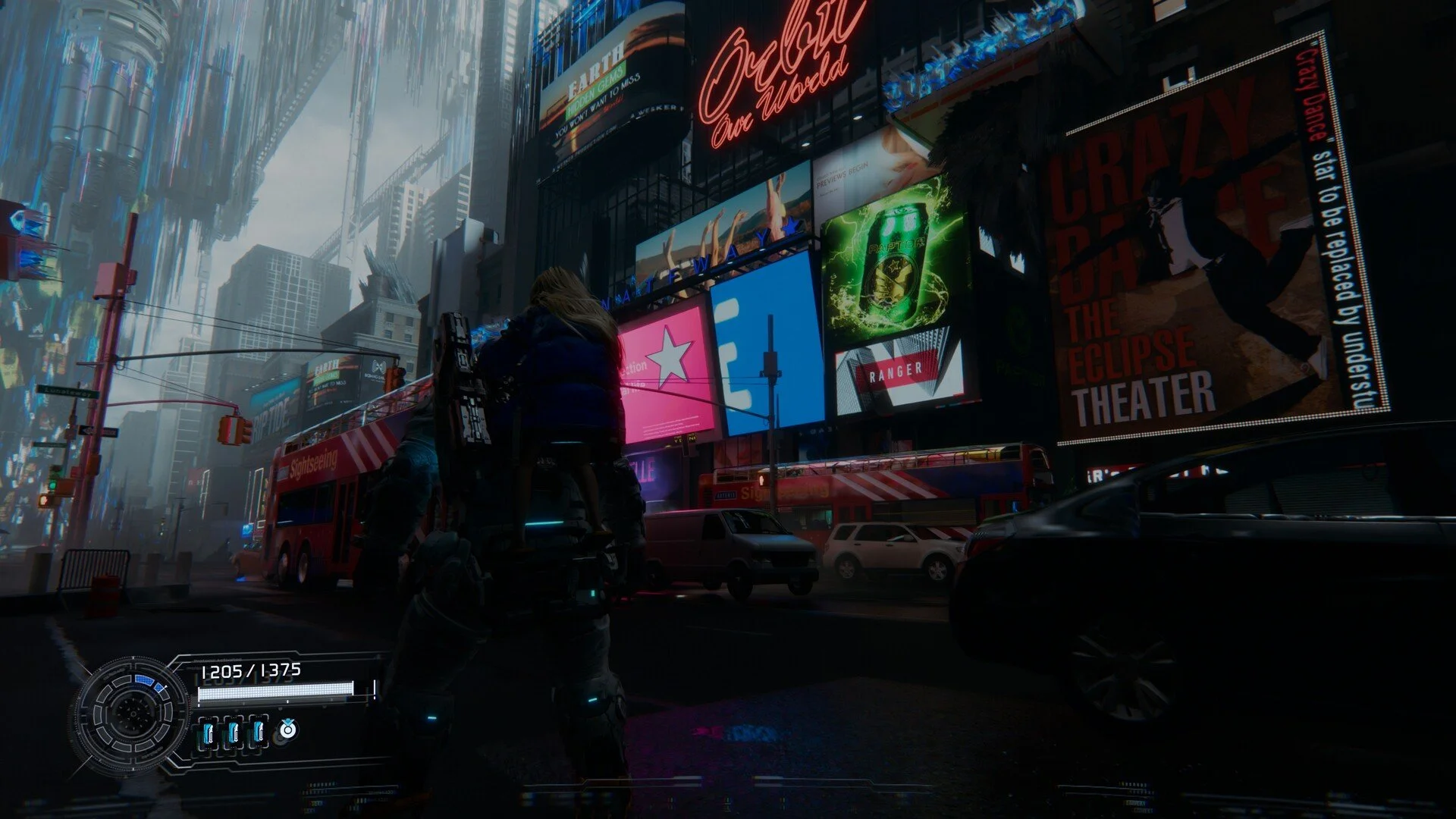
The movement is fantastic in this game also, which is important since Pragmata wants you to explore. The first few scenes displaying Hugh and his bulky suit had me worried that traversing the world would feel like a slog. Fortunately, the sharp turning, sprints, and boosts, and the general speed at which Hugh can run worked in unison to make the platforming an excellent experience!
While the overall major story beats left something to be desired, the dynamic between our two protagonists is a rare but positive portrayal between a (figurative) father and daughter. The relationship between Hugh and Diana initially seemed like a lone wolf (sad-dad) and cub (child with extraordinary powers) story, but it gradually became something much more appreciated.
With this trope in video games, I often assume the dad will be a broody and stoic type that has trouble expressing emotions, and the child will be plucky and annoying by chiming in every few seconds while you’re just trying to take in the environment. In Pragmata, it was the contrary! Shockingly, Diana never pestered Hugh (or me). Whenever she spoke outside of cutscenes, she provided helpful hints at how to dodge an enemy attack or when there was something of interest nearby. Her voice came off as endearing, more so than irritating. Diana, while an android, behaves exactly like a child: curious about everything, especially Earth. Her biggest dream is to go there one day and experience all of the beauty found on our planet that is absent from the moon.
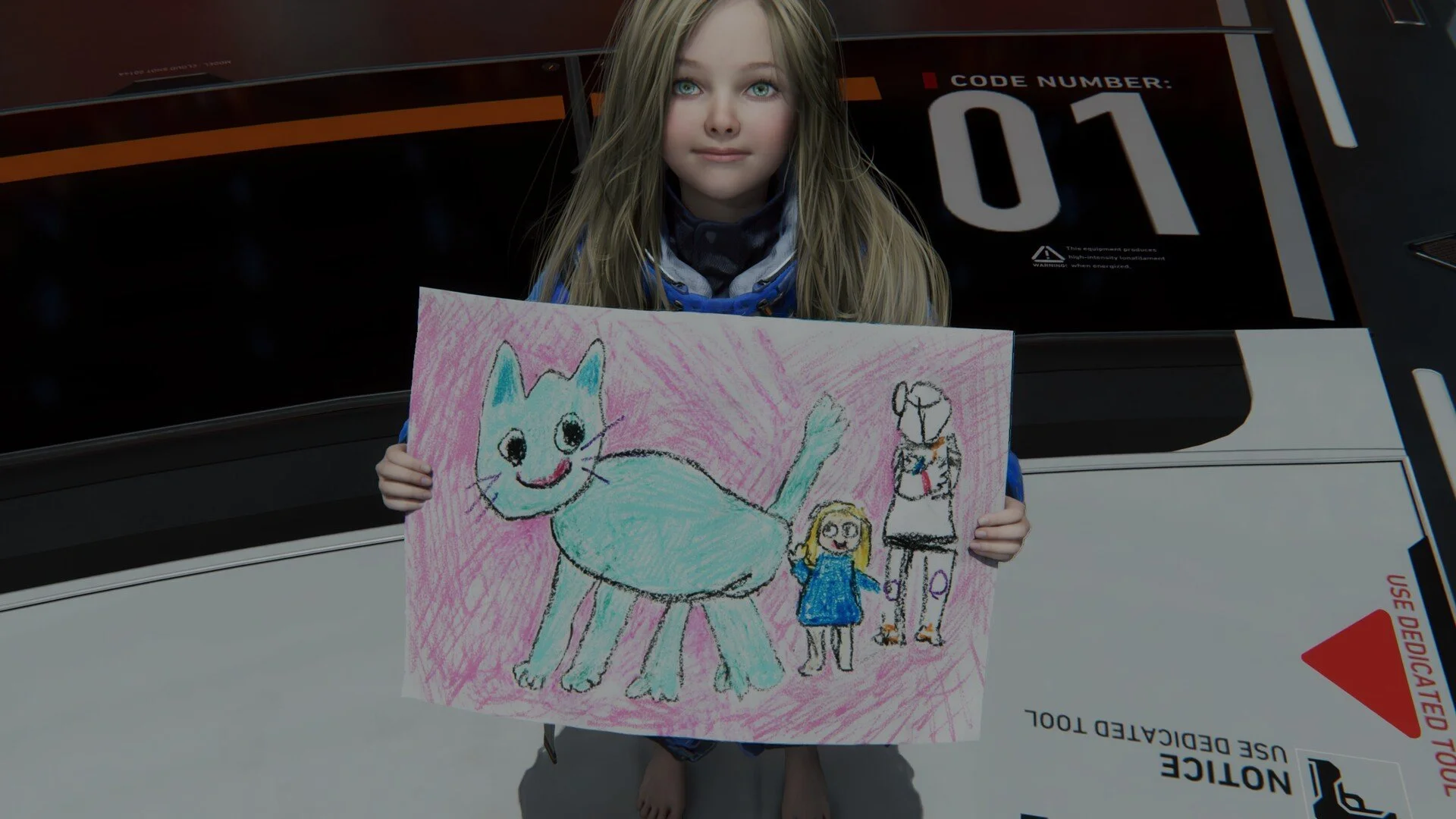
Hugh is a well-adjusted guy who isn’t afraid to show empathy and care. This was especially refreshing to see when so many male protagonists in these types of action games tend to be closed off due to some past trauma. Where some protagonists from other games might skeptically view Diana as a threat or liability before opening up to her, Hugh sees a lonely child who wants to know more about the world and trusts her as if she were his own daughter.
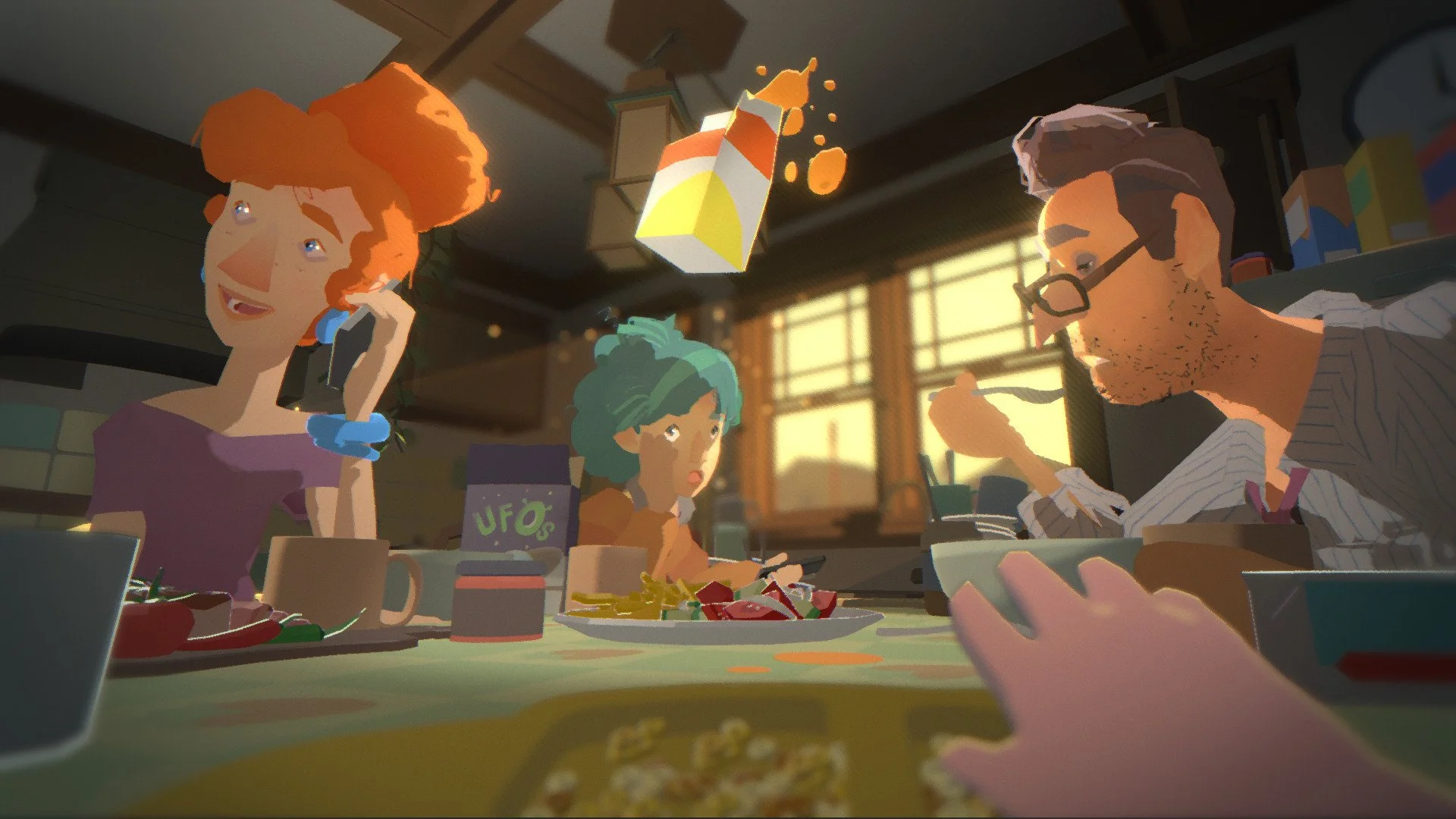
Hugh often tries to teach Diana what it means to be human. She has these very scientific definitions, such as “family means the children shares 50% of their DNA,” but Hugh shows her it’s more than just DNA. Having food with people you love is more than just gathering nourishment, and being a human is more than one’s biology. These lessons sprout often throughout the game as Diana’s naturally inquisitive mind asks questions that Hugh is always happy to answer.

I also appreciate the way lore is implemented throughout Pragmata. The perfect little snippets of story that come through the different emails and live-holographic recordings tell the story of how this organization, Delphi, sought to do good and change the world. It never feels overbearing or a chore to quickly check a terminal, read a few sentences about lore, then go about your way. Hugh almost always comments on the story, as he is piecing everything together along with the player.
Capcom has been on an absolute tear to start off 2026 and this hot streak continues with Pragmata. My roughly thirteen hours with the game flew by, and I am hoping to return to it soon to enjoy the substantial amount of post-game content. With the genre-blending combat, a heartwarming story, and fantastic feeling gameplay, Pragmata has quickly become one of my favorite games this year.