Human Connection Was At The Heart Of Robin Bea’s Favourite Games This Year | Winter Spectacular 2025
At its core, art is about human connection. That may be obvious and even a little trite, but it’s at the top of my mind as I look back at the games that made the biggest impact on me in 2025. Maybe it’s the flood of generative AI slop masquerading as art this year, or the rising waters of authoritarianism making solidarity a matter of life or death, but I feel more than ever that those of us on the side of art and humanity are all doggy paddling together to keep our heads above water. And while gaming has sometimes been seen as an art form that separates people rather than bringing them together (erroneously or not), the way that games have championed and facilitated connection has been a bright light for me in this otherwise dark year.
Not every game I loved this year fit that theme, of course. I spent plenty of time blowing up aliens in StarVaders and bomb-jumping my way through Öoo, but the games that stuck with me the most were consistently the ones reminding me that I can’t and shouldn’t try to get through life all on my own.
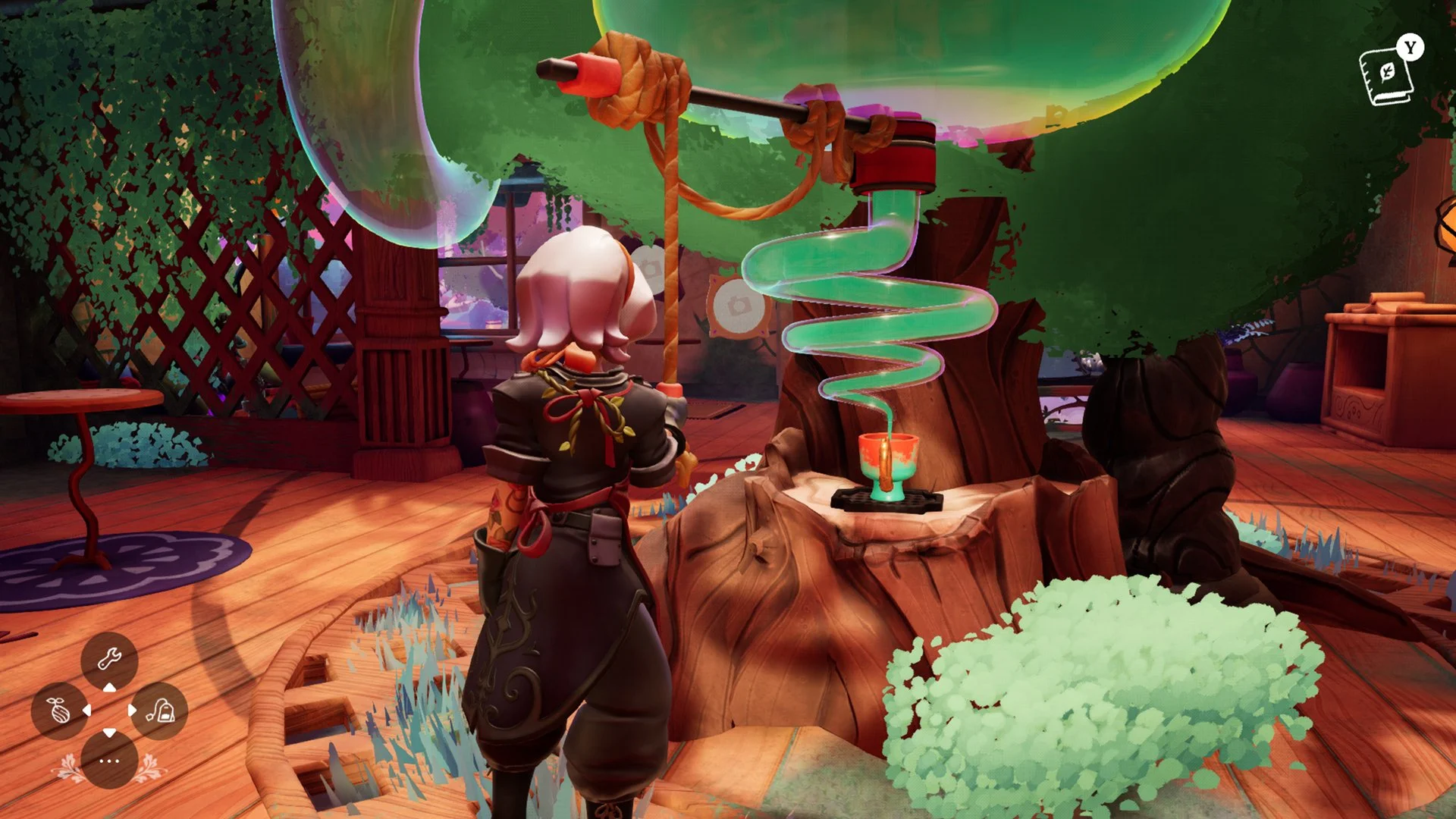
While I didn’t notice it at the time, the theme started appearing early in the year. One of the first games to make a big impression on me in 2025 was Wanderstop, Ivy Road’s exploration of burnout and the embrace of change in the guise of a cozy tea shop simulator. Like probably a great many of my media peers, I over-identified with the prizefighter Alta, whose self loathing and inability to rest have driven her to a desperate state where she can’t even hold her sword. When I played Wanderstop, I was just as unsure as Alta as to whether continuing down my life’s current path was even an option anymore. The last few years have felt like a protracted death spasm for games media as we know it and as I wait for the next layoff wave that feels more a matter of “when” than “if,” I’ve also spent the last year watching as festering transphobia has made the idea of fleeing my home in the U.S. seem closer and closer to a necessity.
So I had a lot on my mind when I played Wanderstop. And while I felt stirred by a lot of Alta’s journey, it was in the game’s final moments that I saw some glimmer of hope for the both of us. Alta’s inner perfectionism is a character of its own in the game, tormenting her with seemingly helpful pushes to keep trying her best, no matter the consequences. In Wanderstop’s last act, Alta meets Monster, a child with just as vibrant an inner voice as her own, pushing her toward her most unhealthy impulses, and it’s with Monster that she’s finally able to step outside of herself. In Monster, Alta sees someone just as self-destructive as she is, and while Alta may not be able to help herself, she finds a sense of peace by helping this young girl instead.
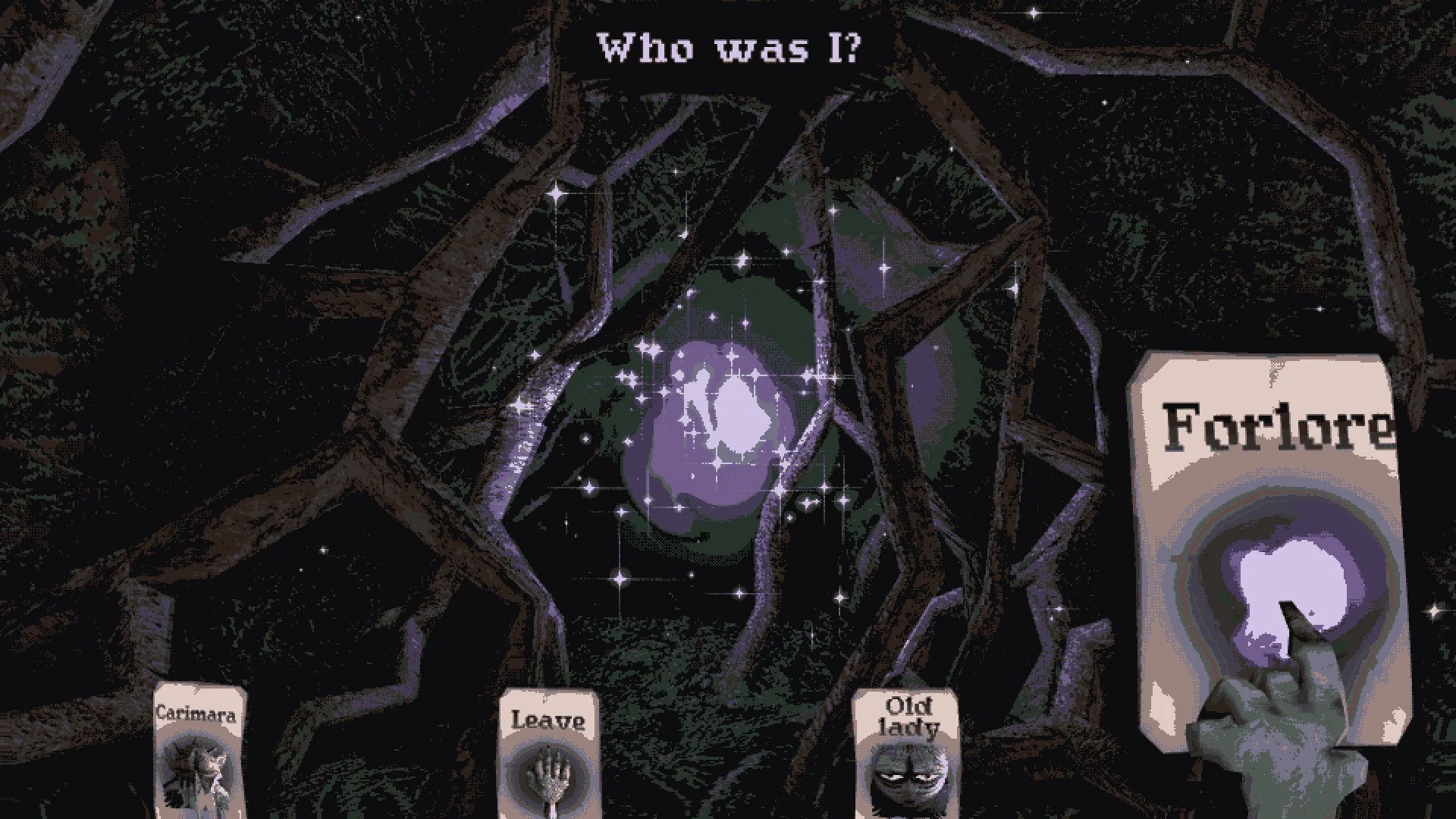
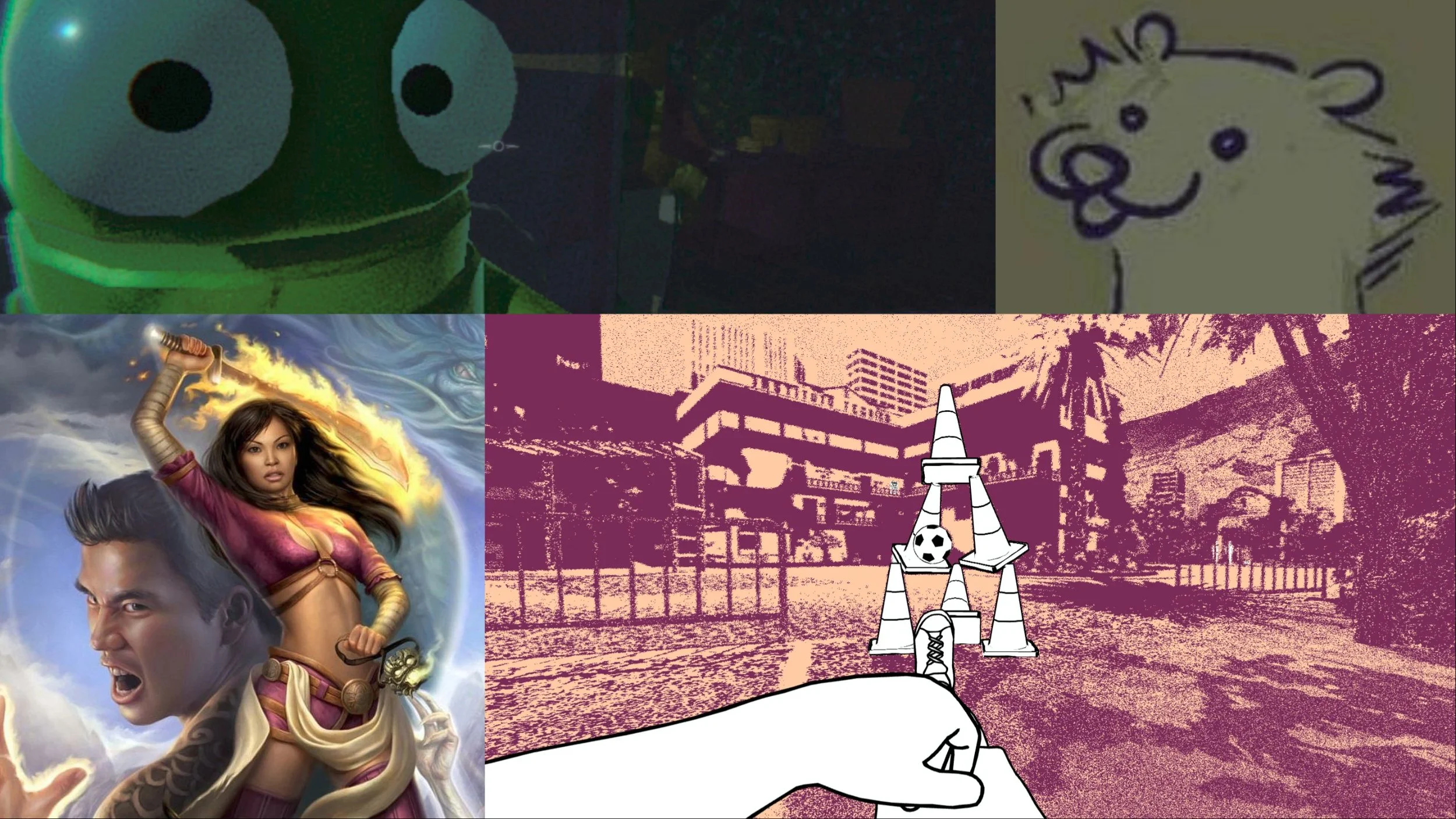
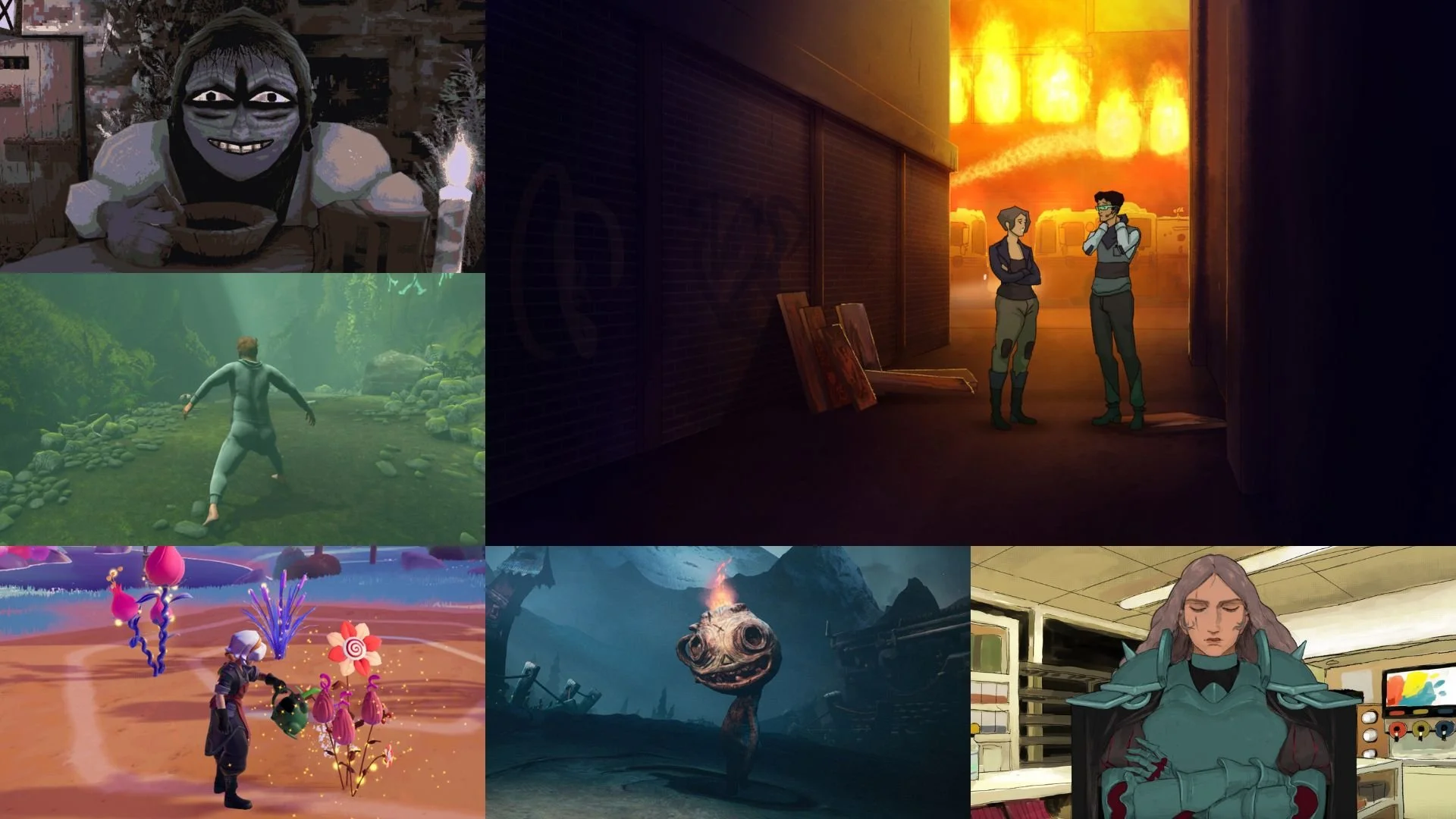
Throughout the year, more and more games seemed to fall in line, shaking me by the collar and reminding me of the need for connection. In taking my Dark Knight Girlfriend to the corner store, two women from different worlds bond over the course of a short and very silly quest. The Midnight Walk is full of stories of the pain caused when people lose sight of each other’s basic humanity. One of my favourite games of the year, Carimara: Beneath the Forlorn Limbs, shook me with its surprising portrayal of a relationship that transcends even death. And even Baby Steps, which devotes so much time to mocking its onesie-clad protagonist, ultimately ends with the message that love is what makes all the pain worth it.
Just as Wanderstop got me thinking about legacy and connection early in the year, Old Skies finished 2025 on the same note. Yes, Old Skies came out way back in April, but I foolishly waited until the end of the year to actually give it a try. In my defence, I had no way of knowing what I was in for.
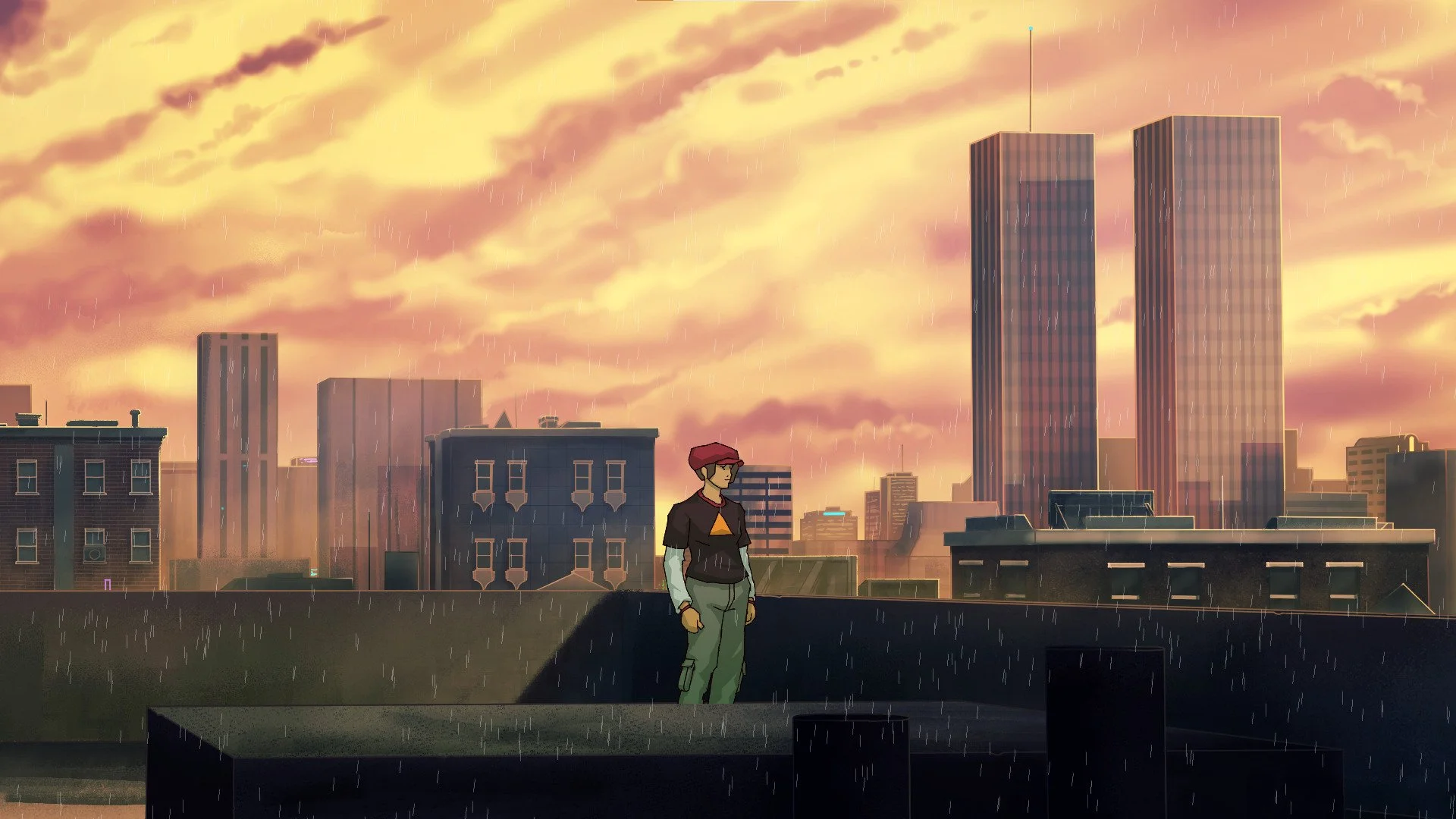
Old Skies tells the story of Fia Quinn, a sort of time-traveling tour guide, taking rich clients into their own pasts to revisit important historical moments or, more often, attempt to reset the course of their lives by changing the moment it all went wrong. Quinn’s clients are full of regrets, convinced that if they could save a loved one, complete their life’s work, or answer one nagging question, everything would be okay. It’s an instinct I fully understand — I don’t think anyone gets this close to 40 without a few “if only I’d done that differently” moments, especially when you only came out of the closet in your 30s.
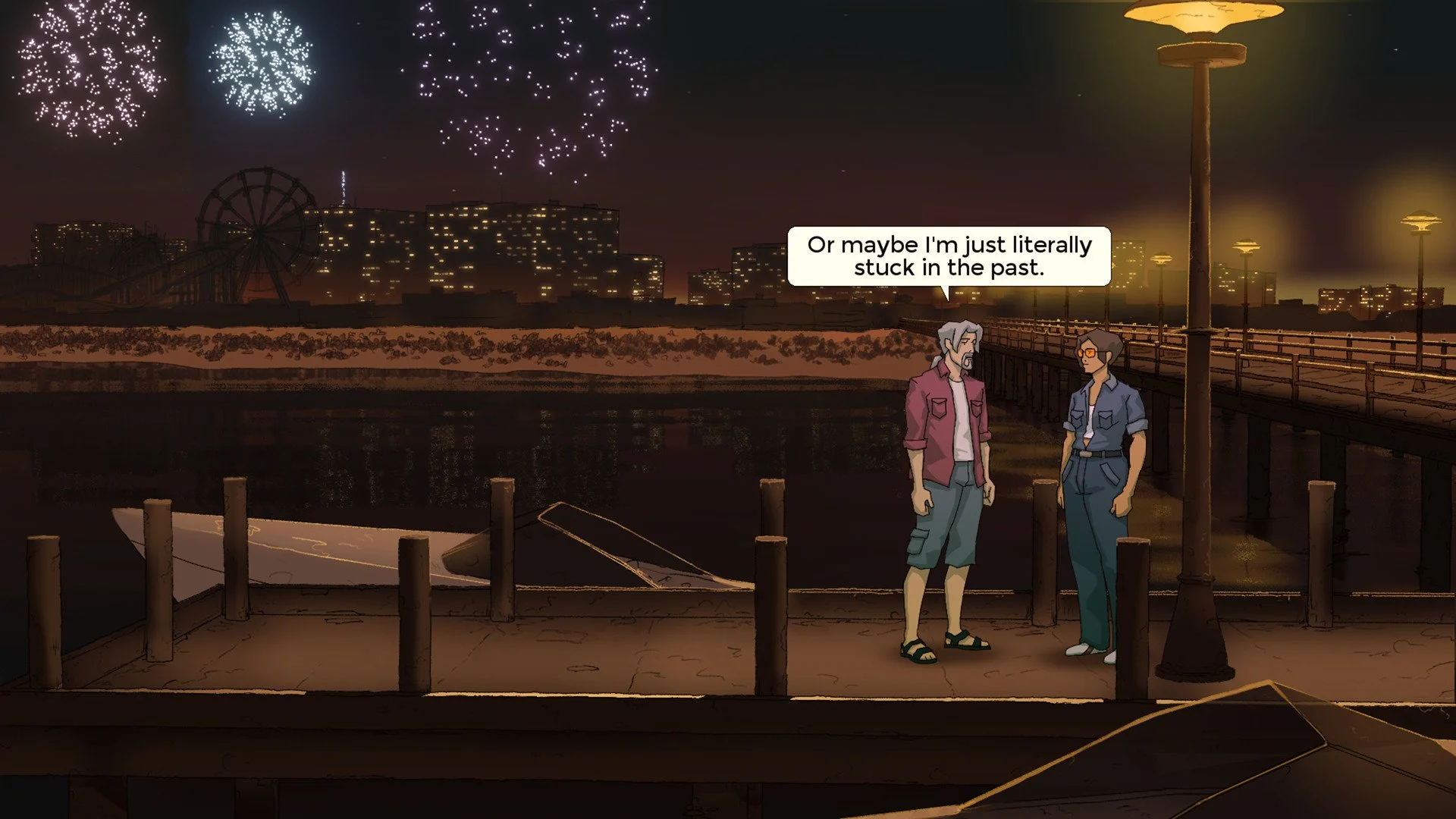
But Old Skies is ultimately not about them. It’s about Fia. Like the rest of her agency, Fia is “chrono-locked,” stuck in an unchangeable timeline unshaken by the ways that time travelers’ actions are reshaping the present. People, places, even the books she reads, are subject to change or disappear without warning, leaving her trapped in a bubble of solitude that even the most committedly asocial of us can hardly imagine, constantly reminding herself to focus on the job to keep the emptiness gnawing at her soul at bay.
Old Skies is a game about how that changes, about the necessity for it to change. Early in the game’s story, Fia changes a young girl’s life, and later meets her again as an old woman. She begins to see the ways that, no matter how hard you try, you can’t keep from affecting the people around you or from being affected by them. You can’t help but leave a legacy; you can only try to make it a good one. With the dam she built around her heart cracking at last, Fia finally opens herself up to the potential of love, and all the joy and pain that comes with it.
If I’m being frustratingly vague in my description, it’s because much of the effect of Old Skies comes from how deftly its core story is woven into Fia’s trips, slowly transforming the game from a series of vignettes into a more personal journey. And because, while it’s none of my business what you spend your free time on, I want you to see this one for yourself, and to feel as I did at the end that there could be so much more to life if only you find the strength to risk everything for it.
In some small way, maybe I was already learning that lesson. You may be unsurprised to learn that this late-blooming trans woman who spends way too much time online and works as a writer hasn’t always been the best at socializing. For most of my adult life, it was common for me to go weeks at a time without speaking to another person, at least outside of insignificant pleasantries.
But a few years ago, I worked up the nerve to ask a coworker-turned-friend if she wanted to talk about the games we were playing outside of work, and maybe if it’s not asking too much we could turn that into a podcast, too. That led to meeting a lot of other people with strong opinions and microphones, some of whom have become close friends, and I don’t spend quite as much time feeling truly alone anymore. And this year, one of those friends and I have started streaming together, and it’s been one of the best parts of my year by far.
Instead of games about connection and love and why we’re alive, we’re playing games about bugs fighting with swords and tricking your friends into eating poison mushrooms while climbing a mountain. But while the games themselves might not have as much to say, playing them together makes them just as meaningful. Art is supposed to move you, but you must still pick up your feet to be moved. Some games are there to convince you to open your heart to other people, and others are rooms where you can sit and while away an evening together. As different as they may be, I’ve learned this year that both are worth making space in your life for, as hard as opening the door can be.
![[PATREON UNLOCK] Update Patch - December 2025](https://images.squarespace-cdn.com/content/v1/5caf2dea93a63238c9069ba4/1768074032703-CLHAIHFW9WVBL8GSEQRK/MixCollage-10-Jan-2026-07-38-PM-1200.jpg)