Review | Will: Follow The Light - Tell, Don’t Show?
I am generally a fan of first person walking simulators. What Remains of Edith Finch is one of my favourite games of all time and, more recently, I adored Still Wakes The Deep. This led me to believe that Will: Follow The Light would be up my alley. Immersive narrative-focused experiences that are light on gameplay can be extremely effective if they succeed, but this one entirely missed the mark. I can only describe Will: Follow The Light as a pretty, yet confusing slog.
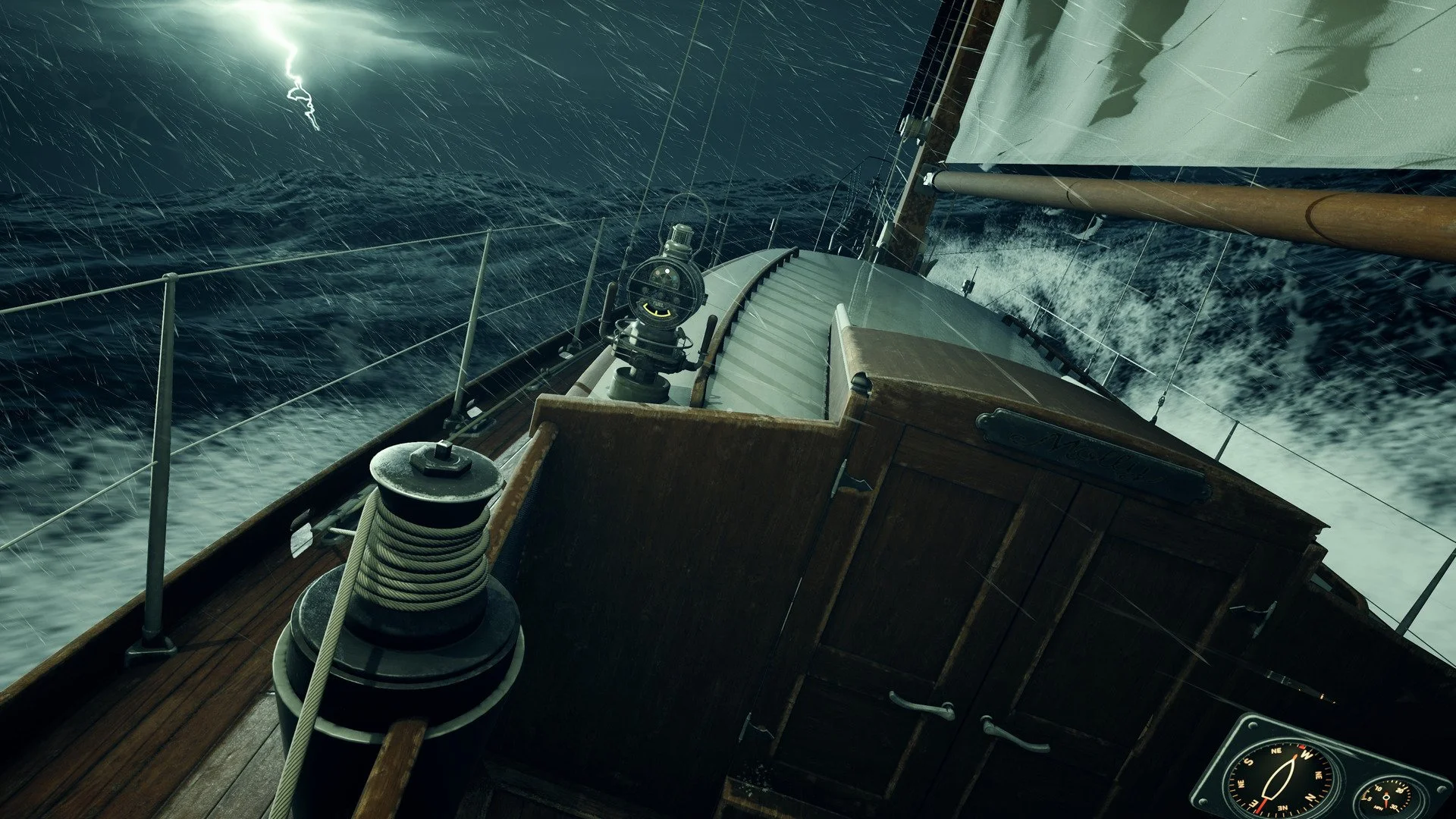
Booting the game up and being dropped into a tiny boat at sea in the middle of a rough storm was probably the best way Will: Follow The Light could’ve started. I was just as lost as Will, the player character. Controlling the boat was simple, yet engaging. I had to position well to handle the big waves coming towards me until I got hit by a massive one that faded the screen to black.
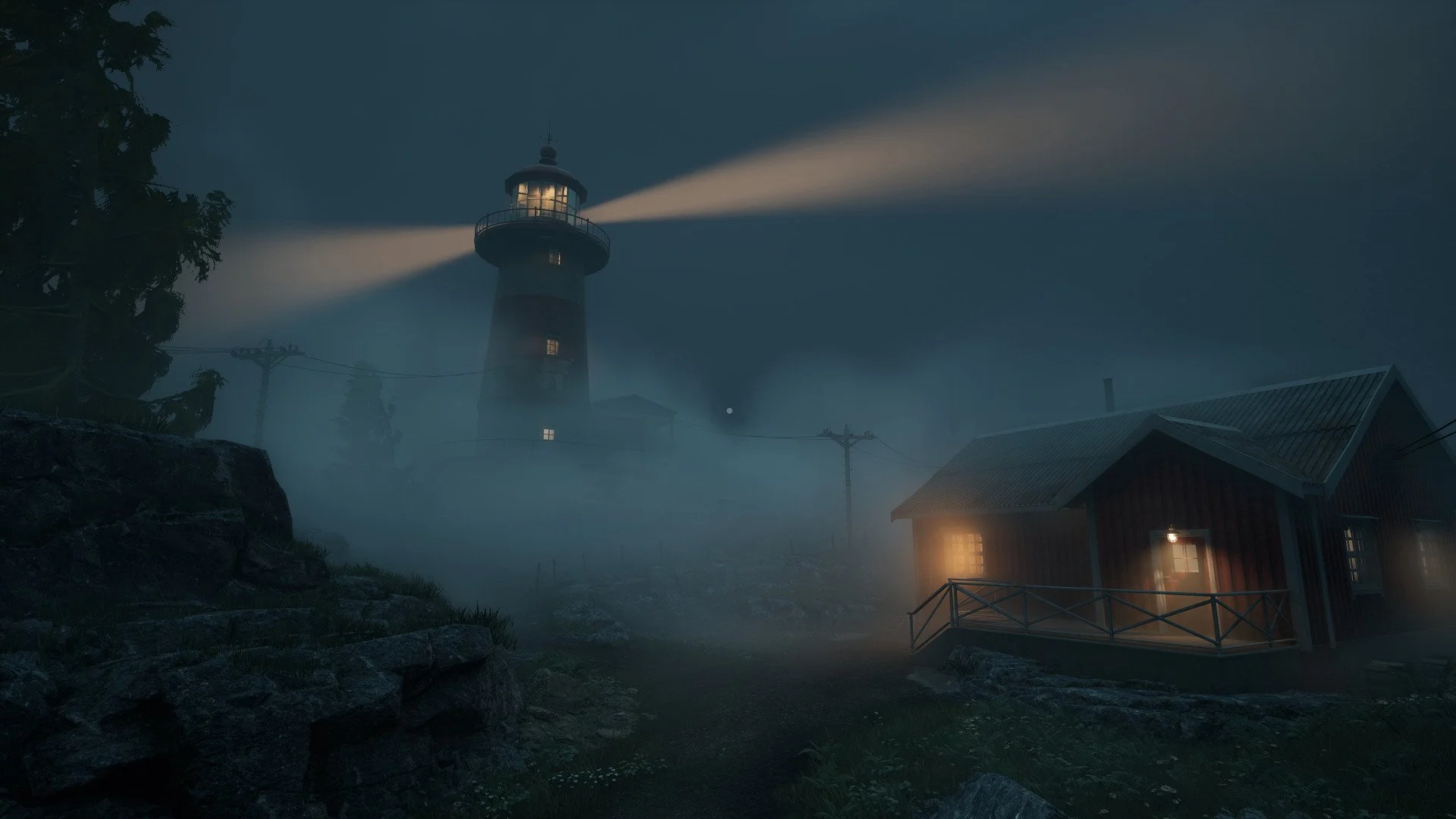
Will: Follow the Light looks gorgeous. It is a UE5 title that is packed full of ambiance and great vistas and the team do an excellent job at immersing the player visually, especially with Will’s journal and most notes being handwritten. The problem is that every other aspect seems intent on hitting you over the head with the fact that you’re playing a video game.
After the ocean sequence, I woke up to my daily life as a lighthouse keeper. Like derelict spaceships in Dead Space and mysterious oil rigs floating in the middle of the ocean, lighthouses are weird places. They are lone towers built and organized pragmatically in which their keepers stay alone or with a handful of people at most.
In Will: Follow The Light, Will is entirely alone, at least physically. He speaks with Cassandra via the radio but there is no other person even remotely close by. Will goes through his checklist of tasks to complete, including ones he usually doesn’t perform but has to because a colleague is absent, and that’s where the game started to go off the rails for me.
Despite (or perhaps due to) being alone, Will constantly narrates what he is doing. Not absent-mindedly like someone who is so used to being alone that they started thinking out loud, but like a tutorial that instead of showing up via text boxes, does so through the annoying delivery of Will’s dialogue. Through the nearly five hours I spent with the game I grew to genuinely dislike Will and I cherished the (rare) moments in which he finally shut up.
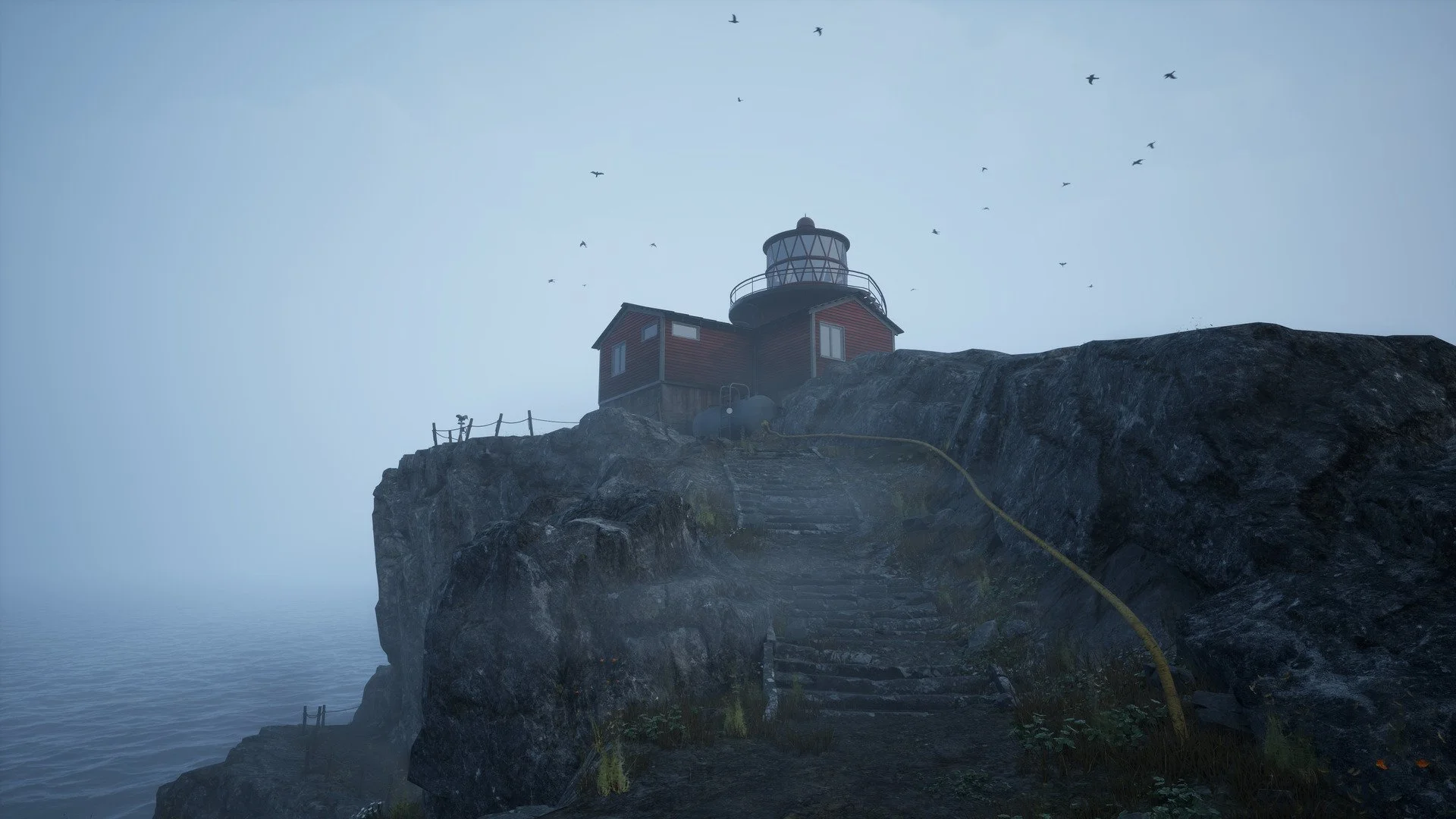
Will does his tasks, which are simple but decent puzzles for an opening of a game of this type, and prepares to weather a storm alone in the keeper’s house, next to the lighthouse. As you might’ve predicted, the storm is much bigger than expected and something goes wrong. He loses contact with Cassandra and a mysterious character arrives with a car, telling him to go to the village. When he arrives, he’s met with the remnants of a location almost entirely destroyed by a massive storm. Will’s mission becomes clear: finding his missing son who was last seen with his grandfather, Will’s estranged, alcoholic father.
So far, so okay. But from here on forward, Will’s metaphorical boat gets swallowed by an ocean of tedious, repetitive puzzles brought on by nonsensical situations. Here is a list of some of the things you will do as a widowed man looking for your only child:
Fix the local bar’s beer mechanism.
Repair the dock’s lighting system.
Do half of the work of the dockworker fixing your boat.
Rebuild a sled.
Do the exact same puzzle to recharge your lantern multiple times.
I do not expect video games to be realistic to a fault, but if you’re trying to sell me on a story about family and fatherhood, don’t put me in the shoes of a father who seems more worried about being the town’s handyman than actually saving his son.
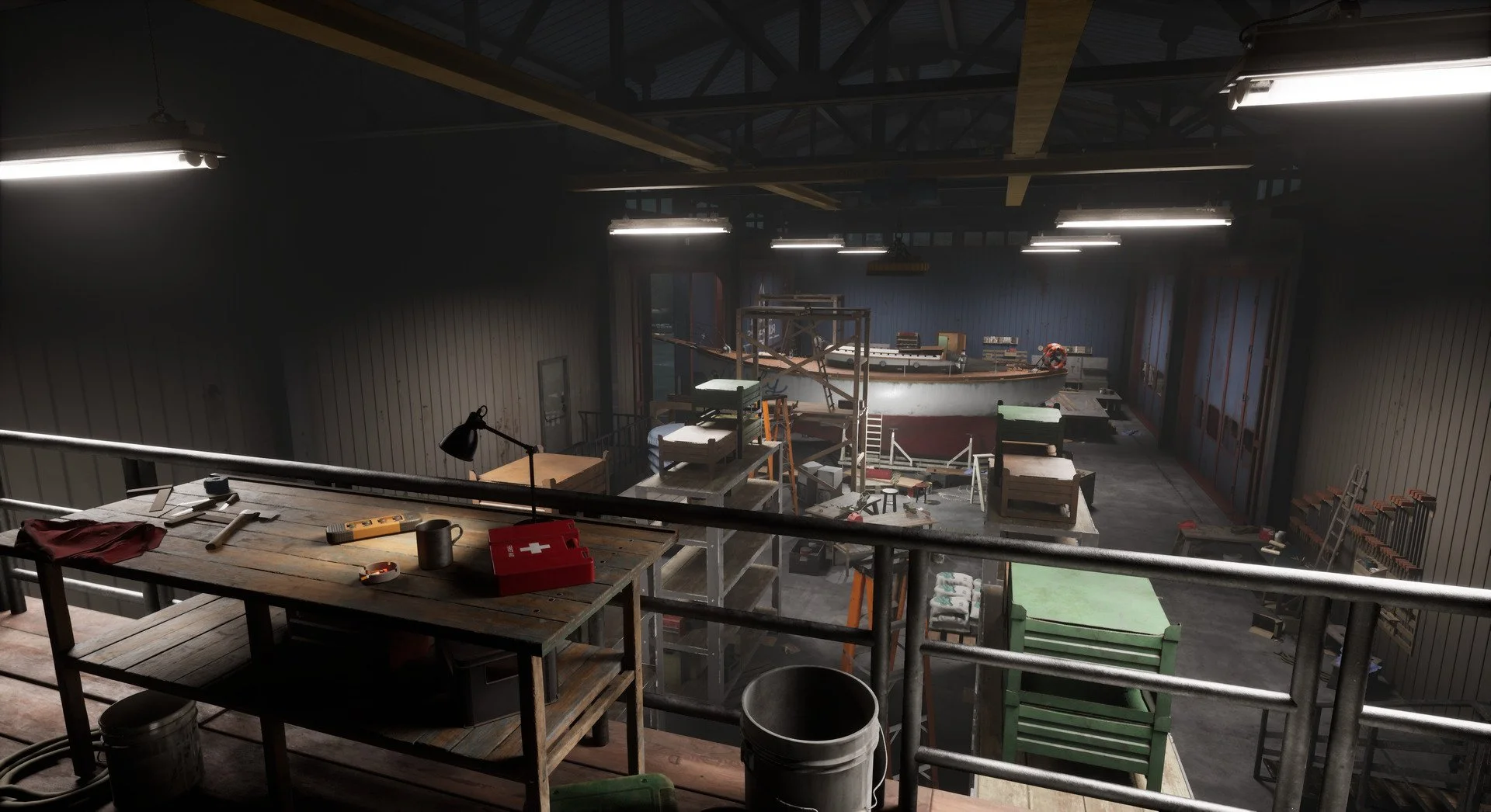
Will: Follow The Light appears to take immersion seriously. There are very few UI elements, and rather than giving the player an inventory menu, most interactable objects are physically present in the world. Additionally,the game entirely takes place in first person, with the exception of the occasional cutscene. But I genuinely could not be immersed from the moment that the main plot began to unfold.
While they can appear distinct, most puzzles mechanically play out in the same way. There is no clever solution to any of them. The majority of puzzles are solved by figuring out the solution step by step via trial and error. In the occasional one that doesn’t follow that methodology, the game opts instead to directly spell out the solution. Sometimes it is Will inexplicably speaking it out loud to himself, other times it will be other characters, often through visions connected to the lantern, doing it for him. This is a problem that seeps into the entire narrative and worldbuilding of the game. Instead of following the commonly-given storytelling advice of “show, don’t tell”, Will: Follow The Light decided to do just the opposite.
Everything you know about the game’s story, with the exception of its finale, is told directly to the player, rather than shown through action. Will narrates almost everything he does, as well as describes his personal life prior to the game’s events. The game doesn’t show you that he has issues with his father, it instead spells it out in dialogue: “Cass,” Will complains, “that man didn’t help my mom while she was alive, and after she died, he’d lock me in the lighthouse, go out drinking, and lie on his boat. He ignored me.” She only responds, “I know”, because (as Will mentions separately) he has already told her about his father before. Essentially, Will is literally repeating his points again just so the player can catch up. In the same vein, when the player picks up objects meant to reveal more about the characters’ backstories, Will has to weigh in, reading every single thing aloud. Even with something so self-explanatory as a piece of paper next to a chessboard which reads “Will and Greg” along with tallies that obviously are points for each player, he cannot shut up.
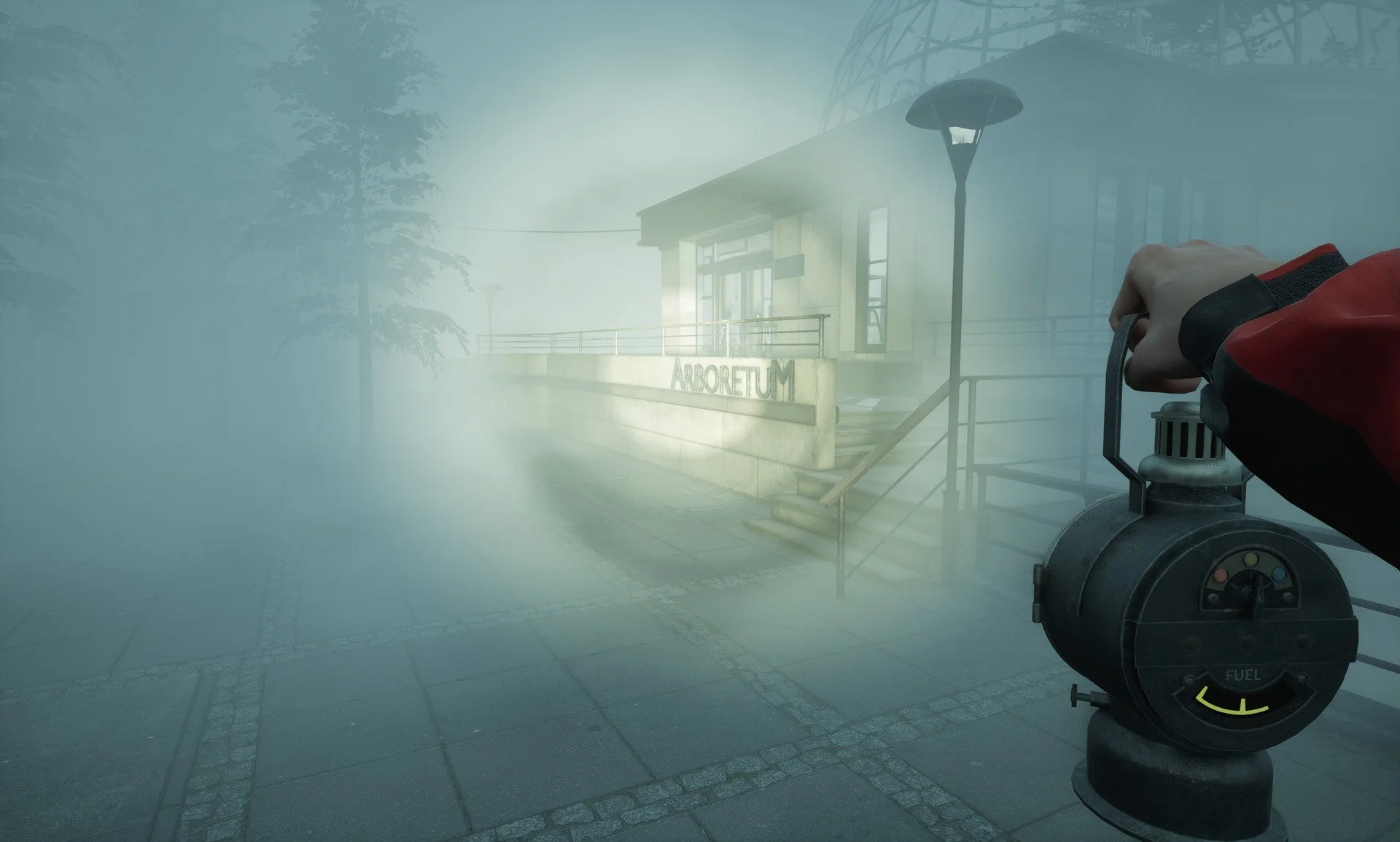
Unfortunately, this does not stop with Will. As you proceed through the game, you’ll eventually find a spooky lantern which can let you relive moments of the past. It is a cool mechanic and a rare example of a character having an impact in our playthrough besides talking. This lantern was left by Ila, Will’s deceased partner, and it is a way for her to live on. The problem is that its use only further emphasizes the game’s problems. Instead of being used in cool, novel puzzles, this lantern only serves to bring you cutscenes of characters telling you puzzle solutions or explaining the backstories of other characters or locales. It is just another layer of tell, don’t show.
Adding to the overwhelming amount of narration are random cassettes that you can find spread throughout the game, hidden nuggets of knowledge to help you better understand other characters. Except that, exactly like Will, the recordings feature characters narrating their problems to you. The tapes sound less like the confessions of soon-to-be-dead people, and more like bullet-point summaries of their backstories.
I genuinely believe that TomorrowHead Studio is capable of crafting a good game. There are glimpses of greatness peeking through the mess, like a lighthouse attempting to shine through the fog. The sailing mechanic is too basic as it is, but could be fleshed out into something actually engaging. The dog sledding is great and feels unique to control. Everything else, though, is an utter slog. Hopefully Will: Follow The Light will be a mildly successful learning experience that TomorrowHead Studio can use on its next game, but this was a game that simply did not respect my time.
Will: Follow the Light was played on PC using a code provided by the publisher.
![[PATREON UNLOCK] Update Patch - May 2026](https://images.squarespace-cdn.com/content/v1/5caf2dea93a63238c9069ba4/1780593079499-PGIJE6GWD4XQGHSKHJXF/MixCollage-04-Jun-2026-06-11-PM-9246.jpg)