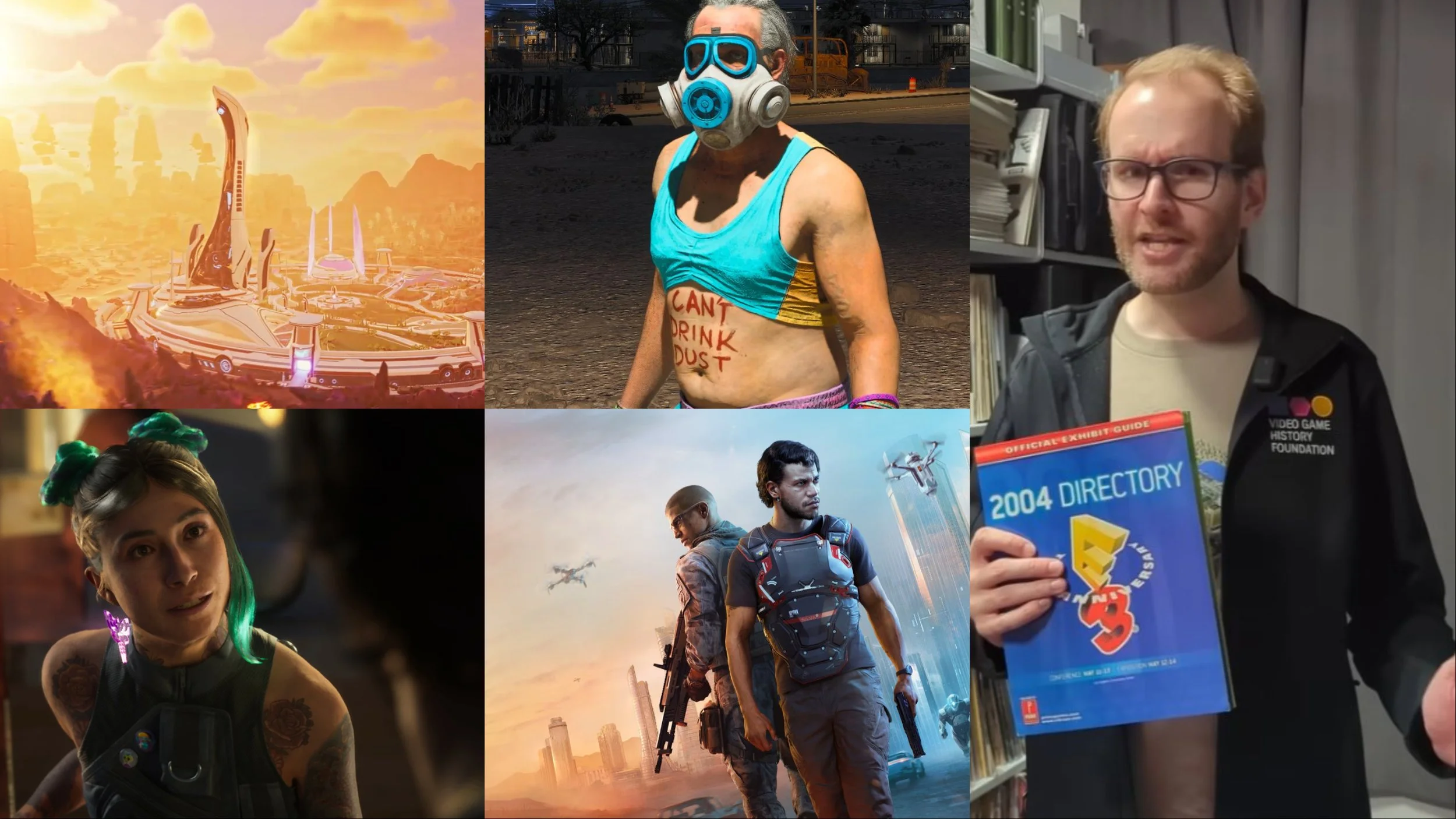
Phil Salvador Believes MindsEye Is The Game Of 2025 | Winter Spectacular 2025
An indicator species for the state of the industry
In a year defined more by what didn’t happen in the game industry than by what did, the undisputable game of the year was MindsEye, an Everywhere world.
As of writing this article, MindsEye has an apocalyptically low score of 34 on the review aggregator OpenCritic. Following the mass layoffs of hundreds of employees by developer Build a Rocket Boy, many of the remaining staff wrote an open letter criticising management at the company, a move that is almost without comparison in the game industry. The failure of MindsEye is inarguable and total.
And yet, MindsEye is the game of the year for 2025—a year when the locus of power in the industry permanently shifted.
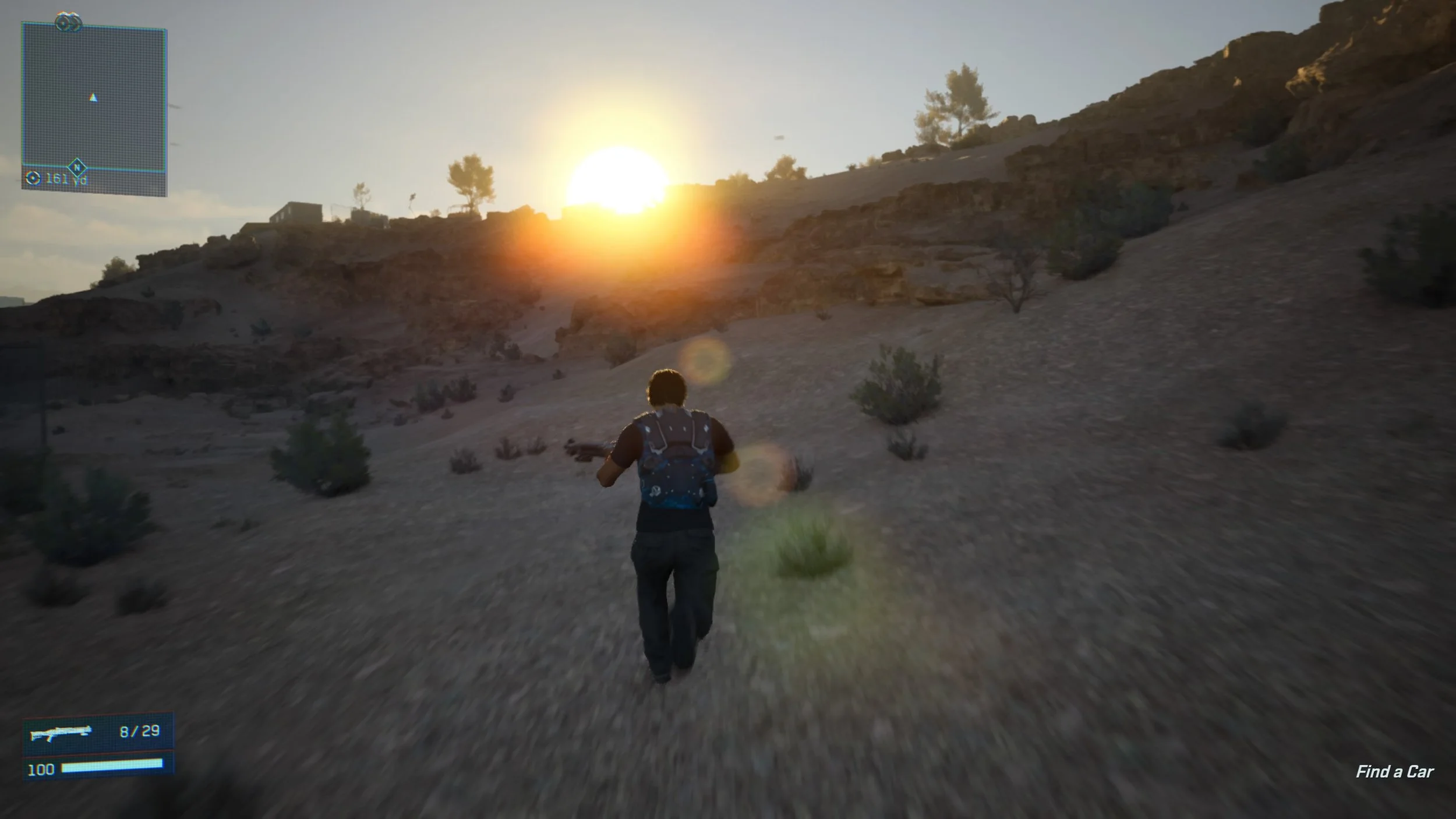
Editor’s Note: In MindEye defense, it can occasionally surprise you with nice visual flares.
If the industry has had a single dominant story over the last console cycle, it’s been the rise of live-service games. And in particular, it’s been the emergence of the “forever game,” a massive live-service game with unending content that holds player attention for years at a time, like Fortnite and Roblox. These games have represented both a gold rush and a death threat to the traditional game publishers and platform owners. While they’re potentially massively profitable, how on earth do you compete with a game you can play with all your friends for a decade and never get bored of? A game that is available on every system and generates billions of dollars?
The industry’s strategy has been to go bigger, and bigger, and bigger. Over the last five or so years, vast resources have been dumped into trying to make the next live-service phenomenon. Bloated AAA games have been supplanted by the mythical promise of the even-more-bloated “AAAA” games, so massive and dense that they have little moons orbiting them.
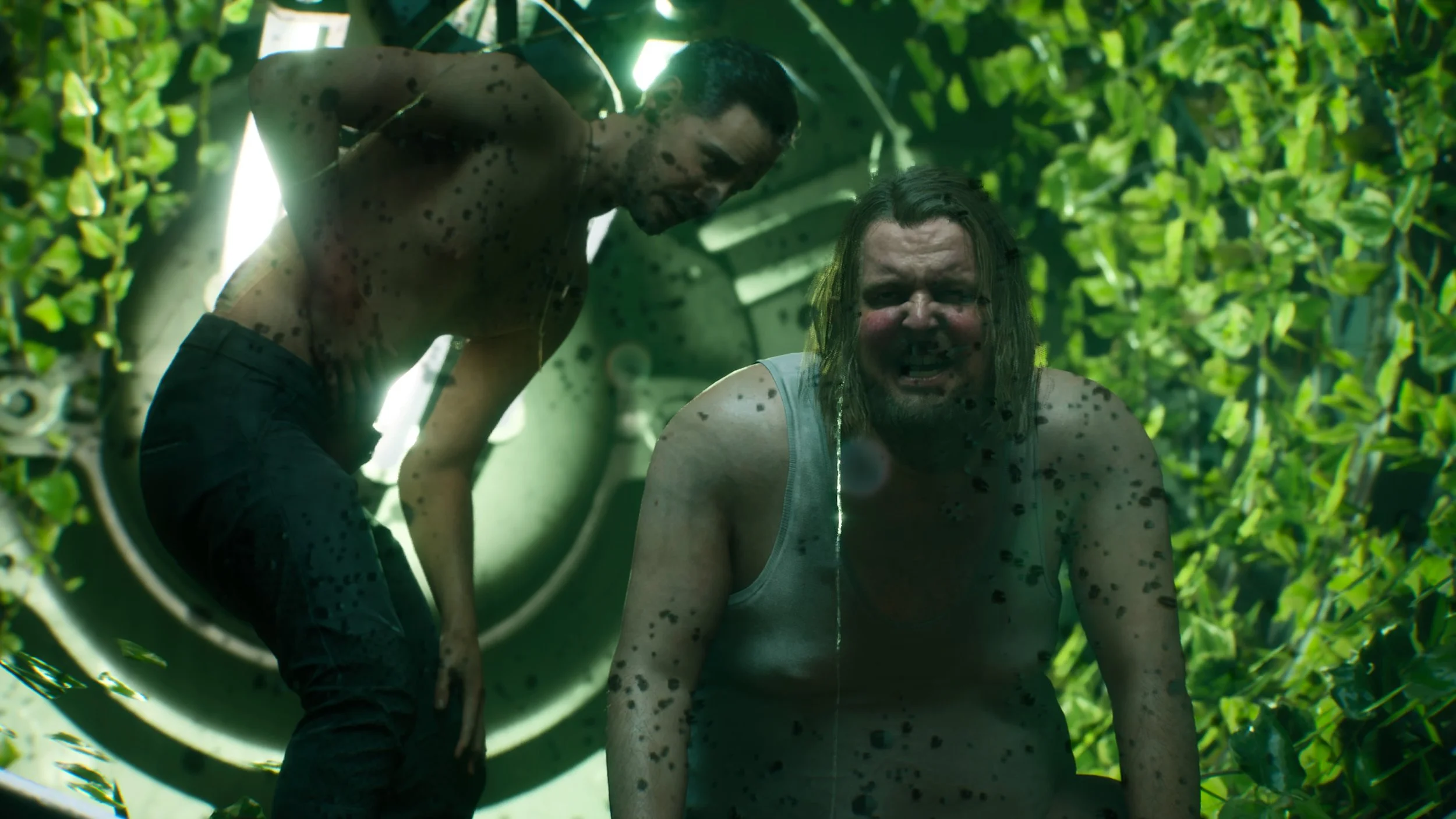
Editor’s Note: By the way, the obviously evil Elon Musk stand in in this game ends up being one of your allies in this game.
By and large, this approach has been a disaster, and 2025 felt like the year that the waves finally broke. The remainder of this article could focus on a litany of the massive projects that imploded in the past year. Big-budget games with built-in marketing like Perfect Dark, Wonder Woman, and Black Panther were abruptly axed by their publishers, taking their development studios down with them. Marathon, the next big live-service bet from Sony after the failure of Concord, was pushed back until 2026 due to lukewarm public response and feels destined to be sent out to die. Even hit games are disappointments under this new math: Battlefield 6, which debuted to positive reviews and huge player counts, still fell short of the 100 million players that Electronic Arts allegedly anticipated.
No failure of this mode or magnitude looms larger than MindsEye, the brainchild of former Rockstar producer and bonafide industry veteran Leslie Benzies. Critics, journalists, and players alike have talked about MindsEye as a failed action-adventure game, and that’s a reasonable description of the game that shipped. It fits nicely into the mold of an overbudgeted AAAA title that took nearly a decade to develop with little to show for it.
But MindsEye is also something weirder: a failed Roblox clone. In the run-up to launch, MindsEye was pitched as an extension of Everywhere, a supposed metaverse platform by Build A Rocket Boy. Using an app called Build.MindsEye, players could create their own Everywhere games within the Everywhere world, MindsEye, which you can then access within MindsEye by playing a secondary game mode called MindsEye Play, which also pops up randomly in the world during the campaign for MindsEye. Or something like that. .
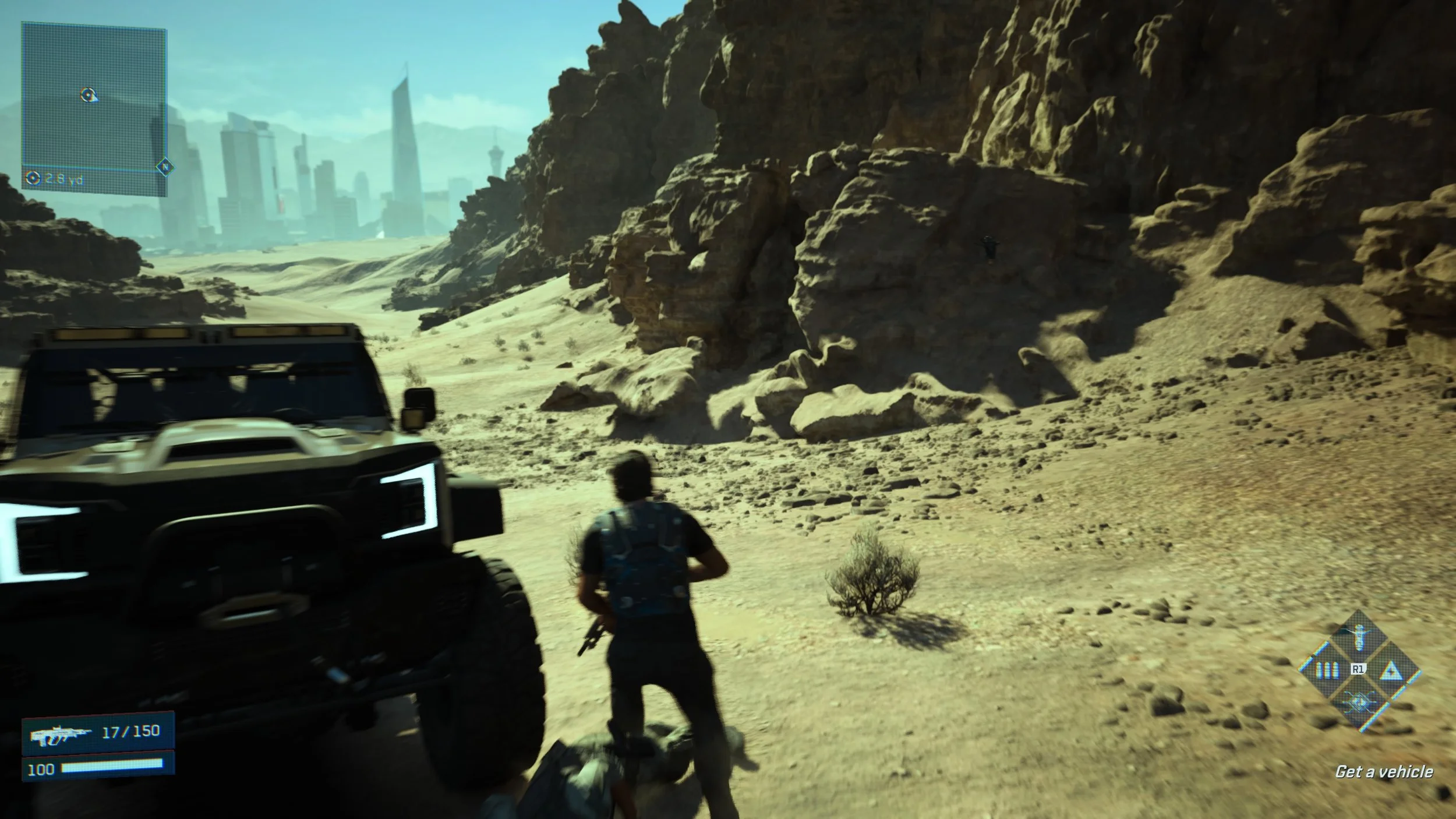
Editor’s Note: For whatever reason in the final hours of my playthrough of MindEye the screen got a green tint that would throb in intensity and even shutting down and restarting my PS5 didn’t fix it…
It’s the sort of incomprehensible metaverse play that only an investor could love. It’s also not too far from the other abortive high-budget game-as-platform gambits that have emerged in the past few years, like Battlefield Portal, or Assassin’s Creed Infinity, or Sega’s mysterious and (deliberately?) vague Super Game initiative. More precisely, it resembles Peter Molyneux’s Legacy and Will Wright’s VOXverse, two other unsuccessful metaverse-y projects from elder statesmen of game development who got their funding by grabbing whatever buzzwords were in the air at the time.
25 years ago, MindsEye could have coasted by in the same league as a mid-budget title like Driver. Today, that kind of game—if it exists at all—must live up to the impossible expectation of being both Grand Theft Auto and Minecraft.
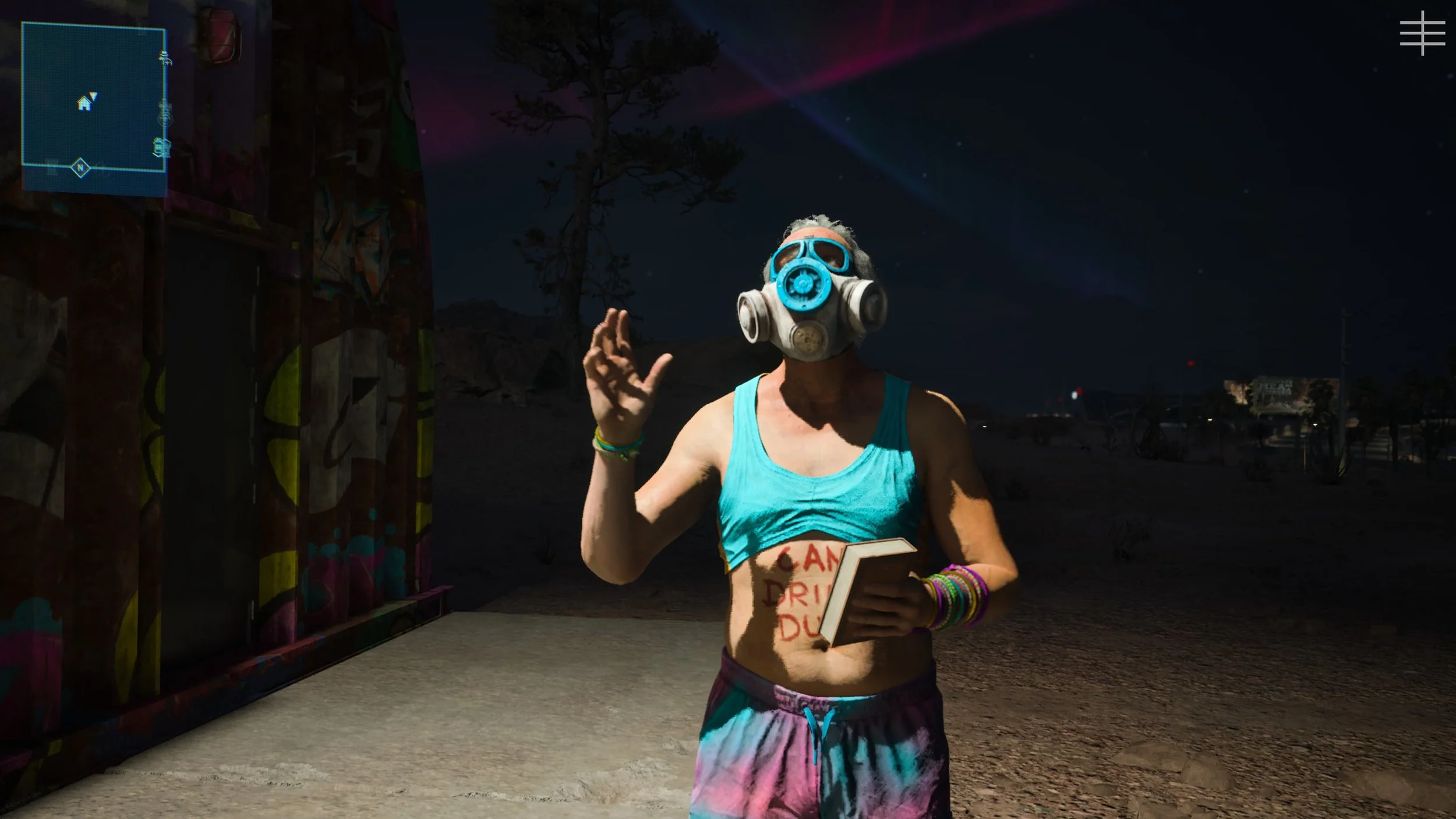
Editor’s Note: When you see credits in MindsEye you load back into the near empty open world (which doesn’t even have a wanted system) get to play as this character… Yes, it says, “Can’t drink dust”, on his belly. No, I do not know why.
The reason this has been on my mind at all is because 2025 also marked a milestone in video game history: the fortieth anniversary of the Nintendo Entertainment System. When Nintendo’s home console arrived in the United States, it redefined what a game console was, not with any of the usual innovations or icons that we associate with Nintendo, but with a single hardware component.
The NES was the first major console with a lockout chip, which allowed Nintendo to control who could develop games for the platform. In the prior console generation, Atari famously had a hang-up with products developed for the Atari 2600 without their permission; they lost some of their most talented staff to external developers like Activision and scapegoated the 1983 console crash on the quality of products they didn’t approve. The NES, with its built-in gatekeeping mechanism, established a power dynamic that has ruled the industry for the past 40 years. From that point on, platform owners and developers had a symbiotic relationship. That’s where we got first parties, third parties, and the whole ecosystem of traditional console game publishing.
The last decade has rendered that old model irrelevant. Roblox has multiple times more players every day than the all-time highest simultaneous user count on Steam. A game like Fortnite generates so much money and attention, and legal precedent, that it transcends video games and basically functions as its own country. The mass layoffs, cancellations, and abrupt corporate pivots in the past year have felt like the effects of the big-budget game business violently realigning itself in the direction these things have been trending for a long time.
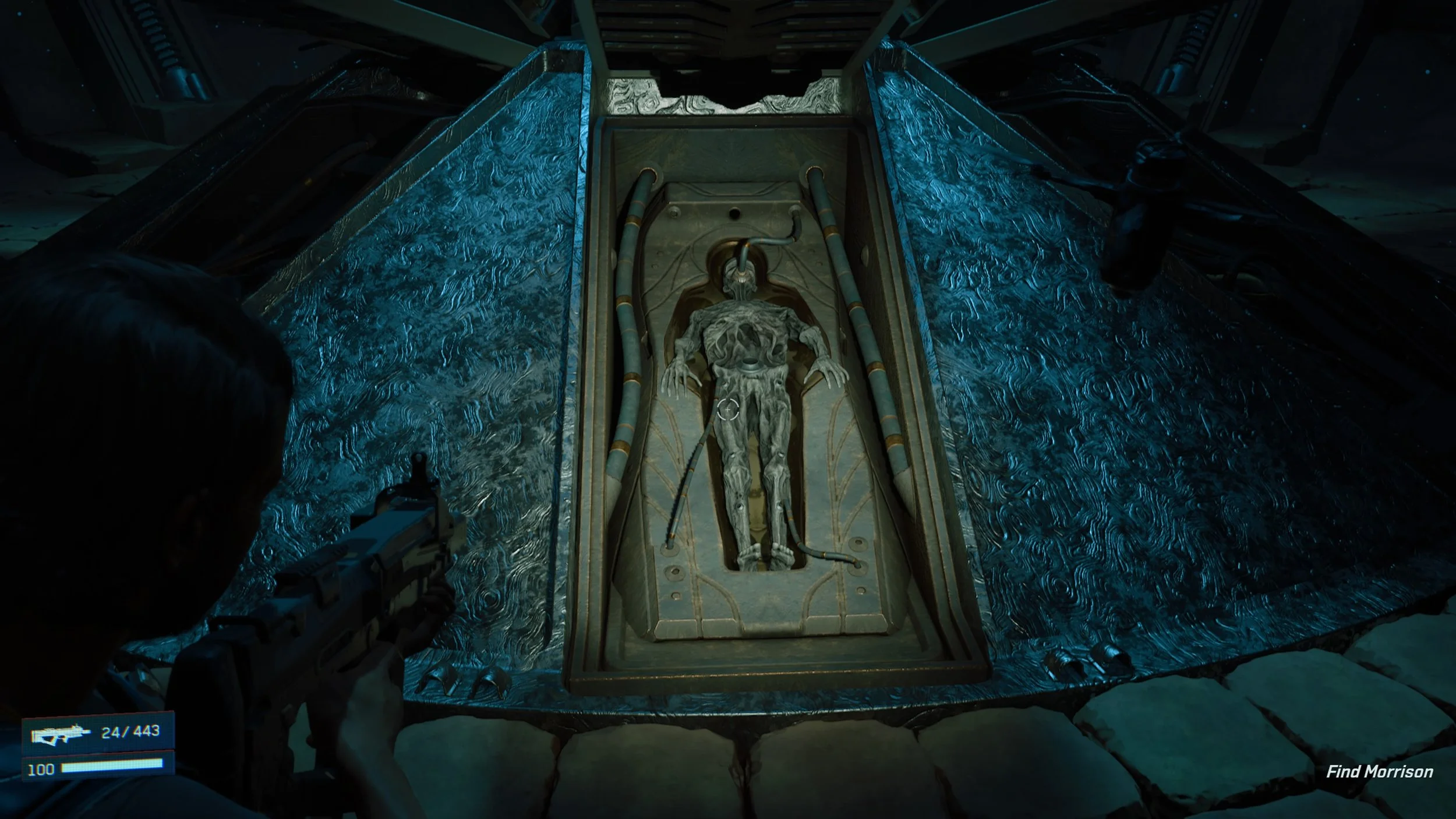
Editor’s Note: Hey, did you know that the ending of this game is that it was actually ancient alien multiverse beings the whole time?
1985 marked the end of the US video game crash and the beginning of a new era. In the same way, 2025 feels like the end of one epoch and the start of another. To be clear here, video games are not dead. There will always be games of all sizes. Independent developers will continue to create artistically unique experiences. Companies like Nintendo will thrive thanks to their treasure chest of beloved characters and franchises. But whatever comes next will be different than the preceding 40 years that brought us E3 conferences and GamePro magazine.
In the meantime, it’s difficult to imagine what the nine-figure-plus video game business does next. As we’re seeing play out, there are two ways forward. One is to sell your company, as Electronic Arts did, and as Ubisoft seems to be on the verge of doing as well.
The other way is to bet the house on the grandest, buzziest, most interconnected, all-encompassing concept imaginable and hope you’ve invented the future of video games. In other words: You make MindsEye, the game of 2025.