Alex Green Tries To Pin Down Why Everything Is So Expensive And What Exactly We Are Paying For | Winter Spectacular 2025
What are we paying for? The last few years have placed even more emphasis on the gaming industry’s financial structures and positions, to the degree that the industry feels more about money than mechanics, about growth than gameplay. This is why, amongst many other reasons, we should stay off the internet. It is easier to focus on the games and what they attempt to achieve than to get bogged down in inanity that only the suits should worry about.
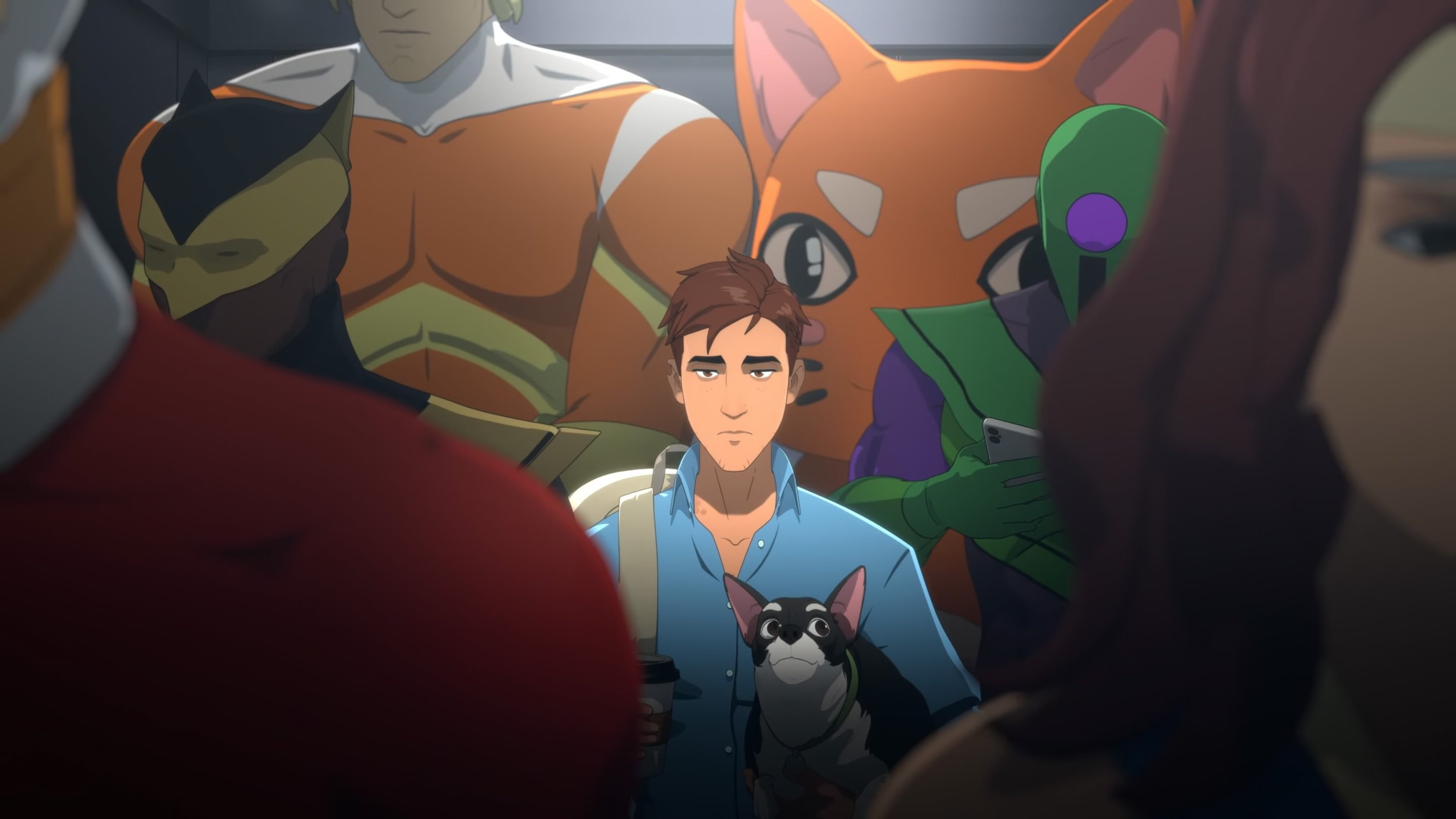
Do players need to constantly worry about how many players a game has after one week? Do we need to judge Dispatch as a success purely for hitting its three-year sales target in three months? Does Clair Obscur: Expedition 33’s excellent sales and oddly reasonable price of £50 negate the criticism of the final act’s poor balancing and final boss? These questions feel like they are constantly bubbling away in the background and stand at the heart of a long-held debate of video game pricing. It isn’t hard to see why. Pricing has exploded this year and has left people spending more diligently with whatever disposable income they can find after inflation & bills continue to raise prices, and wages continue to climb slower than a standard Peak run. In this context, the games industry has taken its stance and said to those people, “Too bad.”
Of course, I am not here to say the games industry is solely responsible for the financial state of play. Obviously, this business is not immune to the shortages faced that drive fluctuations in manufacturing costs, nor the Trump tariffs. The video games industry isn't the grand arbiter of the economy. However, 2025 has seen the industry seemingly collectively agree that its prices should be based around the income of the CFO rather than the working Joe.
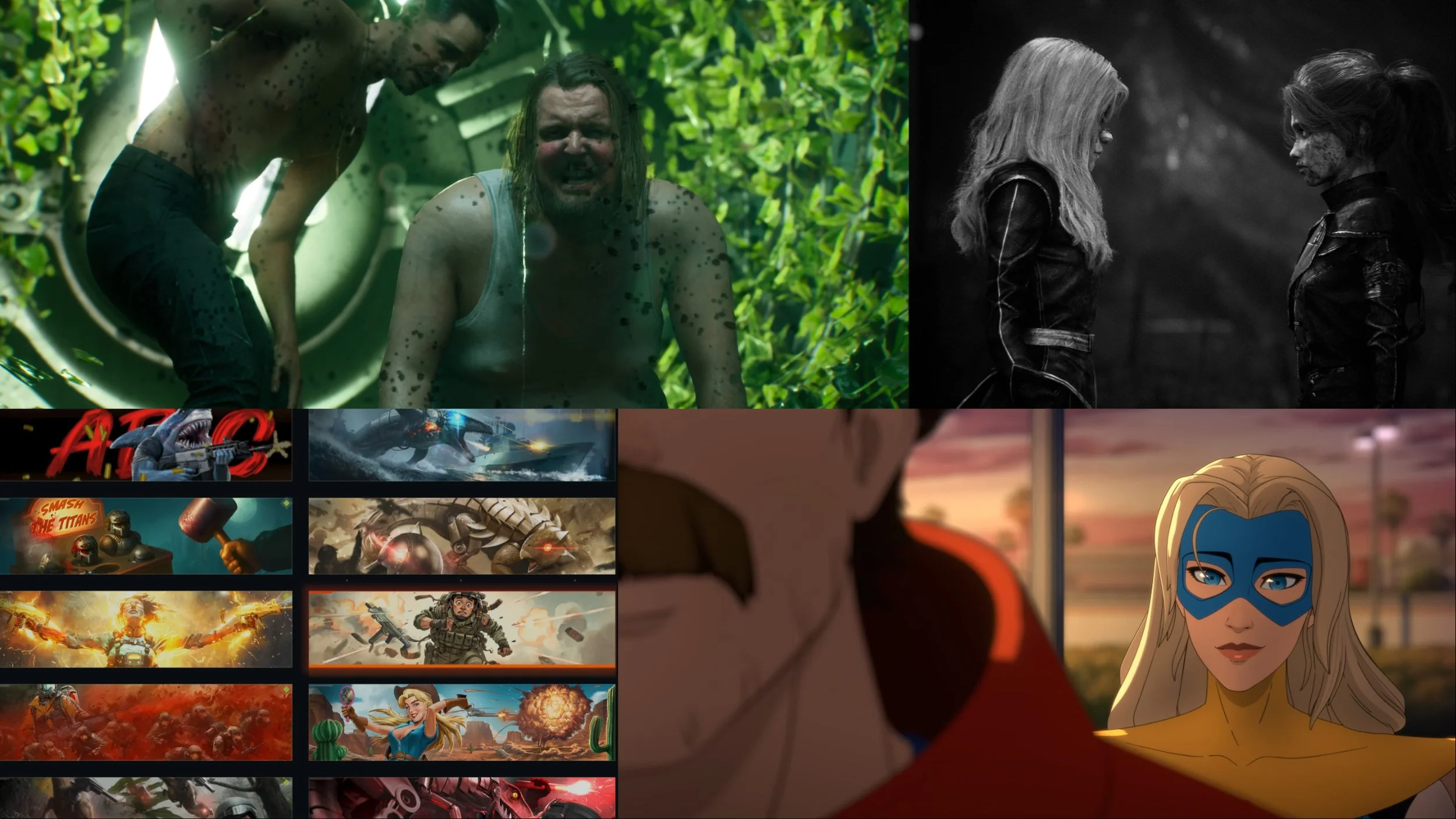
So when it comes to the AAA space, what are we actually paying for? Well, less is going to the salaries of the people who made the games. After all, thousands of workers have been laid off en masse in the last few years, enough for it to have its own Wikipedia article. The reasons vary, whether it be a Square Enix restructuring, Microsoft cancelling projects, or Build a Rocket Boy blaming “internal and external saboteurs” for the disastrous launch of MindsEye, or the many other stories. There’s less money going into sustaining living wages for the people actually battling to get these projects made. Worse, the cost of these losses are massive. For many, the constant layoffs and ensuing instability are understandably too much for people who want a life outside of their job. Losing designers means the industry continues to lose skilled people who can actually mentor and develop others in the space. As pointed out by Aftermath, Microsoft’s layoffs in the middle of the year saw people with double-digit tenures kicked to the curb. Inversely, Nintendo has managed to avoid these issues, and inexplicably, that means that workers want to stay there. Fair to say, our money isn’t paying for skills or salaries.
What about industry standards? Is the money going towards improving the overall standard of companies in the space? I could just laugh hysterically at the question being asked of an industry with all the class and dignity of a White House press briefing and move on, but let’s dignify it with a response. Behaviour across the industry still plagues parts of the AAA industry. Consider the Rockstar workers allegedly fired as part of union-busting efforts. What about the aforementioned BARB workers crunched to the bone and disposed of, all for a critical and commercial failure? What about the case of workers at Brandoville slapping themselves in the face at the order of higher-ups? Or the lawsuit between Krafton and the former Unknown Worlds executives in which Krafton’s CEO admitted to consulting with ChatGPT about the rights to cancelling bonuses his own company had planned, instead of, you know, consulting the folks in finance?
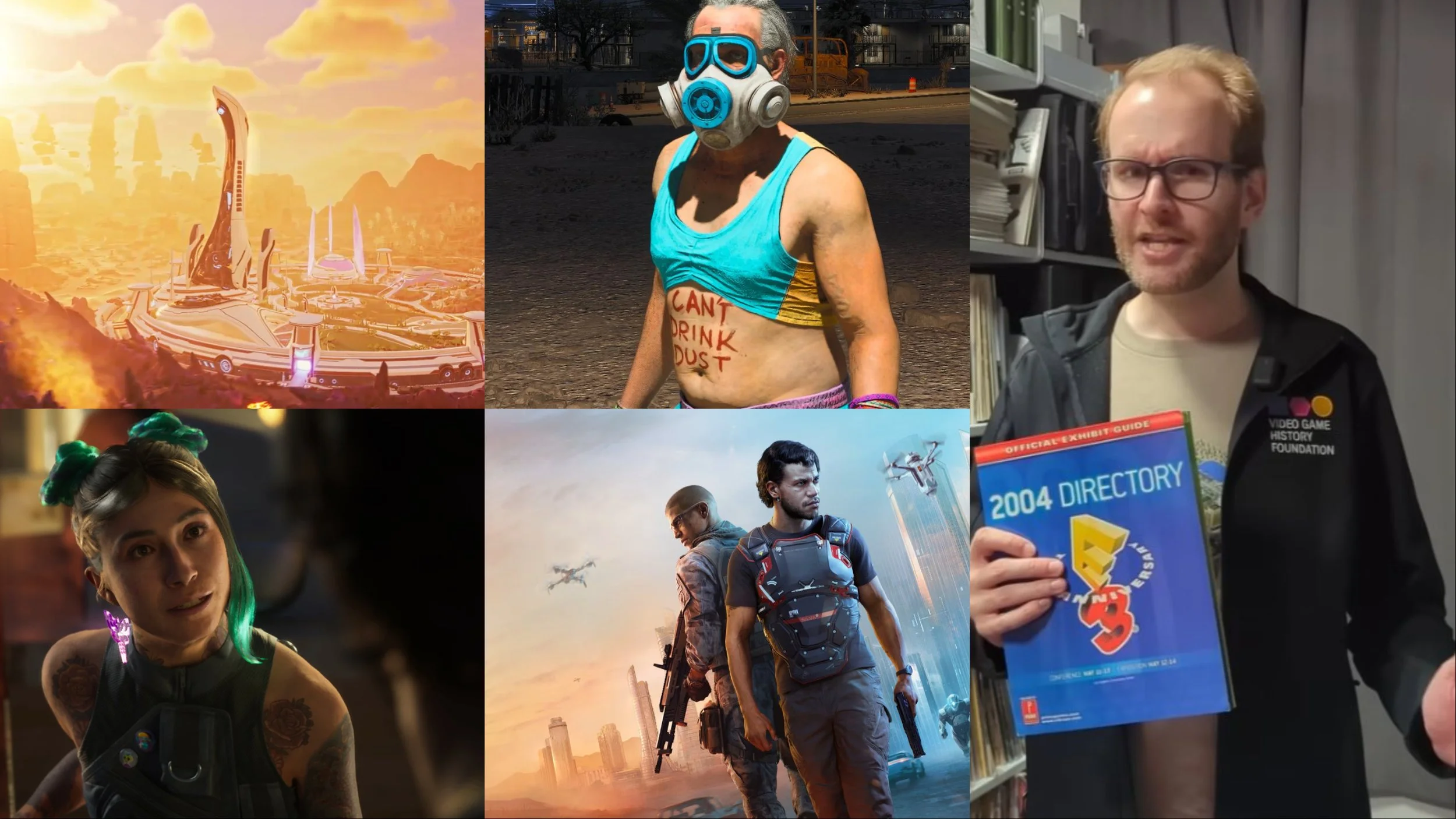
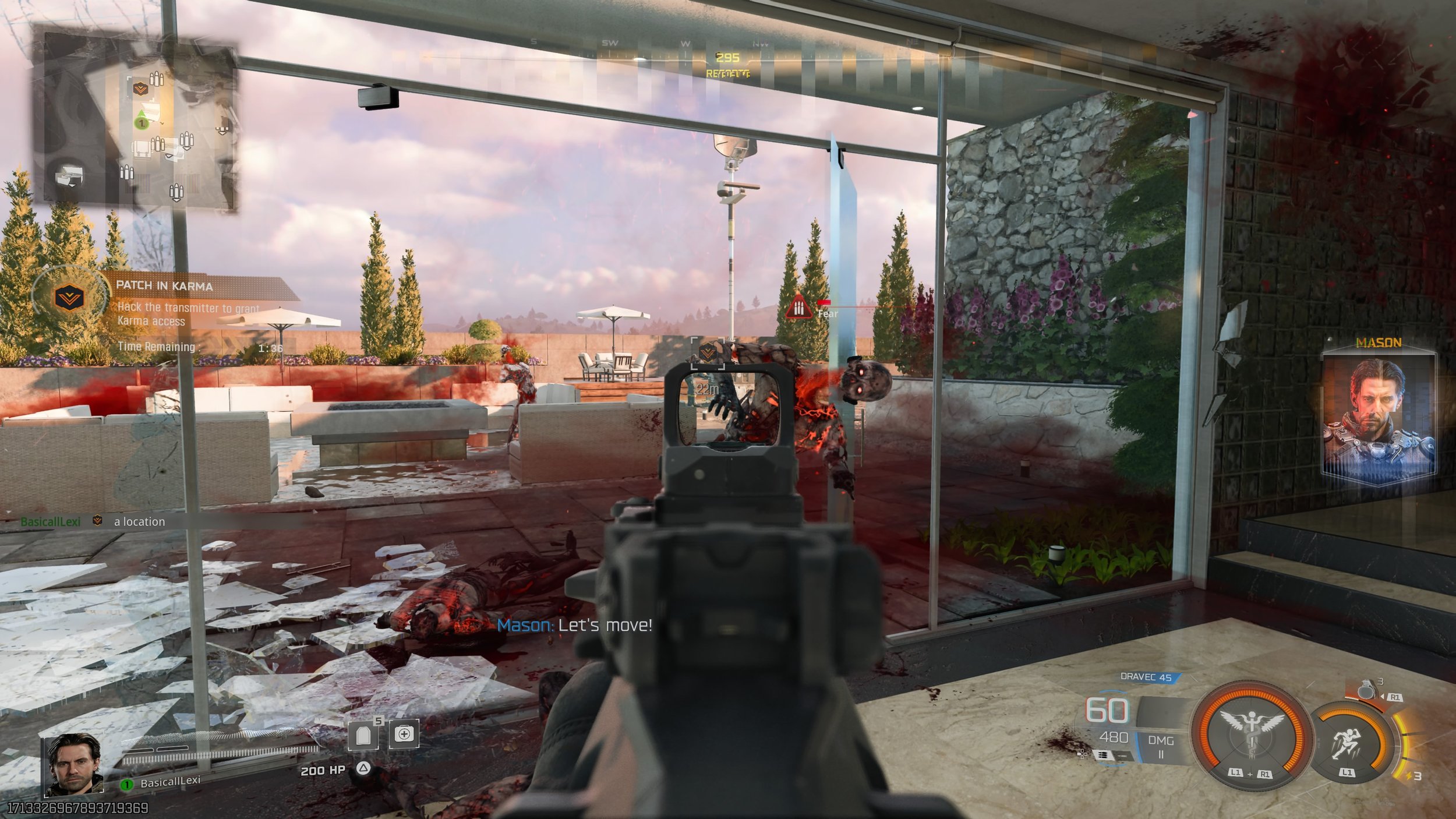
All this money we spent for a 2025 lineup of games that defined the phrase “mixed bag”. In particular, the AAA space felt like a hodge-podge ranging from utter clunkers like Call of Duty: Black Ops 7 (described by ultimate Sonic fan Lex Luddy as “soulless and mercenary”) and MindsEye, to some real disappointments across both free-to-play and premium games, with standouts including Splitgate 2, FBC: Firebreak, and Vampire: The Masquerade - Bloodlines 2. At the end of the day, its hard to not to get discouraged that the biggest industry players in this space are some of its most fickle, most greedy, and most destructive, all for a year where the supposed “best in class” was simply middling. Don’t worry, though, some of those studios get your additional money to send two staff members to Geoff Keighley’s winter E3 ceremony featuring some awards.
To top it all off, many companies have either increased prices for people to even access these games or continue to hint at price rises for the future. Microsoft has already done so with its massive Game Pass hikes in October, a move indicating once again its inability to read what people actually want from their services. Valve’s reveal of the Steam Machine comes with a caginess around pricing, apart from confirming the price won’t be subsidised. Amongst this, the hardware is just the tip of the iceberg. Nintendo & Microsoft both announced price increases to their first-party games above the $70 mark, whilst rumours persist as to the price point of GTA VI and whether it aims to hit triple figures, surely a seminal moment that the industry would embrace and one that Take-Two continues to be tight-lipped on. All this, meanwhile, whilst the CEOs continue to tout generative AI as the greatest thing since humans discovered fire, endlessly pouring stock, money, and people into building a technology that allows NPCs to spout nonsense and the occasional slur - as opposed to writing coherent characters - in the grand old aim of “realism” that has plagued the AAA space for years.
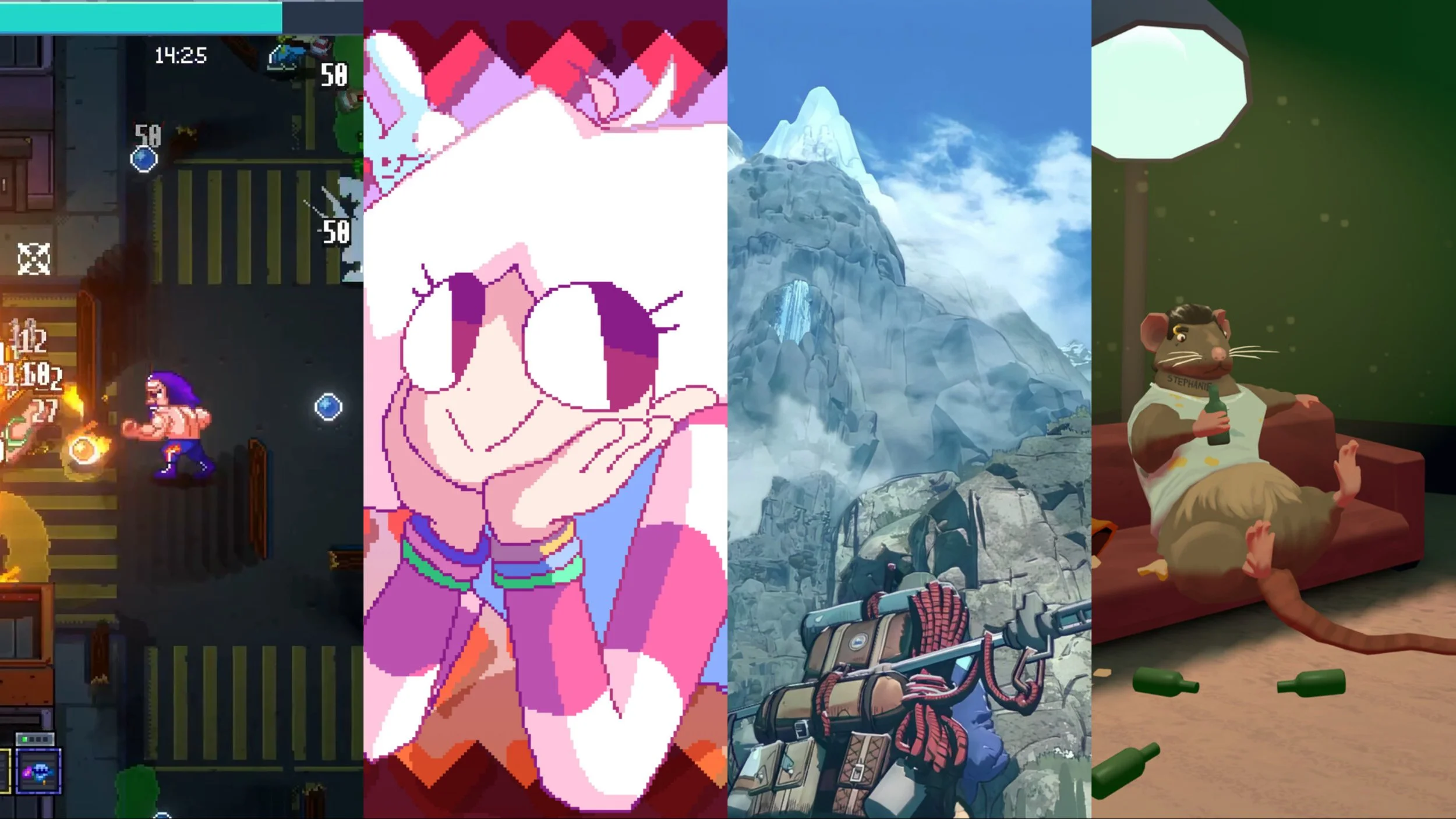
Yet, there is hope. For all this rancid behaviour at the top end of the industry, players have chosen to look elsewhere. Consider some of the successes this year. Peak, the co-op mountain climbing game, sold 10 million copies at a reasonable $8. Developer Aggro Crab capitalised on excellent use of proximity chat that made entries like Content Warning and Lethal Company so enjoyable to make a hilarious co-op climber. The aforementioned Dispatch and Clair Obscur: Expedition 33 avoided the upwards trend and became some of the biggest success stories of the year without chasing the trend of $70 or more. Meanwhile, as Take-Two and Rockstar continue to delay GTA VI, the hilariously long-running hype of Hollow Knight: Silksong stole its thunder with an actual release date, big sales, and critical acclaim in spite of boss runs about as ridiculous as Tarantino’s opinions on Paul Dano. This isn’t to ignore the usual AAA yearly fodder getting its big sales, but there is encouragement that there is still a space that players are going to. Maybe in those cases, it is worth caring about those sales figures.
For all of this, we should probably be more careful with our money, and perhaps, the guys at the top will hear when the people speak with wallets spent at certain amounts. They won’t, but at least at that point, they have no one else to blame for the latest £100 AAAAA blockbuster that doesn’t meet sales expectations.