Interview | Kumitantei: Old-School Slaughter Loves Danganronpa And Isn’t Ashamed To Say It
If you’re even remotely deep into the Danganronpa series, chances are you’ve heard of at least one fangame (“Fangan”, for short) — maybe the Danganronpa Another series, a one-man show from Korea, or Project: Eden’s Garden, an ill-fated American take on the franchise laden with Biblical symbolism. The humble Fangan is as natural to the ecosystem of this particular fandom as white-haired menaces and evil robo-animals.
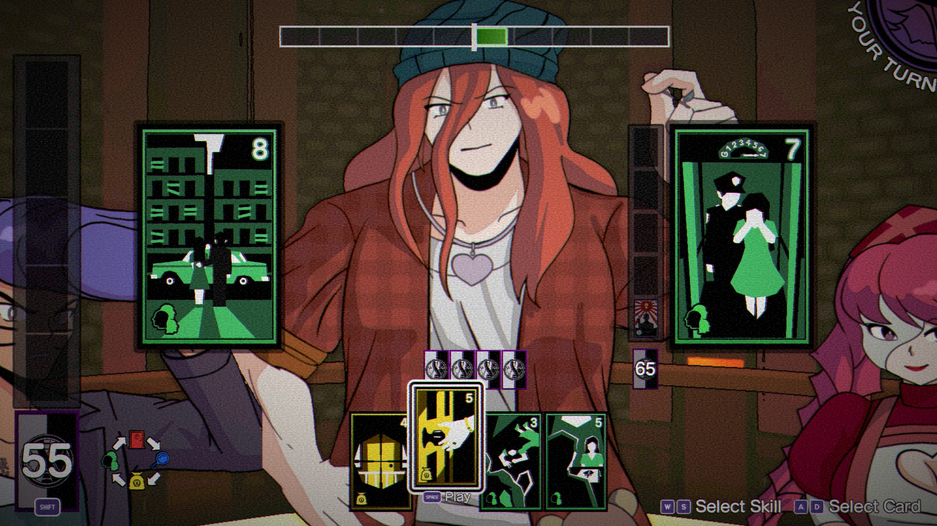
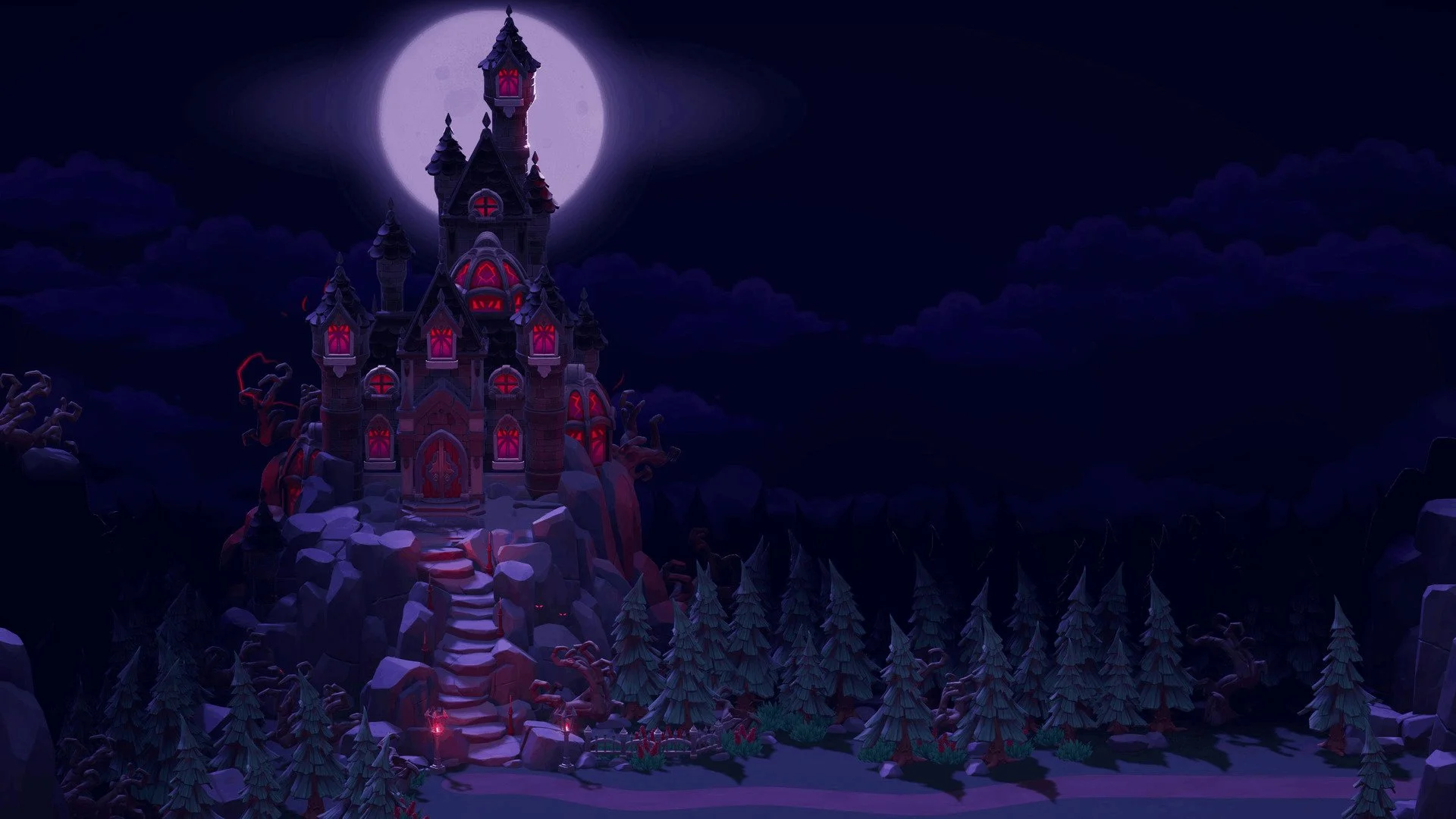
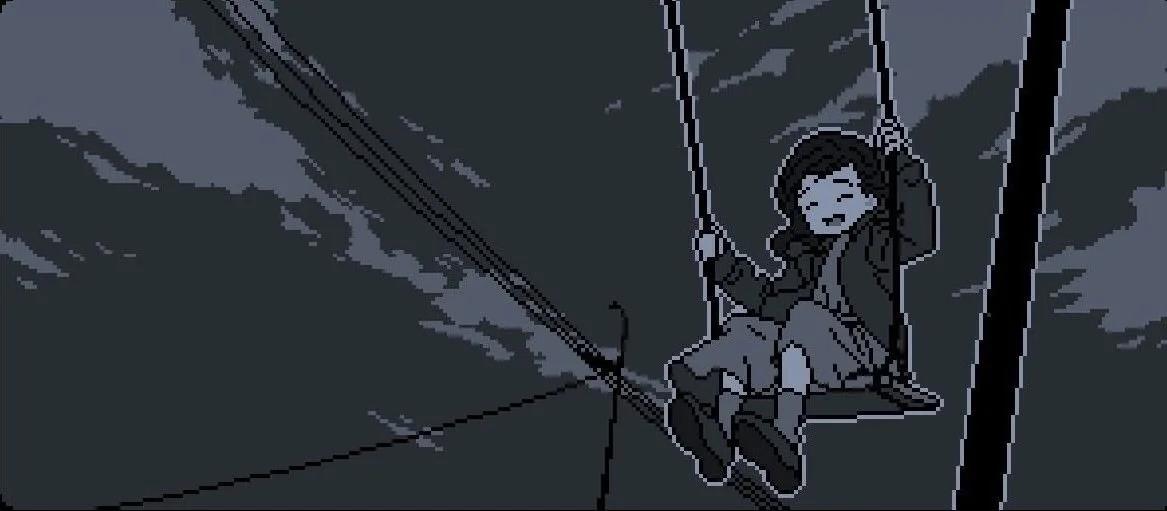
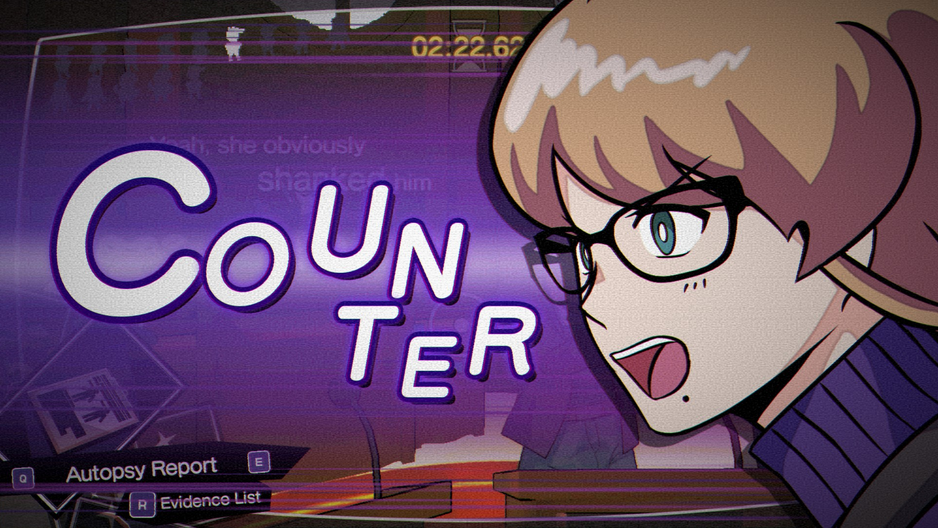
Kumitantei: Old-School Slaughter, from Indonesian studio Mango Factory, is a former example of this that had the serial numbers filed off. Ultimates became Absolutes, Hope’s Peak Academy became Janus Institute, and the Class Trials became Clinical Trials. All of this came to pass after the team members realised their fangame couldn’t be completed unless they quit their full-time jobs, which made them transition to game development, according to director Selina Kibara on GamesRadar+.
Placed a little further away from their obvious roots, does that make them Dangan rip-offs hungry for a quick buck? Absolutely not. This time, I sat down with Kibara myself in an attempt to get the scoop on what makes Kumitantei tick, in all of its more overt political messaging than the franchise usually gets up to, Mango Factory’s relationship to their inspirations, and the steady growth of the indie mystery scene.
Questions and answers were lightly edited for clarity.
You’ve spoken before about preferring to keep your inspirations out in the open over trying to hide the origins of your ideas. Aside from the more obvious works, what else has inspired Kumitantei and how?
Well, aside from the obvious murder mystery and killing game stuff, the biggest inspiration for Kumitantei tonally and stylistically is Rumiko Takahashi's series Urusei Yatsura. I've been obsessed with Urusei Yatsura and anime from the 80s and 90s for pretty much my whole life, and I adore romcoms with colourful casts of weirdos, so I really wanted to bring that sort of energy to a killing game story.
The whole cast of Kumitantei, each being really out-there and strange, really shows this. They're the kinds of characters that would feel way too exaggerated in most other killing game stories.
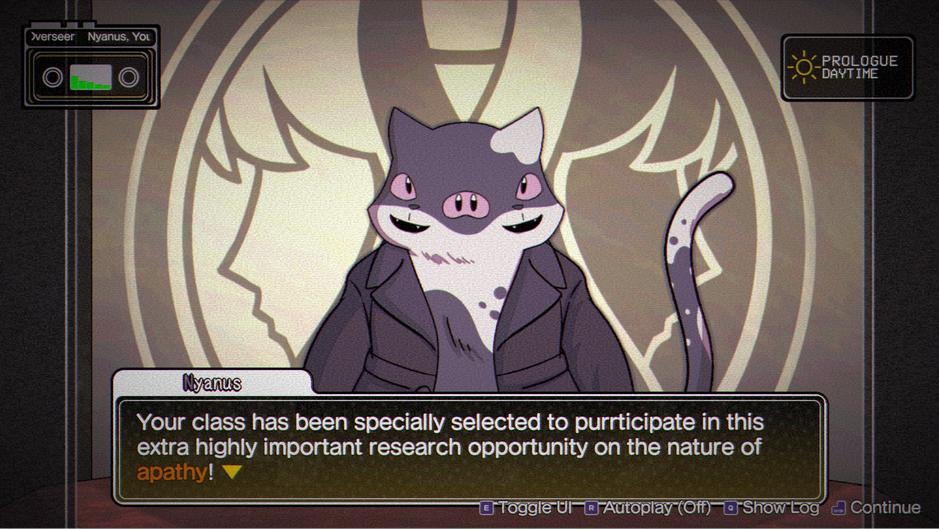
Speaking of the cast: how does your character creation process work? To bring it back to your major inspirations, are you more like Kazutaka Kodaka of Danganronpa, who goes more for deliberate abrasiveness, or Kotaro Uchikoshi of Zero Escape, who claims to put a piece of himself in every character of his ensembles?
Definitely the latter! I find it so much easier to build a character authentically if there's a little nugget of myself within them. Having that core allows me to make them as different from myself and my experiences as I want while still maintaining their emotional heart.
Early on, a few of the cast actually began as caricatures of my friends and family! They've evolved and changed exponentially since then, now barely recognisable to those beginnings, but they still have that nugget of real heart in them.
I’ve been thinking a lot about how most of them are openly disabled in some manner, too. Kumitantei’s biggest draw, in my opinion, lies in how overtly political it is, especially regarding this subject. Danganronpa has this too, in that the whole series comments on meritocracy and how “despair” is wielded as a political tool, but you here have brought it to an undeniable surface. How does one go about depicting the themes you discuss, especially around fascism, without laying it on too thick?
For me, the best way to broach political subjects is to show what they represent without necessarily saying words like "fascism" within the text. Ideological labels have stigmas attached to them, and that makes a lot of people unwilling to engage with media that disagrees with their pre-existing worldviews.
To make an effective political point in most media, it really comes down to showing instead of telling, even if that sometimes has the opposite effect of appealing to the ideologies a game is criticizing (like Metal Gear Solid or Fallout 3).
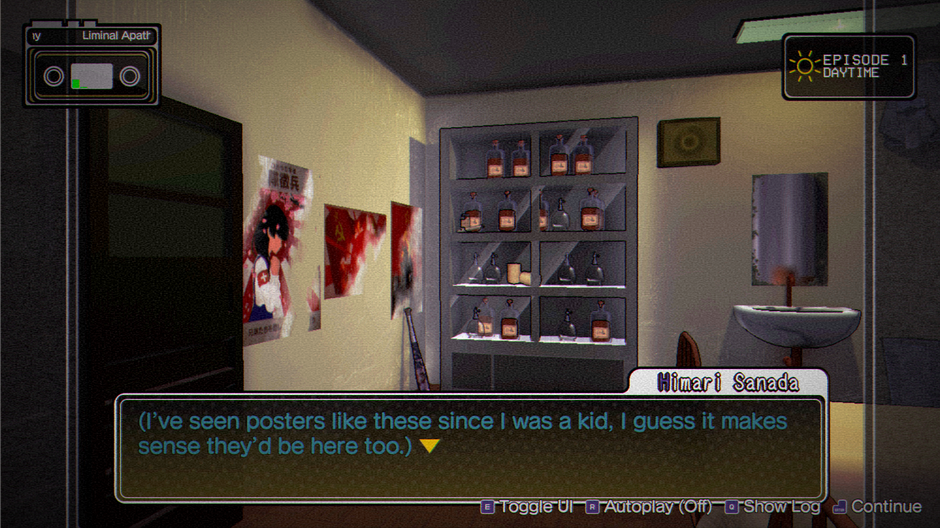
How would you say Kumitantei threads that needle? I've noticed an abundance of the Rising Sun flag, for example, in the Kibaraco game company logo (I assume it's named after your last name? Could you talk a bit about this choice?).
The Rising Sun is an incredibly interesting piece of symbolism to work with: pretty much everywhere outside of Japan, it's held in a similar regard to the Nazi swastika, a symbol of violent authoritarianism, but in Japan, it's just a cool design. It's still used by the Japan Self-Defense Forces and is abundant in consumer goods as just an alternative [to] the regular flag. Nobody really considers it a political statement at all, much less a fascist one.
We wanted to lean into this within Kumitantei to reflect the normalisation of Japanese imperialism within the decades it persisted in this universe, having it be omnipresent but barely called attention to at all by the characters. It's just the world they live in.
As for the name Kibaraco, it actually comes from a scrapped ARG element we'd been planning for the game back when we were first moving away from being a fangame. It wasn't intended to be as big of a thing within the game as it's ended up being, but that's just game development sometimes!
You come from the culture of Fangan, which has very well-outlined genre expectations. What are the pros and cons of that?
The pros of being a former Fangan are that there's a massive in-built audience of people who love playing exactly the kind of game we're making, killing games with formats that stick closely to Danganronpa, and that, as a creative community, there's tons of really talented fan artists and creators excited to engage with our game.
The negatives are mainly misunderstandings about us not being a Fangan anymore. Many people have an existing expectation of games like ours being free and taking several years to receive any content. It's abnormal for them to be paying for something that’s made in this format, and that has led to some friction and accusations of being a cash grab.
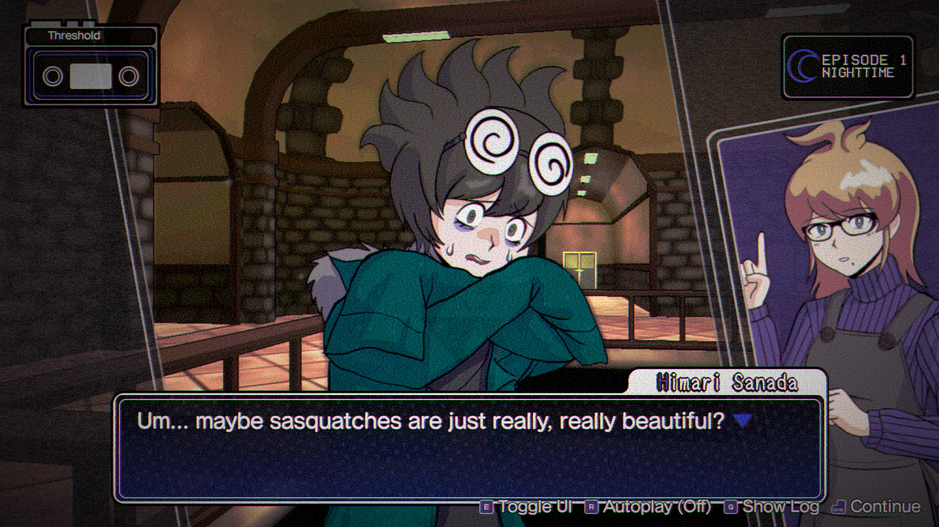
At that, how has working with a publisher been? Any advice to other novice studios?
It's definitely not a common sentiment, but I personally LOVE working with a publisher. Akupara Games has treated us incredibly well and granted us so many great opportunities in terms of partnerships, marketing, and resources, though that's not to say there weren't some growing pains. As a rookie team making our first game, adapting to a more professional structure as mandated by having a publisher took a bit of time to fully settle into, but now we've honestly never been more efficient.
The biggest problem for us really was the process of getting a publisher. We pitched to at least 50 different places, majorly iterated on our pitch deck at least four times, and pretty much landed the one we did entirely out of getting lucky. To my understanding, that's kinda the story for most indie games with the industry being how it is right now. It was a very rough time, but persistence and perseverance got us through it, and I'm sure it'll get other studios through it too. Keep trying!
Finally, to speak of indie games, I've noticed a really strong surge of specifically indie mysteries in the past couple of years. Just in these 12 months, I've gotten to play Detective Instinct: Farewell, My Beloved, which is a homage to golden-age DS mysteries like Zero Escape and Hotel Dusk, and The Roottrees are Dead, a more "red string" type mystery confessedly inspired by Return of the Obra Dinn and Her Story. Do you have any games like this you'd like to shout out to the audience?
Oh, absolutely! Please go play Yet Another Killing Game, it's a brilliant and cerebral death game story inspired primarily by Zero Escape (and was made by a good friend of mine, Jun Kakeru). I'd also recommend of the Devil, another episodic murder-mystery game that's like cyberpunk toxic yuri Ace Attorney, and Psycho-Sleuth, which is a really fascinating Danganronpa-like where every character depicts a neurological disorder, which plays into how the mysteries are solved.
Kumitantei: Old-School Slaughter will be released in an episodic format. Episode 1 is already out on PC.
![[PATREON UNLOCK] Update Patch - April 2026](https://images.squarespace-cdn.com/content/v1/5caf2dea93a63238c9069ba4/1778437553882-SXORKFZOGHHGMV8BT7L2/Update+Patch+Week+0.jpg)