Review | Dosa Divas - Eat Drink Mecha Woman
Outerloop Games know what’s most important in life: family, food, and mecha. With Dosa Divas, the team behind Thirsty Suitors has thrown these core ingredients into a mixing bowl and ended up with a dish full of heart, bearing a unique flavour profile but let down by a disappointing aftertaste. Okay, fine, I’ll stop with the cooking metaphor. Can you blame me?
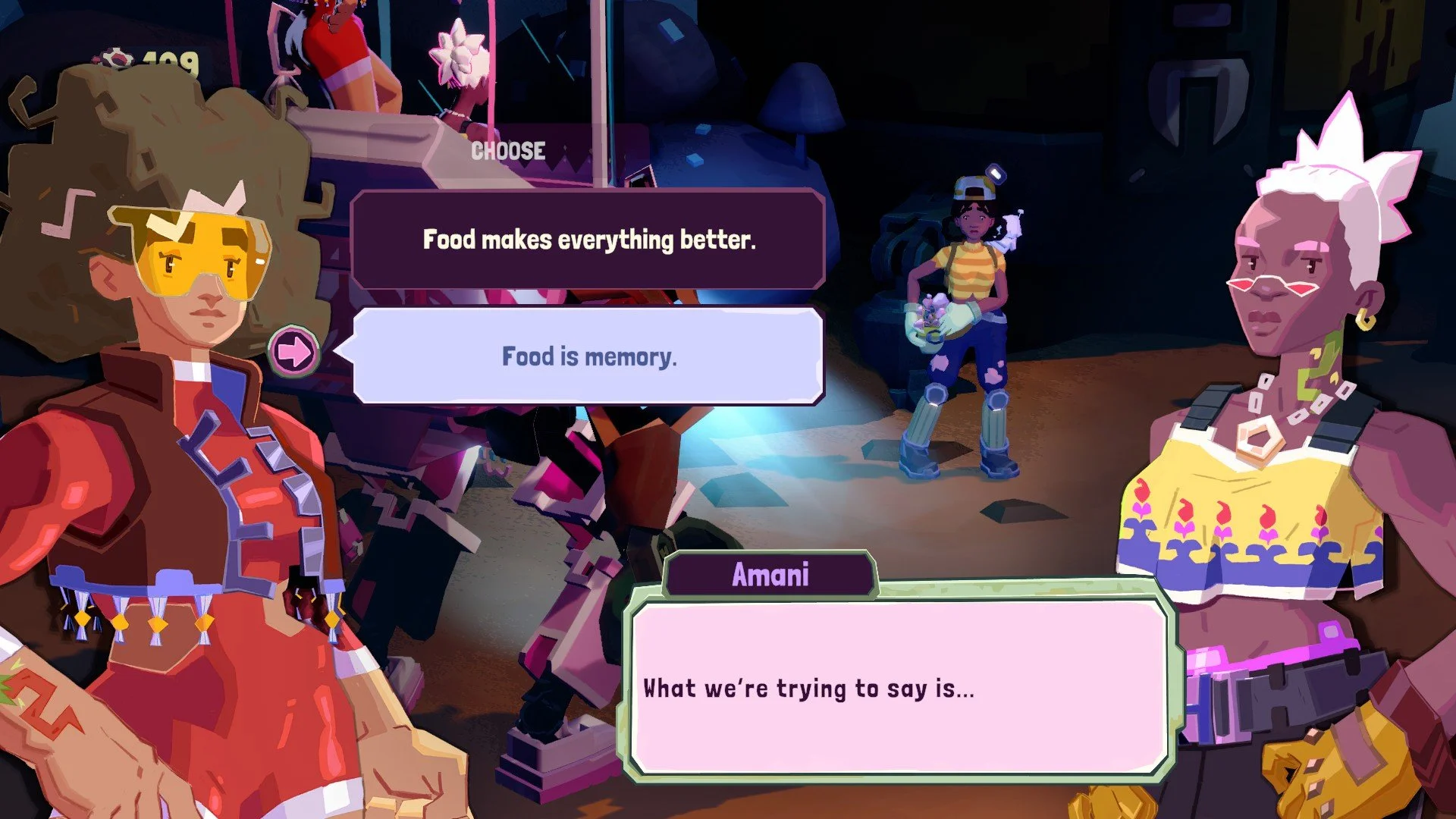
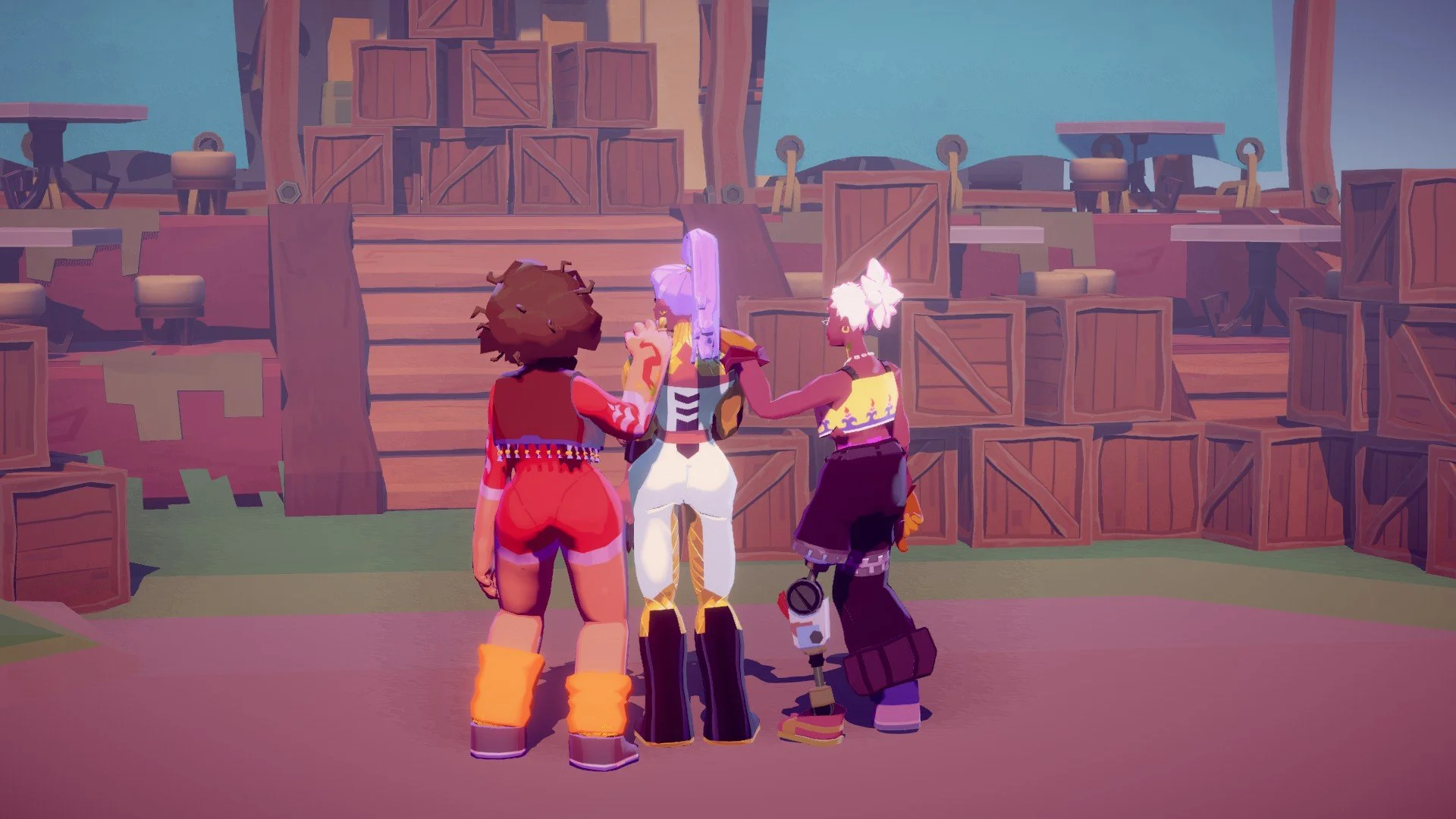
Bearing in mind that you eat with your eyes first (sorry!), Dosa Divas is an incredibly pretty game. The bright and blocky art style, together with the vibrant palette, makes a treat for the eyes (I’m done!) that never turns stale (I promise!) Its eclectic main cast of Samara, Amani, and their adorable war machine Goddess make their way through a land that lost its love for cooking at the hands of HelloFresh — sorry, LinaMeals. Forced into a culinary incompetence by the readily available (see: forced-upon) food tubes sold in terrifying bulk by the company of the leads’ estranged sister, Lina, Samara and Amani are thus responsible for not only taking down this monopolistic megacorporation, but also restoring the art of cooking to these villages still brimming with culture. All of these people and places, from the homely darkness of an underground colony to the artificial perfection of an island resort, bear memories of their historied cuisine; it’s just up to these girls to bring them back.
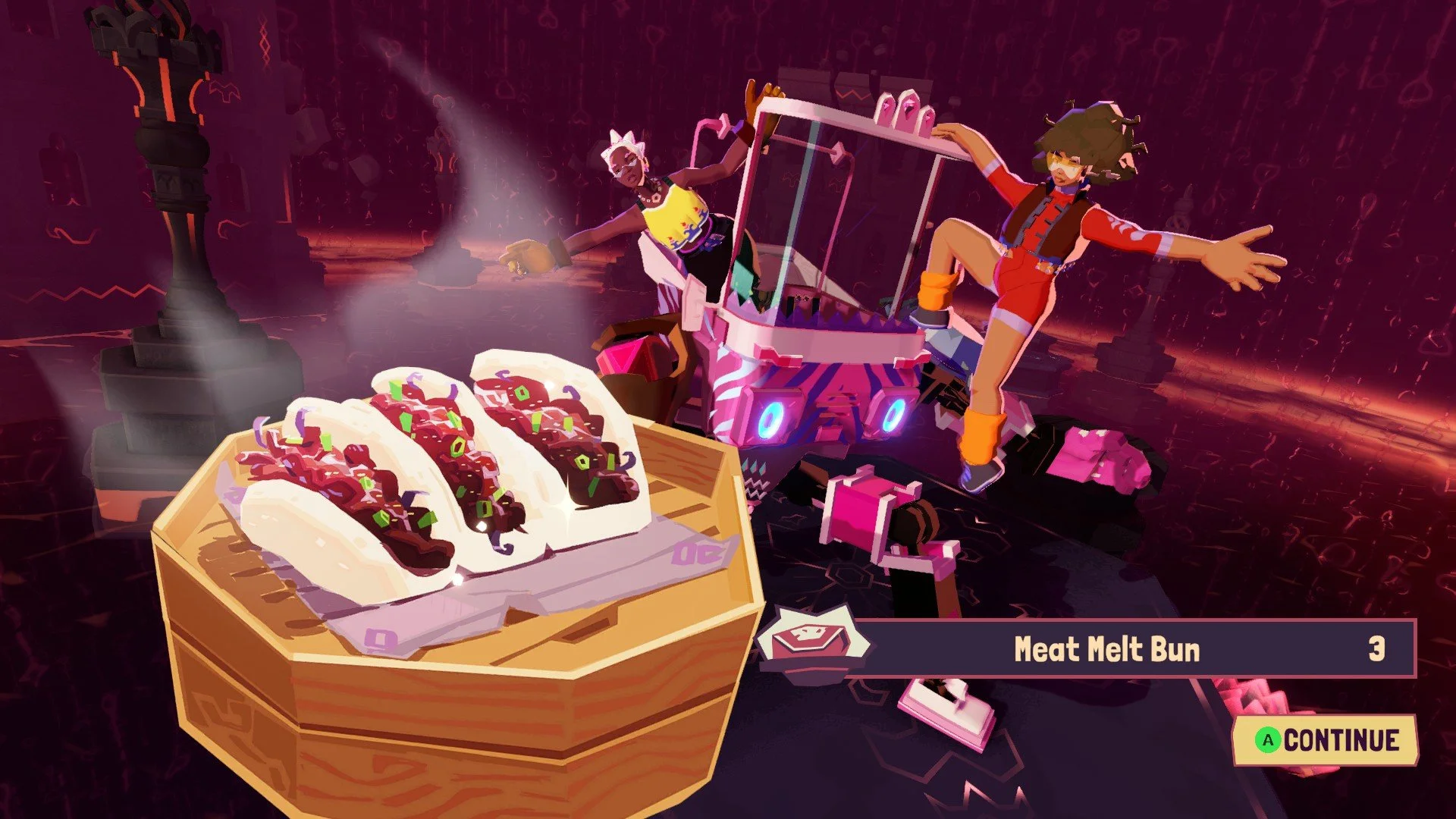
So, the cooking. It’s how you’ll be spending most of your time in Dosa Divas outside of the turn-based combat, so I had high hopes. These were dashed a little over time, however, as I came to realise that the simplicity of the cooking minigame presented at the game’s opening never actually gets any more complex. Tap the “A” button at the right time. Mash the “A” button at the right time. Maybe even mash the bumpers to keep the lights on while also mashing the “A” button. Riveting. Throughout the whole runtime, this incredibly simple Simon Says exercise never gains any complicating factors or difficulty, acting more as a way to simply break up the pacing between combat encounters and narrative progression, which is a real shame considering it’s what the game centres around. What I can happily say is that the meals actually being cooked up are the star of the show here, both in presentation (fuck, these dishes look incredible) and importance to the gameplay loop. The dishes you cook are not only the primary form of quest success condition for both main story and optional requests — with any non-battle encounter being resolved by taking a character’s order, cooking up a storm to their liking, and thus raising your rep in the village — but also the party’s source of in-battle items. While the cooking itself is very difficult to fuck up, good performance rewards you with extra servings of the prepared dish, meaning you can feed one hungry soul and still have two more helpings in your inventory for in-battle use. It’s a clever and subtle way to avoid the necessity of grinding for items; you don’t even think about it, and later find a shitton of healing items you forgot about when you’re low on health.
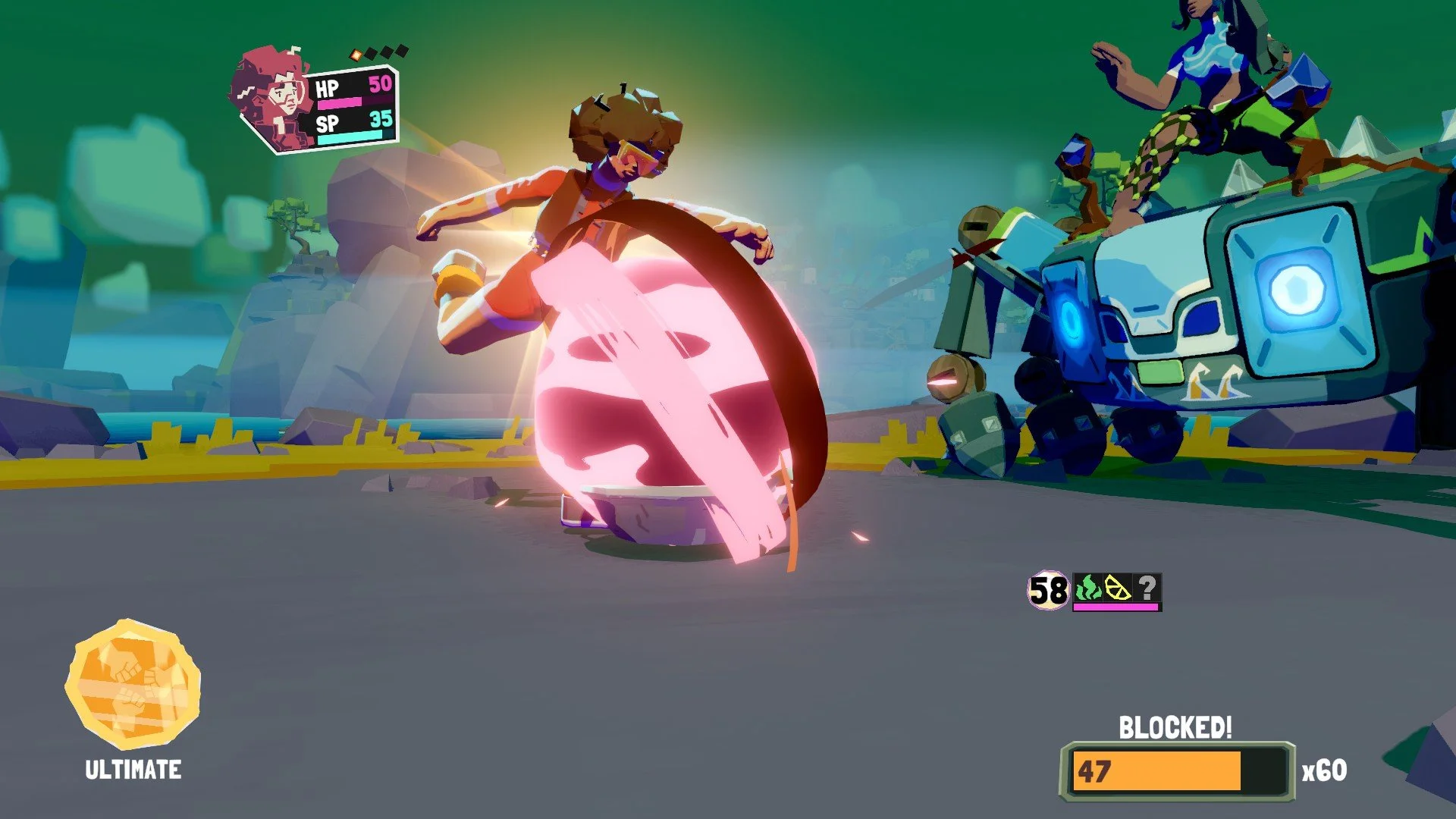
The combat you’ll be using them in is thankfully considerably more engaging than the cooking. Dosa Divas operates at a base level on a standard turn-based structure with simple elemental weaknesses, but spices things up a little with enemy staggers and perfect blocks/attacks performed by pressing “A” at the correct time; the genuinely tight window for a perfect block and enemies’ wonderful tendency to fake out attacks to mix up block timing makes this a meaningful mechanic more than a bit of throwaway tech. This satisfying rhythm element extends to several skills too, rewarding your careful timing and concentration in moves such as reflecting woks and spatulas back and forth at enemies for repeated hits. Boosts and ultimate attacks are both earned through perfect inputs and add a small bit of resource management to turns through encouraging thought as to which skills deserve to be boosted for added effects, but this, and the inherent resource management of SP for skills, is let down by one strange choice: HP, SP, boosts and ultimate meter are all restored back to default (full for the two former, zero for the two latter) after every single fight. As a result, there’s little reason not to dump all of these resources as soon as you’ve got a good hand and feel like you’re a few turns from winning — it’s not like you have to plan for the future. It’s a confusing choice, and one that avoidably dumbs down the otherwise pretty solid combat.
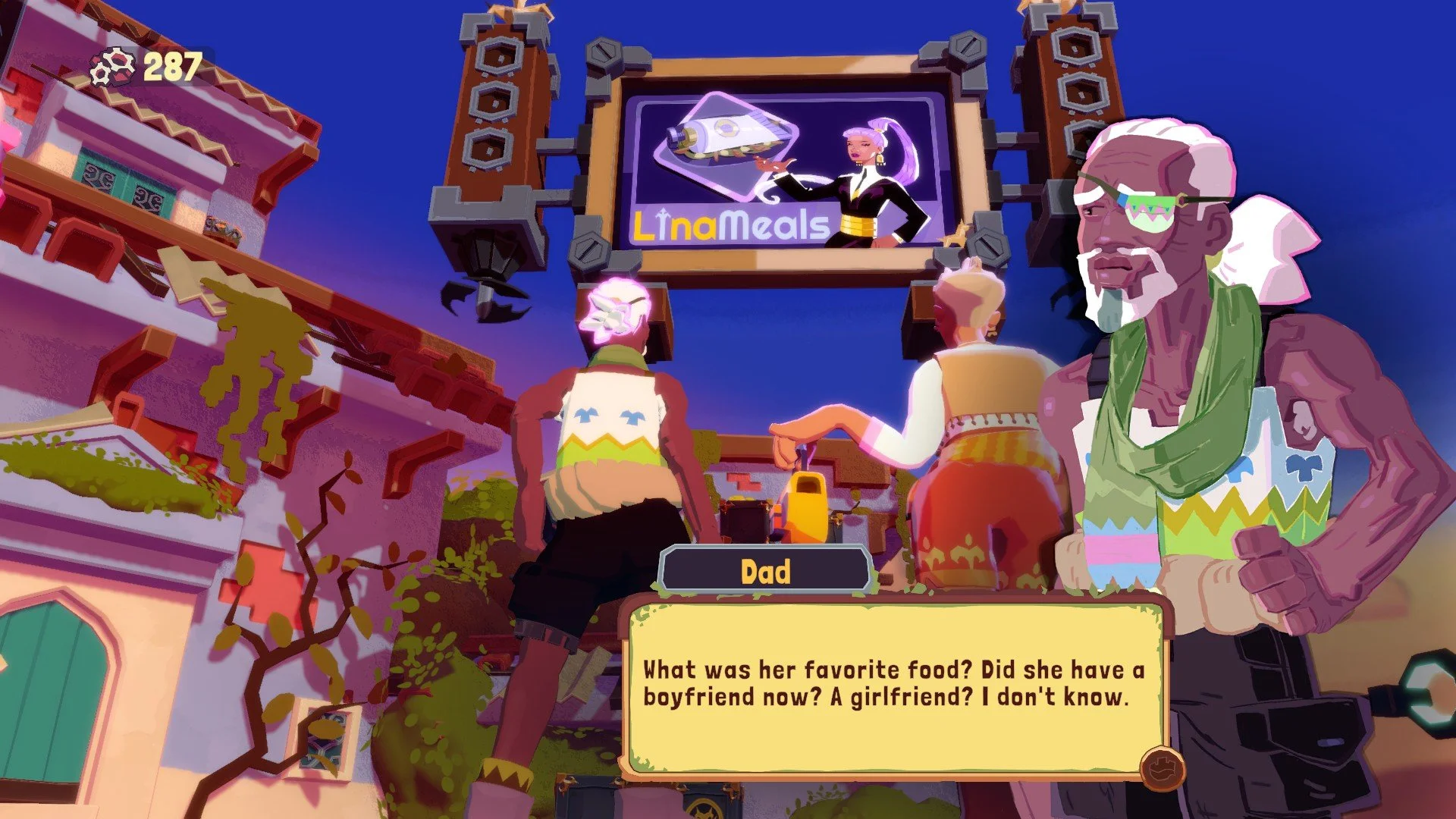
It’s not all about the combat, though, as Outerloop Games describes Dosa Divas as a ‘spicy narrative turn-based JRPG’. To this end, I was impressed by the actual gravity given to individual moments in the relatively light overarching plot. Lina might initially seem just a maniacal CEO willing to sacrifice culture and community for profit and, well, she kind of is that, but it comes to light that her outlook might actually have a lot to do with her upbringing alongside her protagonist sisters. Similarly, the tense relationship between Samara and Amani is given space to breathe, with Samara’s fiery nature and brash assumptions actually inflicting genuine pain on Amani at times, who’s carrying considerably more than she lets on. Most affecting is Dosa Divas’ approach to aging and death — the sisters’ parents are entering the elder stages of life in which memory begins to fail, and terrible things can be said by mistake or by choice, and it’s up to their children to figure out which is which. It’s not named explicitly as dementia in the game, but their desperate holding on to their insistence that they just ‘don’t remember’ their children in the same tone as one might forget a chore is recognisable and heartbreaking all the same. Death, too, is something that happens naturally and frequently in this pastel world, and it’s treated with a care, respect, and gentleness I was pleasantly surprised by. There are a multitude of failures, mistakes, and regrets carried by the cast of Dosa Divas, and these heavier concepts are all taken seriously, granted the deserved depth and allowed for amends to be made. This is all supported by an impressive voice cast, granting these scenes an undeniable degree of emotionality that they’d be lacking without it — special mention goes to the voice actors of Amani and her father, who actually placed me on the verge of tears a few times.
Even with such touching interactions, Dosa Divas is still bright in much of its dialogue. Quite a lot of the humour did actually hit for me, which is not always guaranteed. Personal highlights included techbro enemies whimpering out buzzwords like “401K!” upon their snivelling defeat, one of Lina’s many propaganda-peddling loudspeakers barking out “Broken bones below the neck are no longer valid excuses for work breaks”, and Lina herself proudly stating that she “cut salaries for non-essential employees, like company doctors, so more of Linaworks’ money goes to the executives driving the bulk of our value.” Even so, there were times that the humour crept into the ever-tempting pit of Deadpool-esque fourth wall-breaking, such as an NPC joking that Samara was “too busy looking at your upgrade screen”, which left a sour taste in my mouth. The aftertaste of Dosa Divas as a whole is also, sadly, less appealing than the main dish. Barring a stellar final boss fight, the game’s closing hours are let down by: a sudden boss replay with new, mandatory gimmicks intended to make them more unique than just replaying the same bosses, which only made them tiring to replay; an ending that happens incredibly quickly and offers very little time to take anything in, and the long-foreshadowed death of a core character that is bewilderingly blown past in a few seconds, leaving you with not a moment to grieve before the credits hit the screen.
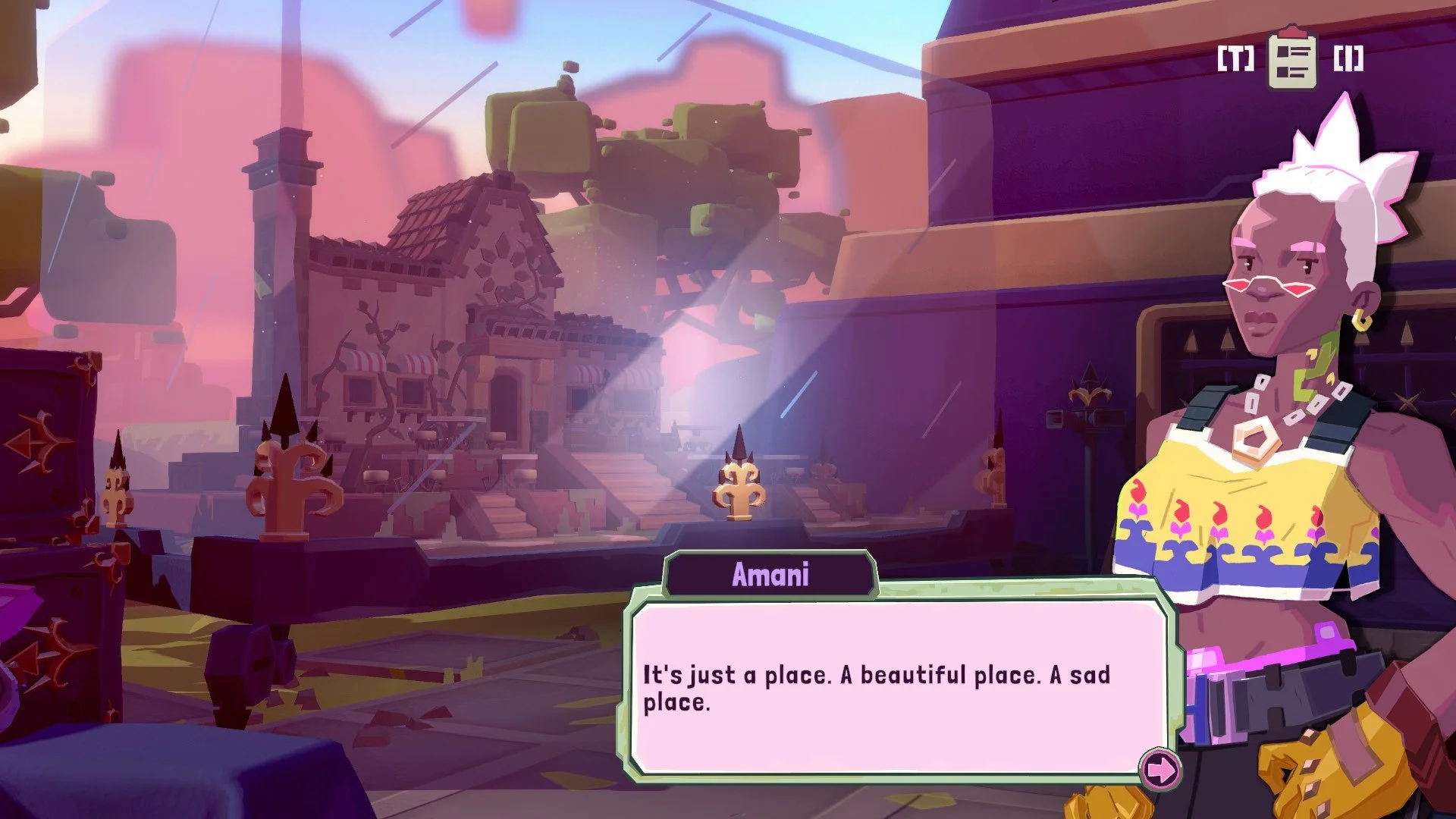
Dosa Divas is a lovely little RPG. Even if simple in places where it could perhaps do with a tad more seasoning, there’s a heaping amount of heart in every crushing line of dialogue, every amend made to repair bridges burned, every dish served up by the party. Food is memory, as Dosa Divas centres its narrative and theming around and delivers with a respectable sincerity — I just wish my lasting memory of the game wasn’t soured by my last bite.