Review | Denshattack! - Initial T Reigns Supreme
The rush of a train speeding through a forest, the anxiety of borderline out-of-control turns, the thrill of landing that last-second heelflip, and the surprise of completing an objective you weren’t gunning for: these are some of the feelings Denshattack! elicits. It’s easy at first to dismiss the game with “it’s Tony Hawk but trains”, but there’s so much more going on here. I’ve played a fair share of Tony Hawks, Aggressive Inlines, and Jet Set Radios in my time, and have seen similar games come and go these past few years in a glut of genre revivals. Denshattack! is one of the few to capture my attention because I believe it presents a way forward for the genre. It doesn’t get every point right, but the argument it makes as you play is compelling.
Where many extreme sports games are content to either drop you into a series of levels or an open world, Denshattack! goes for a chapter-based story with tons of stages. The story centers around Emi, a girl raised on the margins of a post-catastrophe Japan where one half of the survivors live in oppressive, propagandised dome cities and the other half live outside the domes, ignored and forgotten. Through a chance meeting, Emi realises she’s a natural at Denshattack — or the art of battling, racing, and tricking around in trains — and decides to challenge each of the regional Denshattack gangs to prove she’s the best. This is not the most engrossing story in the world, but it’s nice to have something consistently driving the game forward.
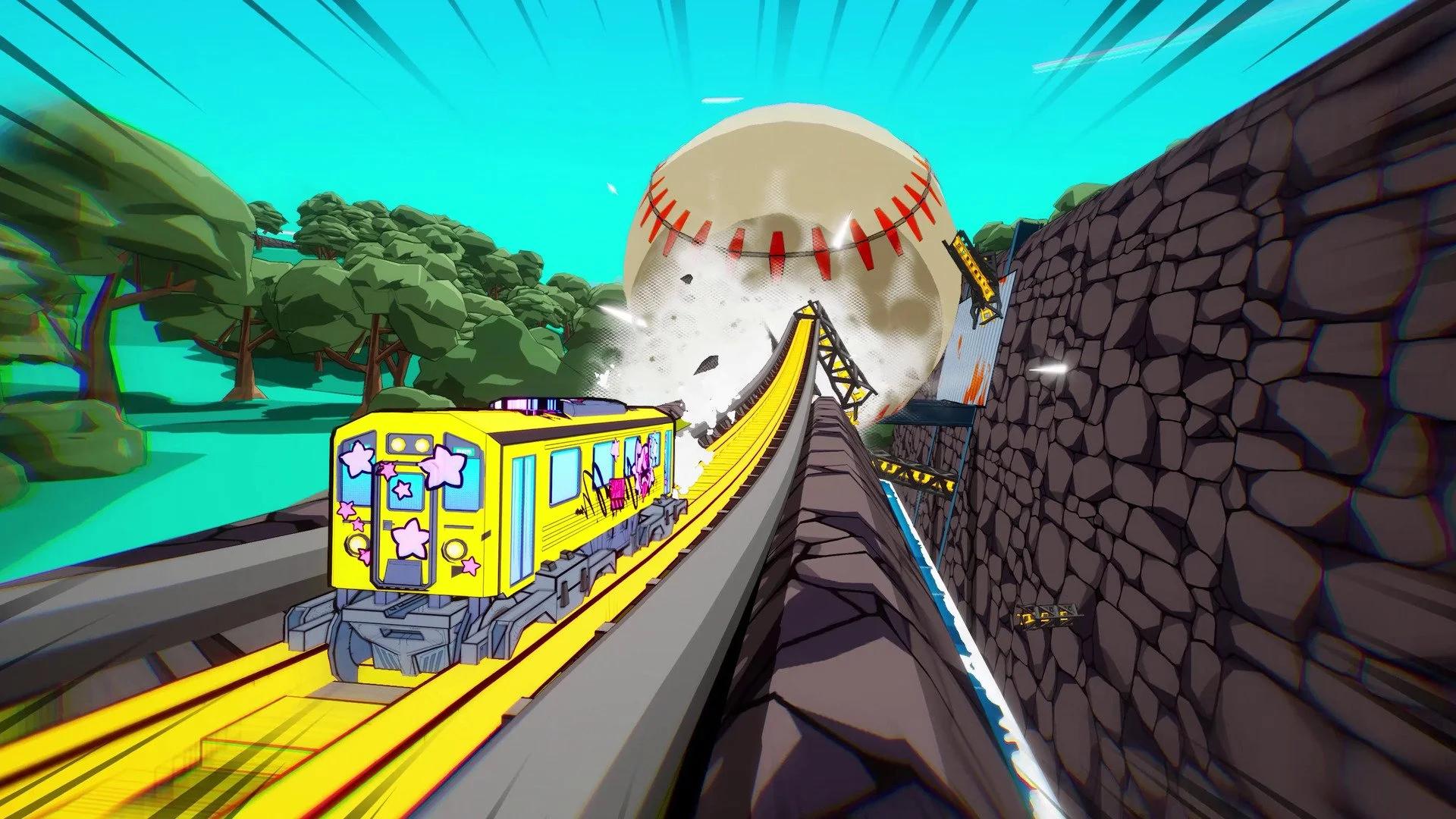
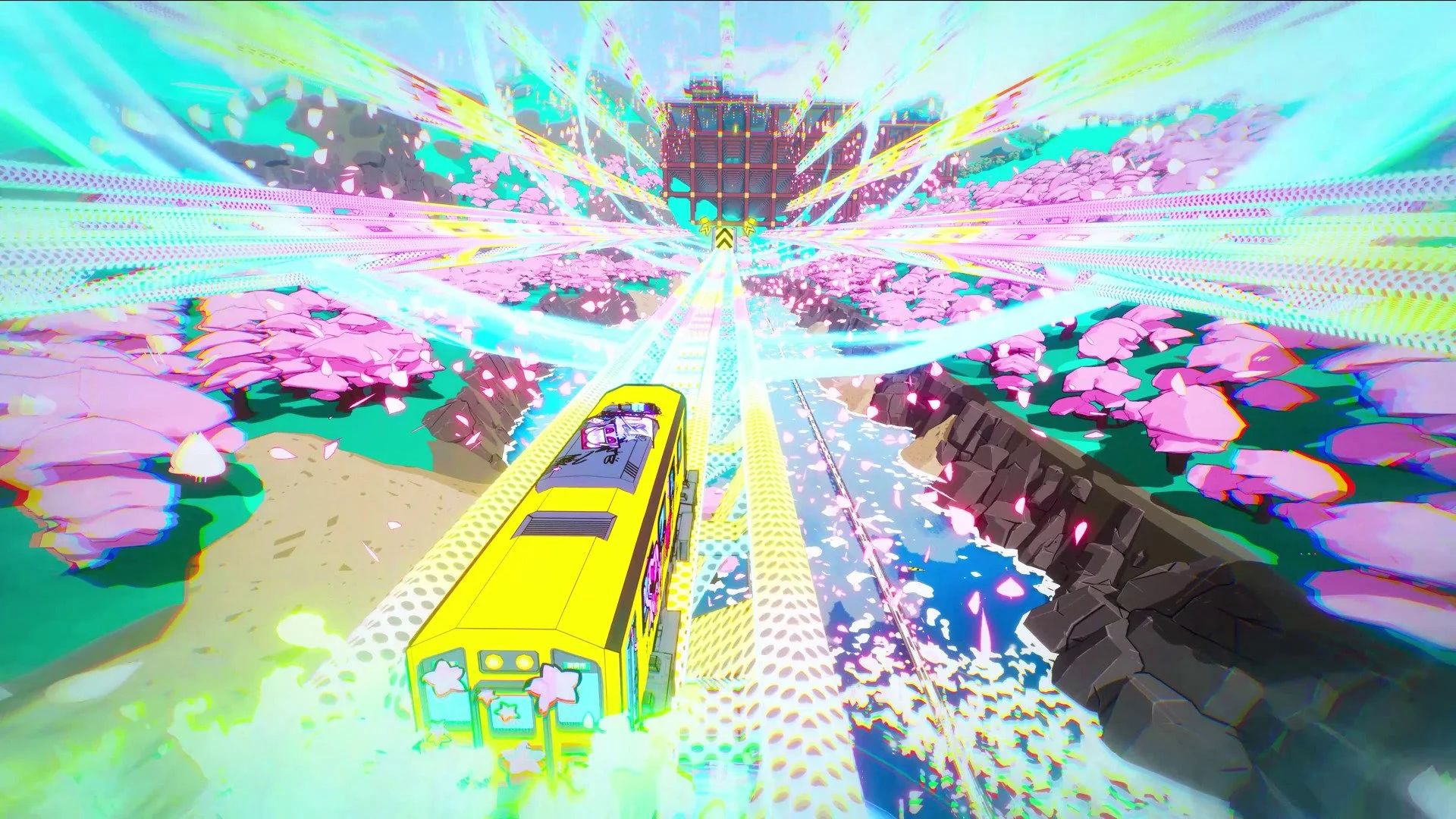
In each region, Emi will master new aspects of Denshattack that deepen the draw of the game. What starts as a system a station or two removed from grinding on rails in Sonic Adventure 2, morphs into an encyclopaedia of tricks and manoeuvres that keep your attention, even at high-level play. You learn to ride on walls and, yes, multi-track drift, while Emi gains abilities that allow her to ride wind currents and see rainbow-coloured tracks that most people can’t. By the end, I was reaching my personal limit of what I could handle because the game moves so fast. Sometimes my hands couldn’t keep up and I’d break when I wanted to multi-track drift. Denshattack! can be easy to pick up and hard to master, but I couldn’t help but wonder if these mistakes were purely my fault, or an issue with the default control scheme.

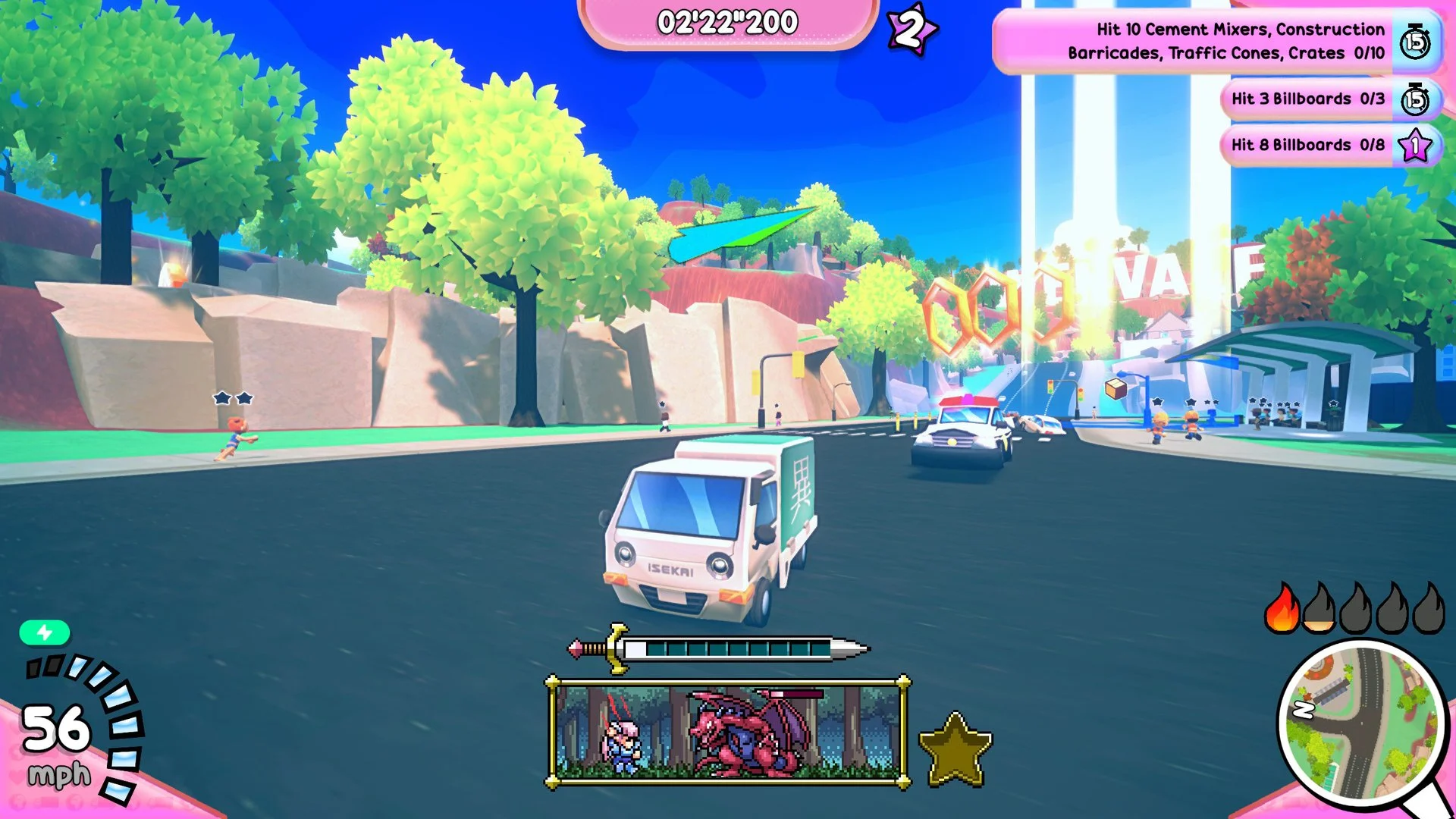
Denshattack! runs at a smooth framerate, which means that keeping up with the blistering pace is again more about player skill than technical limitation. I also want to highlight the clear, colourful art direction that calls to mind Jet Set Radio and the Dreamcast era as a whole. I have a real appreciation for readable in-game signage and Denshattack! has plenty to whizz past. However, if there is one aspect of the graphics I take issue with, it’s the cutscenes. Barring some interstitial videos at the start of each chapter, cutscenes here are mostly static images punctuated by small camera movements and minimal animation. I know I said the story isn’t the biggest draw, but considering that some cutscenes are important enough to be major events on the world map, it feels odd that they aren’t fully fleshed out. At least they’re well-voiced.
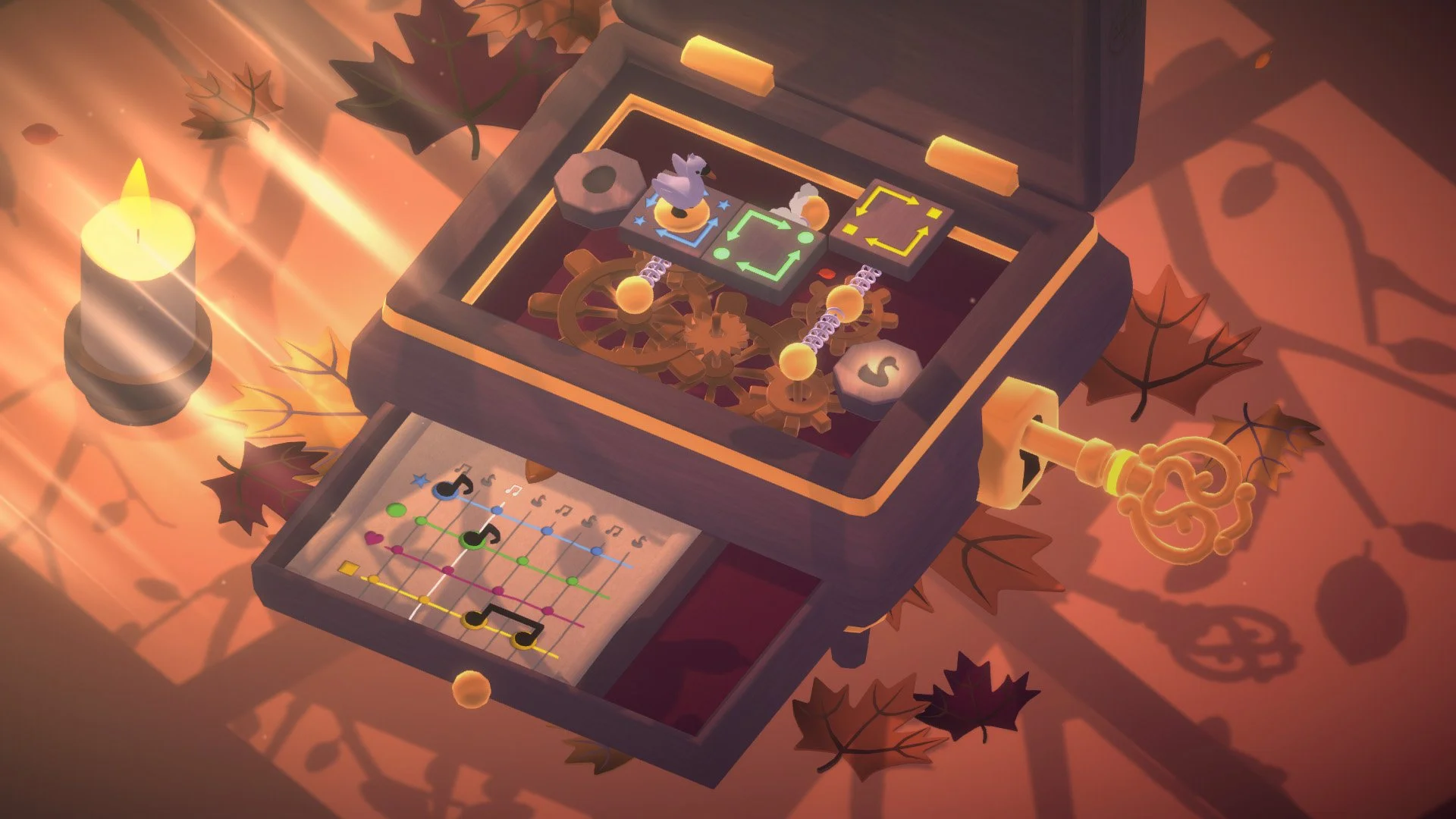
Speaking of the sound, another highlight is the soundtrack by Tee Lopes, Andrew One, and Sean Bialo. It’s best described as a modern take on Hideki Naganuma’s work on Jet Set Radio, combining hip-hop, breakbeat, pop, and electronica but with a bevy of special guest composers too. I know some people would go wild to hear new songs by Shoji Meguro (Persona 3), Takenobu Mitsuyoshi (Shenmue), and 2Mello (Demon Tides) here, but even if you aren’t familiar with their work, just know the songs keep the energy pumping and never falter for a second. There is even a rhythm-based boss fight which was stellar as a sonic experience, though I didn’t like the gameplay all too much. Surprisingly, a train on a note highway doesn’t translate as well as a train in a skatepark.
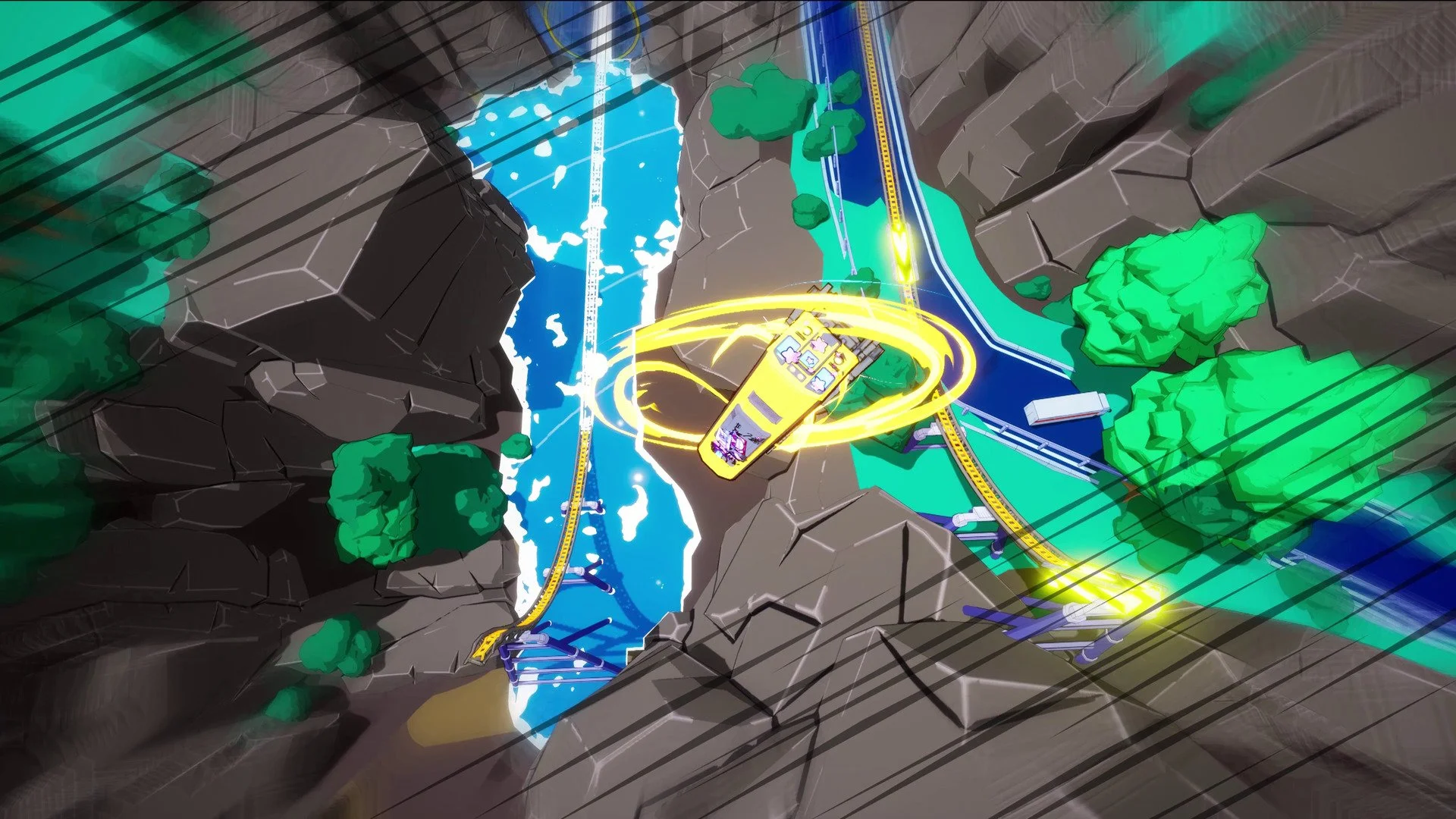
It takes a second, but once you can see the train as a stand-in for a skateboard, the deep trick system draws out that capital T-H Tony Hawk experience. The key differences are the linearity and level-based approach. Some of the levels are simple blasts to the end, in which you try to complete as many objectives as possible along the way. Others take the form of races, while a third kind are loops where players drive the train around an area until certain environmental objectives are finished. The latter are the closest to your classic Tony Hawk career modes, though clearly the size and nature of a train brings about new challenges that developer Undercoders had to answer in its own way.
Instead of the linearity feeling limiting, like the Downhill Jam level in Tony Hawk’s Pro Skater, in Denshattack! it feels exciting. I believe this is in part because there are so many levels to see, so many set pieces and different environments, that you never get too bored on one level. Think about a new skating game taking this approach, offering sixty different places to stop along a tour of North America. These levels would need to be shorter and more contained, but they would offer a different vision focused on skating in the coolest places, strung together far more cohesively than any one skating game has done before. Denshattack! is very much the blueprint for what that could be.
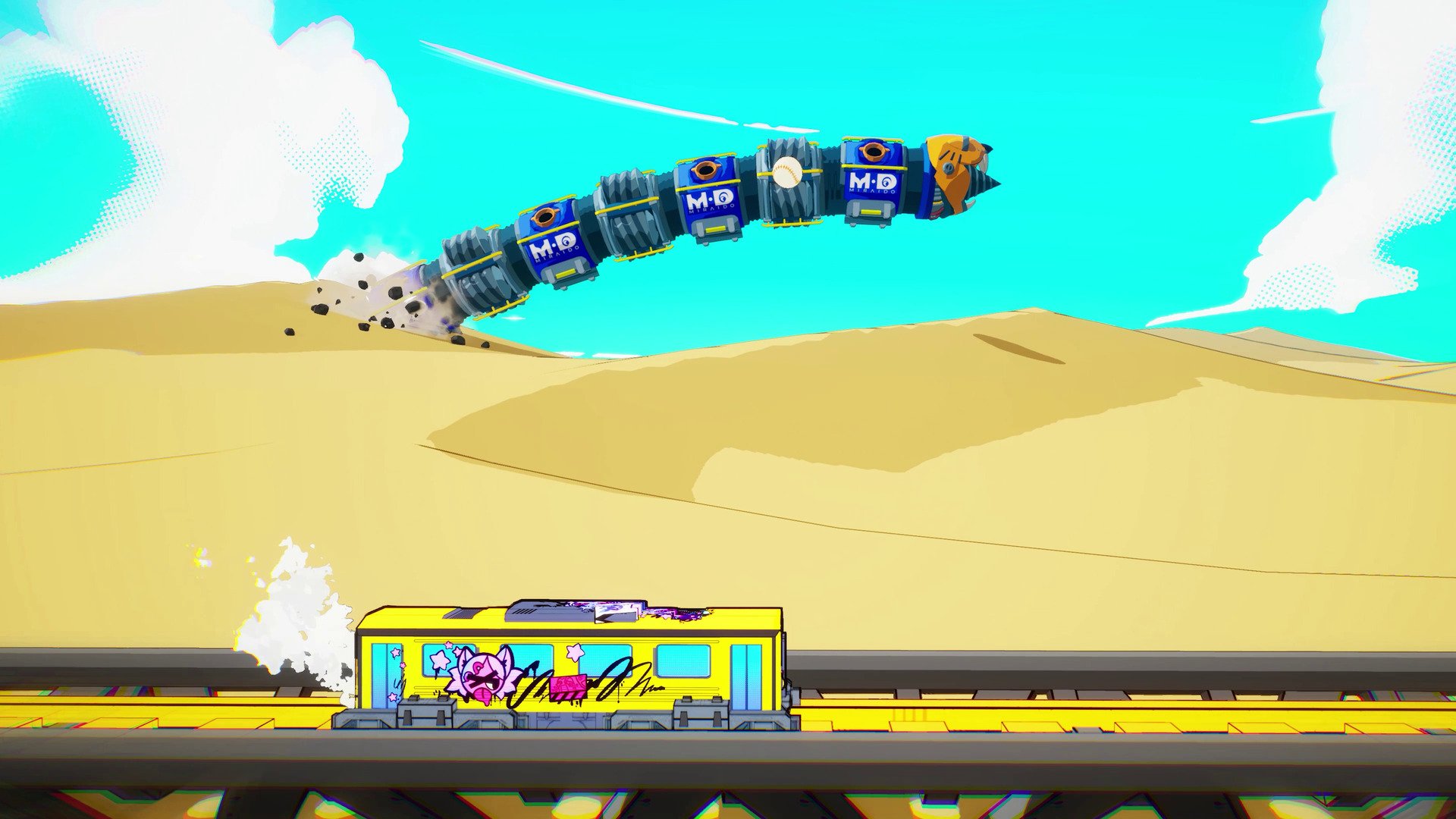
There’s also a good amount of unlocks provided by grabbing different items in each level. New train models can give you a variety of buffs and debuffs to enhance your specific Denshattack style, while stickers offer fun cosmetic designs much like skins. I enjoyed unlocking the stickers more than the additional train models because Emi’s first train was the sort of thing that felt good in most situations, whereas the tradeoffs of other models were often too much for me to be interested in.
I have to appreciate Undercoders for coming out of left field with a game like this. It feels like the right concept at the right time, filling a void I didn’t even know my gaming life had. It’s colourful, it sounds fantastic, and the baseline gameplay is unequivocally fun. I have some problems with the lack of cutscene animations and choices for certain boss levels, but this gets so much right in its first attempt, I would love to see what Undercoders does with a sequel. It took Tony Hawk until Pro Skater 3 to nail every aspect it needed twenty-five years ago and Denshattack! gets pretty damn far. As it is, Denshattack! is in an amazing spot. It’s one of the most interesting games to pop up in 2026, and worthy of your time.
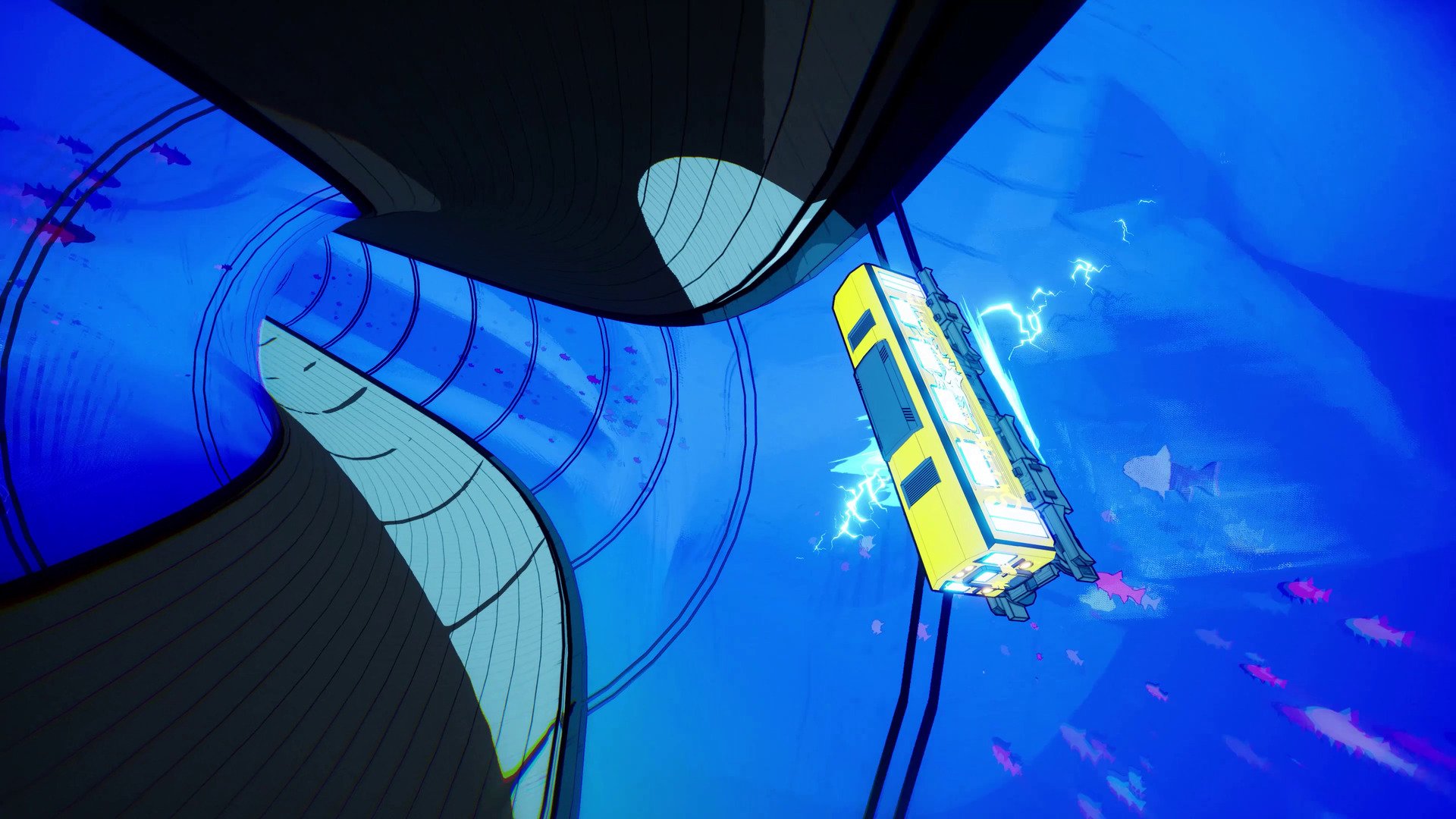
Denshattack! was played on PS5 using a code provided by the publisher.