Review | Mixtape - The Greatest Hits
Stacey Rockford, the protagonist of Mixtape, the new game by Beethoven and Dinosaur, never takes off her headphones. Music gives her life meaning; without it, she feels directionless. She explains to Cass, her best friend, that songs are a compass in her life “because the music’s going somewhere, and you’re going with it.”
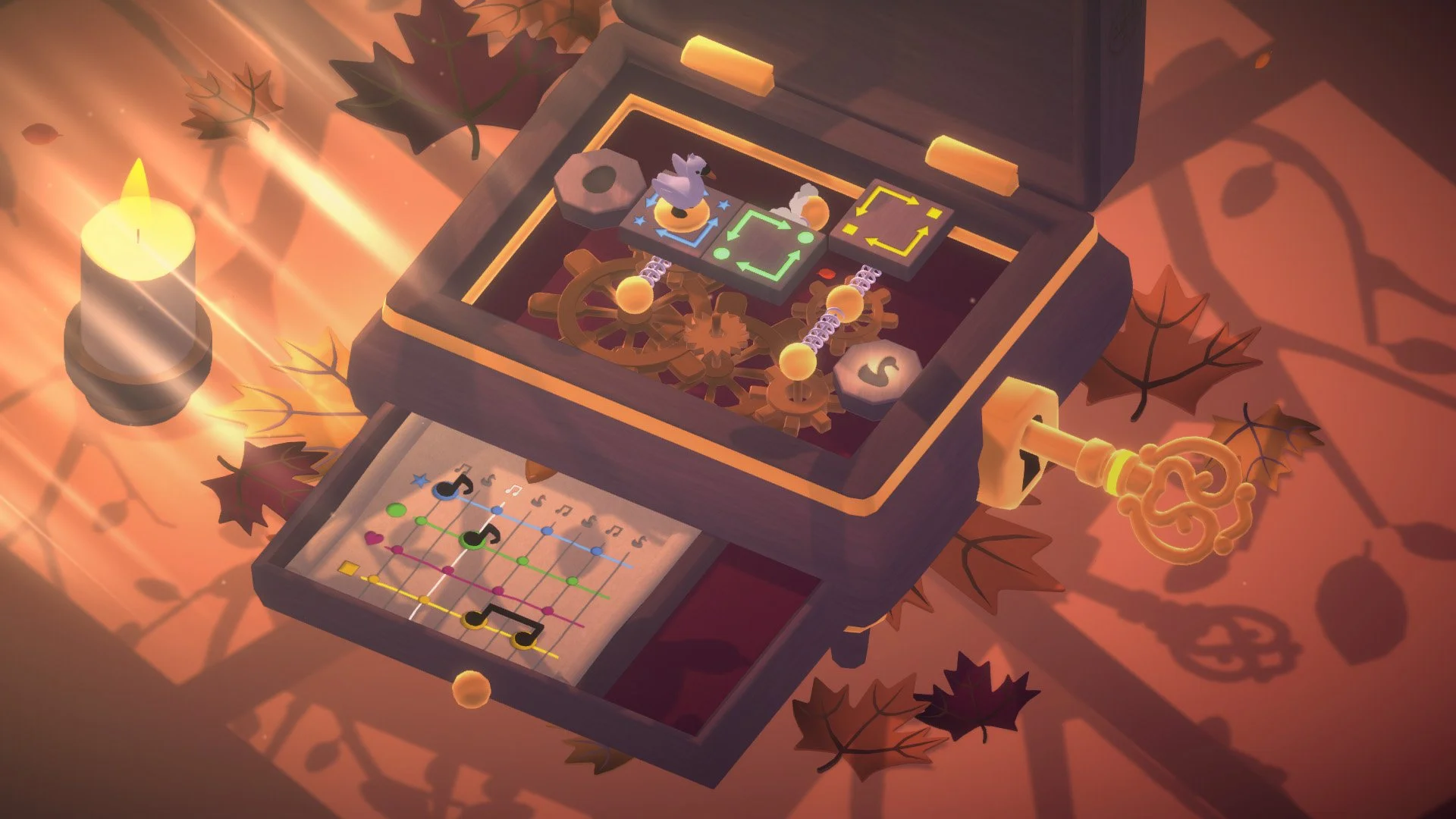
This happens in the first 30 minutes of Mixtape, when you can already identify the phrase as a kind of manifesto about the game. It’s right there in the title: since its reveal almost two years ago, Mixtape has been presented as a collection of playable music videos, something akin to a Sayonara Wild Hearts written by John Hughes. I was initially afraid that the soundtrack would be the game’s sole heart. Although there are only sporadic moments of expressive gameplay, which are nicely designed, I was pleasantly surprised by the quality of everything else.
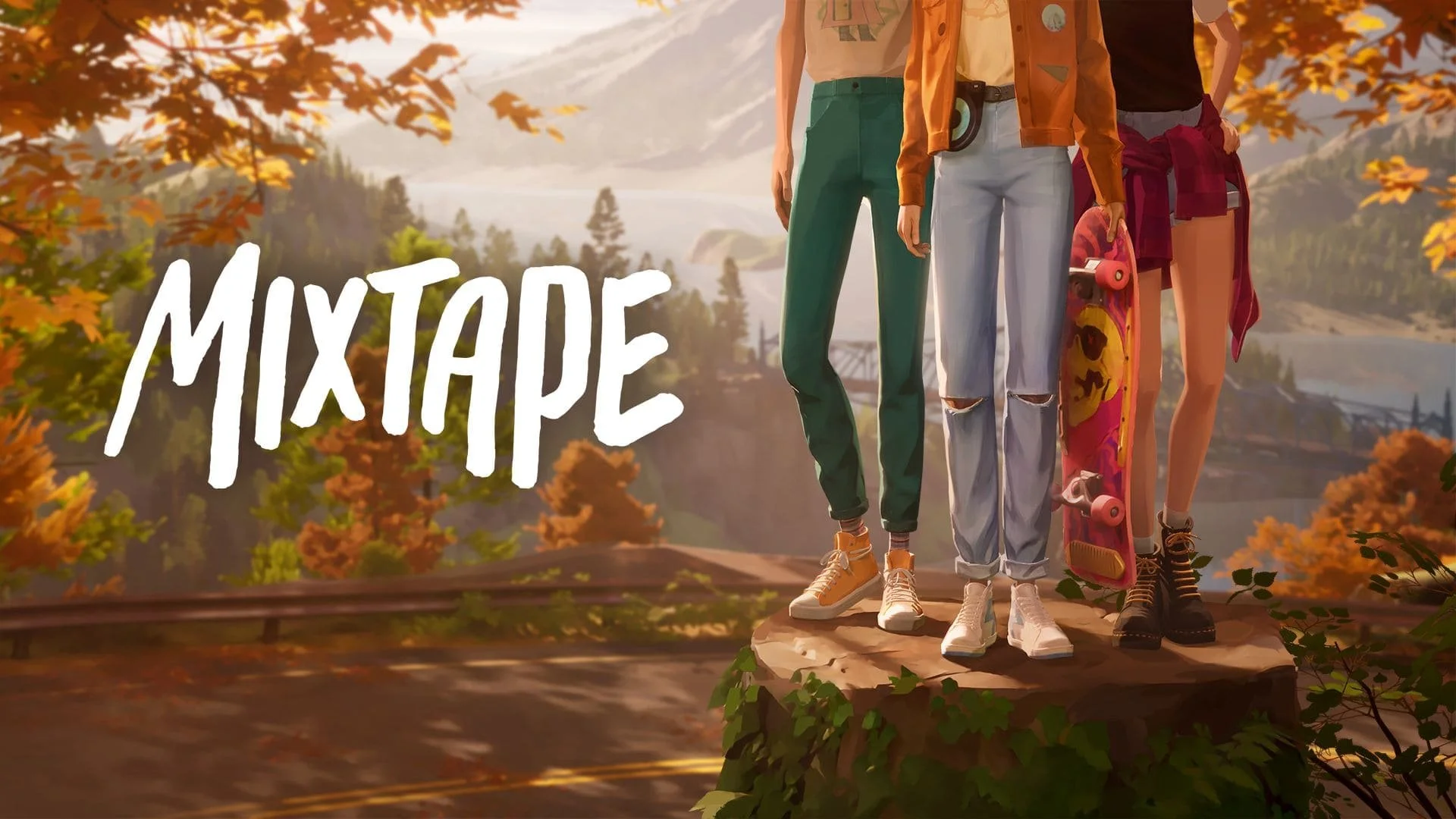
Mixtape takes place in the fictional Northern California town of Blue Moon Lagoon, sometime during the late ‘90s. It’s Stacey’s last night in town before leaving for New York to pursue her dreams of becoming a music supervisor (the person in charge of choosing which song plays in certain scenes in movies and TV). She has planned her whole evening with her best friends, Van Slater and Cassandra Morino, and, like any good music supervisor, she has prepared a special 22-track mixtape of “greatest hits” that perfectly suits each moment of her schedule.
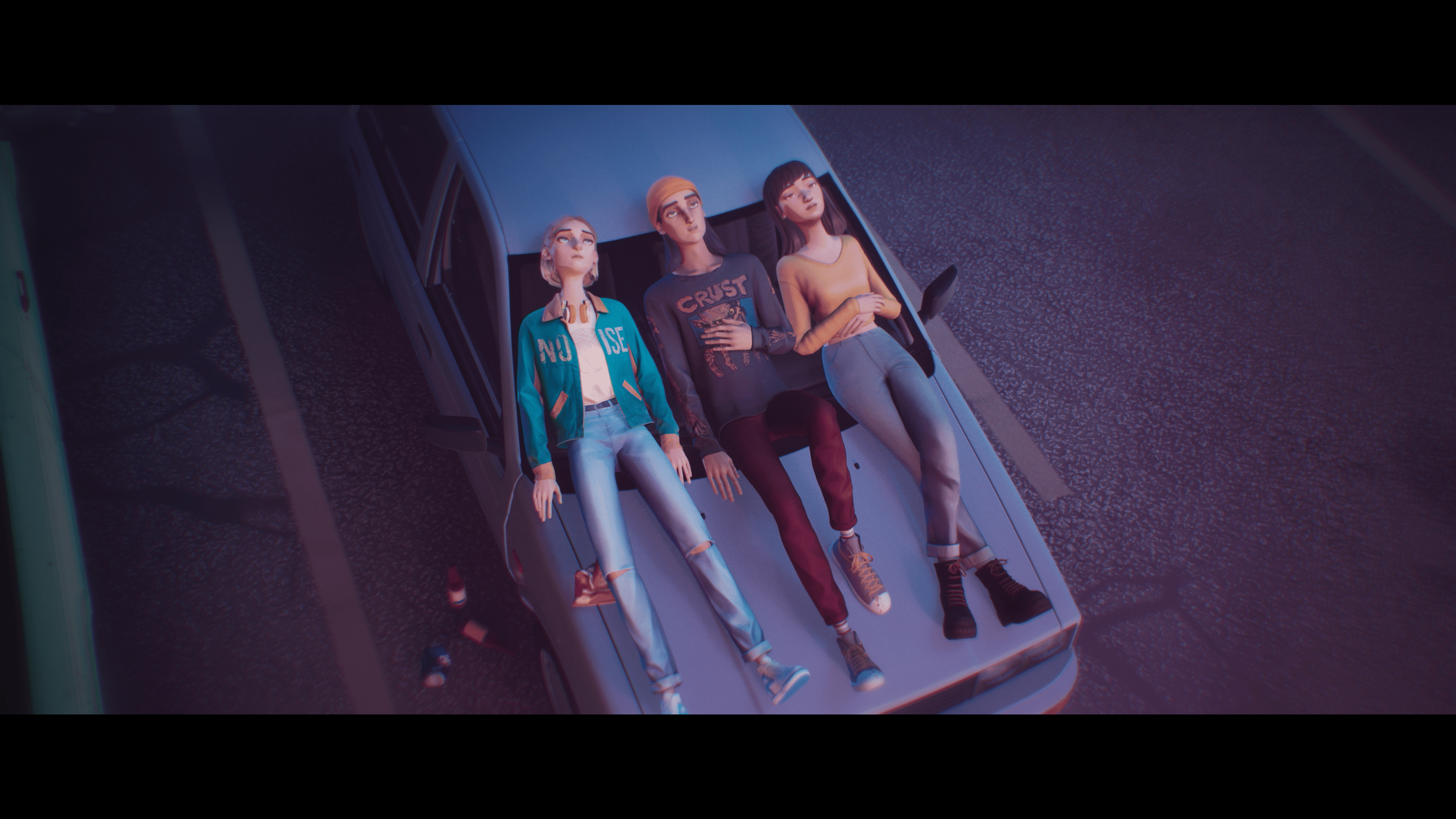
The trio is invited to Camille Cole’s beach party, to which every teenager in Blue Moon Lagoon will attend. The plan is to get booze from Stacey’s sister's room, then go to Cassandra’s house, pre-game at their secret hideout, and finally arrive beach-side at 9:45 PM. Of course, the plan quickly goes off the rails due to various complications, mainly involving Cass’s dad: a strict cop and an even stricter father. The ticking clock slowly becomes the catalyst for a lot of (not so) hidden feelings to rise to the surface, threatening to either deepen or destroy the character’s relationships.
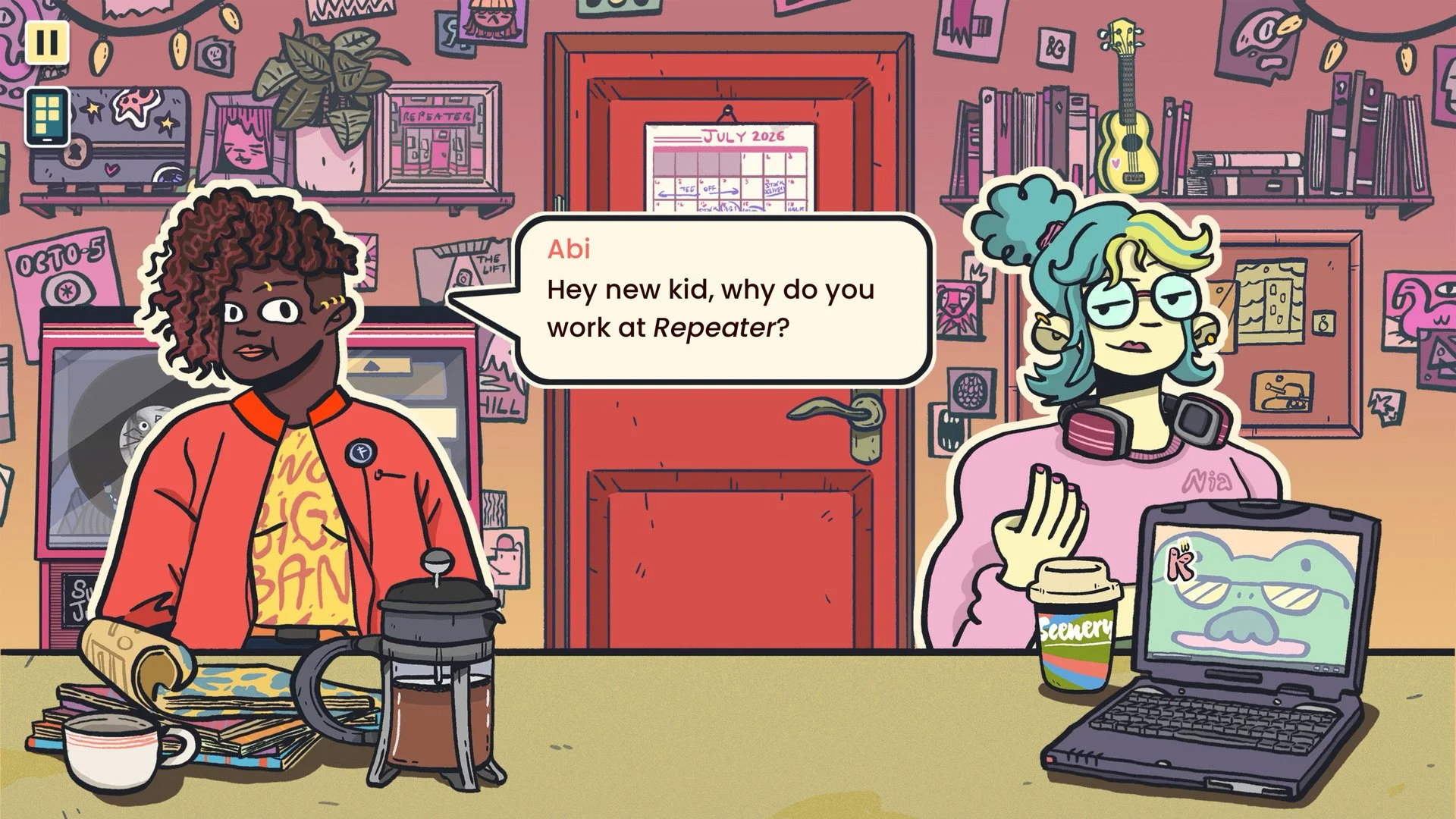
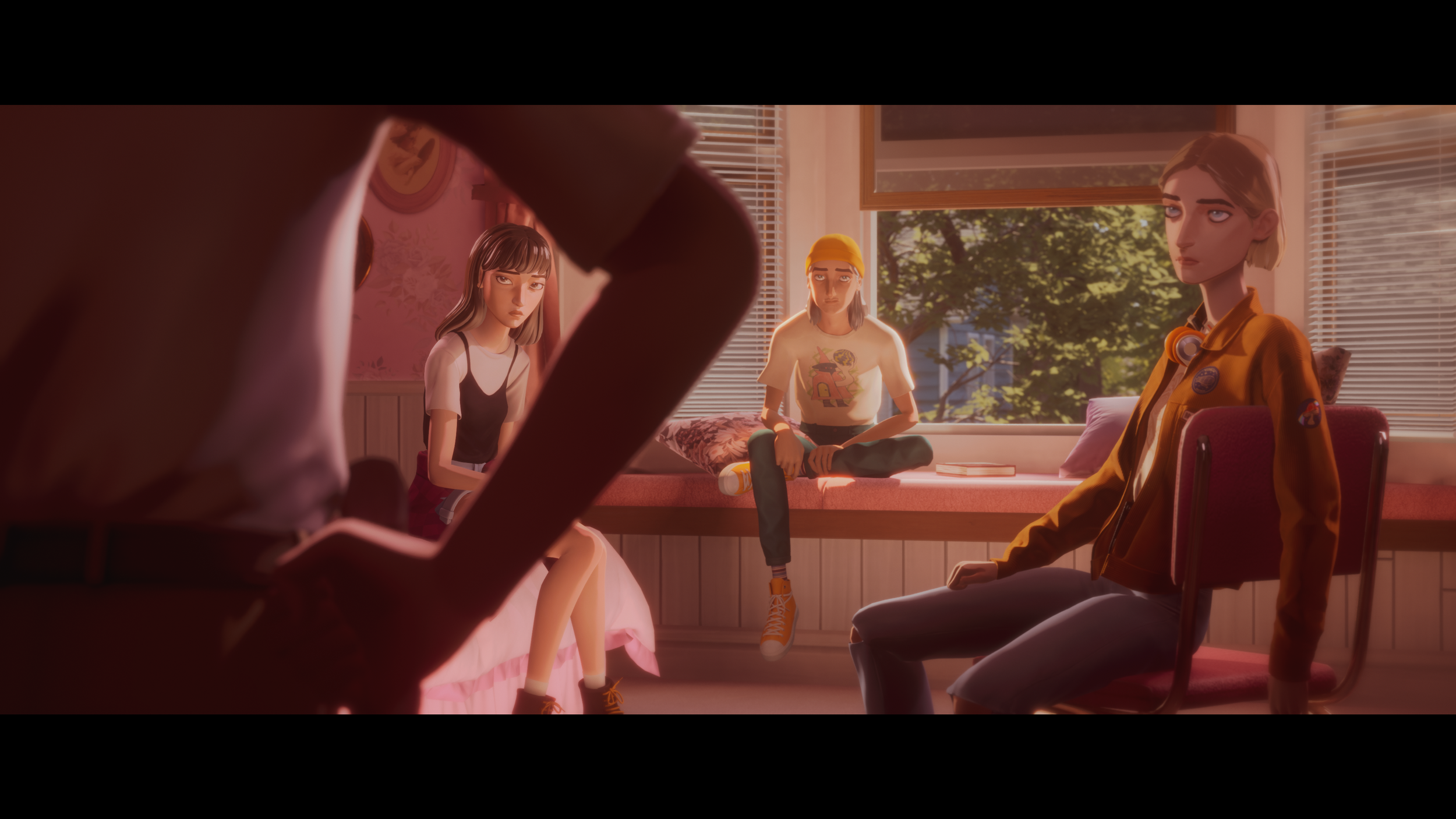
During each chapter, you can walk around as Stacey and interact with objects and her friends to listen to the characters talk about their experiences and give their opinions. The dialogue is what you expect from a coming-of-age movie, filled with sarcastic banter and quippy one-liners. It’s the kind of writing that is really hard to pull off without sounding cringy, especially with all the 4th wall breaks. But Mixtape manages to come across as sharp and charming, channelling more Diablo Cody from the film Juno than any ‘80s or ‘90s writers. It also employs elements of magical realism in some scenes, producing beautiful results and making the game stand out despite its very transparent influences.
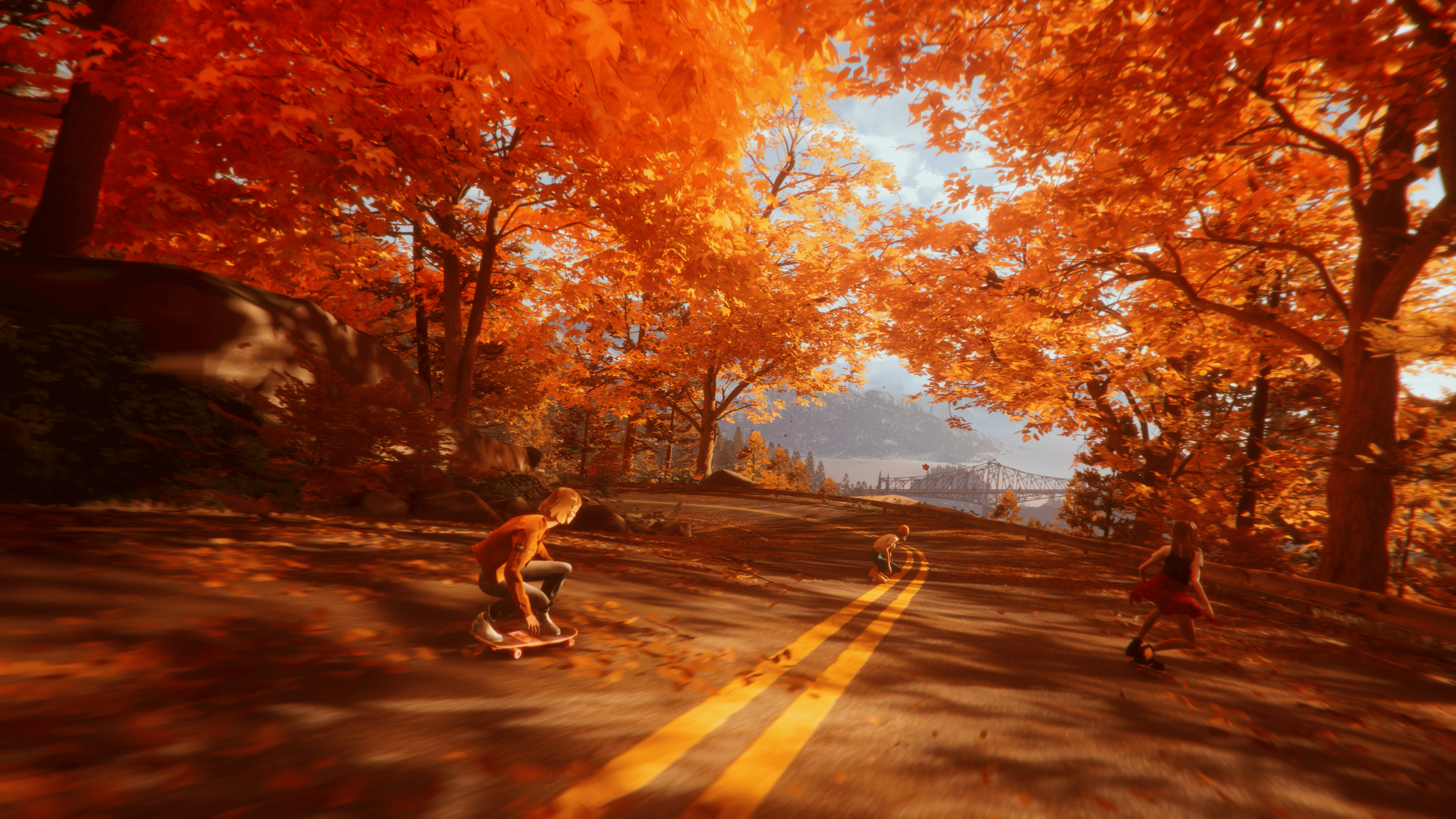
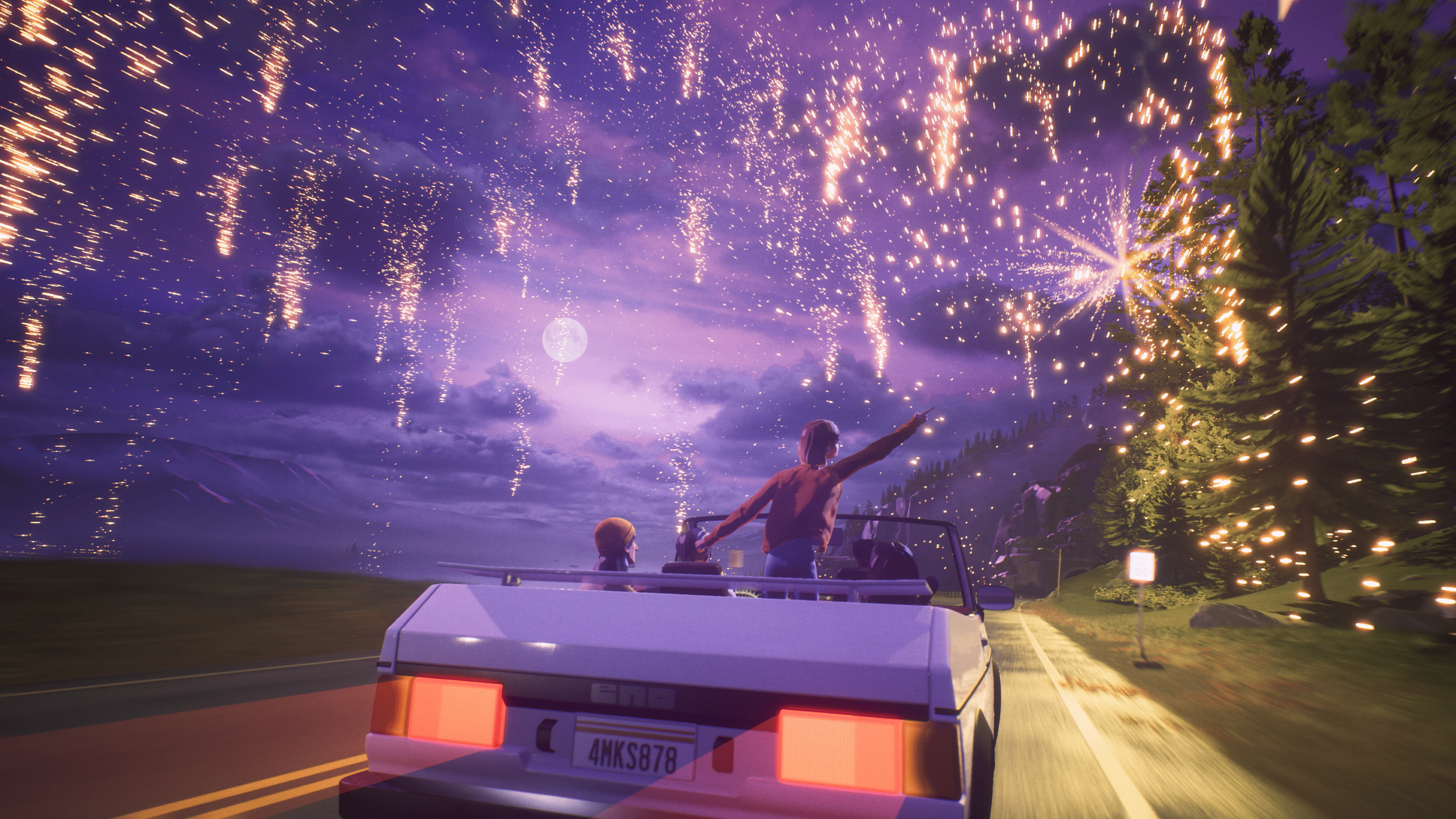
The game’s artistic direction is flawless. I’m particularly fond of the parts that use mixed media to establish context, employing real-life photos and videos. There’s an impactful attention to colour and lighting in each scene, whether in cinematics or gameplay moments, that puts Mixtape on par with the film industry’s best, think Spider-Verse or Arcane. It’s not as maximalist as those examples, but I think that works best for this kind of story, focusing more on character expression and body language to sell some great performances by the voice actors.
There has been a lot of discourse around the game, especially around its shallowness in its treatment of nostalgia and music choices. I'm Gen Z. I had only heard three or four songs in Stacey’s playlist, which I actually appreciated. The songs that were popular in the late ‘90s already carry a lot of cultural baggage, so the weird choices let me form unique emotional connections to each scene. Maybe I’m crazy, but it makes sense to me that a pretentious music freak like Stacey would pick songs from outside the mainstream. Now, if we’re talking about the game being inaccurate, Stacey wears her Koss Porta Pro headphones backwards, something I noticed while playing the game wearing the same headphones. Unacceptable.
People have complained about the game’s lack of gameplay and the lack of room for player expression through failstates and story choices. I ask myself if we’re going to have the same conversations around “walking simulators” and games that only lightly focus on the “interactive” part of interactive storytelling for as long as non-traditional game genres exist. For my part, I enjoyed all the minigames and found them well-proportioned to the rest of the experience. I would actually prefer to play the game all over again instead of 30 more minutes of unnecessary mini-games.
In fact, I want to highlight two gameplay moments. The first is the French kissing minigame, which lasts 20 seconds but feels like a whole damn minute, thanks to its disgusting mouth sounds and tongue physics. It’s the first minigame, besides skating to Stacey’s house, and it already sets the tone for how silly and inconsequential the gameplay will be, existing alongside the music to elevate the game’s narrative beats.
The second moment is perhaps unintentional, which makes it all the more special for me. One of the mini-games involves taking pictures with a Game Boy Camera-like device inside a dinosaur park during a flashback. For some reason, the lightning always hits Cass better than Slater, so I ended up taking a lot of pictures focused on her. Later in the game, at a point when Stacey and Cass have had an argument and split up, you go to Slater’s house and can look through the photos you took. Seeing Cass smiling before she knew what would eventually lead to the argument was surprisingly emotional. Sadly, the game doesn’t use the resource of player expression again to enhance how gameplay interacts with the dialogue and music, which I have to admit feels like a missed opportunity after seeing how effective this moment was.
Lastly, I want to address Mixtape’s treatment of nostalgia. For context, I’m a Latin American in my 20s living in a big city. In fact, my country is so centralised that almost everyone living in my city can be sure that their school friend group will stay here, probably forever. So stories about saying goodbye before leaving college have always felt distant and alien to me. John Hughes is not nostalgic for me, nor is Mixtape. It all reads as fantasy, more or less. And as with any fantastical setting, I try to take home what resonates with my experiences.
That’s why I connected so much with these three teenagers, who I would find extremely annoying in real life. As much as it serves as its compass, music is not the meaning of Mixtape’s emotional climax. The trio is. The game is about making the most of your time with your best friends, especially when that time is running out. It is about the joy of seeing them become adults and getting to know them better as people. I would’ve liked to see Cass and Slater be more fleshed out, but what we get in such a short runtime is some great character work.
Now, by no means do I want to imply that the discourse around Mixtape is silly or unnecessary. On the contrary, I agree that the game’s nostalgia is nonsense, that it would’ve been better if the devs had portrayed their own childhoods instead of trying to emulate an American one they never had. I recognise that one of the biggest reasons this game is so easy to love is that it is completely toothless, one of the worst things a work of art can be. The game executes everything so perfectly because, frankly, it tries so little.
Still, despite all the ways it fails to say anything particularly meaningful, I had a great time with the game. Its memorable characters, sharp dialogue, excellent performances, and beautiful, expressive visuals come together in a series of short but charming gameplay vignettes that I think will resonate with most players, gamers or not. This one will not push the medium forward, but right now, Mixtape is one of the best ways to spend your afternoon.
Mixtape was played on PC using a code provided by the publisher.
![[PATREON UNLOCK] Update Patch - April 2026](https://images.squarespace-cdn.com/content/v1/5caf2dea93a63238c9069ba4/1778437553882-SXORKFZOGHHGMV8BT7L2/Update+Patch+Week+0.jpg)