Brasil Game Show Interview | The Posthumous Investigation Helps Bring Brazilian Literature to the Global Stage
The Brazilian indie scene is a lovely place to be. Plenty of games made on these shores have crossed over to international audiences: Kotaku called Unsighted the best metroidvania of 2021 (yes, the year of Metroid Dread), Mothership gushed over Hell Clock’s exploring of the Canudos War in Bahia, and the Brazilian Drug Dealer series, despite its deeply regional humour, blew the minds of boomer shooter fans (and fans-to-be) everywhere.
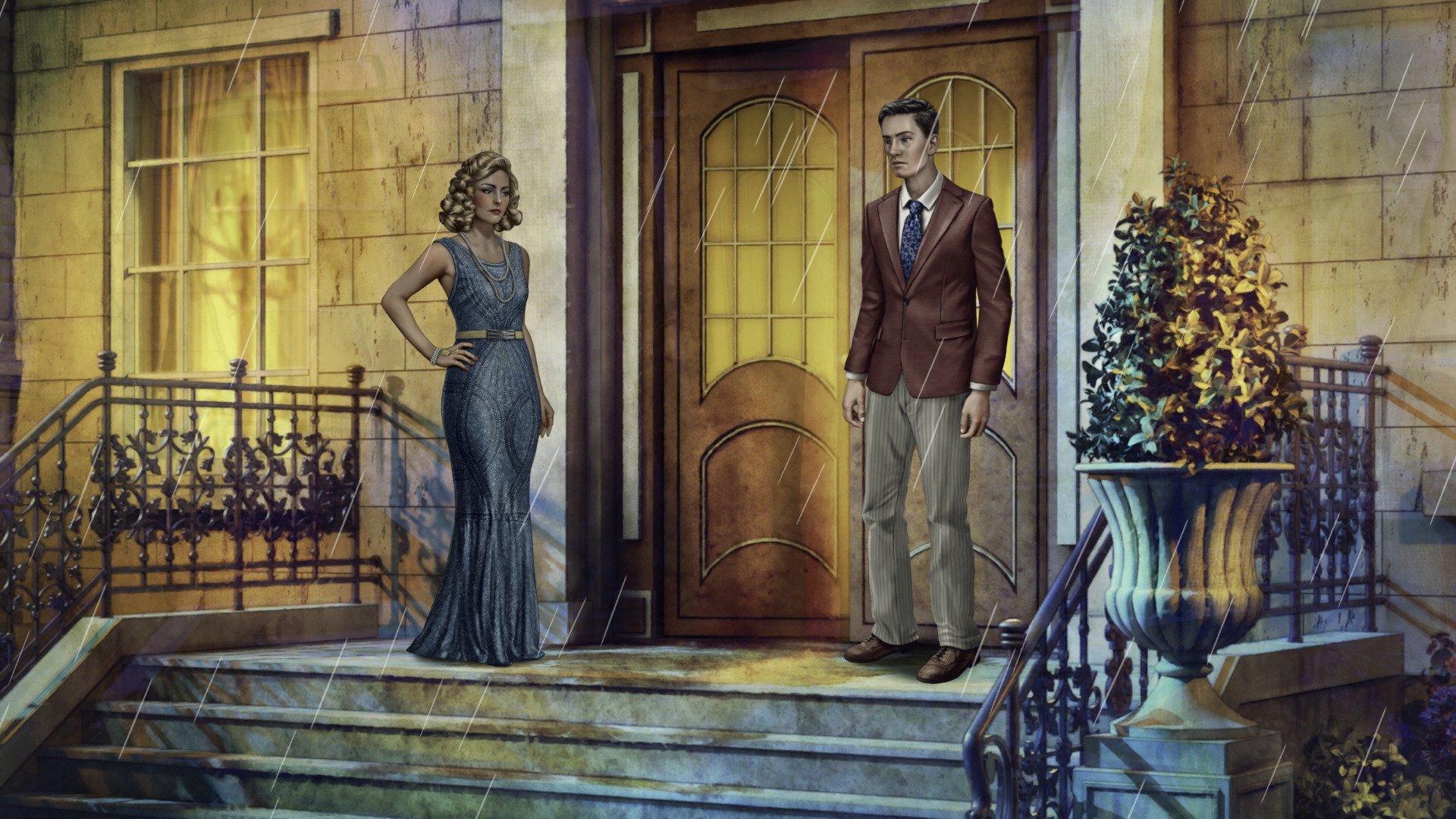
The latest game to join that crop of worldwide acclaim is The Posthumous Investigation, a mystery adventure game by studio Mother Gaia based on the works of legendary Brazilian author Machado de Assis, particularly The Posthumous Memoirs of Brás Cubas, first published in 1881 and a required reading in most Brazilian high schools.
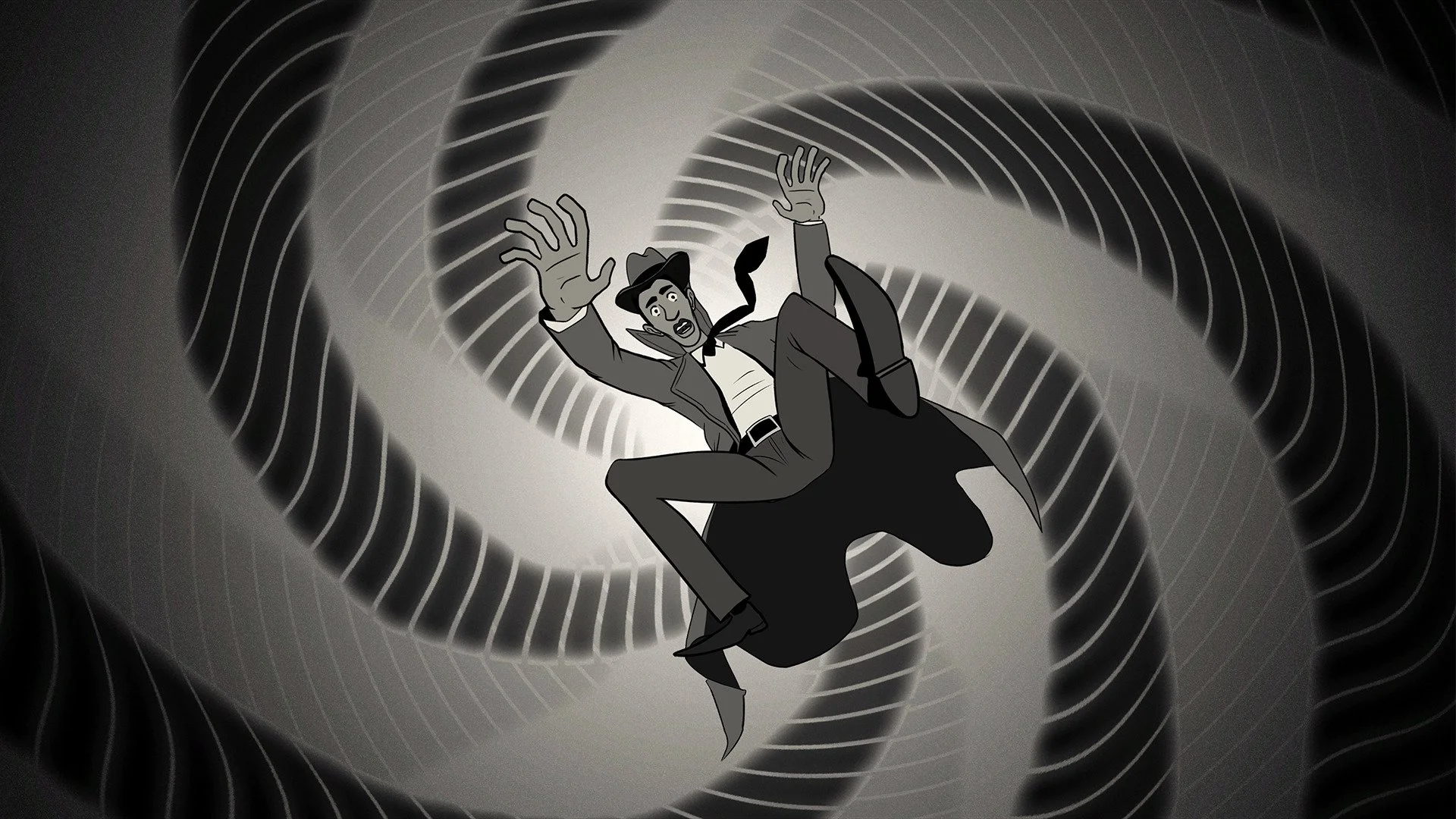
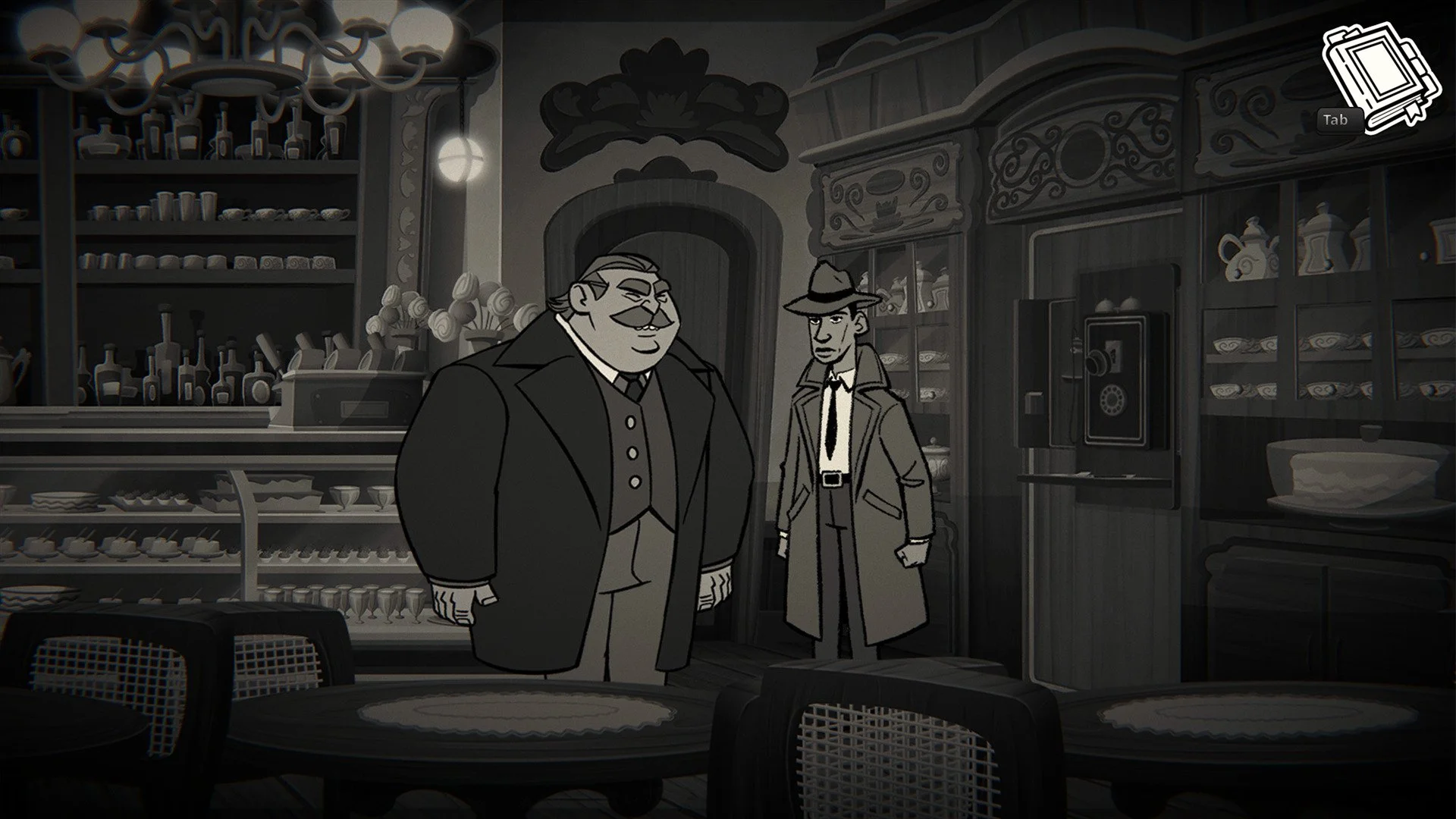
You play as a down-on-his-luck detective trapped in a time loop by eccentric millionaire Brás Cubas, a man who contacts you from beyond the grave to work out the cause of his own death. Knowledge is transferrable across runs, but items are not, necessitating careful time management in order to reach the truth.
At Brasil Game Show in São Paulo, startmenu had a chat with project director Bruno Toledo about the challenges of adapting classics, adventure game audiences, and more.
This interview was conducted in Portuguese and translated by the author. Questions and answers have been edited for clarity.
The prose of your game is based on a work of classic literature, but it’s geared towards a modern audience. How does one balance these two aspects? What were the biggest challenges found in doing so?
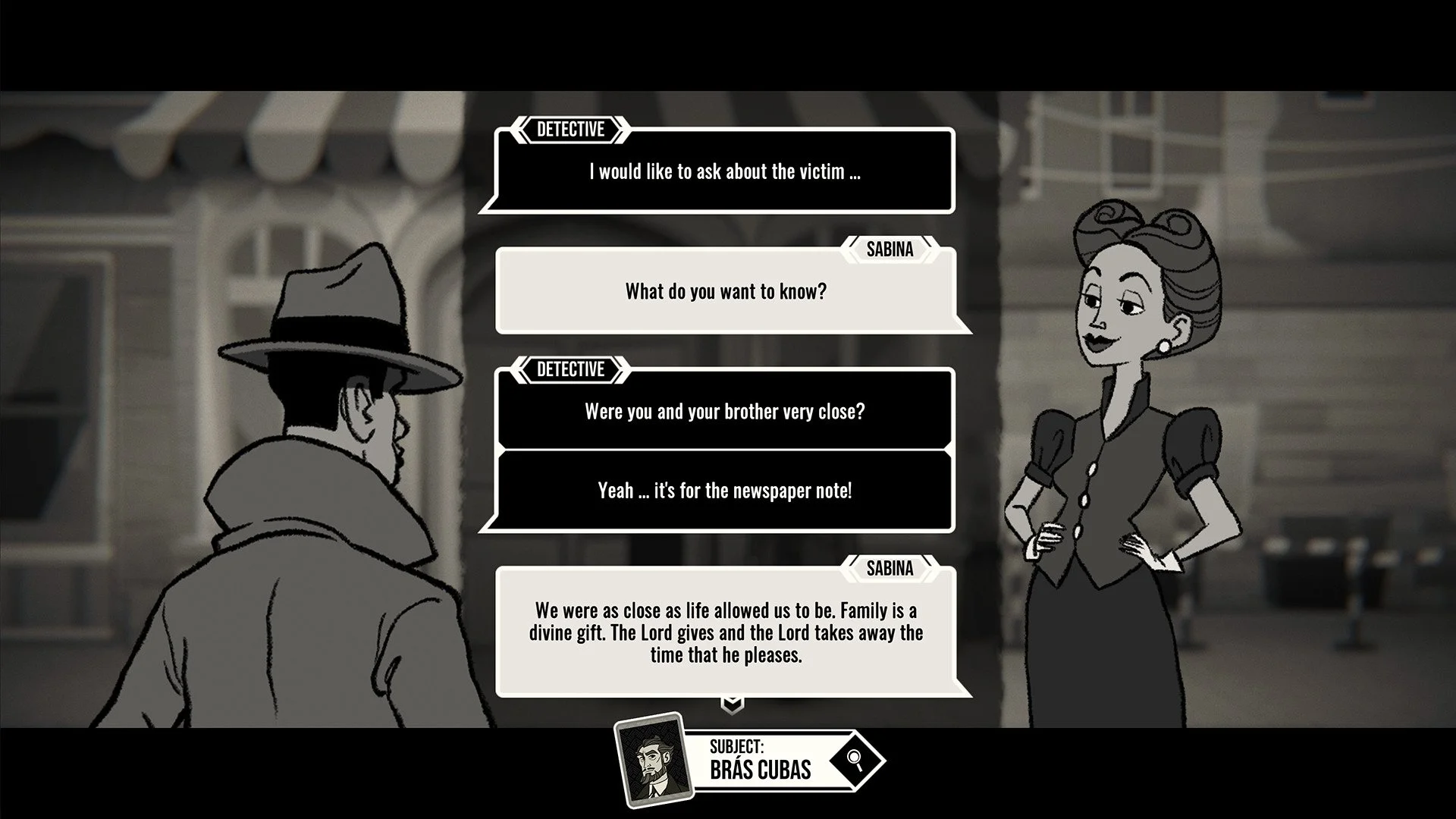
We discussed and reflected on this during development. At first, the prose was going to pull more from the works of Machado de Assis, who uses very elaborate language, but we wanted a broader audience, including younger people who may have ended up finding that language harder to parse, so the dialogue was made more accessible.
We did keep a handful of archaic terms to establish an older setting, as a middle ground, and decided to keep most of them to the dialogue of Brás Cubas. His personality is that of someone who wants to come across as intelligent, so he likes to use a lot of big words. It ends up making him stand out among the cast, too.
Currently, mystery adventure games across the globe are having a really good moment. Classic franchises like Danganronpa and Professor Layton are coming back, and there’s been a lot of new original works based on those classics as well. Why do you think this genre is so popular right now?
I think trends come and go all the time, in sort of a natural movement. As some genres or themes spawn a lot of similar games at once and become forgotten by the public, people feel more of a need to move elsewhere, so they rediscover and reacquaint themselves with other genres, and the tides shift. This ended up helping us as well. We were in the right place at the right time, right as narrative games got that boost in popularity.
Any other non-Machado Brazilian classics you plan on adapting?
We’ve got lots of ideas, but since this one project took us five years, we’ll keep our cards close to our chest; what if someone else ends up using the same book before we get to announce our own game? Making a narrative game based on a novel is a huge undertaking, but we also had a lot of fun and liked how it turned out, so we’re definitely interested in doing this again.
We’re also open to lots of possibilities other than Brazilian classics, such as adapting international literature or even works by novice, up-and-coming authors. Nothing’s set in stone just yet, but we’re chatting internally about ideas like these.
I think The Tenement [by Aluísio Azevedo, a book from 1890 about a large community living on occupied land] could be a good choice.
Is that so? (Laughs.)
I saw your game made it to Tokyo Game Show in 2025 with a Japanese-language version. What was the response of the overseas public to such a strongly Brazilian title?
It was a very curious one, because we’re usually very nervous about bringing narrative games to events like that; we already know that they require a higher level of attention and engagement from players. It turned out to be a hit with Brazilian audiences, so we decided to take it abroad, to places like San Francisco and then Japan.
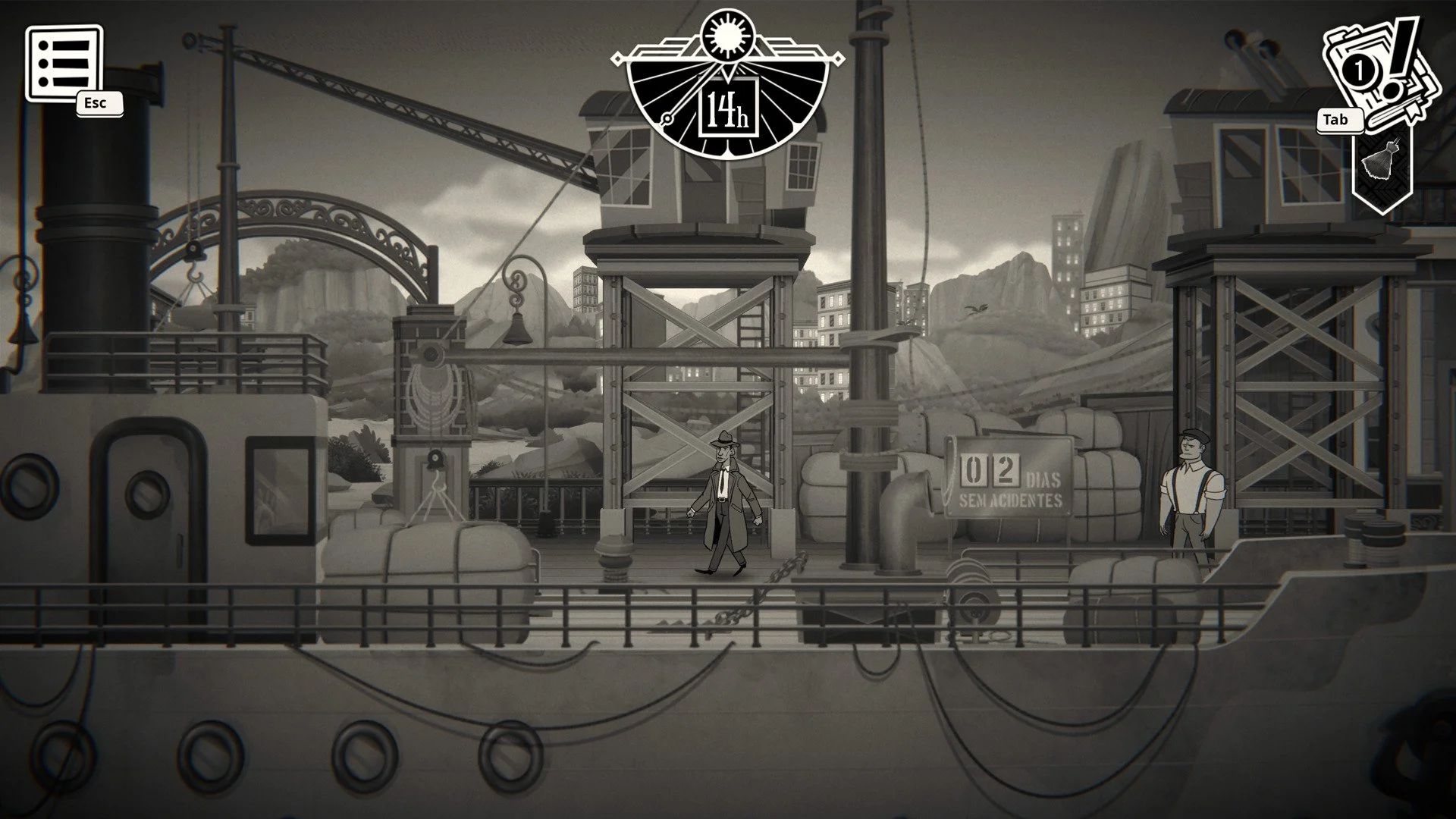
The sign in Brazilian Portuguese reads “02 days without [workplace] accidents”.
Going to Japan was especially nice because Japanese gamers really love mysteries and story-based outings like ours, and they were especially impressed by the touch of Brazilian culture we had, so we got a very good response from just the demo we brought. It was so good we decided we had to localise the entire thing into Japanese, and because of that we had to delay the global launch by a bit.
We also took the opportunity to bring it over again for this year’s Tokyo Game Show, now with the Nintendo Switch version. The Switch is huge in Japan, so we ended up releasing both the Switch port and the mobile port at TGS. Our booth also had a typewriter we adapted for the Switch, so there was this extra gimmick that attracted visitors.
Your games all have different gameplay styles, from the more arcade-y and mobile-facing model of your previous title Slash Quest to the mystery narrative of The Posthumous Investigation. I’ve also heard you’re developing a 3D platformer currently. With such constant reinvention going on in the studio, how’s the workflow?
It’s going great! (Laughs.) We always try to innovate and look for different paths during development. Even with Slash Quest: The King Kabbage Mystery, which is our upcoming game and the first time we’ve ever done a sequel, we decided to pivot from 2D to a 3D platformer, so we could explore new possibilities and overcome new challenges. We gave the main character more skills, too, in an effort to keep things from feeling “samey”.
To us, even if what we have going on currently is good, the next entry has to do something different. We have fun doing things like this. Even though we don’t get to reuse a lot of assets between projects, and the game design and sometimes even the art direction are totally different, what carries over is our knowledge. In a certain way, this stimulates the team, it makes us eager to always be innovating and participating. Everyone gets to contribute in meetings, the discussions we have are very horizontal. This diversity of thought is what gets all these completely different ideas to come out.
Any Brazilian games to recommend to foreigners looking to get into the scene?
Hell Clock is pretty cool. Porcunipine, the first game from the studio who worked on Slash Quest with us, is also very fun. There’s the classics as well, like Dandara and Unsighted. I think keeping an eye on the Brazilian indie scene is important, because these days even debut games have been so good! For us [at Mother Gaia] to make a good game, it takes a long time, and then we see all those people just come right out of the gate with great games…!
It’s very good to see our national industry evolving, getting all these interesting games with such high cultural impact. It shows Brazilians can make games and make them well, and it also supplies a need our local public has for Brazilian art.
Of course we export our work and show it to the external market, to the world, but it’s nice when people right here in Brazil get access to a game that’s about their own culture, and that’s also fun and well-made. This has been happening more and more over the years.
The Posthumous Investigation is currently available on PC, Nintendo Switch, Android, and iOS.