Review ┃ Control Resonant - Opperating at a Different Frequency
I struggled to write this review. The games developed by Remedy often take such big swings, both in structure and gameplay elements. The overarching universe built by the developers across both Alan Wake and Control has been one of my favorite narratives in gaming. These mysterious and compelling stories filled with supernatural elements and shady governmental agencies trying to make sense of the paranatural, paired with grounded characters who are trying to do the right thing despite their flaws is what I find most engaging — and it is what Remedy games excel at. I had such high hopes for Control Resonant, with it being the follow-up to one of my favorite games of all time. So, I was highly optimistic to see what was in store for Control Resonant.
When I first jumped into Resonant, I was ecstatic. Yet as I played more and more, that enthusiasm waned. I really wanted to love this game more than I did, but the core gameplay loop of Control Resonant is ultimately what wore me down despite how much I still care about this world. And that’s what made me so conflicted when I finally sat down to write my thoughts.
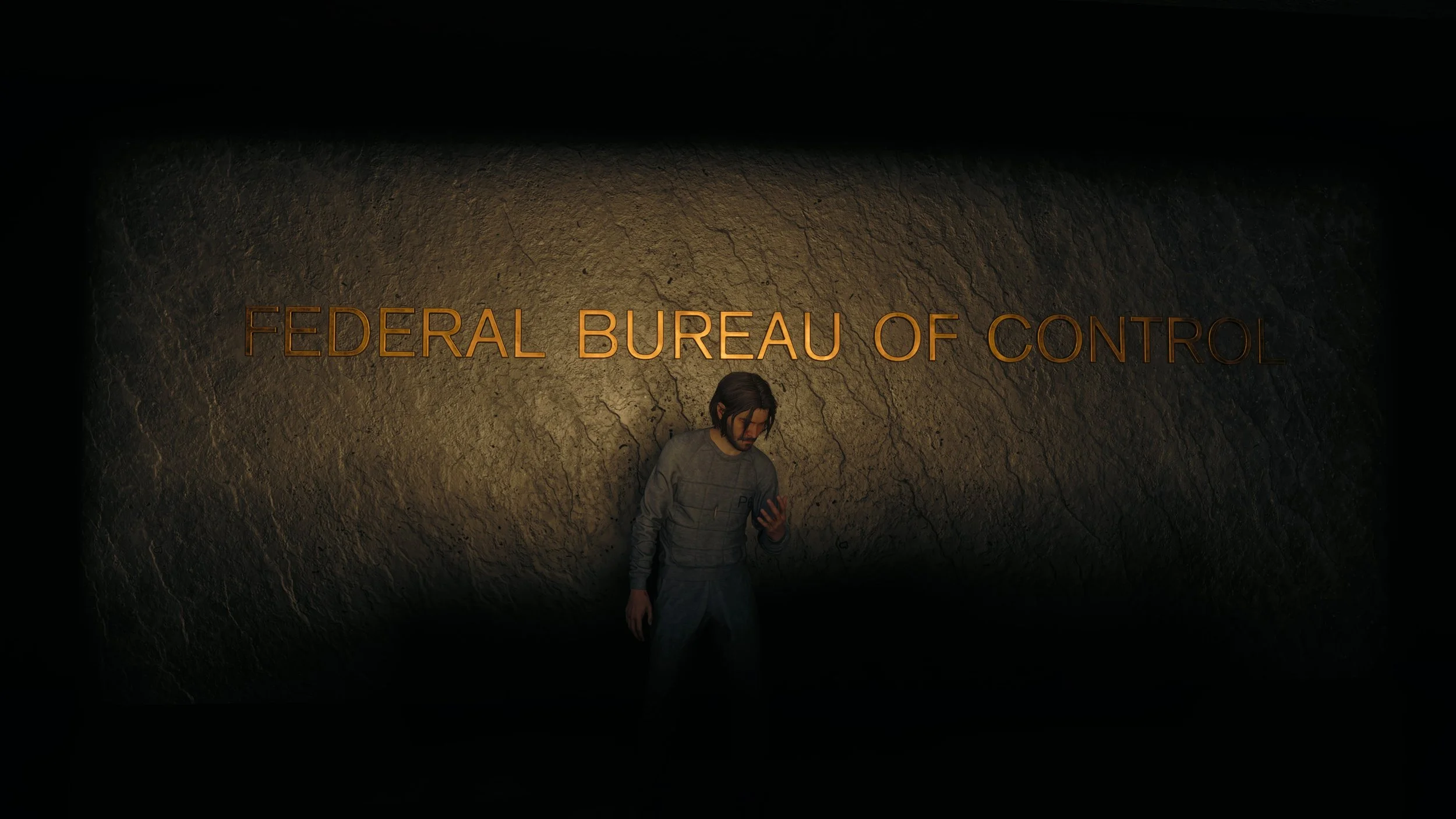
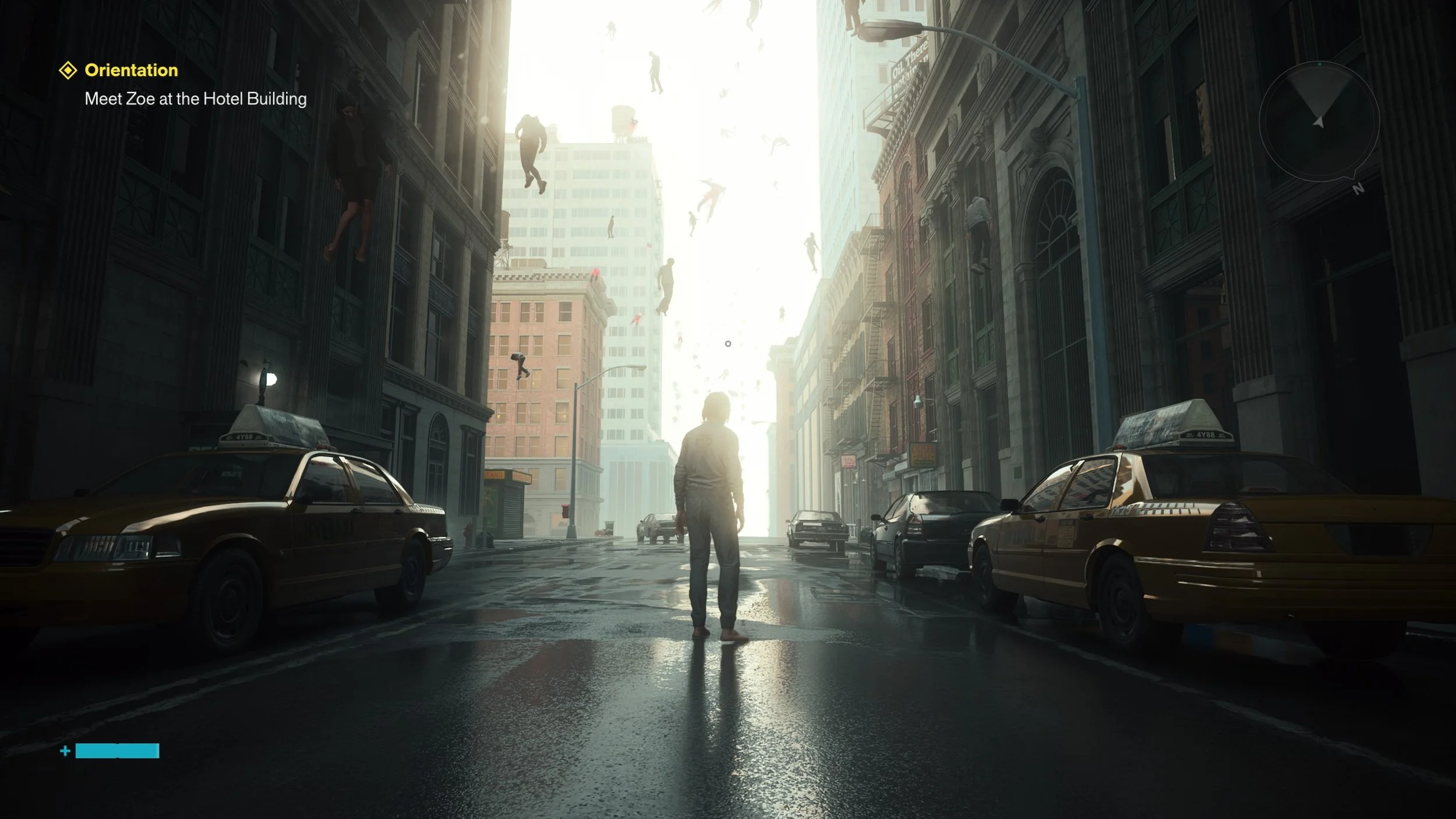
It’s been seven years since we last checked in with the happenings at the Oldest House, the headquarters of the Federal Bureau of Control (FBC) — which is exactly how much time has actually passed between the Control games. Jesse Faden has gone MIA, waking her brother, Dylan, before she departs by driving The Aberrant through his chest. Dylan wakes up in a daze, not knowing what happened and wondering why the FBC headquarters is void of all people except him. As Dylan leaves the Oldest House, he discovers the Hiss (a paranatural force that spread that once controlled him) broke out of its containment within the headquarters and is now running rampant throughout Manhattan, New York.
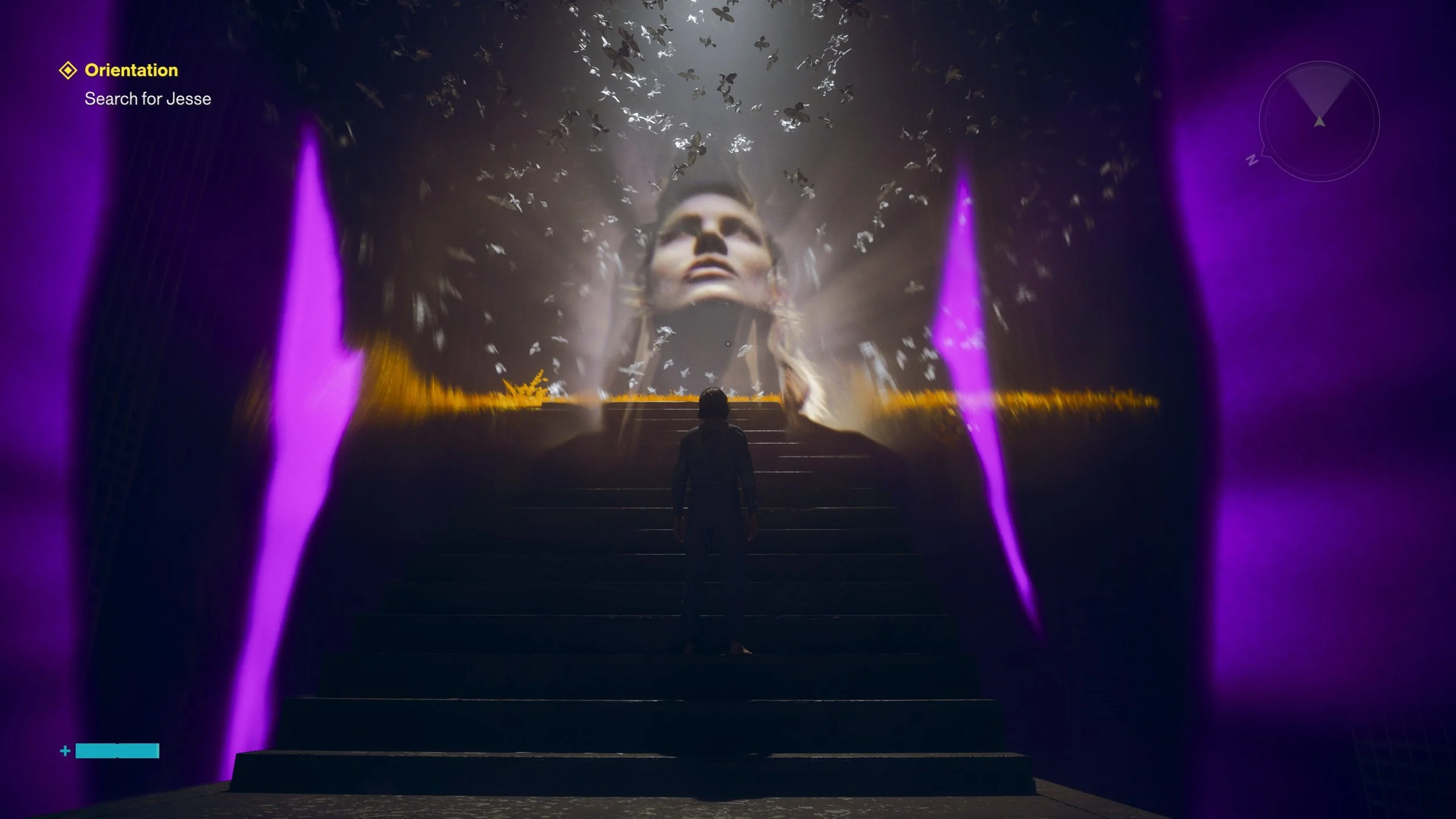
Control Resonant introduces a mesmerizing new enemy to the plot referred to as The Patterning — another paranatural force that is hell-bent on stopping The Hiss, but is equally destructive to the world. Its powers result in random voids of nothingness as it breaks down the laws of physics, leaving large gaps in the streets of Manhattan and parts of the city double (and triple) covering into itself as it folds and contorts.
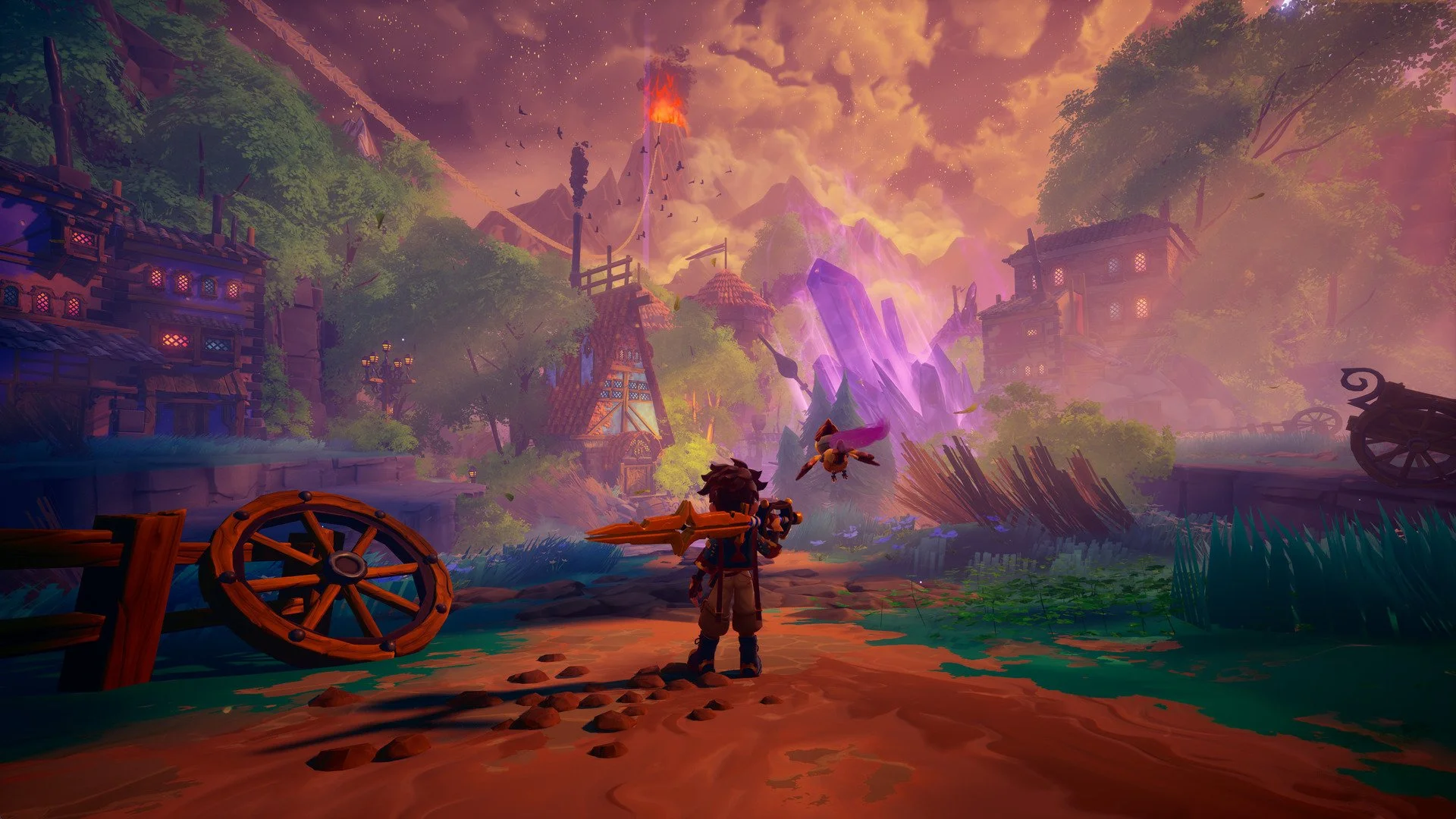
This game is Remedy’s spin on the open-world formula. As soon as you “escape” the empty Oldest House, you’re dropped into the world — which is more of an “open zone” due to how the map boundaries define each district. Each zone is crafted with a respectable amount of things to do, but never to the point of feeling overwhelmed, nor does the game cover your map in so many markers that you feel the need to “declutter” it. As you navigate throughout the world to the quest objectives, you’ll encounter quick missions such as “help defend the location” or “pick up the air drop”, side quests that have story beats that are (sometimes) more interesting than the main quest, and feature (too) many waves of enemies.
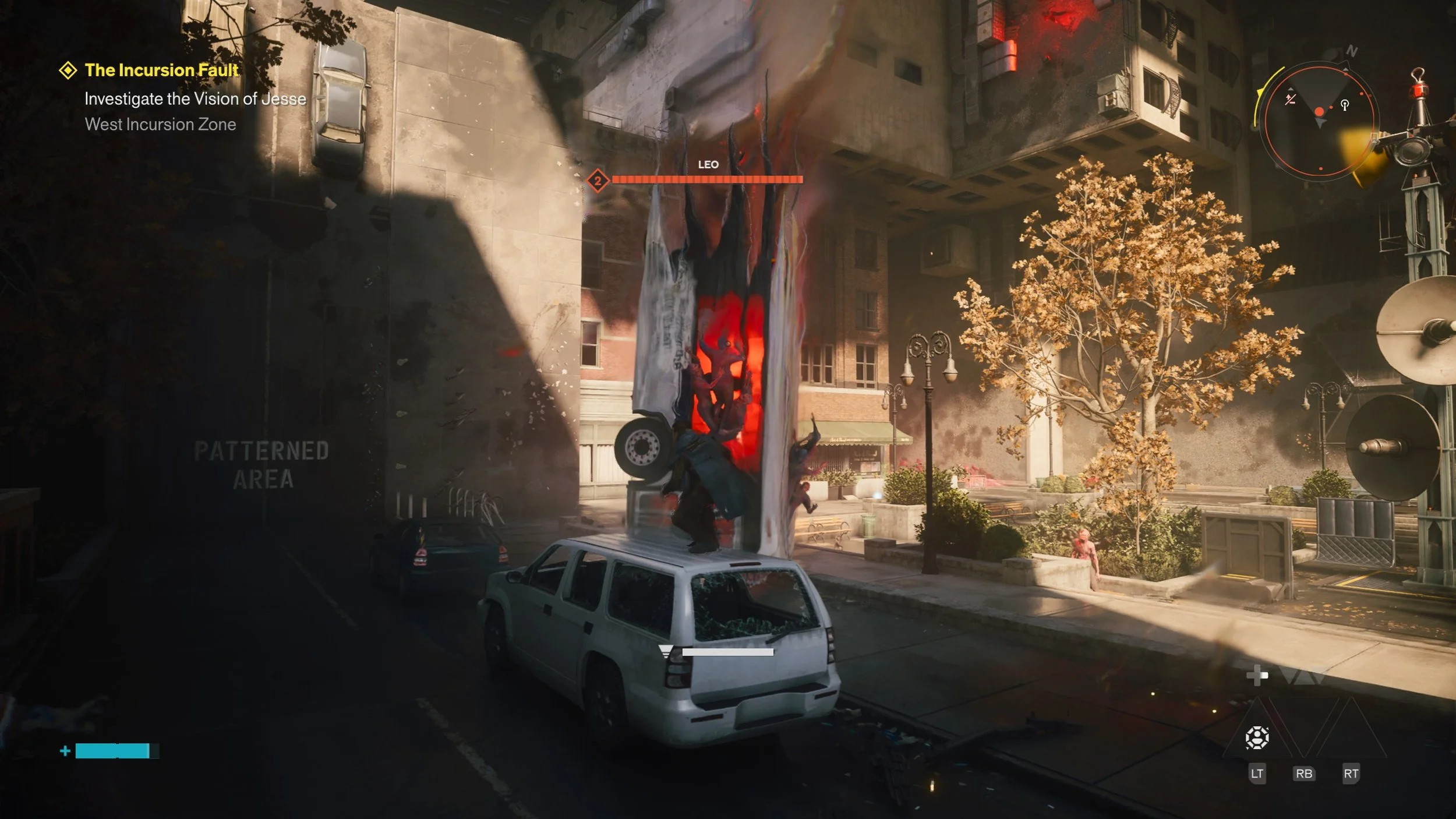
There are pockets of enemies that appear around places of interest throughout the map, oftentimes forcing you to fight through waves in order to complete an objective or open a door. The combat feels drastically different from Control. Jesse’s movement and attacks in the original game felt more methodical and deliberate, as you were primarily a ranged attacker. With the melee focus of Control Resonant, Dylan's movement is twitchy and aggressive, more akin to a character action game with combos, dodges, and air juggles. At first, I appreciated this change of pace. The playstyle here wants the player to haphazardly mash and dodge their way through each combat encounter. But soon after this honeymoon phase was over, these fights began feeling unnecessarily lengthy due to the sponge enemies that hit like a truck. There is a lot of repetition in the enemies as well, with only a handful of different enemy types. The combat quickly became my biggest point of contention with the game, and made me loathe every combat encounter.
The combat, when it clicks, flows beautifully, resulting in a spectacle as Dylan Faden dashes between Hiss, smacks them in the air, and finishes them off with a flashy execution animation once they are “faltered” (Control Resonant’s equivalent of a stun). Unfortunately, these moments are few and far between in otherwise frustrating combat sequences that had me questioning my capabilities — and to be fair, it still could just be my lack of “hardcore” gamer skills.
Encounters only require you to defeat “bigger” enemies (marked with larger red circles on your mini map) to move on, but the game still populates each area with half a dozen or so weak enemies which you can kill to recover a bit of health. Too many times, I found myself engaged in a fight with one or two large enemies, focusing my dodges and planning my combos, while a ring of smaller Hiss were throwing rocks at me from a distance, chipping away at my health, resulting in some off-screen ranged attack (that was poorly signaled) to kill me in an instant. Weaker enemies dropping health is the “solution” to this problem, but its problem only made possible through the poor implementation of these extra enemies in the first place.
Half the time, I could not even comprehend how or why I died. At every death screen, I would quickly reflect on what I just experienced, trying to understand what I could do differently, but I could rarely come up with a good answer outside of “I guess I should have been spamming the dodge button more.” And every time I loaded back in, I would die in another unpredictable and asinine manner. Maybe I need to farm materials to unlock new weapons? Or perhaps try my hand at unlocking new powers?
Even though the game gives you the choice of equipment, the choice feels more like an illusion, as some weapons feel noticeably weaker than others. And when I did finally decide to unlock a new weapon (that I could have just chosen at the start of the game during the tutorial’s Pokémon-esque “choose your starter” but with different weapons), I groaned at the realisation that I now need to unlock talents for this new weapon in order for it to become viable.
One thing that was not immediately apparent to me was the necessity of the upgrades and talent trees. While Control Resonant presents as a character action game, it leans heavily into RPG progression. Each weapon — primary, secondary, and even “combo finisher” (which receives its own tree for some reason) — has its own ability tree filled with nodes of unlockable bonuses such as “generate more power when you hit an enemy from behind”. The many different resources required to unlock these abilities can be gathered through fighting enemies, Resonant Entities, or completing side activities or missions.
These talents seemed helpful at first, but I still faced an annoying dilemma. In order to make my weapon more powerful, I needed to grind these combat encounters, which I’m struggling with because my weapon feels so weak. So a decent chunk of time with the game was devoted to obtaining these resources and purchasing upgrades. The skill tree’s implementation feels less like a creative design decision to enhance combat, and more like a calculated pacing choice to force you to engage with open-world activities that vary massively in terms of quality.
Disappointingly, when I finally upgraded my weapons, they still barely did any damage to the larger enemies. Most of the talent tree unlocks contribute to your Aberrant Strength level, which is a cumulative level that affects your overall strength and damage you can deal. Unlocking more talent nodes and abilities in theory should make me feel more powerful, yet I still labored through most fights.
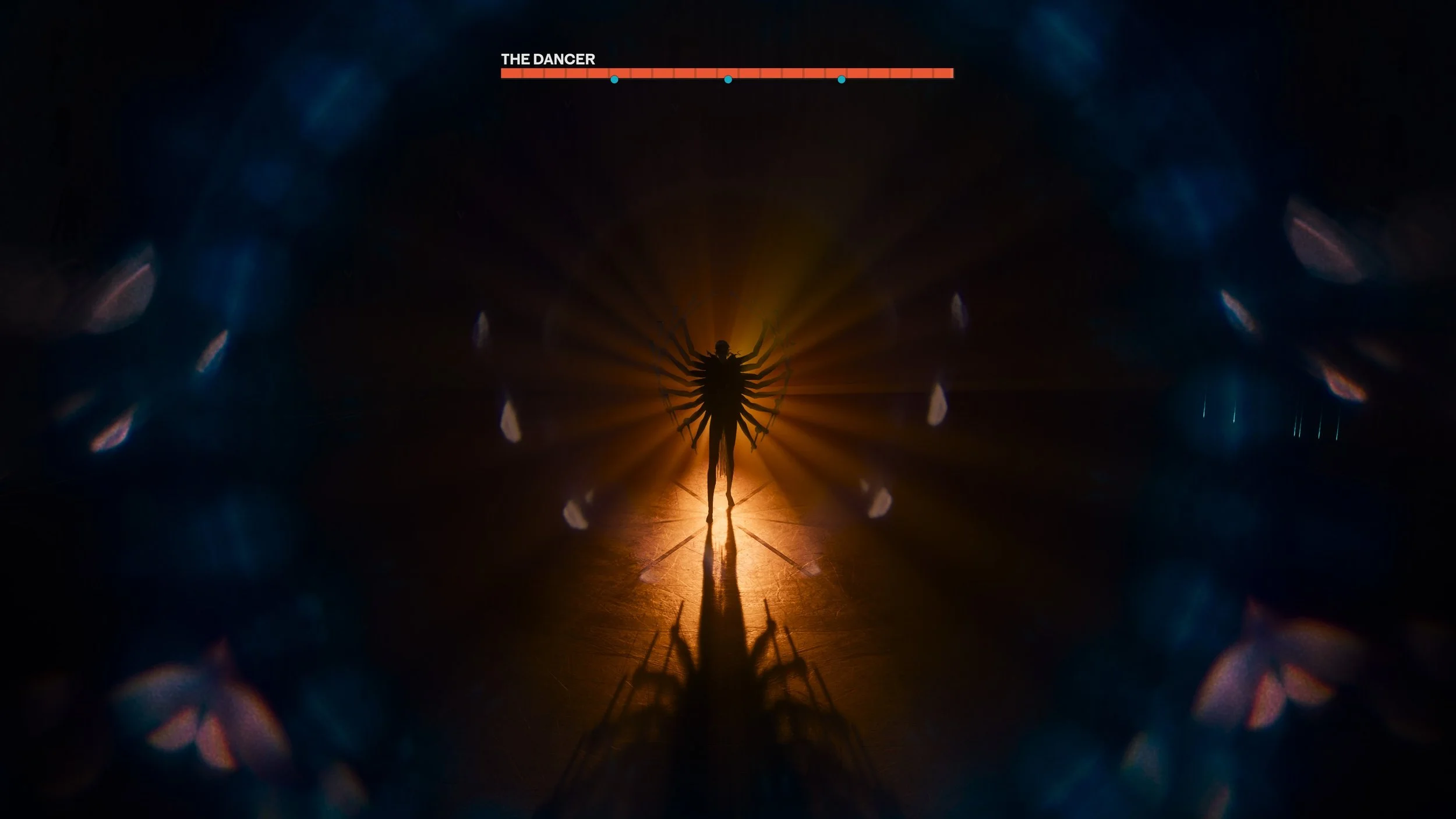
While the perfect combination of weapons could help in the early game, the true game changer to feeling powerful is the powers you unlock from defeating Resonant Entities — Control Resonant’s bosses that appear both within the story and throughout the open zone. These boss fights were the only enjoyable combat I encountered throughout the game. The Resonant Entity fights were multi-phased, usually transforming halfway through a fight and sprouting a new health bar, or warping the battlefield as you chase the boss to another platform. The variety and intensity of each Resonant Entity made for my most memorable moments throughout the game. The scale of the fights often felt like a David versus Goliath battle, and left me far more satisfied than the regular enemy encounters.
The powers and resources obtained from beating Resonant Entities are a must-have for playing the rest of the game. Defeating one of the starting Resonant Entities granted me a power that ignited my weapon, setting enemies on fire with each swing, creating a burn status and dealing a heavy amount of falter damage. This was a turning point in my frustrations with combat, as fights felt a bit less aggravating (but still tedious) once I had a more efficient method to trigger a falter (and unlocked an ability that allowed me to air juggle The Hiss).
At its core, Control Resonant is an open-world game that uses combat as a primary aspect of gameplay. But its combat was by far the weakest aspect of the game and what I dreaded every time I remembered I had to get through this game for this review. Included in the game is an Assist Mode that allows you to fine-tune certain aspects of the game, such as damage dealt and damage received. After about two-thirds of my way through the game, I finally gave in and used these sliders to easily get through combat, vastly improving my experience with the game as I could now focus on the story.
Although I have my gripes with the combat, the open-zone portions feature some of the most brilliant level design I’ve seen in any open-world game.
The Patterning distorting reality into these boxy geometric shapes feeds perfectly into the design of the world from both a narrative and gameplay perspective. Control Resonant is quite generous with its traversal abilities, setting a deceptive pace in which most unlocks are front-loaded into the beginning of the game. Within the first hour, you unlock a double jump, a double air-dodge, and the ability to levitate. These would typically be some end-game level powers in most platformers, but I was grateful that they give you so many fluid traversal abilities right off the bat. The game’s offering of new mechanics encouraged me to change my perspective on what was truly a boundary of that zone. There were moments in the early game in which I thought I was walled in (despite the plethora of abilities), only to revisit the same location later and realise “that’s not a wall, that’s a path”.
Some of the quests to unlock new traversal mechanics are optional, but feel absolutely necessary to get around the world. Unfortunately, the rate at which you obtain new mechanics peters out towards the end of the game, as you have most of your traversal abilities at the halfway point of the story. My expectations had to be tempered as the game went on, because at the start I found myself thinking, “with this many abilities at the beginning, surely there will be some insane powers towards the end,” but that was never the case. Narratively, the traversal quests have you following traces of Jesse into these faults caused by The Patterning, and although the game tells you these are optional, I cannot imagine how some of the story beats would play out unless you complete these quests.
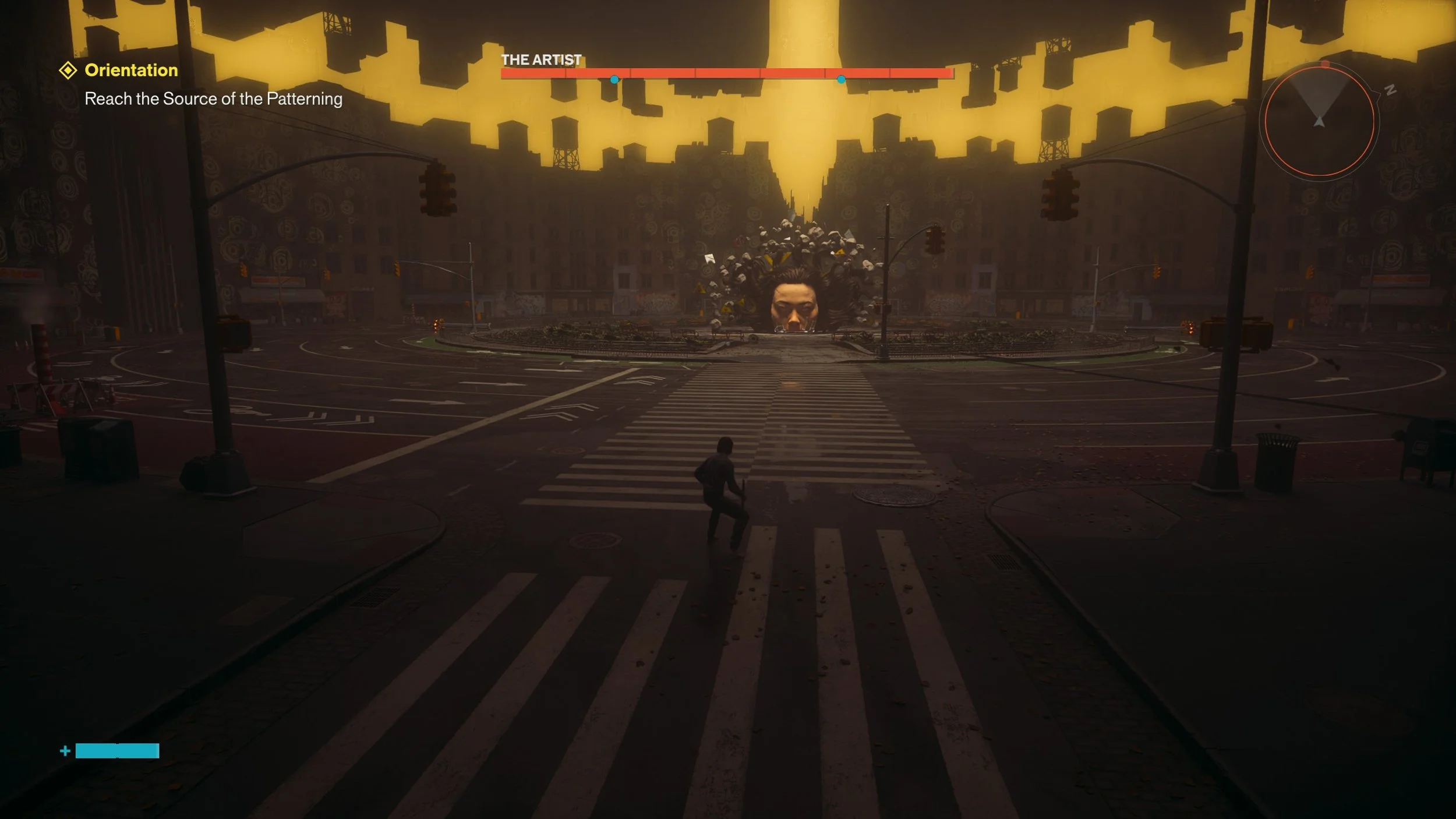
The lore is filled with so much “science” that would piss off any actual physicist, but that’s what makes it so much fun. Randomly teleporting to a world between worlds, using a projector to open a portal to another dimension- these Objects of Power or Altered World Events (love all these proper nouns) are staples of Control, and they create a stunning graphical display whenever they’re utilised. Everything is a visual spectacle in this universe, and it pleases the part of me that wishes this were real (the sciencey parts, not the “world taken over by a supernatural force” part, though maybe that would solve the world’s problems). The boxy and futuristic architecture during the tesseract scene in Interstellar was my favorite part of that film, and visually Control Resonant owns that aesthetic in nearly every part of the game.
The interactions between our main characters are an integral part of my enjoyment of the game. Dylan and agent Zoe De Vera — an FBC agent and Dylan’s handler — pair perfectly together as Zoe is cautious of Dylan, and Dylan only wants to atone for the sins of his past (read as murdering hundreds of people in the Oldest House). The uncertainty can be heard in Zoe’s voice throughout the game, in particular whenever Dylan argues that he is their best option to take out The Hiss now that his sister is missing. From the start, she sees Dylan as a troubled human being who deserves a second chance, regardless of her best efforts to convince Dylan (and herself) that she is simply an agent following protocol. It warms my heart to see someone with a dutiful exterior peel back some of those layers to offer glimpses into their more human character.
Dylan’s personality didn’t quite work for me throughout the whole story. There were times when I could understand his anger and frustration, but for the majority of the story, Dylan came across as a melancholic child who wants to help but seems unsure. Given that Dylan was traumatised as a child and immediately became a study subject, so he didn’t have as much time to emotionally develop; maybe this personality of his is accurate, but that doesn’t prevent me from feeling more annoyance than empathy whenever Dylan would talk. I do not think this was the actor’s fault in any way, and it seemed more like a directorial decision to have Dylan portrayed as this person filled with self-hatred and a meek personality.
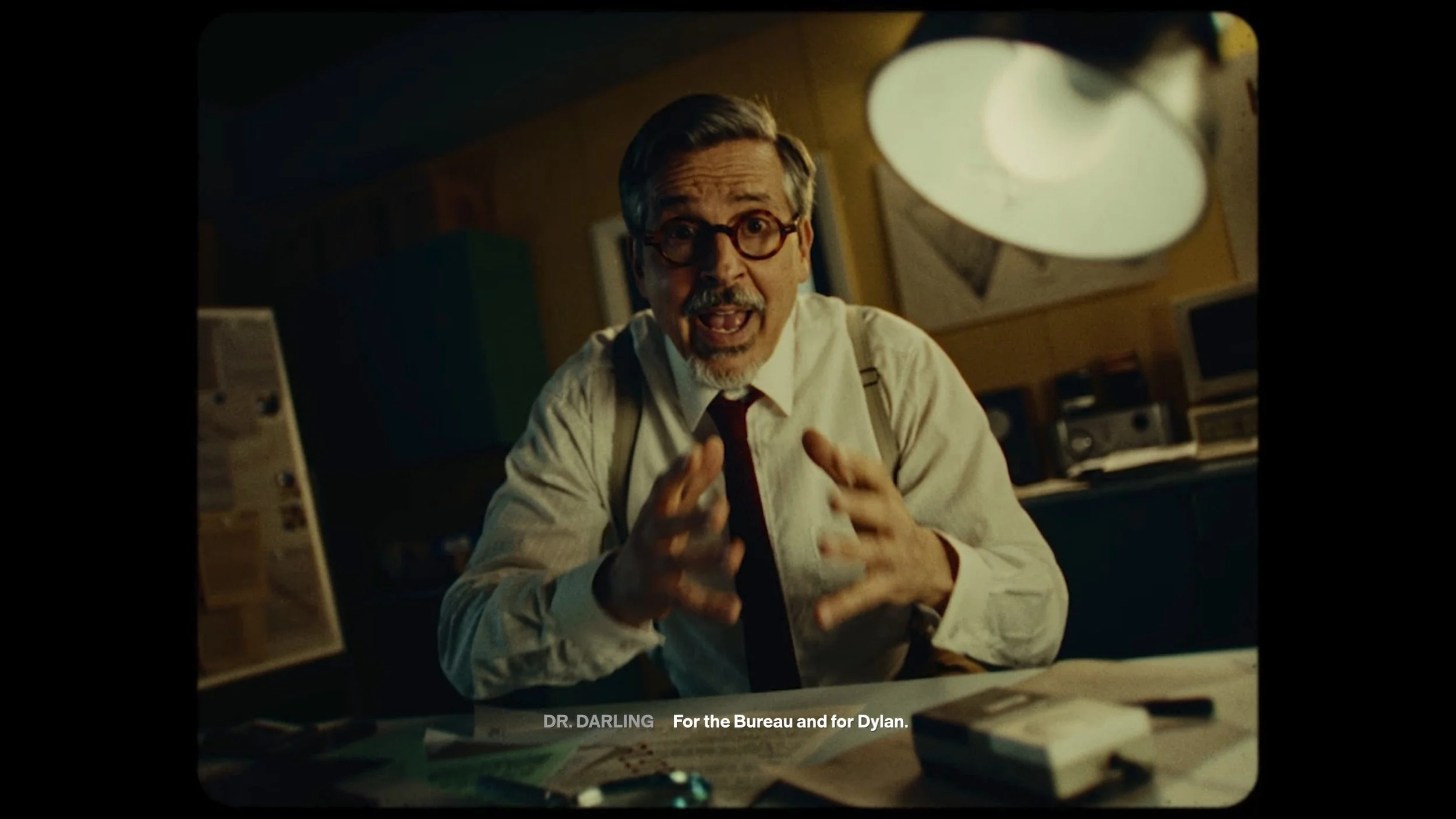
As a matter of fact, the acting of everyone in the cast was excellent throughout this game. While his writing is off-putting, Sean Durrie, who plays Dylan, crafted a believable performance that had me feeling for Dylan during his most aggravating moments. I felt the sincerity of Frankie Kevich, Zoe De Vera’s actor, during the moments she struggled with doing what she wanted to do and what the FBC commanded her to do. And it was great to hear Courtney Hope reprise her role as Jesse Faden, as her character brought moments of comfort to a distressed Dylan. Dr. Casper Darling, voiced by Matthew Porretta (who also voices Alan Wake), is another personal favorite of mine who captured my attention every time he was on the screen.
There was a lot to love in Control Resonant, but its rough start really hampered my time with this long-awaited sequel in a franchise I adore. The shift from a more straightforward experience in Control to this open-zone RPG-lite gameplay took away much of what I love about the series, replacing it with monotonous combat that discouraged me from wanting to play the game.
Whenever story beats in Control Resonant brought the game back into focus with linear paths and interesting boss fights, I was able to enjoy the game. But having the majority of my efforts spent on getting to those better moments made everything else feel like a waste of time. There were more of these beats as I crept towards the end of the game, featuring a bizarre genre shift and a pageant of a final boss fight, but the damage had already been done. I am on board with Remedy’s next project no matter what they create because of my love for the franchise, but I really hope this shift to an open-zone formula was a one-off and not a new mainstay for Control.