Review | Crimson Capes - A Gaming Time-Capsule
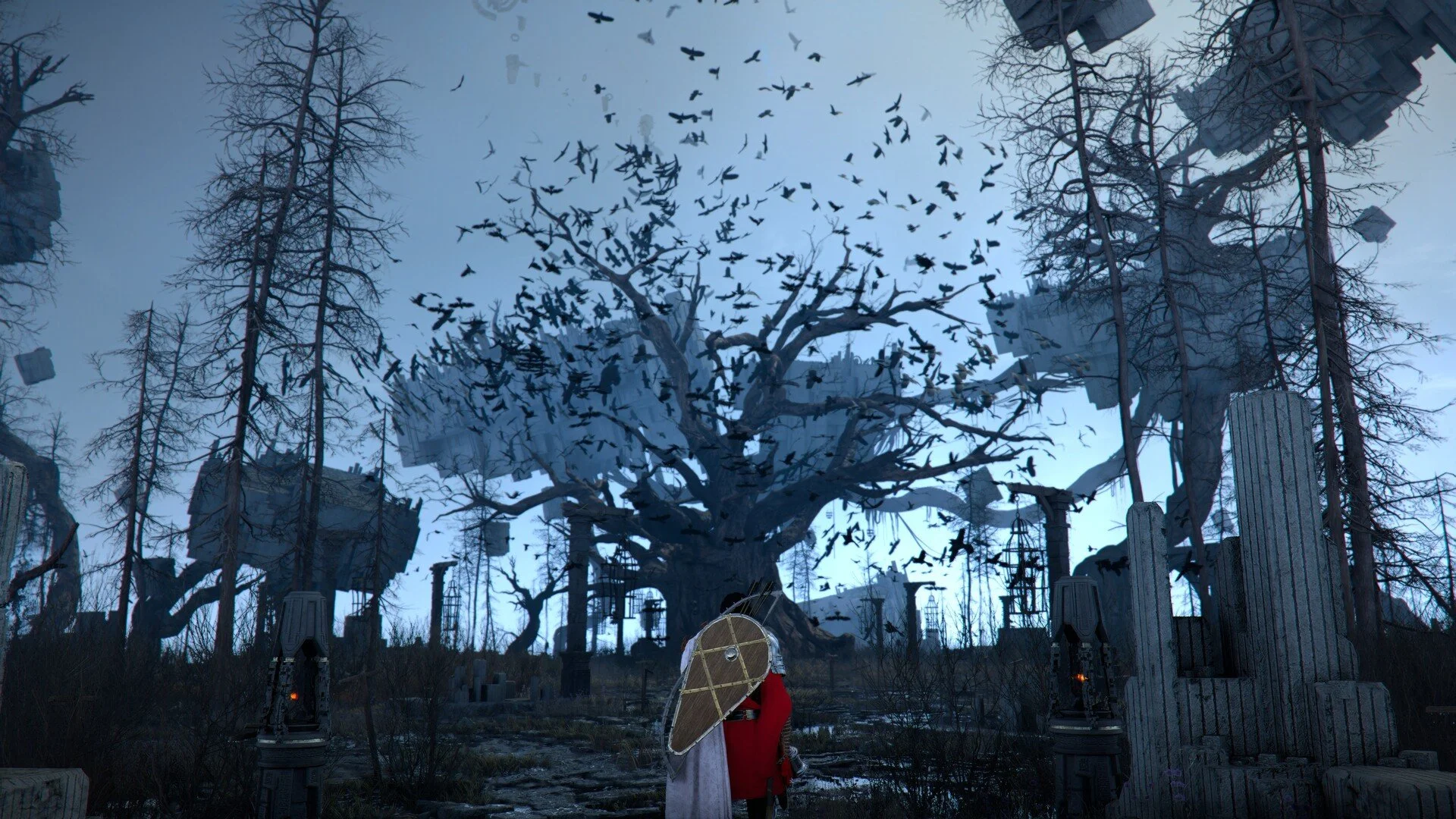
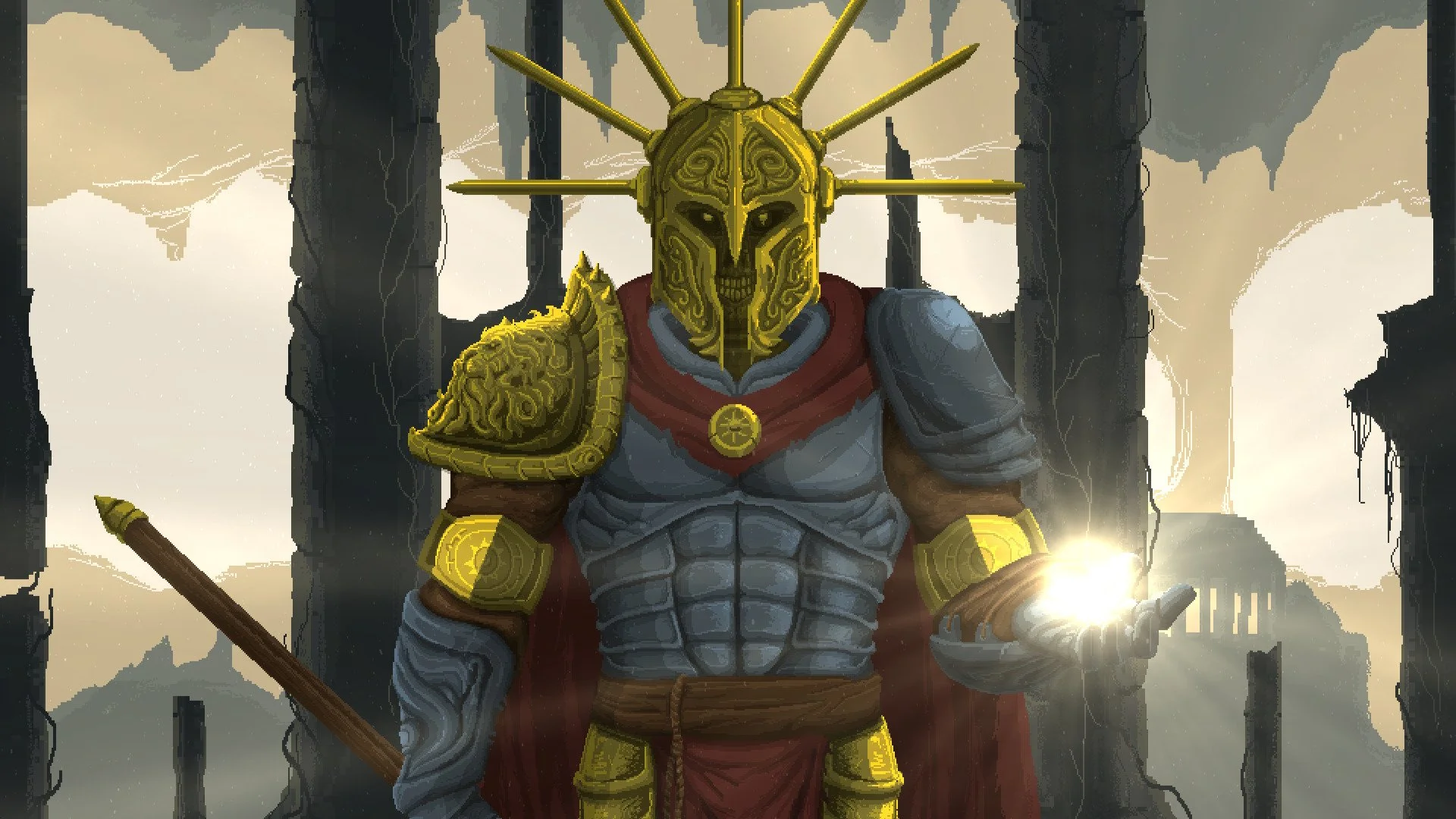
Rotoscoped character models, pixel art inspired by 90s classics, and an art style that would fit right on the cover of a Fighting Fantasy book make Crimson Capes feel like a time-capsule. It has a charm that’s not as easily found nowadays, but it can also feel weirdly antiquated.
Developed by Poor Locke, a three-person team, Crimson Capes is the result of years of work and multiple iterations, a slow process that began before the release of the studio’s first game, Unbeliever, in 2020. Instead of feeling like a destination, though, it feels like another step in Locke’s journey to something greater, which it’s on the verge of achieving here, but never quite does.
That being said, Crimson Capes thoroughly charmed me despite its problems.
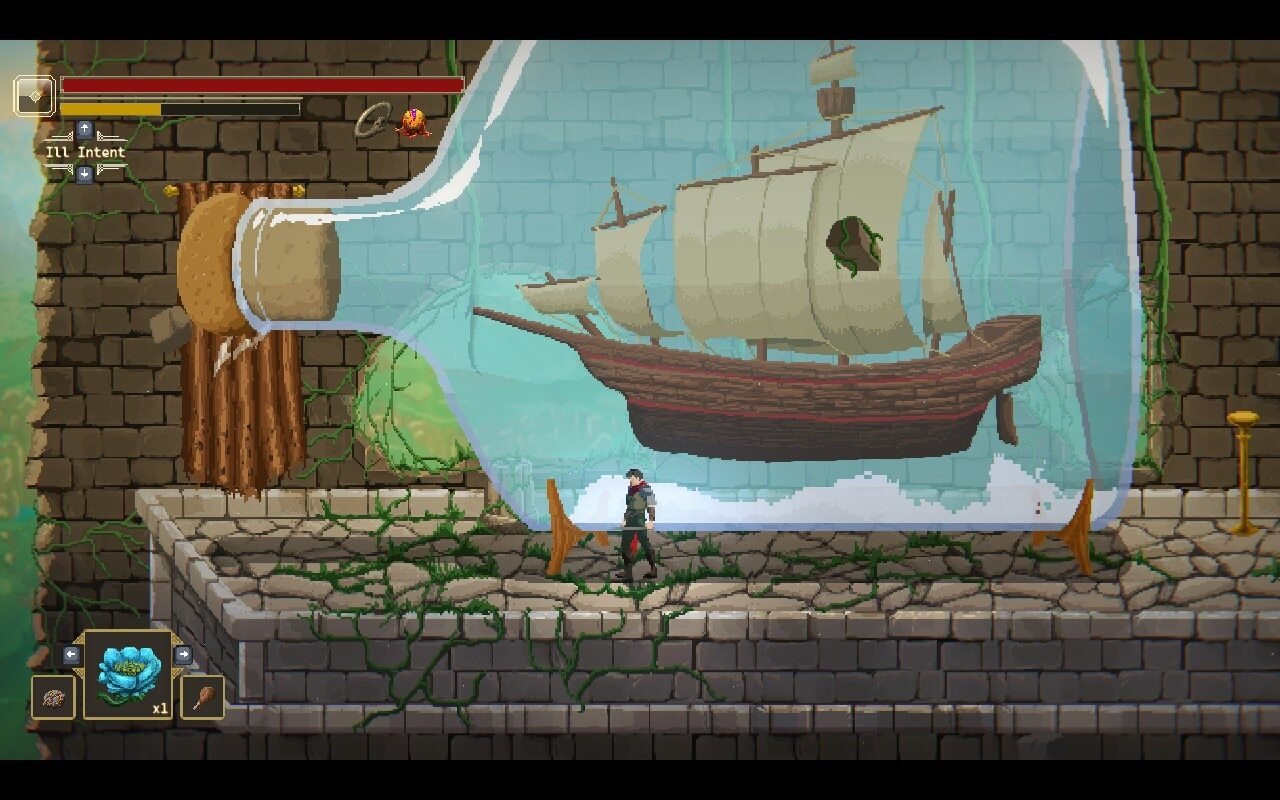
While I’ve played games that look like Crimson Capes, most notably Blasphemous, I’ve never tried one that plays like Crimson Capes. The few negative reviews on Steam mention “sluggish” and “clunky” combat, which is a valid interpretation of it.
Despite its appearance, Crimson Capes isn’t a metroidvania. It shares the layout of one in certain areas, namely in how you unlock access to new regions by unlocking new powers or getting specific items, but that’s it. You’ll rarely retread the same ground and there is no platforming — when you run towards an edge, the player character automatically jumps for you.
Instead, the game is focused on “fluid 2D pixel art swordplay”. The so-called “sluggish” and “clunky” combat is the star of the show, but if you use either of the aforementioned adjectives to describe it, this game won’t be for you. If you’re looking for an actual innovation in 2D combat, though, Crimson Capes has you covered.
Steam reviews, user-defined tags, and even the game’s page describe the game as soulslike, but that’s wrong. There is no stamina system and no penalty for death, two of the most crucial pillars of the soulslike moniker. The similarities with FromSoftware’s titles begin and end with the fact that the game is difficult and your experience points are also your currency.
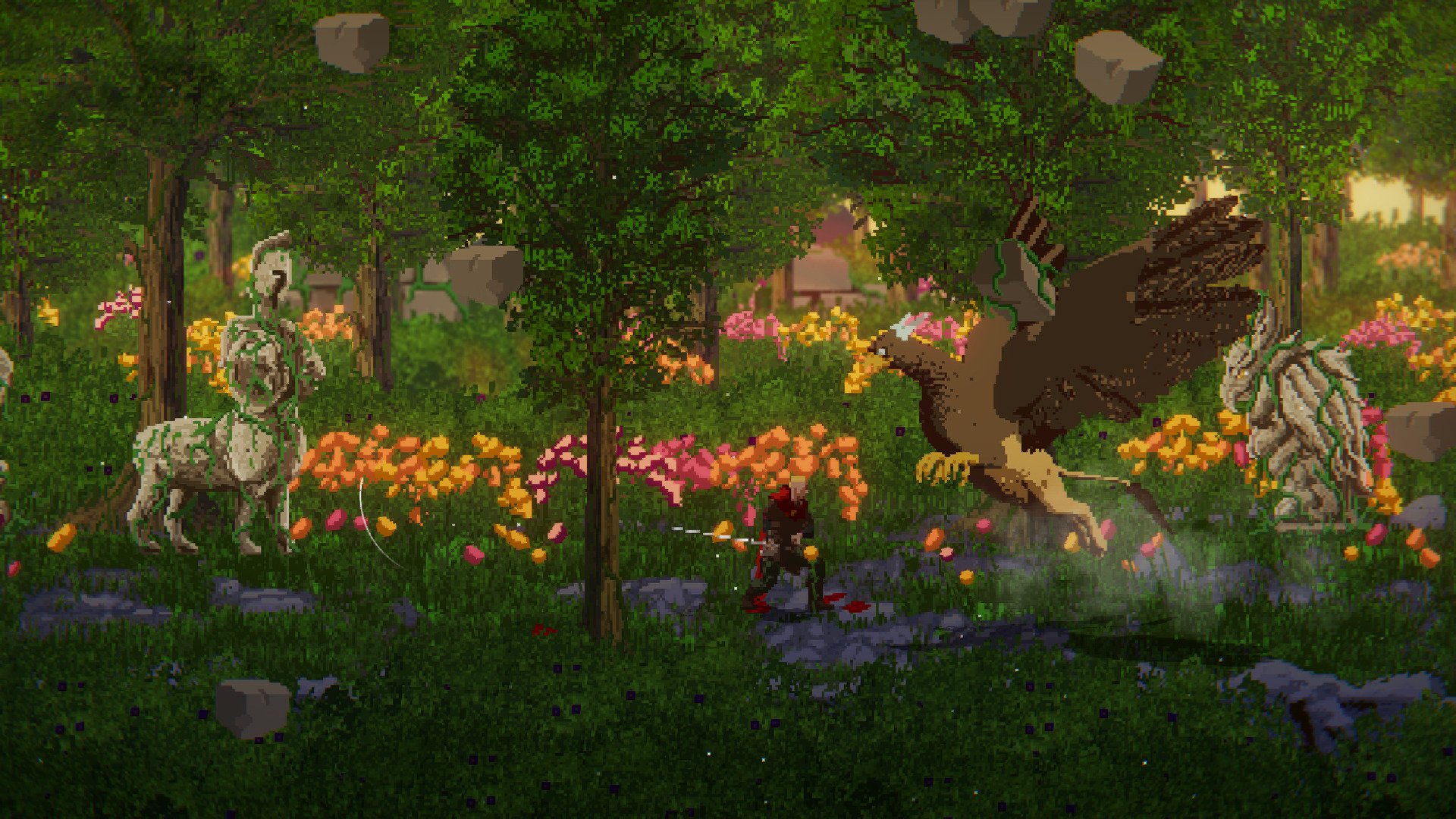
Combat is a dance in Crimson Capes, like it is in the good soulslikes, but for different reasons. You don’t have a stamina bar, but your opponents do, even the ones who seem like they don’t. Crimson Capes’ combat choreography moves to that tempo.
You have the standard combat options: light attack, heavy attack, dodge, parry. But you also have feints, taunts, powerful spells called Recalls, and four Discipline moves per character, each with a light and heavy variant. With four playable characters (I’ll get into this later), that is a whopping total of 16 Discipline moves to learn as your character increases in level.
None of this is for show. Enemies react to your moves by trying to dodge or parry your strikes, and they’ll do the same if you feint, so you can more reliably land strikes following a feint. Do it too often, though, and they will sometimes attack you mid-feint, when you’re unable to parry or dodge.
When this combat system works, it is genuinely phenomenal. It is difficult, but rewarding. It will feel clunky at first, because you have to master it. No aspect of Crimson Capes expresses this better than its Combat Flow, which lets you attack much more quickly if you press the attack button right as your last strike hits an opponent. When you nail these aspects of combat, it feels as smooth and fluid as a choreographed fight scene on a stage.
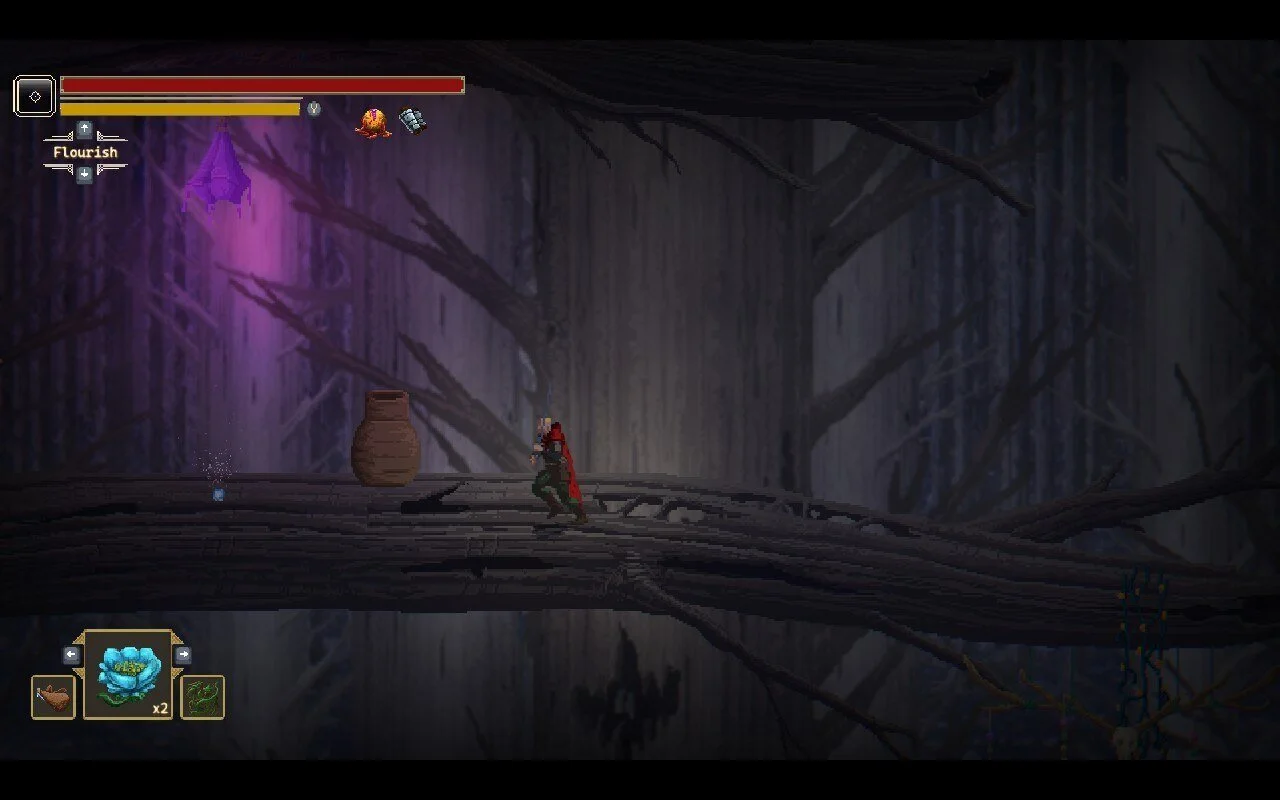
My biggest issue with Crimson Capes is how it struggles to let this combat system shine. There is a ton of enemy variety in the game, on paper, alongside its diverse biomes and beautiful backdrops. In practice, though, you’ll find yourself dealing with them all in the same way. Crimson Capes’ combat system might have a long list of items in its arsenal, but the game’s difficulty and enemy design slowly nudge you into finding your most optimal tactic and sticking with it for the entire game.
For me, that was parrying and punishing with stamina moves. Every enemy in the game has a stamina bar, though sometimes it is hidden. This includes even the most eldritch-looking bosses you encounter. The more you progress into Crimson Capes’ story, the more aggressive and punishing enemies become. They’ll start attacking you through your feints, sometimes looking as if they’re completely ignoring that system. They’ll be immune to the usual stagger, or recover so quickly from it that they’ll manage to hit you before you can parry, even though you just landed a clean hit.
These obstacles led me to master the parrying system and to maximise stamina damage via my Skill increases. Every character in Crimson Capes has at least one Discipline focused on stamina damage. These are attacks that deal little actual damage, but hit an opponent’s stamina bar hard. If an opponent runs out of stamina, they’ll become heavily staggered when you next parry them.
This is how I dealt with most of the final bosses in Crimson Capes. I learned their attack patterns, parried, answered with a stamina damage move, waited until my parry got them staggered, and punished them with a Heavy Attack. Occasionally I had more success dodging a boss than parrying it, but that was the exception to the rule. The worst part about this was that I felt I was playing the game wrong, but I was getting the best results.
Don’t get me wrong, boss fights were still great, even with this tactic in place. Enemies were unpredictable and seemed focused on throwing off my parry timing. Non-boss encounters, though, all felt the same.
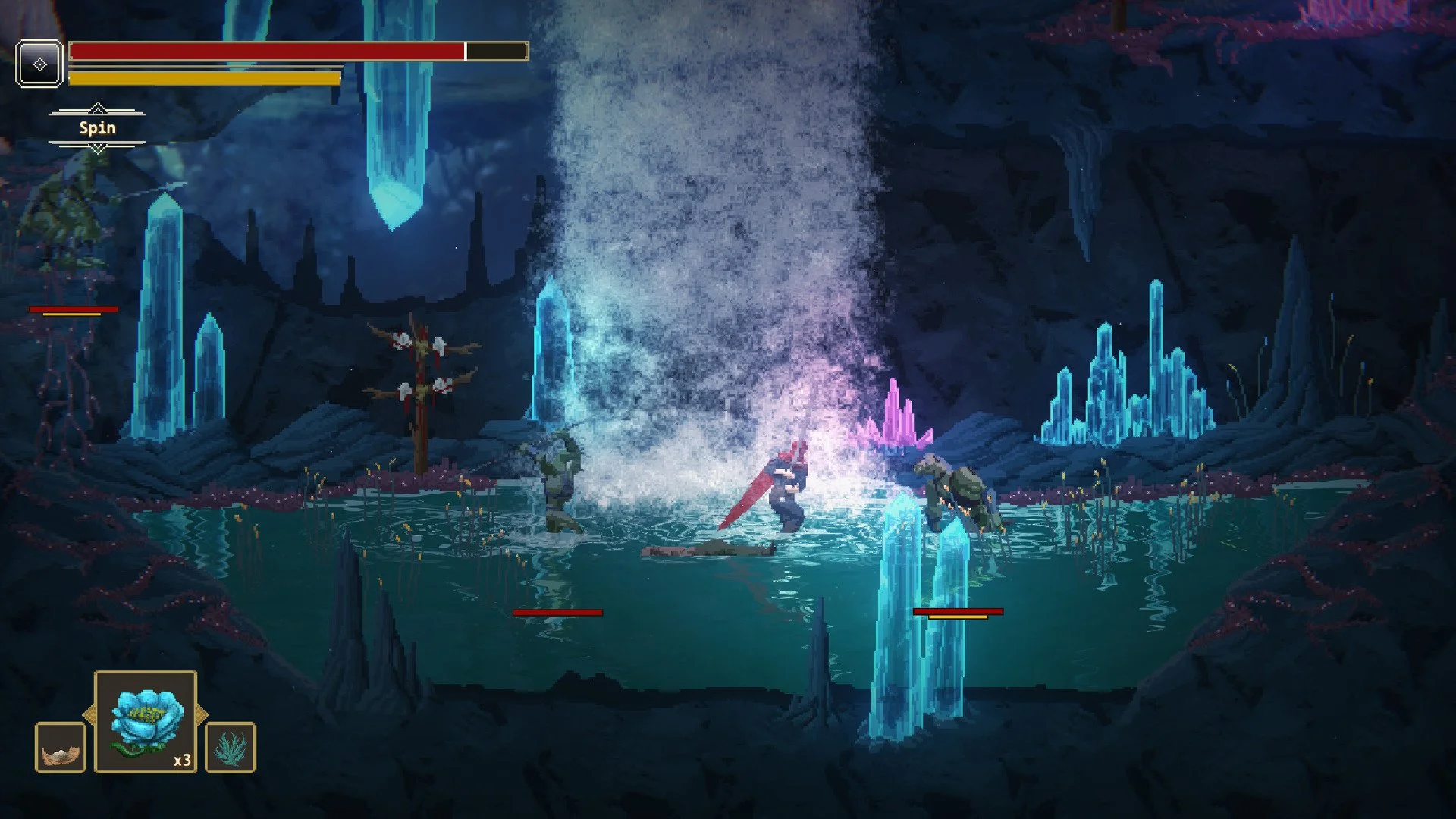
One area in which Crimson Capes’ combat managed to shine through was PVP. Despite being made by a three-person studio with five additional people included in the Special Thanks section of the credits, Crimson Capes features seamless co-op for up to four players and a complete multiplayer system similar to the one present in Souls games. You can invade other players or assist them on their “hunt”. You start off as Milon the Tempest, the game’s protagonist, but can unlock the three other Crimson Capes as you progress. In single-player, you begin the game playing as Milon and gain access to the other characters as you progress, so you get the option to choose which one you prefer, but then get stuck with Milon at the end again. All members of the Crimson Capes play differently, have distinct Combat Flow timings, different Discipline moves, and unique Recall abilities.
The three additional Crimson Capes are:
Skean, whose aggressive style powers through enemy moves.
Feiyoun, who has the most unique style, focused on a variety of evasive moves that work as a dodge and applying bleed.
Jonai, who has faster attacks for a more fast-paced take on combat.
Mastering them takes hours so, although I understand why Milon has to be the only playable character at the end for story reasons, it sucks that I spent hours mastering Skean’s style only to be forced back into Milon’s skin.
Like the combat-system, the multiple playable character approach only truly shines in PVP. Humans can be cheesed, but not repeatedly, unlike AI opponents. When you get invaded or invade someone else, you will bump into an opponent using Feiyoun’s somersaults and backflips or into a Jonai tricking you with a variety of feints. Each PVP encounter is completely unique and they never get old. I usually loathe the invasions in Souls games, but they were my favorite part of Crimson Capes.
The phenomenal PVP is the best proof that Poor Locke is on the verge of greatness, and perhaps its next game will be the iteration that’ll let the fantastic combat system shine through, even in PVE encounters.
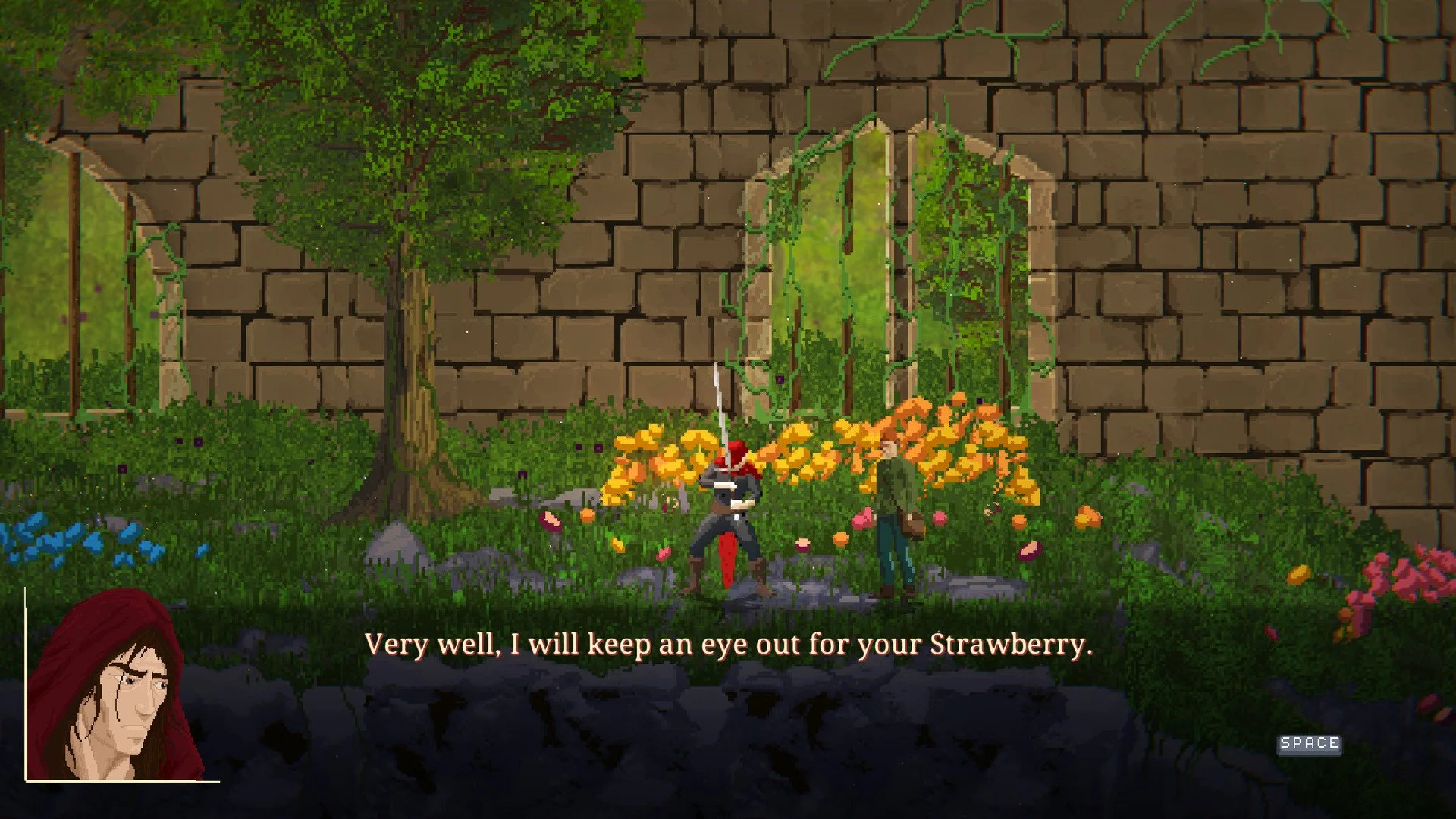
Crimson Capes is a low-budget game. There is no voice-acting; the combat music remains the same for the entire game, with a couple of notable exceptions; and where a cutscene would be you’ll instead find a lightly animated illustration, hand-drawn in the same style of the map.
But the cliché of “necessity is the mother of invention” exists for a reason. While some of these constraints had a small negative impact on my experience (combat sound effects are very limited and hearing the same combat music for eight hours starts to grate on you), they paled in comparison to the irresistible charm of the rest of the game.
The hand-drawn map that is slowly unveiled as you explore the world of Amvros is phenomenal while managing to remain functional. The art style is beautiful and really shines in the illustrations that replace cutscenes. Although the story is quite basic and ends in a sort of cliffhanger, Crimson Capes’ writing is poignant and full of wonderful details.
Instead of just copy-pasting the “Souls as both XP and currency” approach of FromSoftware’s titles, Poor Locke justified its approach in-universe. Upon meeting the game’s first merchant, Milon says that he never carries coins with him, to which the merchant responds that he’d gladly accept to learn of his experiences as means of payment. Furthermore, there is a recurring line in the game which says “Strength lies in the hand.” This is both figurative — implying that power comes from physical prowess and mastery of the sword, a direct contrast to the magic wielded by the antagonists — but it also is literal. The screen in which you level up your skills is an image of a hand, with the fingers serving as skill trees.
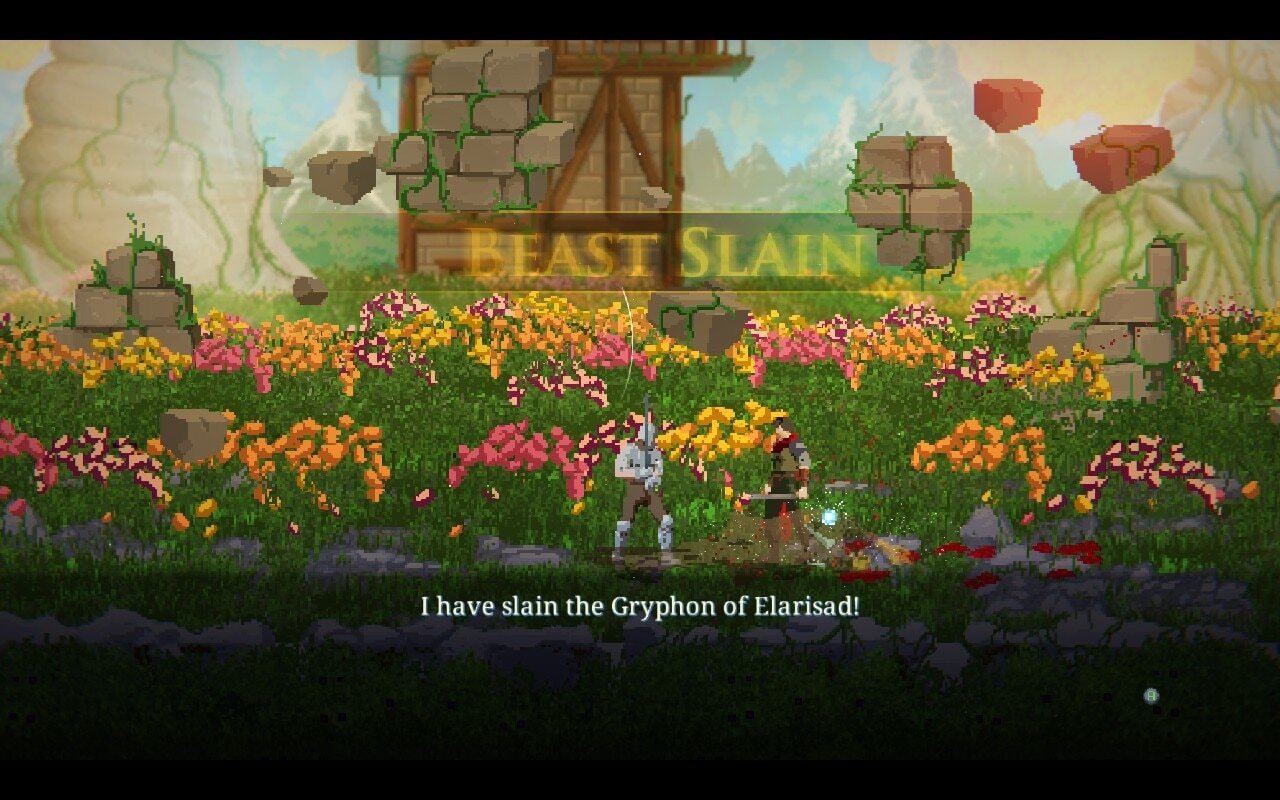
As previously mentioned, the story is quite basic, but it carries the simplicity needed to let players explore in the order they prefer, letting the characters you bump into shine, instead. My personal favourite was Knight Pierre, so be sure to see his story to the end when you find him in your travels through Amvros.
This irresistible charm is what kept me smiling through the time I spent with Crimson Capes, despite its flaws. It is the allure that you only find in passion projects and in those nostalgic games that you played in your youth. It is a time-capsule that transports you to a time when things were simpler and the worlds you explored in games felt larger than the planet you're standing on.
Crimson Capes was played on PC with a code provided by the publisher.

![[PATREON UNLOCK] Update Patch - February 2026](https://images.squarespace-cdn.com/content/v1/5caf2dea93a63238c9069ba4/1772562881770-ZXZN65X2NZXJBKI3HAZF/Update_Patch_0.jpg)